
Petroleum Distillates, Hydrotreated Light
- Aliphatic solvents
- CAS 64742-47-8
Petroleum Distillates, Hydrotreated Light (CAS 64742-47-8) appears in 83 of the 2,122 car-care products CarCareTruth tracks (as of August 2026). It is classified as a VOC.
Mildly irritating to skin and eyes. Vapors at high concentrations may cause headache and CNS effects — use with ventilation. Hydrotreating removes most carcinogenic polynuclear aromatics; not Prop 65 listed. Aspiration hazard if swallowed (H304 — keep away from children).
What it is
Hydrotreated light petroleum distillate (CAS 64742-47-8) is a refined petroleum stream produced by hydrotreating straight-run middle distillate over a catalyst at high temperature and pressure. The hydrotreating step pushes hydrogen through the feedstock to strip sulfur (typically to below 15 ppm), nitrogen, and most aromatic ring compounds. The finished cut typically contains less than 0.1% benzene and total aromatics below 5%. Boiling range runs roughly 150 to 300°C, with viscosity in the 1 to 3 cSt range. The resulting liquid is a clear, low-odor aliphatic hydrocarbon mixture, dominated by branched and straight-chain paraffins with some naphthenes.
Why "hydrotreated" matters
The unhydrotreated equivalent (CAS 64742-88-7, "solvent naphtha medium aliphatic") carries much higher aromatic content and a correspondingly higher H304 aspiration concern driven by the aromatic fraction, along with measurable benzene content that places it on California Prop 65. Hydrotreating is the processing step that turns the same petroleum cut into a stream acceptable for consumer-facing products. Two cuts with similar boiling ranges can have very different hazard profiles depending on whether the hydrotreating step was applied.
Where it appears in car care
This is the single most common solvent base in the CCT catalog. It shows up in penetrating oils, lubricant carrier fluids, tire shine vehicles, multi-surface protectants, fuel system cleaners as a solvent base, engine degreasers, wax and oil removers, and undercoatings. The reason for its prevalence is a combination of low cost, low aromatic content compared to alternatives, and a slow enough evaporation rate to keep an active in contact with the substrate long enough to do its work.
The H304 classification
H304 ("may be fatal if swallowed and enters airways") is the headline hazard on the SDS for this material. The mechanism is aspiration pneumonia: the low viscosity of the liquid allows it to pass the epiglottis and reach the lungs if a swallowed dose is vomited back up. Once in the lung tissue, the hydrocarbon causes chemical pneumonitis. This is a different pathway from oral toxicity. Small swallows are passed through the gut with minimal systemic absorption, and the LD50 oral rat is generally above 5000 mg/kg, placing it in the low acute toxicity bracket for ingestion. The aspiration pathway is the reason most consumer products carrying this chemical ship in dispense-controlled containers such as trigger sprayers and aerosol cans rather than open-pour jugs.
Other typical hazards
H315 (skin irritation) appears with prolonged or repeated contact, driven by the defatting action of aliphatic solvents on skin lipids. H336 (drowsiness or dizziness) shows up with high vapor exposure in poorly ventilated spaces. H401 or H411 (aquatic toxicity, acute or chronic) appear on a formulation-dependent basis, sometimes as HNOC or "Other Information" SDS entries rather than formal classification.
Regulatory status
Not listed on California Prop 65, because hydrotreating strips the benzene that places the unhydrotreated equivalent on the list. Classified as a volatile organic compound under most US air-quality rules; the federal VOC definition exempts only specific compounds and this stream is not among them. Not classified as an asthmagen by AOEC or other occupational health bodies.
Environmental profile
Not readily biodegradable on the OECD 301F 28-day timeframe. Water solubility is low, and bioaccumulation potential is low to moderate depending on the specific carbon-chain distribution. In a spill scenario, the dominant fate is evaporation to the atmosphere rather than soil penetration or groundwater migration. The "persistent" environmental flag on this ingredient page reflects the slow biodegradation rather than long-range transport.
What to look for on the SDS
Section 3 (Composition) often lists this material by CAS number with a concentration range such as "30 to 60%" rather than by name. Common synonyms include "Stoddard solvent," "white spirit," "aliphatic hydrocarbon solvent," and "mineral spirits." Section 9 (Physical and Chemical Properties) typically shows a flash point in the 38 to 65°C range, which places the material in the Class 3 flammable liquid category for transport classification. Section 11 (Toxicological Information) carries the LD50 oral rat above 5000 mg/kg, but the H304 aspiration entry under the hazard statements is the real driver of the headline warning.
Health & environment profile
- VOC
- yes
- Prop 65 listed
- no
- Asthmagen
- no
- EPA Safer Choice
- no
- Aquatic toxicity
- yes
- Biodegradable
- no
- Bioaccumulative
- no
- Persistent
- yes
- Ozone depleting
- no
- Microplastic
- no
- PFAS
- no
- Env. score
- 2/5
Common questions about Petroleum Distillates, Hydrotreated Light
- What is Petroleum Distillates, Hydrotreated Light used for in car care?
- Carrier solvent, wax dispersant, penetrating agent
- Is Petroleum Distillates, Hydrotreated Light a VOC?
- Yes. Petroleum Distillates, Hydrotreated Light is classified as a volatile organic compound (VOC).
- Is Petroleum Distillates, Hydrotreated Light on California's Proposition 65 list?
- No. Petroleum Distillates, Hydrotreated Light is not on California's Proposition 65 list.
83 products contain this
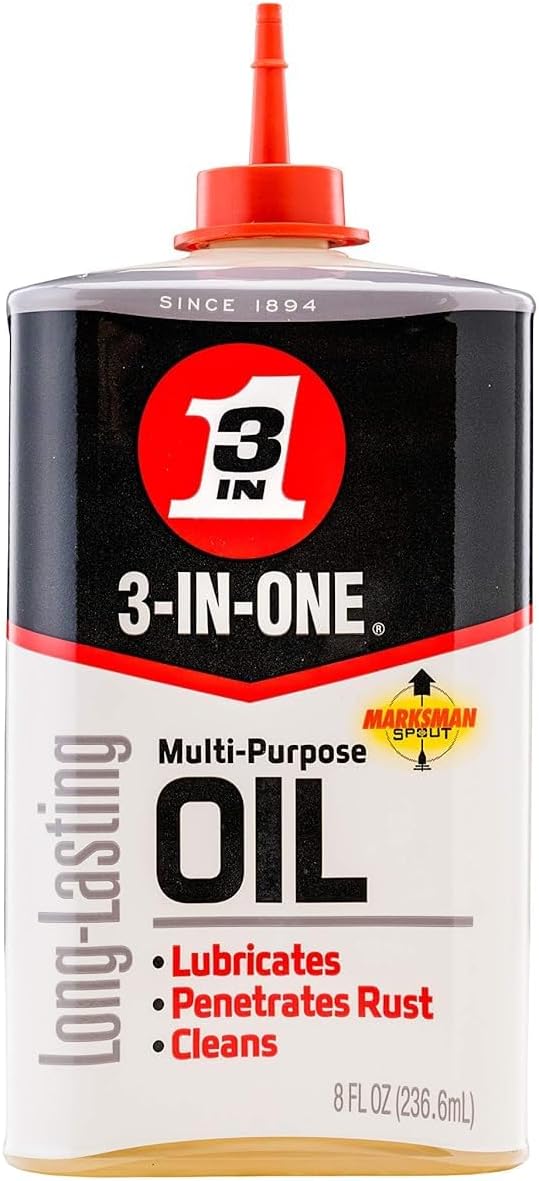 3-IN-ONE Multi-Purpose Oil (8 oz drip bottle with Marksman Twist Spout)
multi-purpose-lubricant
 303 Products 303 Graphene Nano Spray CoatingProp 65
ceramic-spray-coating
 3D Car Care 3D Glass PolishProp 65
glass-polish
 3D Car Care 3D Carnauba WaxProp 65
liquid-wax
 3D Car Care ONE Car Scratch & Swirl Remover
one-step-polish
 3D Car Care 3D Speed All-In-One Polish & WaxProp 65
one-step-polish
 3M Multi-Purpose Spray Lubricant 08898Prop 65
multi-purpose-lubricant
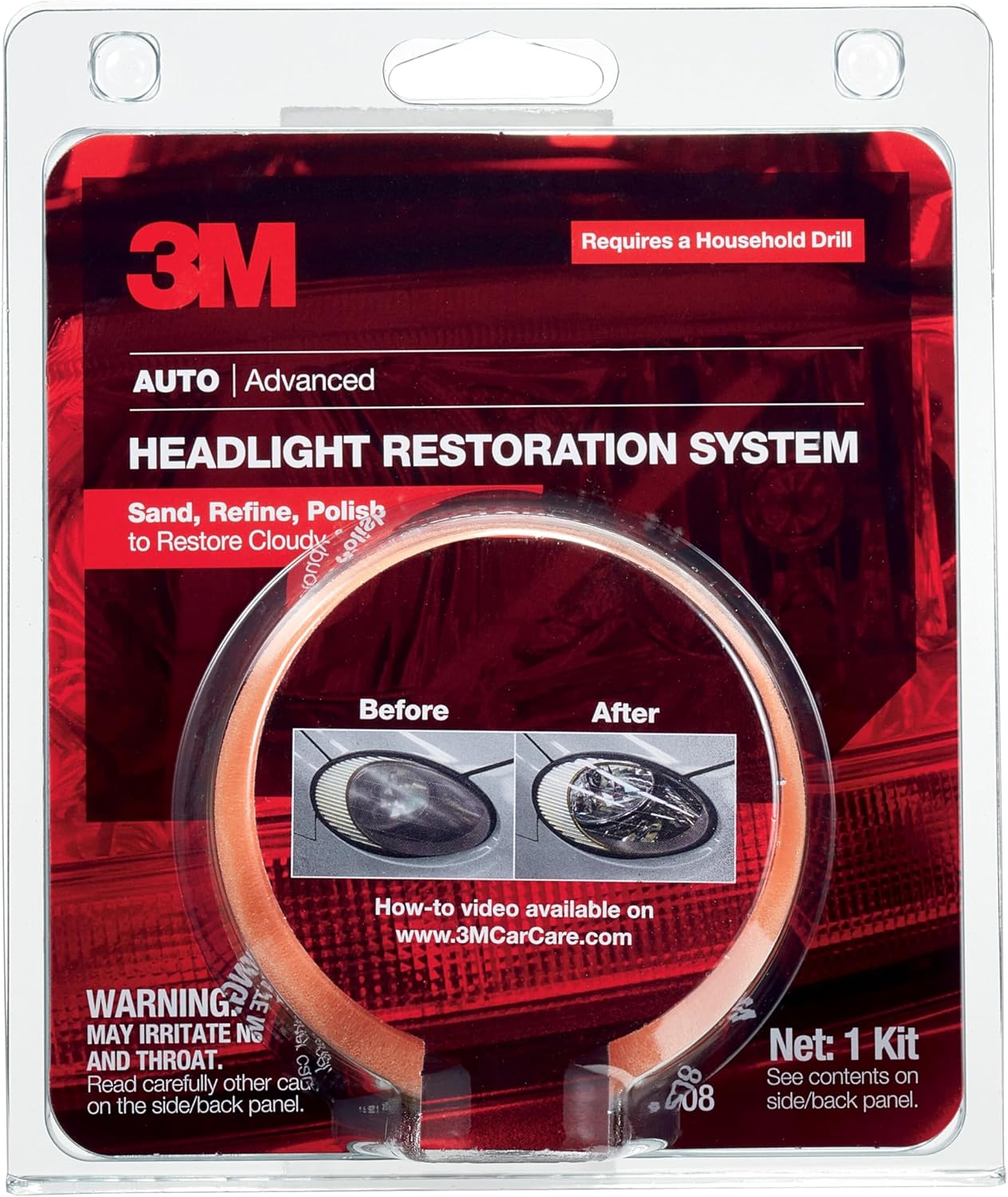 3M Headlight Lens Restoration System (39008)Prop 65
headlight-restoration-kit
 3M Perfect-It EX Ultrafine Machine Polish (06068)Prop 65
finishing-polish
 3M Scotchgard Auto Fabric & Carpet Water Shield (4104D)Prop 65
fabric-protectant
 Adam's Polishes Advanced Graphene Ceramic CoatingProp 65
ceramic-coating
 Adam's Polishes Advanced Graphene Ceramic Spray Coating
ceramic-spray-coating

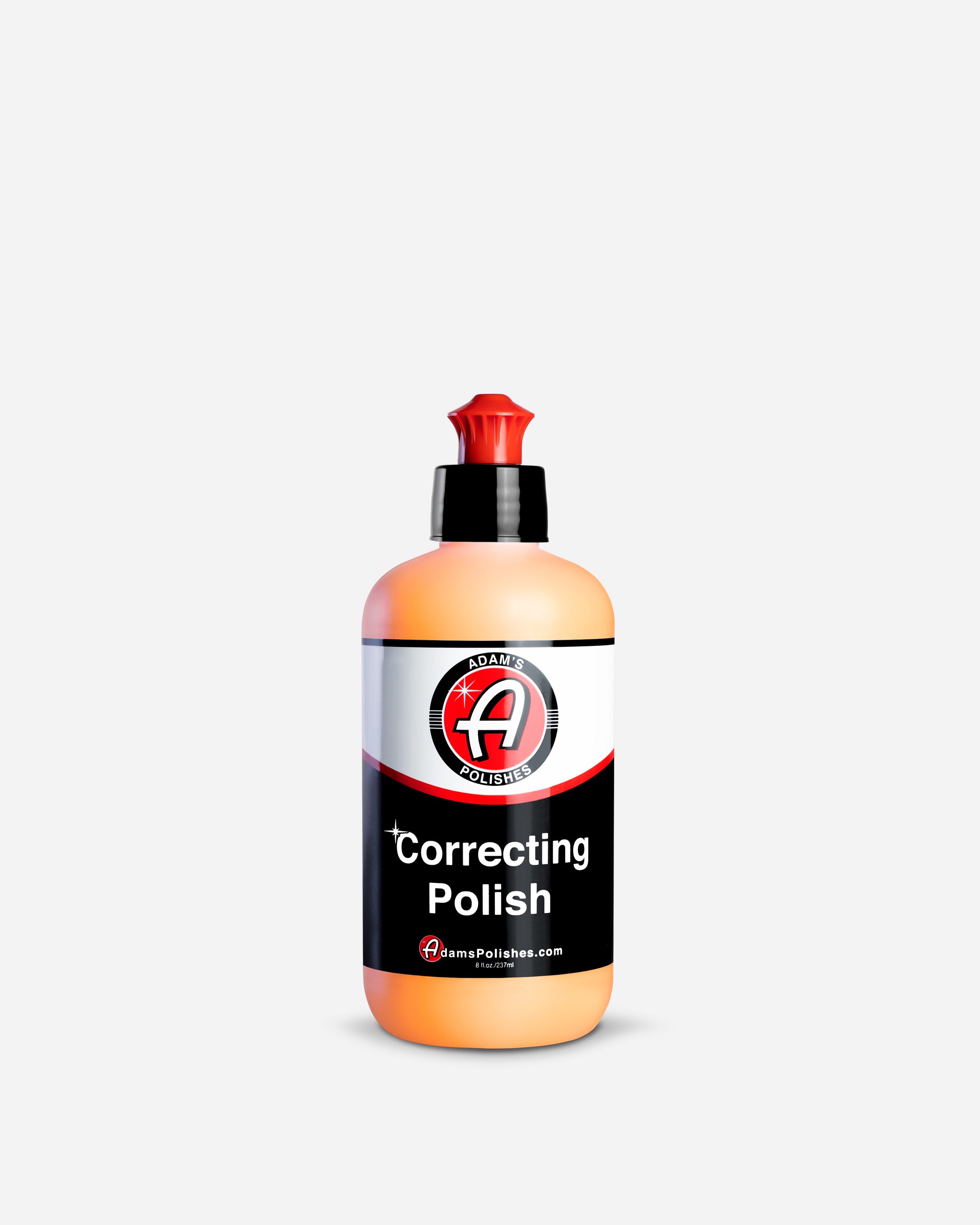
 Adam's Polishes Paint Finishing Polish (Step 2)
finishing-polish
 Adam's Polishes Adam's UV Ceramic Spray CoatingProp 65
ceramic-spray-coating

 Aquapel Glass Treatment
glass-coating
 Armor All Extreme Shield Protect & Shine Ceramic WaxProp 65
ceramic-spray-coating
 Armor All Extreme Tire Shine GelProp 65
tire-dressing
 Armor All FRESHfx Rapid Odor Eliminator New Car (3-Count)
odor-eliminator
 Armor All Outlast Trim & Plastic RestorerProp 65
trim-restorer
 Armour Detail Supply Pro Ceramic Coating
ceramic-coating
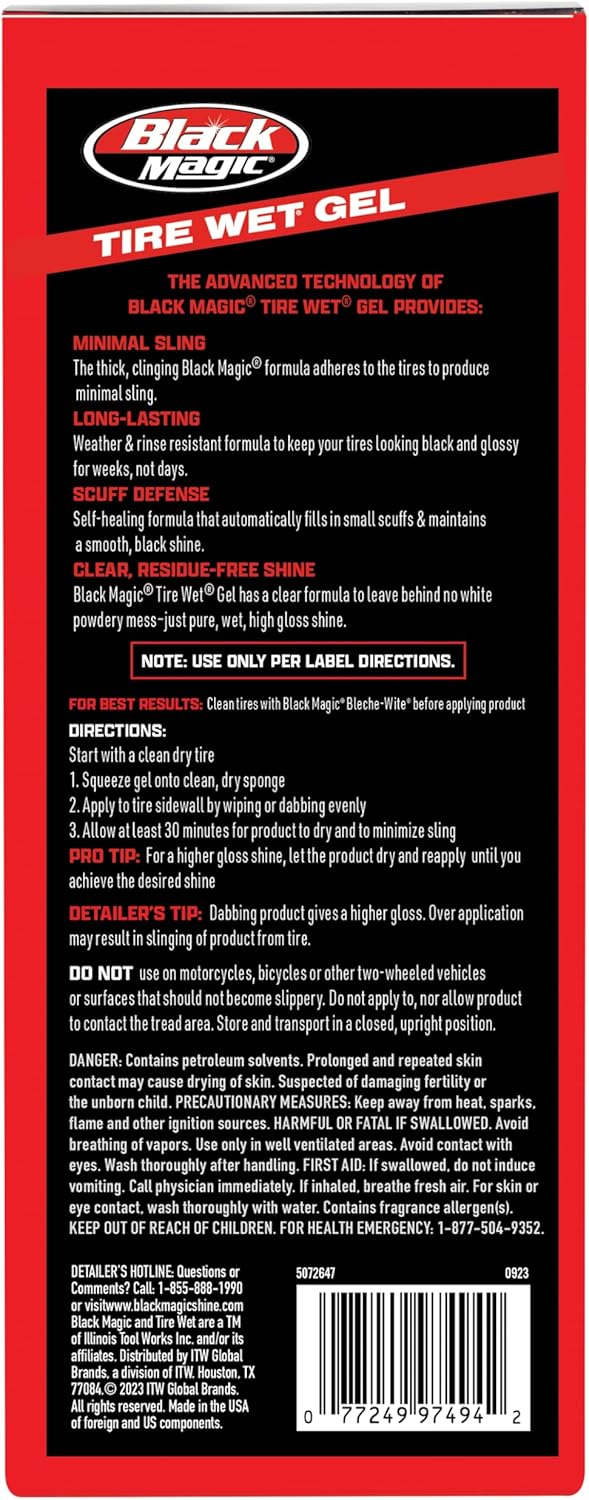 Black Magic Tire Wet GelProp 65
tire-dressing
 B'laster 16-LG High-Performance White Lithium Grease
white-lithium-grease
 Prop 65
 B'laster PB-50 Pro-Grade Multi-Purpose Lubricant (8 oz aerosol)
multi-purpose-lubricant
 Boeshield T-9 Rust & Corrosion ProtectionProp 65
penetrating-oil
 CarPro Reflect High Gloss Finishing Polish
finishing-polish
 Collinite No. 845 Insulator WaxProp 65
liquid-wax

 CRC Screwloose Super PenetrantProp 65
penetrating-oil
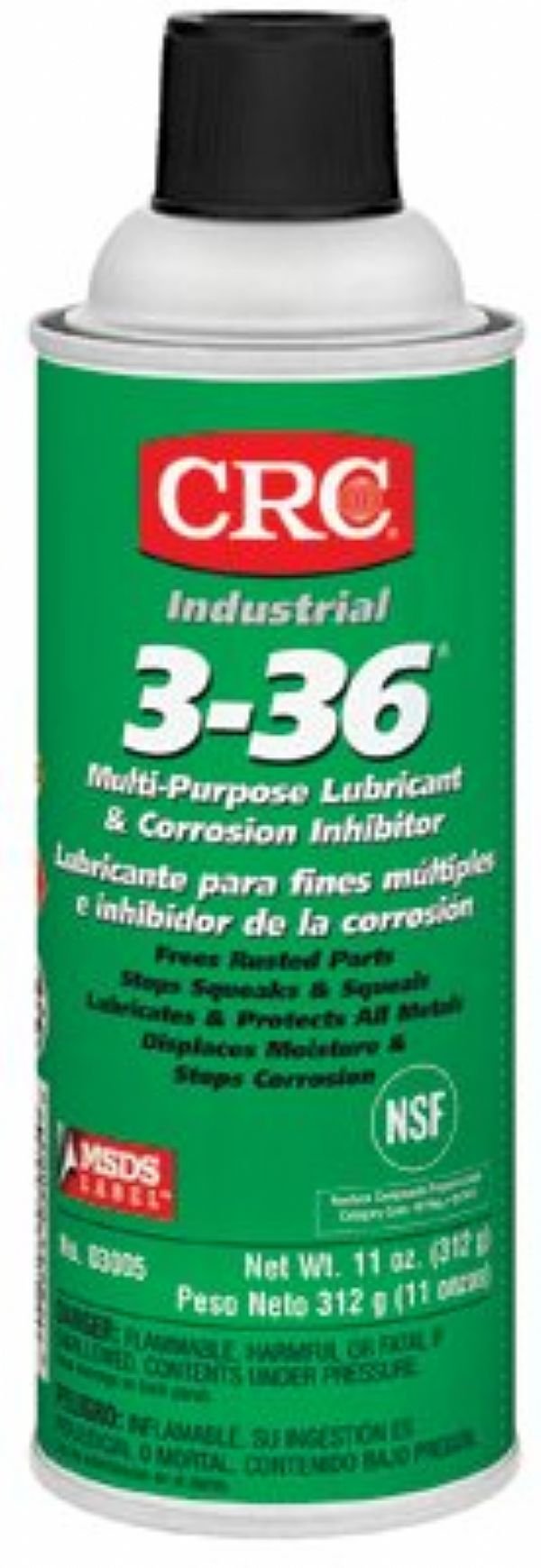 CRC 3-36 Multi-Purpose Lubricant & Corrosion Inhibitor
multi-purpose-lubricant
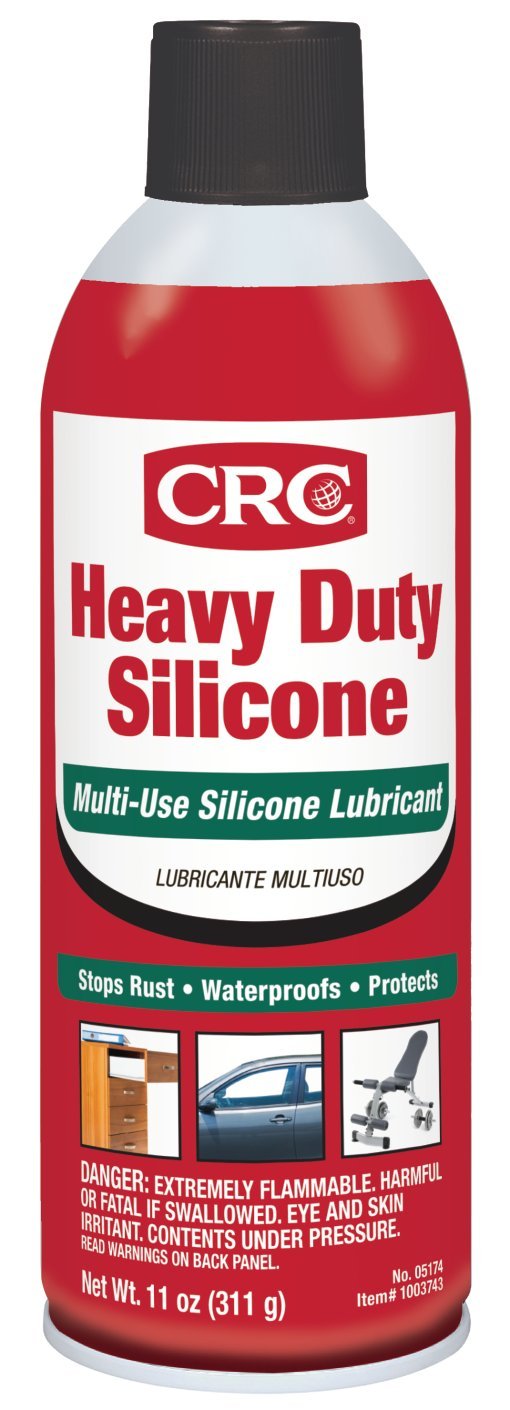 CRC Heavy Duty Silicone Lubricant (11 oz aerosol)Prop 65
silicone-spray
 CRC Knock'er Loose Penetrating SolventProp 65
penetrating-oil
 CRC Power Lube Industrial High Performance Lubricant With PTFE
multi-purpose-lubricant
 DuPont Silicone Lubricant Aerosol (DS0614101)
silicone-spray
 Formula 1 Carnauba Paste Wax (12 oz)
paste-wax
 Formula 1 Headlight Restorer & Sealant
headlight-restoration
 Gold Eagle Co. STA-BIL Storage Fuel Stabilizer
fuel-stabilizer
 Goo Gone Automotive Adhesive Remover
bug-tar-remover
 Griot's Garage Ceramic Glass Coating Kit (10867)
glass-coating
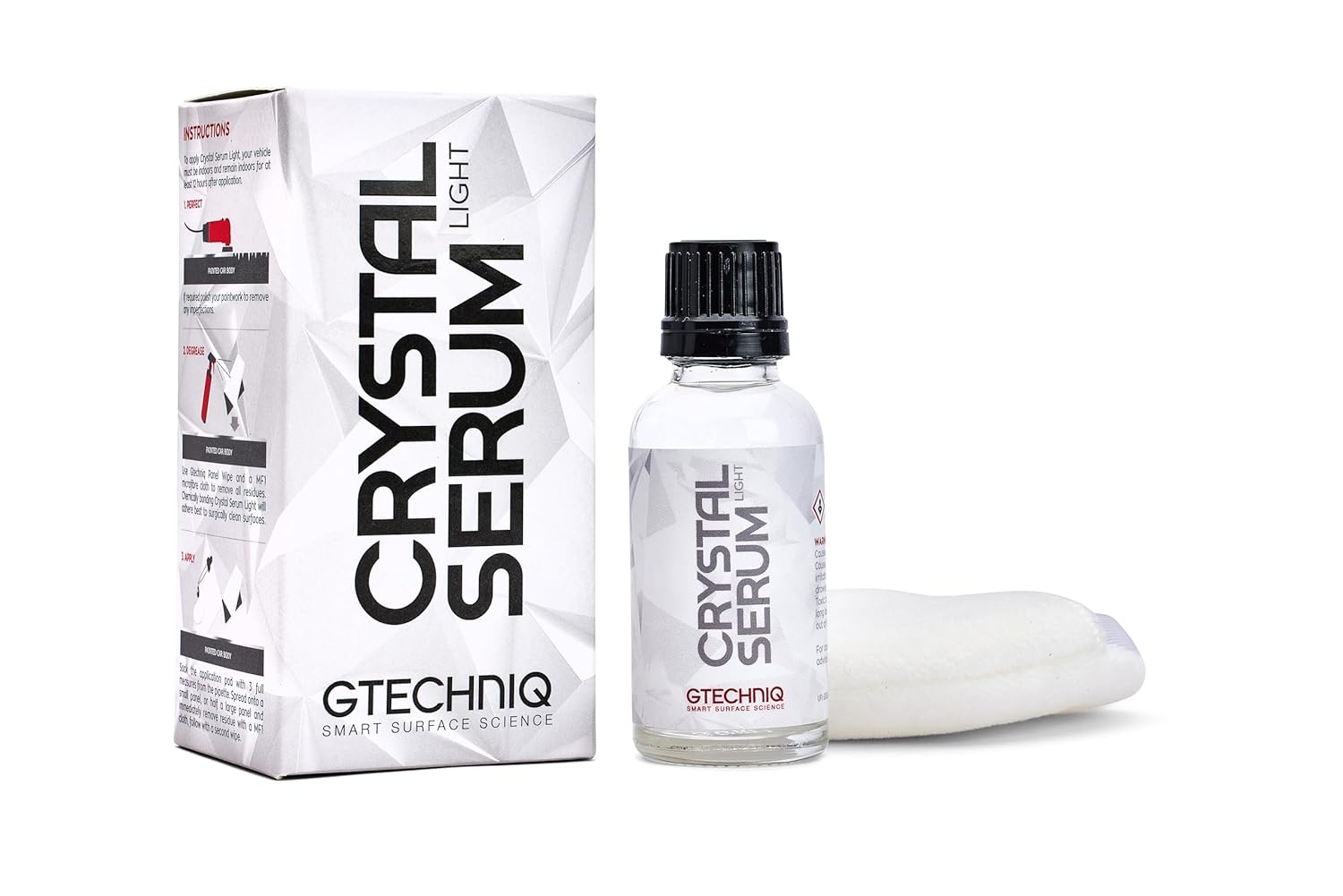 Gtechniq Crystal Serum Light
ceramic-coating
 Justice Brothers JB-80 Multi-Purpose Penetrating Lubricant
penetrating-oil
 Kroil Penetrant Original Aerosol
penetrating-oil
 Liquid Wrench L616 White Lithium GreaseProp 65
white-lithium-grease
 Liquid Wrench Penetrating OilProp 65
penetrating-oil
 Liquid Wrench Silicone Spray Lubricant (11 oz aerosol)Prop 65
silicone-spray
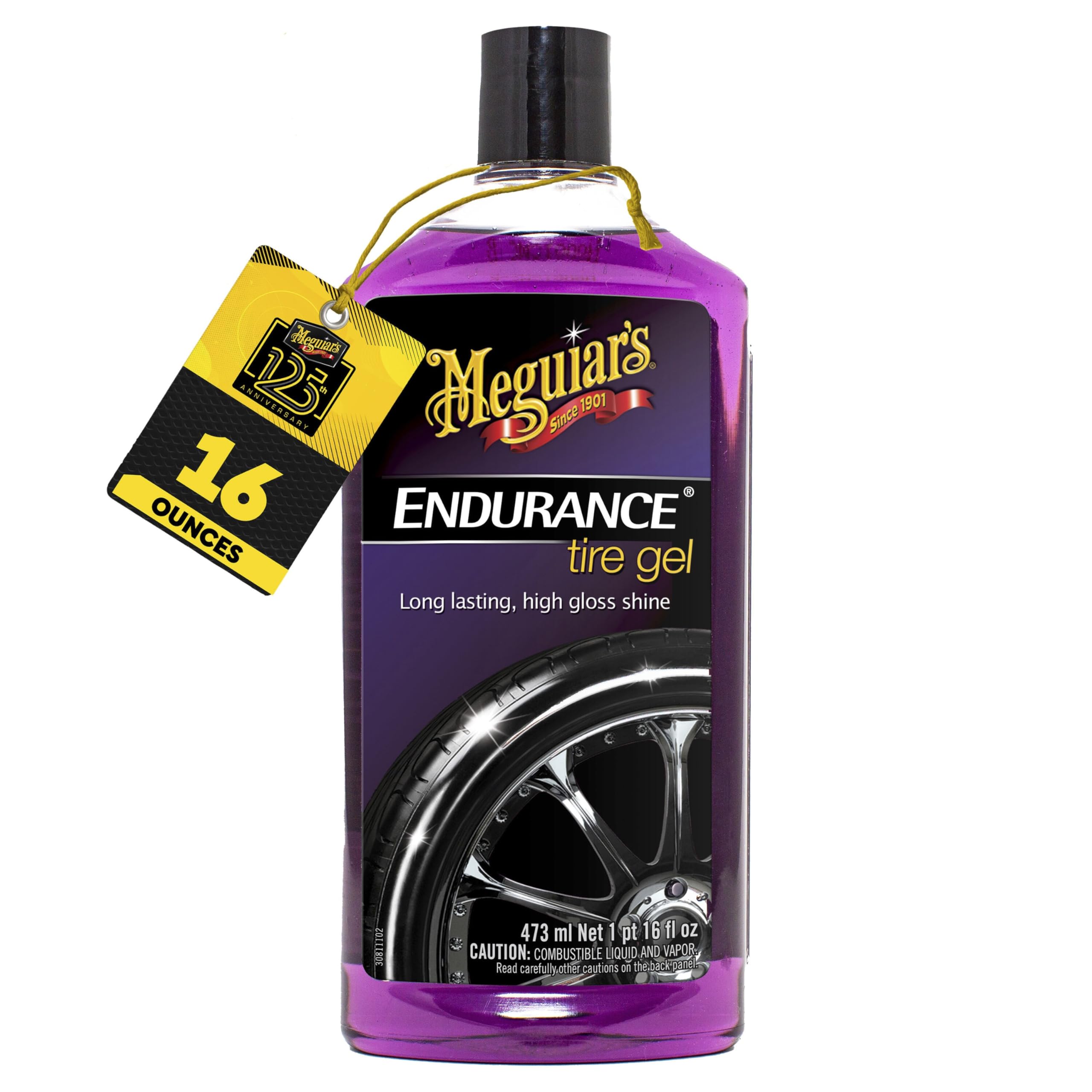 Meguiar's Endurance Tire GelProp 65
tire-dressing
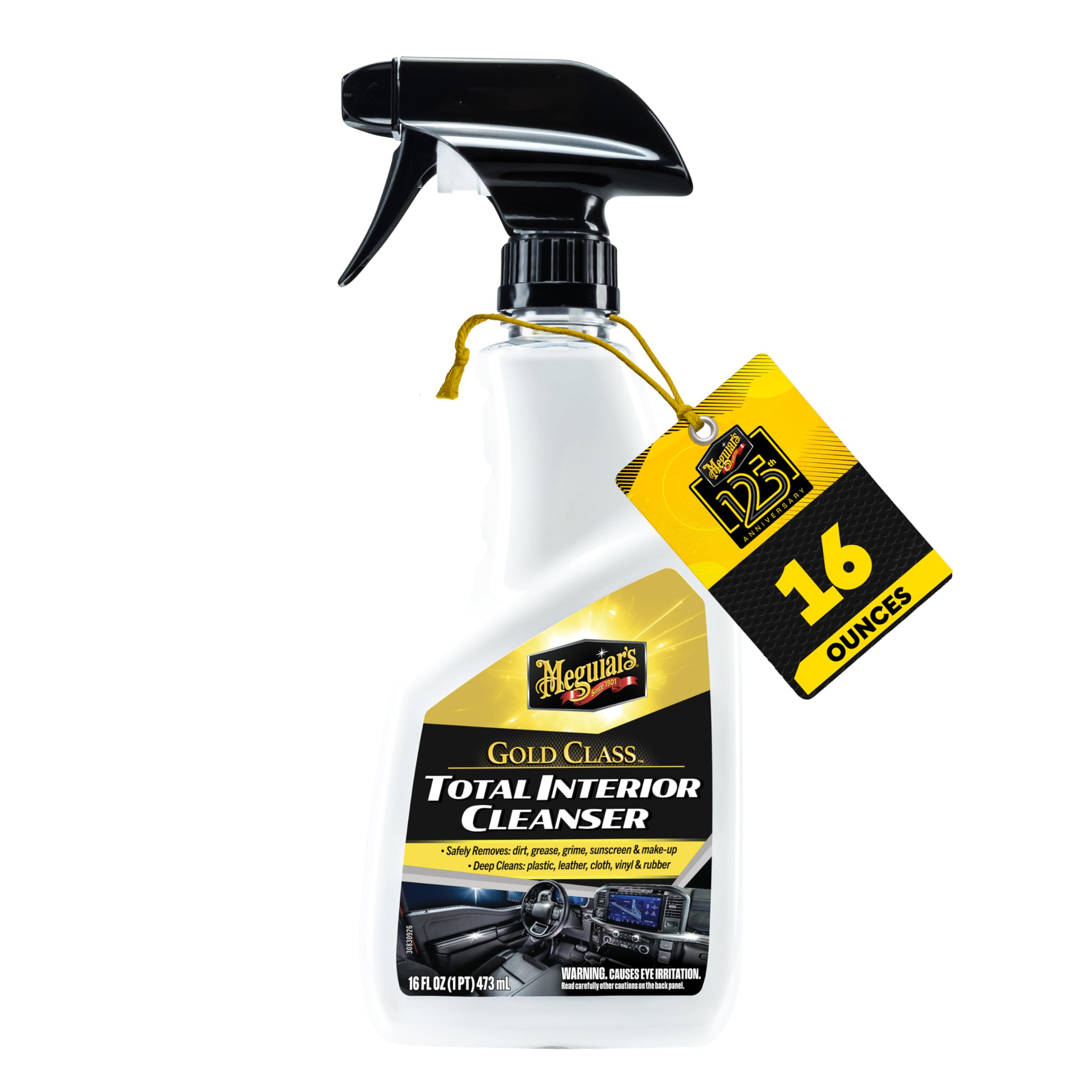 Meguiar's Gold Class Total Interior Cleanser
plastic-trim-cleaner
 Meguiar's Professional Cleaner Wax M06Prop 65
all-in-one-wax
 Meguiar's Professional So1o All-In-One M300
one-step-polish
 Meguiar's Ultimate Insane Shine Tire SprayProp 65
tire-dressing
 Mothers Back-to-Black High-Gloss Tire Shine
tire-dressing

 Prop 65
 Mothers Mag & Aluminum Polish
chrome-polish
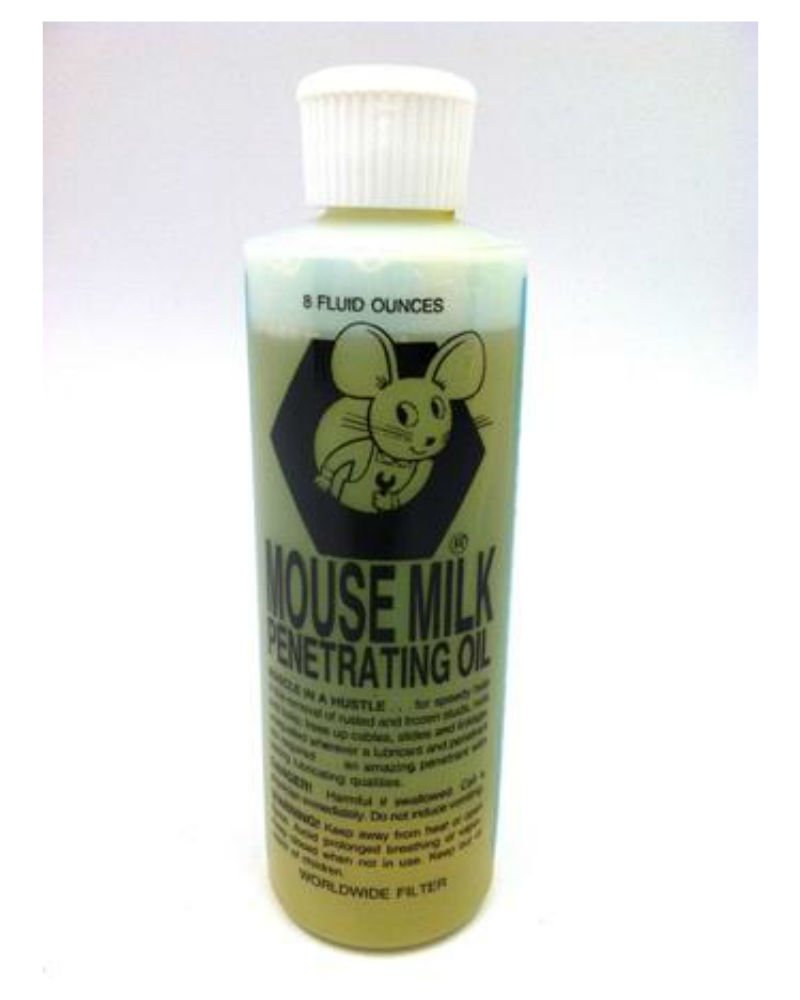 Mouse Milk Penetrating OilProp 65
penetrating-oil
 Nasiol ZR53 Nano Ceramic Coating
ceramic-coating
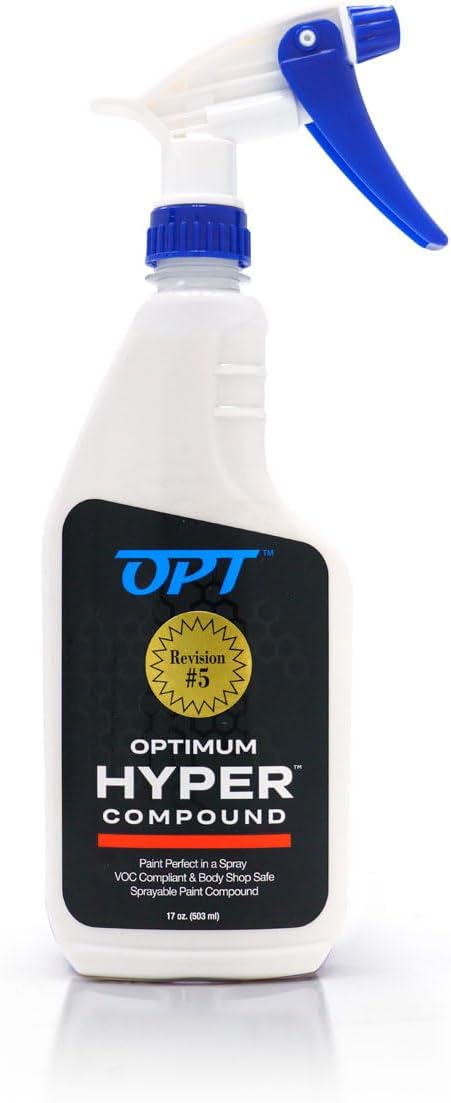 Optimum Hyper Compound
compound
 PB Blaster Penetrating CatalystProp 65
penetrating-oil

 Permatex 81981 White Lithium Grease, 11 oz. Aerosol CanProp 65
white-lithium-grease
 Royal Purple Maxfilm Synthetic Penetrating LubricantProp 65
penetrating-oil
 SONAX CC Pro Ceramic Coating KitProp 65
ceramic-coating
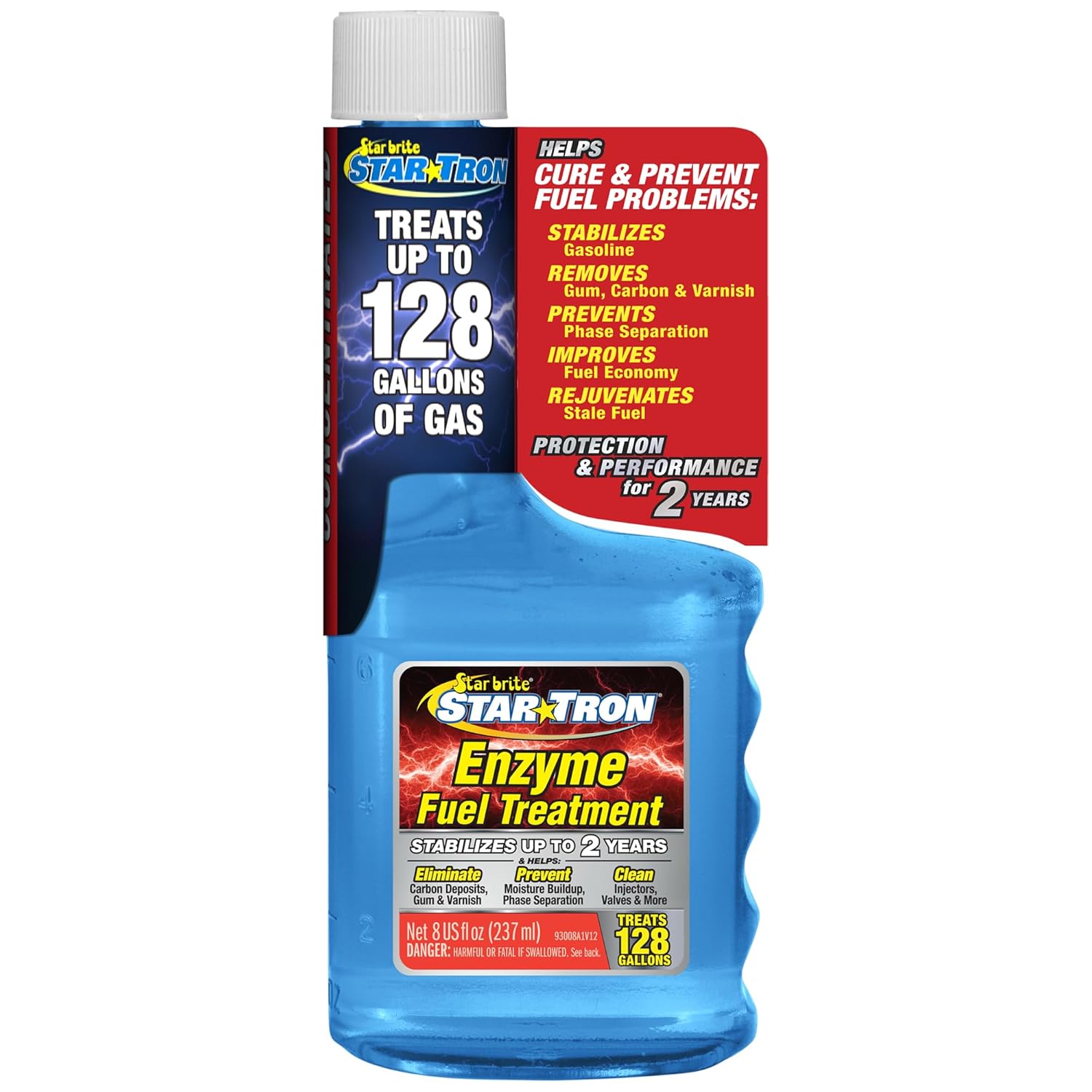 Star brite Star Tron Enzyme Fuel Treatment
fuel-stabilizer
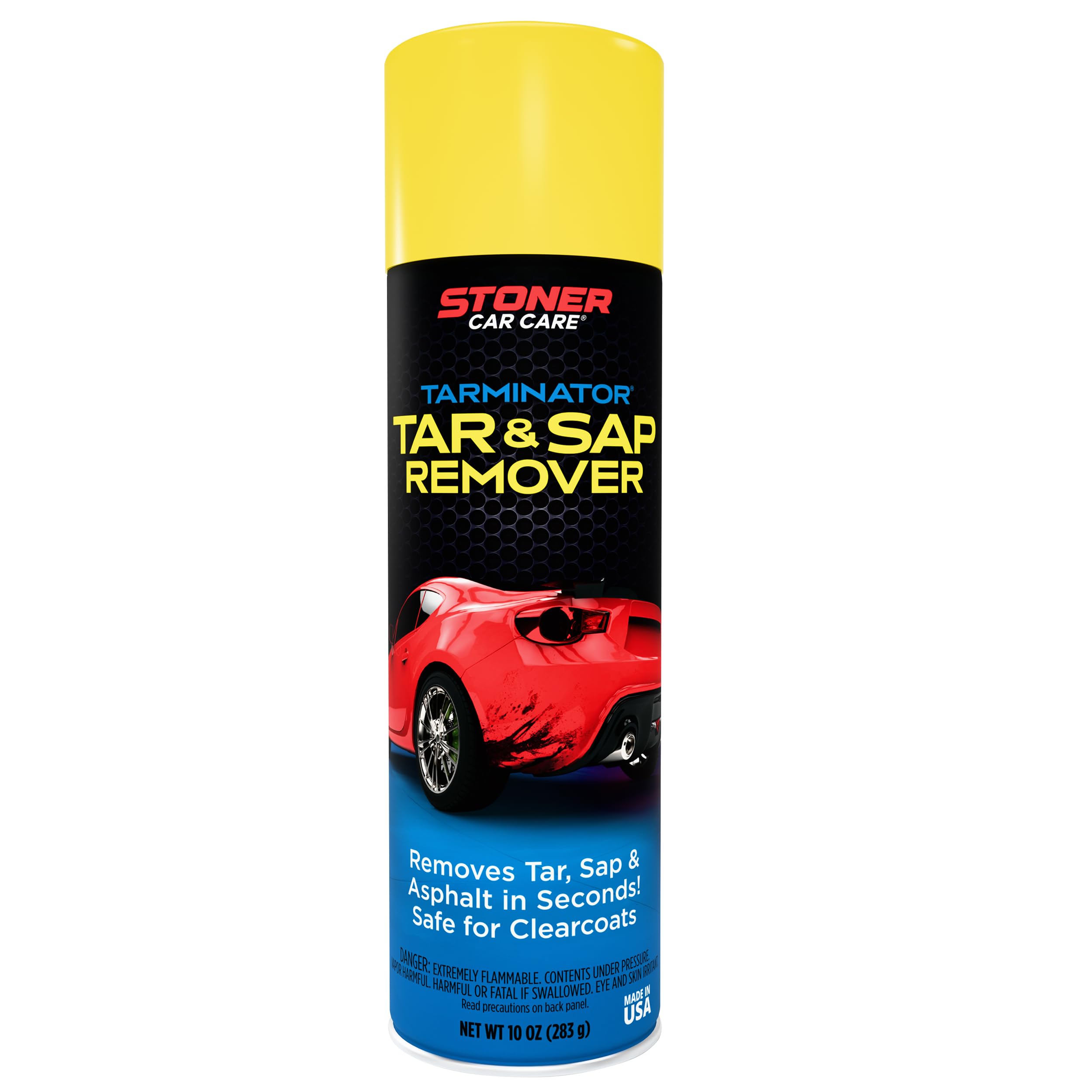 Stoner Tarminator Tar, Sap, and Asphalt RemoverProp 65
bug-tar-remover
 STP Ultra 5 in 1 Fuel System Cleaner
fuel-injector-cleaner
 Super Lube 31110 Multi-Purpose Synthetic Lubricant with Syncolon (PTFE)Prop 65
multi-purpose-lubricant
 Tri-Flow Superior Lubricant (Aerosol, 6 oz)Prop 65
multi-purpose-lubricant
 Turtle Wax 2-in-1 Headlight Cleaner and Sealant
headlight-restoration
 Turtle Wax Bug & Tar Remover (T-520A Trigger Spray)Prop 65
bug-tar-remover
 Turtle Wax Headlight Lens Restorer Kit (T-240KT)
headlight-restoration-kit
 Prop 65
 Turtle Wax Speed Headlight Lens Restorer Kit (53435)
headlight-restoration-kit
 Prop 65
 Valvoline Pyroil Penetrating Oil
penetrating-oil
 WD-40 Multi-Use Product (11 oz Smart Straw aerosol)
multi-purpose-lubricant
 WD-40 Specialist Penetrant
penetrating-oil
 WD-40 Specialist Water Resistant Silicone Lubricant
silicone-spray
 WD-40 Specialist White Lithium Grease Spray, 10 OZ
white-lithium-grease
Related
Health and environment notes translate the manufacturer Safety Data Sheet, the GHS classification, and authoritative regulatory listings (California Prop 65, EPA). Not medical advice. They describe the ingredient itself; whether a hazard applies to a finished product depends on its concentration and how it's used.