CarCareTruth Score
Decent, but it's tough on the environment.
Opens Amazon in a new tab. No account needed to look.
Saved to your guest loadout. Sign up to also save to your Cabinet (consumables) or Kit (tools you own).
As an Amazon Associate I earn from qualifying purchases. Full disclosure
Prices may varyThe manufacturer's Safety Data Sheet classifies this product with one or more GHS Category 1 health hazards — the most severe tier. The hazard statements in quotes below are the verbatim GHS language from the SDS, as required by OSHA's Hazard Communication Standard. The line under each statement translates the GHS classification into plain language.
GHS Category 1 aspiration toxicity — thin, oily liquids can slip into the lungs if swallowed, causing chemical pneumonia.
If swallowed:
The aspiration hazard (H304) is about the liquid being swallowed and reaching the airway, not about breathing fumes during normal use.
Call Poison Control immediately at 1-800-222-1222 (US, 24/7, free) and have the product container with you. Poison Control's standing guidance is to not induce vomiting after chemical exposure; they will direct first-aid steps based on the specific product.
About this product's hazards. This product's Safety Data Sheet uses signal word DANGER.Read the manufacturer's SDS and follow all safety instructions before use. CarCareTruth ratings translate the manufacturer's safety sheet. They do not replace the SDS or substitute for a hazard assessment specific to your task.
Health score is for adult use as intended, per the manufacturer's SDS. It does not model child ingestion, accidental spill cleanup, or off-label use. See the safety panel below for full hazard classification, and /disclaimer for the full editorial scope.
GHS hazard codes are quoted from the manufacturer’s Safety Data Sheet. PPE tiers below translate those codes and the listed ingredient chemistry; they are not CarCareTruth recommendations.
Show details for all categories ▾Hide details ▴
Translated from the manufacturer’s Safety Data Sheet, Section 8
SDS Section 8 recommends safety glasses or goggles for normal use. Section 2 carries no eye-hazard GHS code (no H318/H319), but Section 4 documents real eye-irritation symptoms on contact (discomfort, excess blinking and tearing, redness and swelling), consistent with the §8 guidance.
CarCareTruth publishes the cited sources verbatim and does not advise what action a user should take. Consult the full SDS before use.
Translated from the manufacturer’s Safety Data Sheet, Section 2
H317 (Skin Sensitizer Cat 1) in SDS §2 mixture classification. Nitrile gloves required for every application.
U.S. regulatory standard
29 CFR 1910.138(a); 1910.132(d)
“appropriate hand protection when employees' hands are exposed to hazards such as those from skin absorption of harmful substances.”
OSHA standards apply to workplaces. Cited here as the U.S. reference threshold for the underlying hazard class.
CarCareTruth publishes the cited sources verbatim and does not advise what action a user should take. Consult the full SDS before use.
Only when: in enclosed space · prolonged use
Translated from the manufacturer’s Safety Data Sheet, Section 8
No inhalation H-code in SDS §2. SDS §8 states respiratory protection is 'none required for normal use,' with a respirator called for only in case of insufficient ventilation. Petroleum-distillate solvent at 60-100% in an enclosed space warrants ventilation · outdoor or open-garage use eliminates this concern.
U.S. regulatory standard
29 CFR 1910.1200(f); 1910.132(d)
“The employer shall assess the workplace to determine if hazards are present, or are likely to be present, which necessitate the use of personal protective equipment.”
OSHA standards apply to workplaces. Cited here as the U.S. reference threshold for the underlying hazard class.
CarCareTruth publishes the cited sources verbatim and does not advise what action a user should take. Consult the full SDS before use.
No PPE specified in published sources for ventilation. Absence does not imply “not needed” — consult the full Safety Data Sheet.
PPE tiers translate the manufacturer’s SDS and U.S. regulatory standards. Not professional safety advice. How we report safety.
Scope of these PPE tiers. The tiers on this page translate the product's Safety Data Sheet where one is published, plus its ingredient chemistry, into a comparable rating. They describe a formulation, not a situation: a tier is not a safety determination for any specific user, task, quantity, or environment. The manufacturer's label and use instructions govern how the product is handled. Where the product is used at work, the employer's PPE program and hazard assessment under 29 CFR 1910.132 decide what protection is selected, not this page.
No warranties. CarCareTruth makes no warranties, express or implied, and expressly disclaims the implied warranties of merchantability and fitness for a particular purpose.
This product ranks #6 of 9 in Bug & Tar Remover.Three above it ↓
Last reviewed June 12, 2026
TL;DR Goo Gone Automotive cuts through tar, sticker adhesive, and baked-on bug protein with a cling gel that holds on vertical panels during dwell · but the DANGER signal word is real. The SDS classifies this as an aspiration hazard and a skin sensitizer, and the formula contains an asthmagen. Wear nitrile gloves every time.
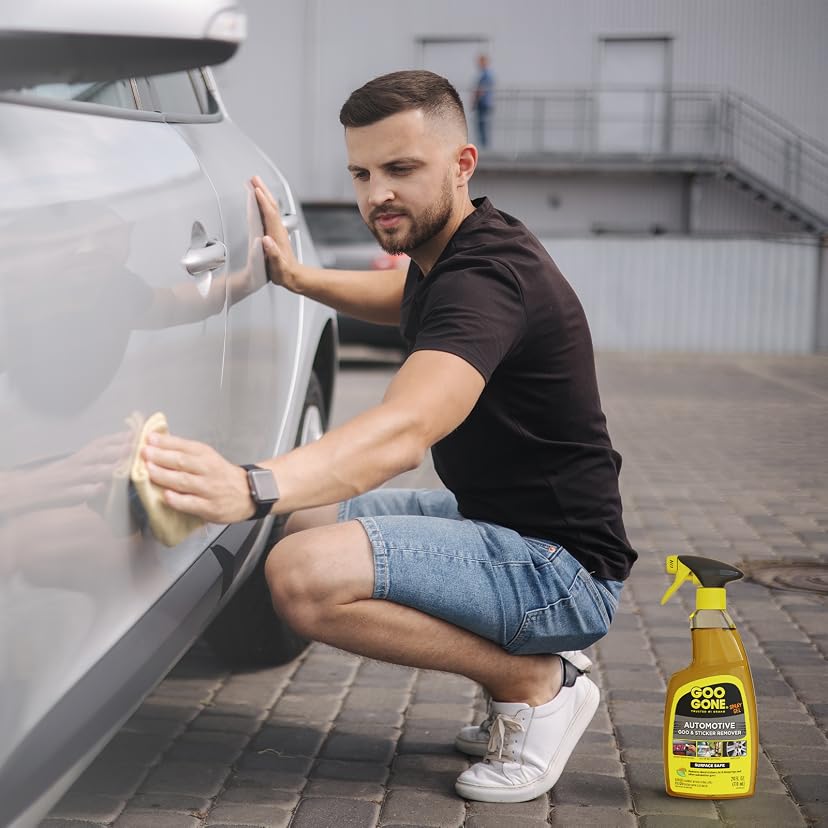
Spray on, dwell 30-60 seconds, wipe with a microfiber, follow up with a soap wash to clear the oily film. The gel format clings to vertical surfaces, which makes it practical on bumpers and rockers. Well-reviewed by a large owner base on Amazon, community evidence is strong: effective on tar, sticker residue, road film, and badge adhesive. The follow-up wash is an expected workflow step, not a defect. Quality score: 7.2.
Buy it for occasional tar removal, adhesive cleanup, or post-highway bug runs · proven RTU spray, no dilution. Skip it if you want contamination removal built into a regular wash routine; an aqueous wash concentrate handles fresh bugs and tar without DANGER-level chemistry or a mandatory follow-up wash.
DANGER signal word: SDS §2 lists an aspiration hazard (do not induce vomiting if ingested · seek medical attention) and a skin sensitizer (Cat 1). The formula also contains an asthmagen ingredient. Gloves are required; use outdoors or with adequate ventilation in enclosed spaces. SDS §2 has no eye-hazard classification (no H319, H318), but SDS §8 recommends safety glasses or goggles for normal use and Section 4 documents real eye-irritation symptoms on contact · wear eye protection. On environment: drain-destined, aquatically toxic ingredients, not biodegradable. Environment score: 3.9 (Notable Concerns). SDS on file dates to May 2014; classification may not fully reflect the current formula.
Community on r/AutoDetailing confirms it is safe on cured factory clear coat at the labeled dwell time. Users with ceramic coatings report no damage when keeping dwell short (30-60 seconds) and rinsing promptly. Avoid extended dwell on rubber seals and plastic trim · the petroleum-distillate carrier can dehydrate rubber with prolonged contact.
The DANGER signal word is driven by two SDS classifications: H304 (aspiration hazard · the formula can cause lung damage if swallowed and aspirated) and H317 (skin sensitizer Category 1). H304 is common in petroleum-distillate formulas above a viscosity threshold. The practical implication: wear nitrile gloves, do not swallow, and seek medical attention immediately if ingested.
Yes. The petroleum-distillate gel leaves an oily film that needs a soap-and-water wash to clear. Community consistently documents this as an expected workflow step: spray, dwell, wipe, then follow up with a normal wash pass. It is not a rinse-only product.
Stoner Tarminator is an aerosol cling-foam that delivers faster vertical-surface dwell on baked-on tar but carries a more serious health profile (H332 inhalation, H351 suspected carcinogen Cat 2, Prop 65). Goo Gone Automotive is a pump-spray gel · no aerosol VOC blast, no inhalation H-code, no Prop 65 · making it the lower-chemistry option when removal speed is not critical.
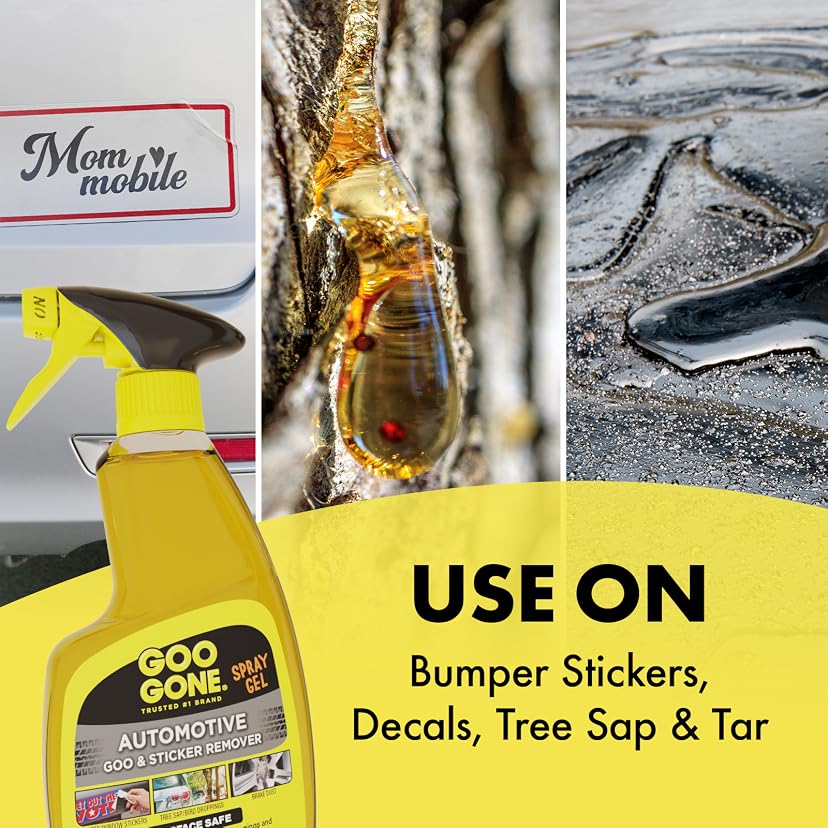
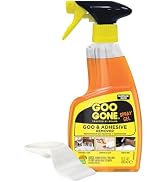
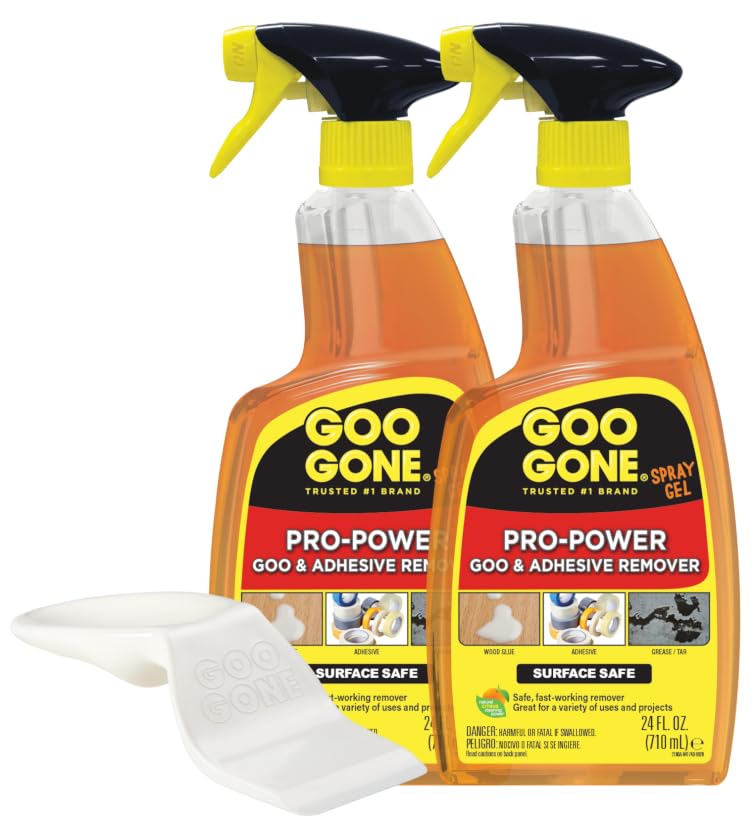
Marketing copy from Goo Gone, via Amazon. Not editorial.
Weekly pick
One product, one safety verdict, every week. No spam.




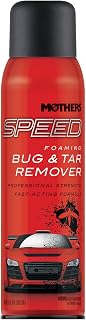
Mothers
Speed Foaming Bug & Tar Remover
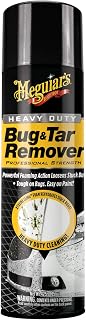
Meguiar's
Heavy Duty Bug & Tar Remover (G180515, 15 oz Aerosol)
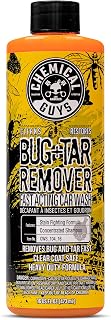
Chemical Guys
Bug and Tar Heavy Duty Car Wash (CWS104)
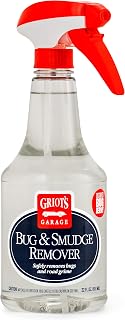
Griot's Garage
Bug & Smudge Remover
As an Amazon Associate I earn from qualifying purchases. Full disclosure

Community
0 postsShare how you use this product
Drop a quick comment or post a full review with photos and a star rating.
Sign in to postNew here? Create a free account.