
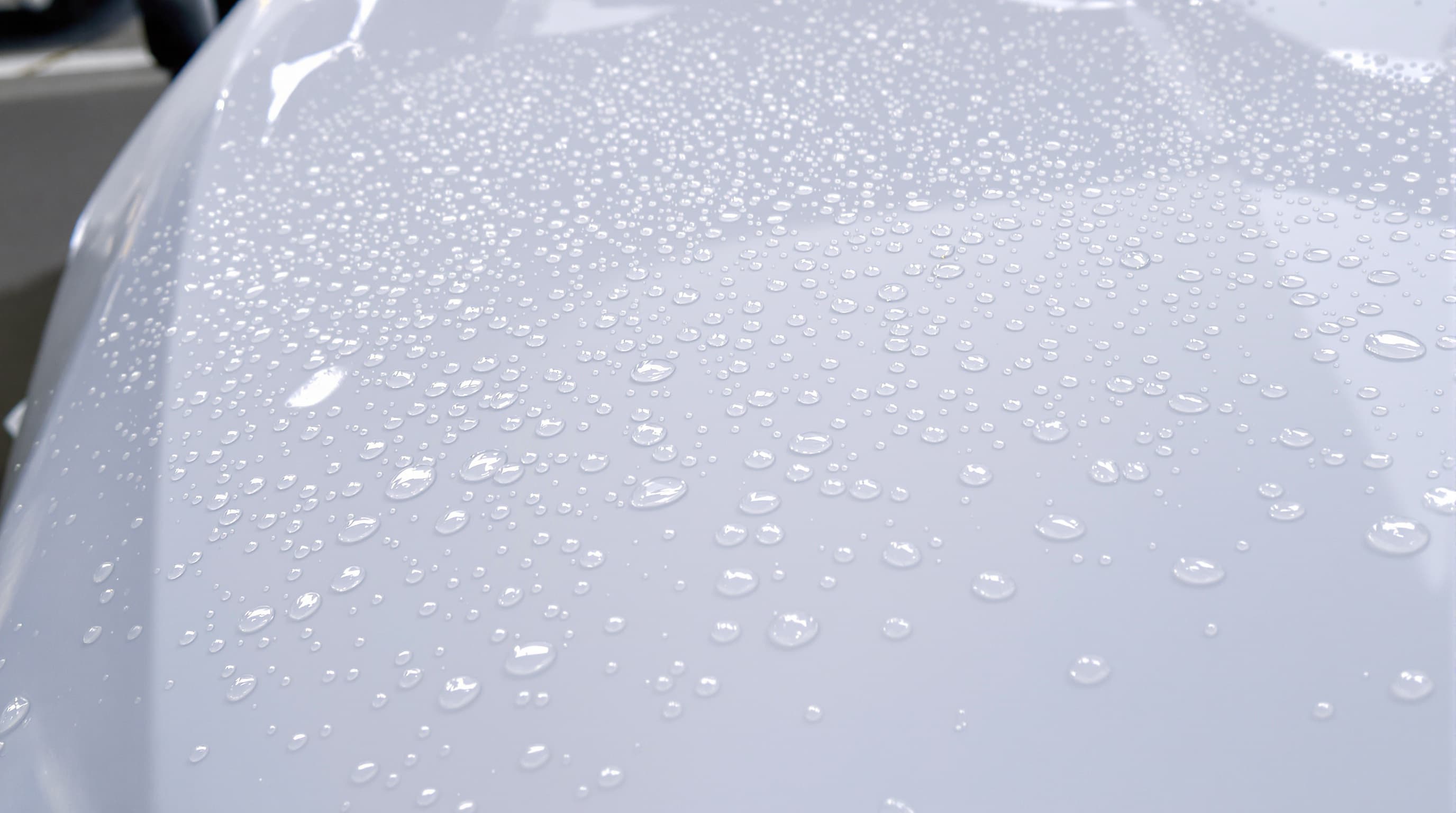
Best Ceramic Coating for Cars (2026): Scored and Ranked
We score every ceramic coating we can verify, for performance and ingredient safety. These are the 10 best of 30 in our catalog.
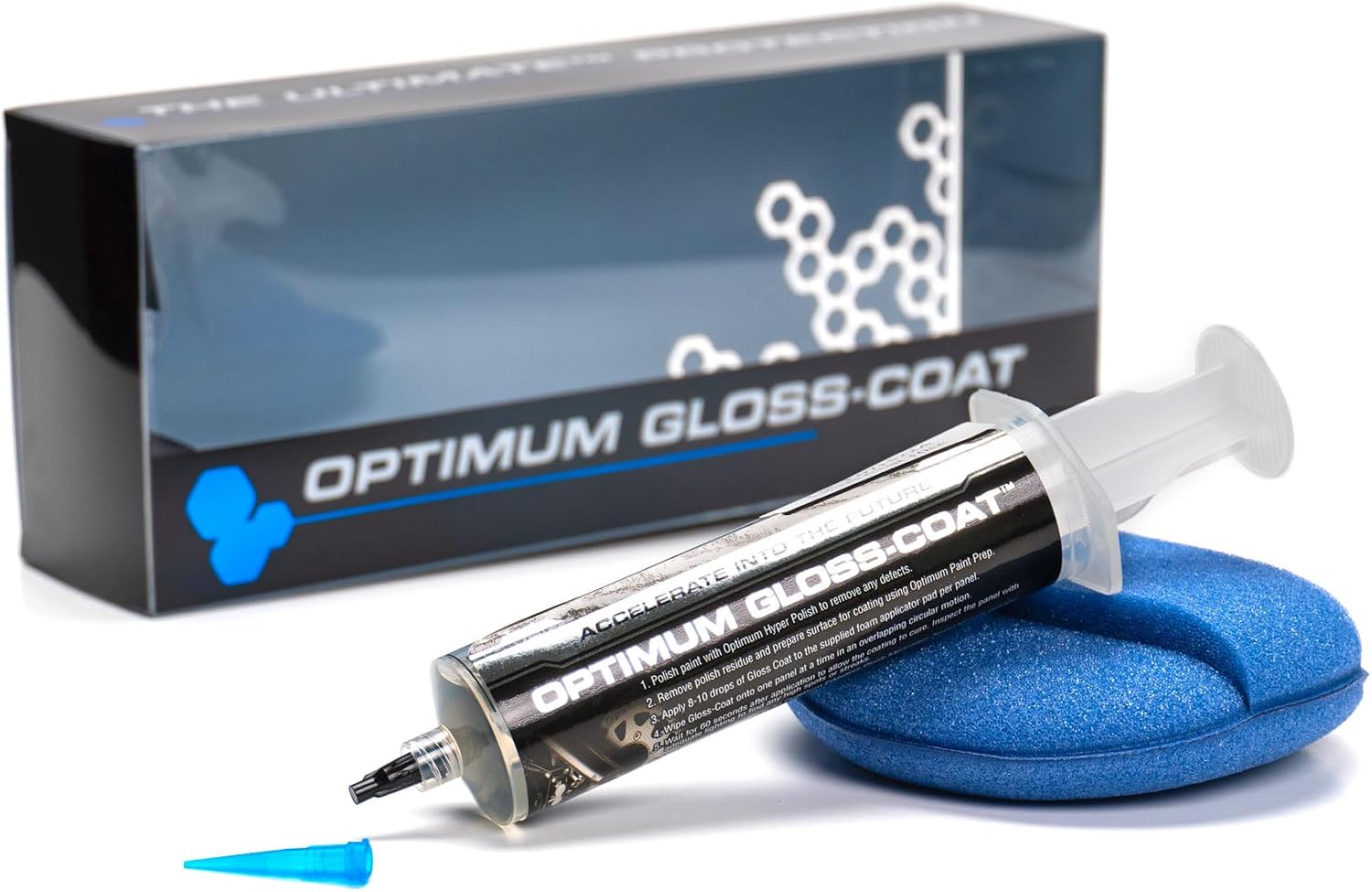
CarCareTruth scored 30 ceramic coatings for 2026, and Optimum Gloss-Coat ranks first: it tops the category on score and is the cleanest-handling real coating, with only a WARNING signal word and a forgiving 30-minute flash window that beginners can actually hit. If you want the easiest possible DIY, HydroSilex Recharge is a spray-and-wipe, water-based alternative with no GHS signal word, trading raw durability for simplicity. Be honest with yourself first: a ceramic coating is a higher-effort, prep-heavy purchase, and the prep work, not the bottle, decides whether it lasts.
Affiliate disclosure: CarCareTruth is reader-supported. As an Amazon Associate I earn from qualifying purchases. We may also earn commissions from other retailers linked on this page, at no extra cost to you. Affiliate revenue never influences our scores or rankings. Full disclosure
Best of Ceramic Coating
Optimum Gloss-Coat
The Full Ranking
| Rank | Product | CCTCCT Score | HealthHealth & Safety | Price tier | Buy |
|---|---|---|---|---|---|
1 | Gloss-CoatOptimumBest Overall | 6.8/10 | 6.0/10 | Check Price | |
2 | Cquartz UK 3.0CarProBest Value Prop 65 | 6.5/10 | 5.0/10 | Check Price | |
3 | Crystal Serum LightGtechniqLongest-Lasting / Pro-Grade | 6.3/10 | 5.0/10 | Check Price | |
4 | Q2 Mohs EVOGyeon | 6.2/10 | 4.0/10 | Check Price | |
5 | Advanced Graphene Ceramic CoatingAdam's PolishesBest Graphene Prop 65 | 6.1/10 | 4.0/10 | Check Price | |
6 | UV Graphene Ceramic CoatingAdam's Polishes Prop 65 | 6.0/10 | 4.0/10 | Check Price | |
7 | Ultimate Ceramic Coating KitMeguiar's | 6.0/10 | 7.0/10 | Check Price | |
8 | Ceramic Coating 8-YearCLEAN. by Pan The Organizer | 5.8/10 | 4.0/10 | Check Price | |
9 | ZR53 Nano Ceramic CoatingNasiol | 5.8/10 | 5.0/10 | Check Price | |
10 | Armor Shield IX MAXAvalonKing No SDS | 5.7/10 | 5.0/10 | Check Price | |
Editorial pick, unranked | Recharge Ceramic CoatingHydroSilexBest for Beginners | 7.4/10 | 9.0/10 | Check Price |
Why each pick earned its spot
Best Overall: Optimum Gloss-Coat
Optimum Gloss-Coat tops our ceramic-coating score and is the cleanest-handling real coating in the set, with a beginner-accessible 30-minute flash window, community-confirmed 2 to 3 year durability, and only a WARNING signal word on its SDS.
Best for Beginners: HydroSilex Recharge Ceramic Coating
HydroSilex Recharge is the easiest and cleanest coating to apply, a water-based spray-and-wipe SiO2 product with no GHS signal word at all, trading a shorter 3 to 4 month durability for the simplest application here.
Best Value: CarPro Cquartz UK 3.0
CarPro CQuartz UK 3.0 is the best durability-per-dollar real coating in the set: it ranks second overall on our score with community-confirmed 2 to 4 year durability, well under what pro-grade coatings cost. Its SDS is DANGER-rated petroleum-naphtha chemistry, so glove up and ventilate the space.
Best Graphene: Adam's Polishes Advanced Graphene Ceramic Coating
Adam's Polishes Advanced Graphene Ceramic Coating is the only graphene coating in our set, with community-confirmed 3 to 5 year durability, but its SDS is DANGER-rated and carries a Prop 65 suspected-carcinogen carrier, so glove up and ventilate the space.
Longest-Lasting / Pro-Grade: Gtechniq Crystal Serum Light
Gtechniq Crystal Serum Light is the enthusiast and installer favorite for 2 to 3 year plus durability, but its SDS is DANGER-rated solvent chemistry, so ventilate the space and glove up.
Full ranked catalog — including picks 11+, out-of-stock options, and the ones we couldn’t crown.
How we rank
Every ceramic coatingin our catalog runs through the same scoring rubric: measured effectiveness, ingredient-safety data translated from each product’s SDS, and environmental impact. We don’t take placement fees, and affiliate links never move a product up the list.
A ceramic coating is an SiO2 (silica) polymer that chemically bonds to your clear coat and cures into a hard, hydrophobic layer, which is what separates it from a sealant or wax that simply sits on top and washes away in weeks or months. That bond is the appeal, and it is also the trap, because the coating locks in whatever it is applied over. Prep is roughly 80 percent of the result: wash, decontaminate, clay, polish out the swirls, then do an IPA panel wipe so the surface is truly bare before you coat. Skip that and you cure your swirl marks in place for years. Be honest about durability too. A DIY coating realistically holds 1 to 3 years, not the 9H or 10-year marketing, and 9H is pencil hardness, not impact resistance, so it resists fine marring but will not stop rock chips. DIY saves money but risks high spots if the coating flashes before you level it; a pro charges more but controls the prep. Graphene coatings are real, with modest water-spot and heat claims that are formulation-dependent, and since "graphene" is often a marketing pinch, read the SDS rather than the label. The same SiO2-sealing logic shows up on cloudy headlights, where a restoration kit that finishes with its own ceramic or UV seal buys the lens the durability a bare polish cannot. On health, these carry flammable solvent carriers and skin and eye irritants, translated from each SDS, not a CCT safety call; the flammability is a handling note, while the real health story is irritation, sensitizers, and narcotic-vapor exposure. How we score: CCT grades each coating on real-world performance AND on health translated straight from its SDS, never marketing copy.
Related guides
Frequently Asked Questions
What is the best ceramic coating for cars?
The best ceramic coating overall is Optimum Gloss-Coat, which tops our category score and is the cleanest-handling real coating, with a forgiving 30-minute flash window that beginners can actually work within. If you have never applied a coating and want the lowest-stress option, HydroSilex Recharge is a water-based spray-and-wipe with no GHS signal word, though it lasts months rather than years. The right pick comes down to how much prep effort and durability you want versus how forgiving the application needs to be.
How long does ceramic coating really last?
Honestly, a DIY ceramic coating realistically lasts 1 to 3 years, not the 5 to 10 years the bottle advertises, and spray or hybrid coatings last more like 3 to 12 months. The marketing numbers come from perfect lab conditions and flawless prep, neither of which most home applications match. What actually decides longevity is your prep and your maintenance: a properly washed, decontaminated, and polished surface holds a coating far longer than a rushed one, and gentle maintenance washes keep it alive.
Is ceramic coating worth it, and should I DIY or go professional?
DIY is worth it if you enjoy the work and accept the risk: a kit costs a fraction of a professional install plus your labor, but a rushed application leaves high spots that are hard to remove once cured. A professional install costs several times that and buys you flawless prep and a controlled environment, which is most of the value. Either way, prep is about 80 percent of the result, so the honest question is whether you will do the wash, decon, clay, and polish work yourself or pay someone to.
What's the difference between a ceramic coating, a ceramic spray, and a sealant?
A true ceramic coating cures in place into a hard SiO2 layer chemically bonded to the clear coat and protects for years. A ceramic spray or hybrid is a topper that wipes on and lasts months, not years. A sealant is a synthetic polymer that also sits on top and lasts months. The simplest tell is the cure window: if a product has no cure or flash time and you just spray and wipe, it is a topper, not a coating, no matter what the label says.
Does ceramic coating prevent scratches?
No, that is the biggest myth about coatings. The 9H rating is pencil hardness, a scratch-resistance scale for coatings, not impact protection, so a coating will not stop rock chips or deep scratches. It does resist fine marring and makes washing safer, which reduces swirls over time. The critical catch: a coating locks in whatever is underneath it, so polish out existing swirls and scratches before you coat, or you seal them in for years.
Is ceramic coating safe to apply at home?
Translated from the SDS, most ceramic coatings carry flammable IPA or solvent carriers and skin and eye irritants, so the chemistry calls for ventilating the space, nitrile gloves, and eye protection. The flammability is a handling note: keep it away from open flame and ventilate, which is not the same as a health hazard. For a wipe-on coating in a ventilated garage a respirator is situational, not required, but a spray-applied coating is different because it aerosolizes the chemistry into the air you breathe. This is a translation of each product's SDS, not a CCT safety recommendation.
Can you ceramic coat a Tesla?
Yes, and the process is the same as any modern clear coat: wash, decontaminate, and polish first, then apply the coating to bare, corrected paint. The one Tesla-specific catch is that Tesla factory paint is known to be thin and soft, so it swirls easily and shows marring fast, which makes correcting the paint before you coat more important, not less. Coat over fresh swirls and you lock them in for the life of the coating. Any of our top picks works on a Tesla; a forgiving option like Optimum Gloss-Coat suits a first-timer working on soft paint.
How do I protect a new car's paint?
The honest ladder is wax for weeks, sealant for months, and a ceramic coating or paint protection film for years. On a brand-new car the paint is already clean and undamaged, which is the ideal moment to coat because you skip most of the correction work. Wash and decontaminate first even on a new car, since factory transport leaves rail dust and fallout in the clear coat, then apply a coating or sealant. If your main worry is rock chips rather than swirls and water spots, that is a job for paint protection film, not a coating, because a coating resists marring but does not stop impacts.
How much does it cost to ceramic coat a car?
A DIY kit is the budget route, costing a small fraction of a professional install plus your own labor and prep time. A professional install costs several times more depending on the coating tier, how many correction stages your paint needs, and vehicle size. Most of the professional cost is prep and a controlled environment, not the bottle itself, which is why a rushed DIY job on unprepped paint is where the money gets wasted.
What is 9H hardness on a ceramic coating?
9H is a pencil-hardness rating, the hardest grade on that particular scratch-resistance scale, and it is often marketed as if it meant impact protection. It does not. A 9H coating resists fine marring and makes washing safer, but it will not stop rock chips or a key scratch. Treat 9H as "harder to swirl," not "scratch-proof."
How long does ceramic coating take to cure?
Most coatings flash off within minutes and are dry to the touch within a few hours, but the full chemical cure takes about 7 days as the coating crosslinks and hardens. The critical window is the first 24 to 48 hours, when you want to keep the car completely dry and out of the rain so water doesn't disturb the uncured layer. After that most coatings tolerate light water, but hold off on washing for the full 7 days so it can harden all the way. Flash and cure times vary by formula, so always follow the specific product's cure card.
#1 · Gloss-Coat
6.8/10 CCT