
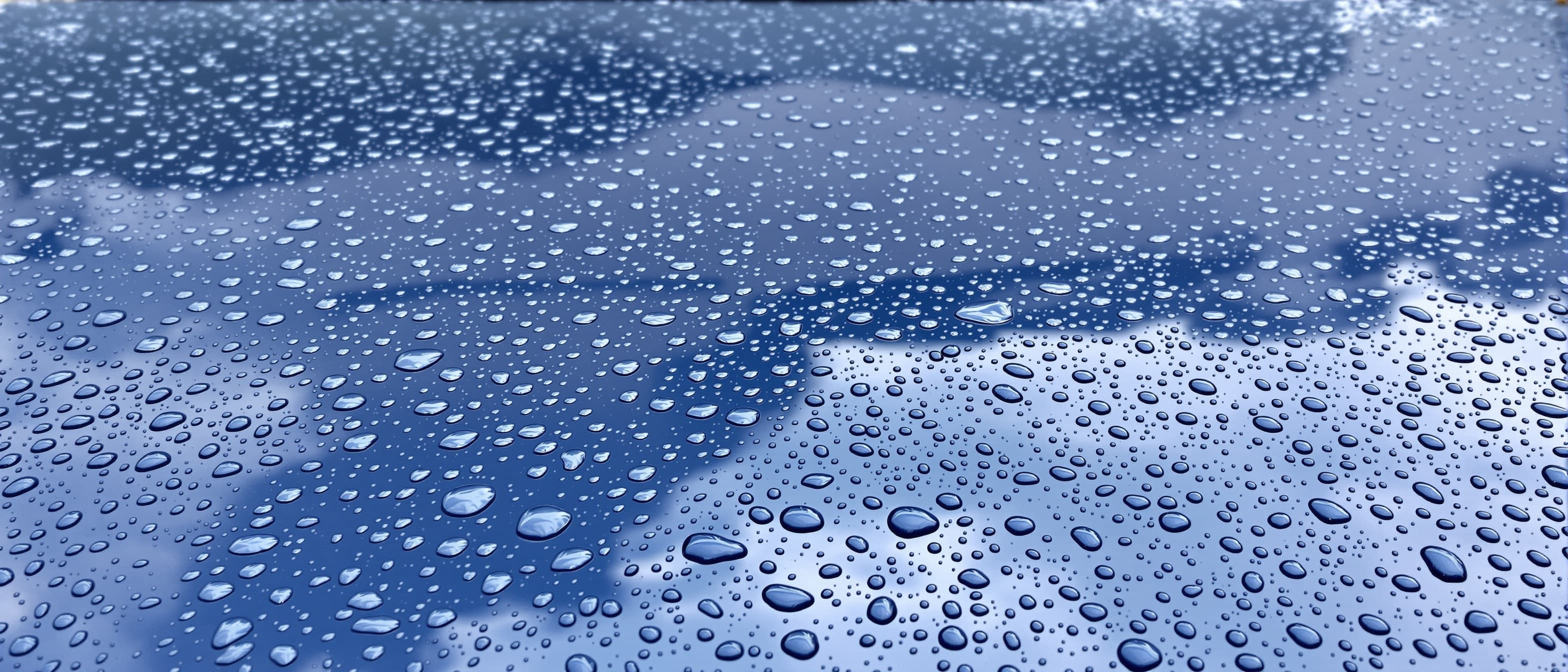
Best Ceramic Spray Coating of 2026: 32 Scored, Top 9 Ranked
We score every ceramic spray we can verify, for performance and ingredient safety. These are the 9 best of 32 in our catalog.
CarCareTruth scored 32 ceramic hybrid sprays for 2026, and Meguiar's Hybrid Ceramic Wax ranks first: it lays down months of real water-beading from a dead-simple rinse-and-wipe, with one of the cleanest health profiles in the category. We grade every spray on how it actually performs and on what its SDS says you're breathing, not on the label's marketing. If you want the easiest application that won't streak in the sun, Jimbo's Tough As Shell is the pick; if you want the cleanest chemistry on the shelf, Cerakote Platinum wins that.
Affiliate disclosure: CarCareTruth is reader-supported. As an Amazon Associate I earn from qualifying purchases. We may also earn commissions from other retailers linked on this page, at no extra cost to you. Affiliate revenue never influences our scores or rankings. Full disclosure
Best of Ceramic Spray
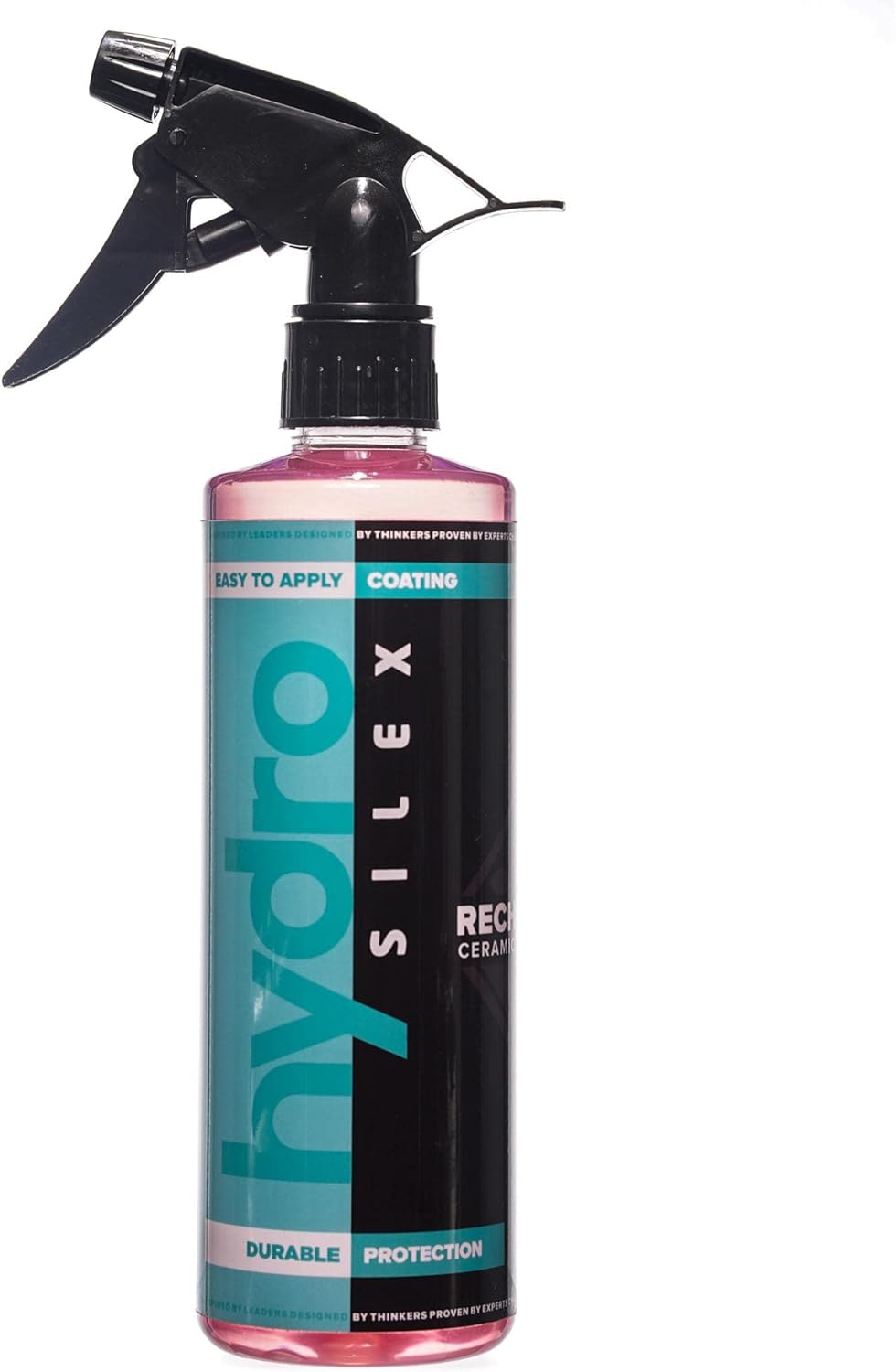
HydroSilex Recharge Ceramic Coating
CARB-compliant
The Full Ranking
| Rank | Product | CCTCCT Score | HealthHealth & Safety | Price tier | Buy |
|---|---|---|---|---|---|
1Best Overall | Recharge Ceramic CoatingHydroSilex | 7.4/10 | 9.0/10 | Check Price | |
2 | Tough As Shell Ceramic SprayJimbo's DetailingEasiest to Apply | 7.1/10 | 8.7/10 | Check Price | |
3 | BrilliantShine DetailerSONAX Prop 65 | 7.1/10 | 7.5/10 | Check Price | |
4 | Platinum Rapid Ceramic Paint Sealant SprayCerakoteSafest Chemistry | 7.1/10 | 9.0/10 | Check Price | |
5 | HydroBlitz Hybrid Ceramic Spray WaxChemical GuysBest Everyday Value Prop 65 | 6.9/10 | 8.8/10 | Check Price | |
6 | Hybrid Solutions Pure Bead Advanced Car Coating SprayTurtle WaxBest Beading Prop 65 | 6.9/10 | 8.0/10 | Check Price | |
7 | Hybrid Solutions Ceramic Spray CoatingTurtle WaxBest for Daily Drivers | 6.9/10 | 7.0/10 | Check Price | |
8 | Ultra Ceramic SealOptimum | 6.6/10 | 6.0/10 | Check Price | |
9 | HydroSlick Intense Gloss SiO2 Ceramic Coating HyperWaxChemical Guys — | 6.5/10 | 7.2/10 | — | Check Price |
Editorial pick, unranked | Hybrid Ceramic WaxMeguiar'sBest Overall Prop 65 | 6.5/10 | 5.2/10 | Check Price |
Why each pick earned its spot
Best Overall: Meguiar's Hybrid Ceramic Wax
Meguiar's Hybrid Ceramic Wax earns our highest ceramic-spray score. You spray it onto a wet car during the rinse and dry it off, with no buffing and almost no way to leave streaks, and real owners see beading hold for three to four months.
Easiest to Apply: Jimbo's Detailing Tough As Shell Ceramic Spray
Jimbo's Tough As Shell is the rare ceramic spray that goes on clean even in direct sun, where most of the category hazes and streaks. Water-based, forgiving, and friendly to a first-timer.
Safest Chemistry: Cerakote Platinum Rapid Ceramic Paint Sealant Spray
Cerakote Platinum has the cleanest SDS in the group, with no hazard codes, no Prop 65 warning, and the highest health score we gave any ceramic spray. The gloss earns wide praise; only its long-term durability is still unproven.
Best for Daily Drivers: Turtle Wax Hybrid Solutions Ceramic Spray Coating
Turtle Wax Hybrid Solutions holds a warm, deep gloss for a community-confirmed eight to twelve weeks, well past what most sprays manage. Just apply it in the shade on a cool panel.
Best Everyday Value: Chemical Guys HydroBlitz Hybrid Ceramic Spray Wax
Chemical Guys HydroBlitz lays down a warm gloss and solid beading from an easy spray-and-wipe, making it a natural bottle to keep in the garage and reach for after every wash.
Best Beading: Turtle Wax Hybrid Solutions Pure Bead Advanced Car Coating Spray
Turtle Wax Pure Bead pairs tight, fast water beading with one of the shortest ingredient lists we've seen, declaring only trace alcohols on its SDS. It's new, so long-term durability is still being proven.
Full ranked catalog — including picks 11+, out-of-stock options, and the ones we couldn’t crown.
How we rank
Every ceramic sprayin our catalog runs through the same scoring rubric: measured effectiveness, ingredient-safety data translated from each product’s SDS, and environmental impact. We don’t take placement fees, and affiliate links never move a product up the list.
Ceramic sprays are the most misunderstood bottle on the detailing shelf. The label says "9H," "ceramic coating," and "12 months," and almost none of that means what a shopper thinks it means. Here is the honest version. A ceramic hybrid spray is a fast, wipe-on protectant that carries a small amount of silica (SiO2) resin in a quick-detailer carrier. You mist it on, wipe it off, and walk away in about thirty minutes. In exchange for that simplicity you get weeks to a few months of protection and a slick, glossy, water-shedding finish. That is a real and useful trade. It is not a scam. It is also not a real ceramic coating, which is a different product class entirely.
How we scored these ceramic sprays
We graded all 18 sprays on two things, where competitors usually grade on one. The first is real-world performance: how cleanly it applies, how hard it beads water, how glossy it leaves the paint, and how long owners actually report it lasting, not how long the box claims. The second is health, translated straight from each product's Safety Data Sheet and ingredient chemistry. No other "best ceramic spray" guide tells you what you are breathing when you pull the trigger. We do, because it is the whole reason this site exists. We also don't make a ceramic spray, so nothing here is ranked to sell you our own bottle.
What a ceramic hybrid spray actually is (and what it isn't)
The "ceramic" in the name is silicon dioxide, the same chemistry family as glass and quartz. When the spray cures, that silica forms a thin, hard, hydrophobic film on your paint. The catch the marketing hides is concentration. A professional ceramic coating is mostly SiO2 and bonds into a genuinely hard shell that lasts years. A spray is a dilute fraction of that in a forgiving carrier, which is exactly why it is so easy to use and exactly why it does not last nearly as long.
A few label claims worth deflating before you buy:
- "9H hardness" is not scratch protection. Even true 9H coatings won't stop swirl marks from bad wash technique, and a dilute spray protects against scratches essentially not at all. 9H is a pencil-hardness lab number, not armor.
- "Self-healing" and "one coat equals a coating" are false for sprays. It is a thin sacrificial layer, not a permanent bond.
- It won't fix defects. A spray is not a polish; it adds gloss on top of whatever is already there, and can even make existing swirls slightly more visible.
What it genuinely does do is bead and sheet water hard, add real gloss and slickness, make the next wash faster, and buy you time to clean off bird droppings and bug guts before they etch. For most owners that is plenty.
The durability truth: weeks and months, not "one year"
This is the biggest stretch in the category. Manufacturer durability numbers come from lab panels that are never driven and never washed with anything harsh. On an actual daily driver, strong beading typically fades by week four to eight, and meaningful protection runs one to three months. A garage-kept weekend car stretches longer; a commuter that lives in the sun and the automatic car wash sits at the short end. The honest reapply signal is not the calendar, it is the water: the day it stops beading up and starts laying flat, your protection is effectively gone, whatever the bottle promised.
This is also why a spray makes such a good maintenance topper. If you already have a real coating, or even a good wax, a quick SiO2 spray every month or two revives the beading and slickness and stretches the life of the layer underneath.
How to apply it without streaking
Streaks and hazy "high spots" are the number-one complaint, and they almost always trace to three mistakes: applying in the sun, using too much product, or skipping the buff. Avoid all three and it is nearly foolproof.
- The beginner-proof method: spray it onto a wet, freshly washed panel, then wipe or rinse as you dry. The water spreads and dilutes the product so high spots barely form.
- The dry method: mist a light coat onto a cool, clean, shaded panel, spread with one microfiber, then immediately buff to a clear finish with a second, dry microfiber. Two towels, always.
- Work one panel at a time, never the whole car at once, and keep it off matte wraps and satin finishes unless the label says matte-safe.
Glass is the underrated use. A ceramic spray on the windshield is a cheap rain repellent that noticeably improves wet-weather visibility, often more usefully than on the paint itself. Building a setup from scratch? Our car detailing kit guide covers the towels and wash gear that make this easy.
The health angle nobody else grades
Here is what no brand blog will tell you. Most ceramic sprays are water-based and genuinely low-hazard for a home user working outdoors or in a ventilated garage. No gloves, no respirator, no drama. The one real consideration is the mist: a trigger sprayer aerosolizes the chemistry into a fine cloud that is easy to inhale, so the honest rule is don't spray a lot of it in a closed, unventilated space. Ventilate, and you have controlled the only meaningful exposure.
Ignore the scarier corner of the internet that claims these sprays cause silicosis. That hazard comes from dry industrial silica dust, like cutting stone or sandblasting, not a wet wipe-on liquid where the silica is suspended in carrier. It is a category error. That said, chemistry varies, and a few products here earn real caution. One spray, Mothers Ultimate Hybrid Ceramic, carries a Danger signal word and a serious eye-damage code (H318) on its SDS, which is a genuine reason to wear safety glasses with that bottle, while a couple of solvent-based options carry a Danger word for flammability and aspiration instead. We flag all of it per product, scored from the actual data sheet rather than generic boilerplate.
Who should buy one, and who should skip it
Buy a ceramic spray if you want the most protection for the least effort, if you wash your own car and want every wash to go faster, or if you own a coating and want an easy way to keep it beading. Step up to a real ceramic coating instead if you want multi-year durability, or reach for wax if you specifically want that warm carnauba glow on dark paint and don't mind reapplying more often. For nearly everyone else, a good ceramic spray is the easiest real upgrade in car care, as long as you go in knowing what it actually does.
Related guides
Frequently Asked Questions
What is the best ceramic spray coating?
The best ceramic spray overall is Meguiar's Hybrid Ceramic Wax, which scores highest on our card for pairing months of real water-beading with a forgiving rinse-and-wipe application and a clean health profile. If easy, streak-free application matters most, Jimbo's Tough As Shell is the better pick because it goes on clean even in the sun, and if you want the cleanest chemistry on the shelf, Cerakote Platinum wins on safety.
How long does ceramic spray actually last?
On a daily driver, expect strong water-beading for about four to eight weeks and meaningful protection for one to three months, not the six months or year you see on the label. Those big numbers come from lab panels that are never driven or washed with anything harsh. A garage-kept car washed gently stretches longer; a sun-baked commuter sits at the short end. Watch the beading: the day water stops beading and starts laying flat is the day to reapply.
Ceramic spray vs ceramic coating, what is the difference?
They share the same silica (SiO2) chemistry but in very different strengths. A real ceramic coating is high-concentration SiO2 that bonds hard to your clear coat, lasts one to five years, and needs careful prep and a cure window to install. A ceramic spray is dilute SiO2 in a quick wipe-on carrier that lasts weeks to a few months. The spray is the easy, cheap, temporary version, and a great topper for an existing coating, but it is not a substitute for one.
Ceramic spray vs wax, which is better?
For most owners a ceramic spray is the better everyday choice. It usually outlasts carnauba wax, beads and sheets water more aggressively, and goes on faster with less effort. Wax still wins slightly on the warm, deep glow it gives dark paint, which is why some show-car owners prefer it. But for protection per minute of effort, the ceramic spray wins.
Is ceramic spray worth it?
Yes for most people, because it is the most protection you can get for the least effort. The slick hydrophobic layer makes every future wash faster and helps contaminants rinse off instead of bonding. It is not worth it if you expect coating-level durability, scratch resistance, or the one year the bottle promises, none of which a spray delivers.
Can you put ceramic spray over wax?
No, and this is the most common mistake. Wax sits on top of the paint and blocks the SiO2 from bonding to the clear coat, so the ceramic layer barely grabs and washes off fast. Use a ceramic spray instead of wax on clean, bare paint, or over a real ceramic coating, but never on top of wax.
Can you layer ceramic spray or use it over a coating?
Yes to both. You can build or refresh protection by applying a second coat after the first has cured, with diminishing returns after a couple of layers. And applying a SiO2 spray over an existing ceramic coating is one of its best uses: it revives the coating's beading and slickness and extends its life, which is why many coating brands sell a matching spray as a maintenance booster.
How do you apply ceramic spray without streaking?
Work on a cool panel in the shade, never in direct sun, and use a light mist rather than a heavy coat. The most foolproof method is to spray it onto a wet, freshly washed panel and wipe or rinse as you dry, which dilutes the product and prevents high spots. On dry paint, use two towels: one to spread and one clean, dry towel to buff to a clear finish. Any high spots that do form wipe away with a fresh microfiber or a little diluted alcohol.
Is ceramic spray toxic or safe to breathe?
For a home user spraying outdoors or in a ventilated garage, a typical water-based ceramic spray is low-hazard and needs no special gear. The one real precaution is the mist: triggering the sprayer creates a fine aerosol that is easy to inhale, so you don't want to spray a lot of it in a closed, unventilated space. The silica-causes-lung-disease scare you may have read is a category error, because that risk comes from dry industrial silica dust, not a wet wipe-on liquid where the silica is suspended in carrier. Ventilate, and an asthmatic or solvent-sensitive person may want a basic mask indoors. We translate this from each product's SDS rather than echoing generic safety boilerplate. One spray here, Mothers Ultimate Hybrid Ceramic, does carry a Danger eye-damage code (H318) that earns safety glasses, while a couple of solvent-based picks carry a Danger word for flammability instead.
#1 · Recharge Ceramic Coating
7.4/10 CCT