CarCareTruth Score
Decent, but it's tough on the environment.
Saved to your guest loadout. Sign up to also save to your Cabinet (consumables) or Kit (tools you own).
As an Amazon Associate I earn from qualifying purchases. Full disclosure
The manufacturer's Safety Data Sheet classifies this product with one or more GHS Category 1 health hazards — the most severe tier. The hazard statements in quotes below are the verbatim GHS language from the SDS, as required by OSHA's Hazard Communication Standard. The line under each statement translates the GHS classification into plain language.
GHS Category 1 aspiration toxicity — thin, oily liquids can slip into the lungs if swallowed, causing chemical pneumonia.
If swallowed:
The aspiration hazard (H304) is about the liquid being swallowed and reaching the airway, not about breathing fumes during normal use.
Call Poison Control immediately at 1-800-222-1222 (US, 24/7, free) and have the product container with you. Poison Control's standing guidance is to not induce vomiting after chemical exposure; they will direct first-aid steps based on the specific product.
About this product's hazards. This product's Safety Data Sheet uses signal word DANGER.Read the manufacturer's SDS and follow all safety instructions before use. CarCareTruth ratings translate the manufacturer's safety sheet. They do not replace the SDS or substitute for a hazard assessment specific to your task.
Health score is for adult use as intended, per the manufacturer's SDS. It does not model child ingestion, accidental spill cleanup, or off-label use. See the safety panel below for full hazard classification, and /disclaimer for the full editorial scope.
GHS hazard codes are quoted from the manufacturer’s Safety Data Sheet. PPE tiers below translate those codes and the listed ingredient chemistry; they are not CarCareTruth recommendations.
Show details for all categories ▾Hide details ▴
Only when: when spraying
Translated from the ingredient chemistry
No H318 or H319 at §2 mixture level · aerosol spray creates mist near face level; eye protection warranted during spray application.
CarCareTruth publishes the cited sources verbatim and does not advise what action a user should take. Consult the full SDS before use.
Especially relevant: prolonged use
Translated from the manufacturer’s Safety Data Sheet, Section 2
H315 (skin irritation) at SDS §2 mixture level; the score-product.ts chemistry-forcing rule requires at least recommended for any confirmed H315/H317 mixture-level code.
U.S. regulatory standard
29 CFR 1910.138(a)
“appropriate hand protection when employees' hands are exposed to hazards such as those from… chemicals which produce an adverse effect on the skin or eyes…”
OSHA standards apply to workplaces. Cited here as the U.S. reference threshold for the underlying hazard class.
CarCareTruth publishes the cited sources verbatim and does not advise what action a user should take. Consult the full SDS before use.
Only when: in enclosed space · when spraying
Translated from the ingredient chemistry
Aerosol spray is the primary inhalation exposure pathway. No H335 at §2 mixture level; fine mist warrants ventilation during enclosed-space use. DANGER signal word driven by H304 (aspiration hazard) and aerosol physical-hazard codes, not inhalation toxicity at normal-use concentrations.
U.S. regulatory standard
29 CFR 1910.1200(f); 1910.132(d)
“The employer shall assess the workplace to determine if hazards are present, or are likely to be present, which necessitate the use of personal protective equipment.”
OSHA standards apply to workplaces. Cited here as the U.S. reference threshold for the underlying hazard class.
CarCareTruth publishes the cited sources verbatim and does not advise what action a user should take. Consult the full SDS before use.
No PPE specified in published sources for ventilation. Absence does not imply “not needed” — consult the full Safety Data Sheet.
PPE tiers translate the manufacturer’s SDS and U.S. regulatory standards. Not professional safety advice. How we report safety.
Scope of these PPE tiers. The tiers on this page translate the product's Safety Data Sheet where one is published, plus its ingredient chemistry, into a comparable rating. They describe a formulation, not a situation: a tier is not a safety determination for any specific user, task, quantity, or environment. The manufacturer's label and use instructions govern how the product is handled. Where the product is used at work, the employer's PPE program and hazard assessment under 29 CFR 1910.132 decide what protection is selected, not this page.
No warranties. CarCareTruth makes no warranties, express or implied, and expressly disclaims the implied warranties of merchantability and fitness for a particular purpose.
Last reviewed August 2, 2026
TL;DR DANGER-rated aerosol · use in ventilated areas, wear nitrile gloves. The synthetic-base formula stays slick for months and leaves a dry non-tacky film that sheds grit · a step up from petroleum sprays that need weekly touch-ups. NSF H1 food-safe certified. Prop 65 warning (benzene + n-hexane).
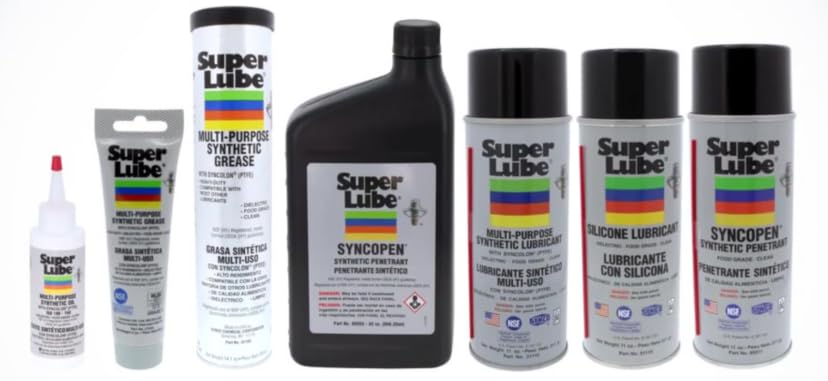
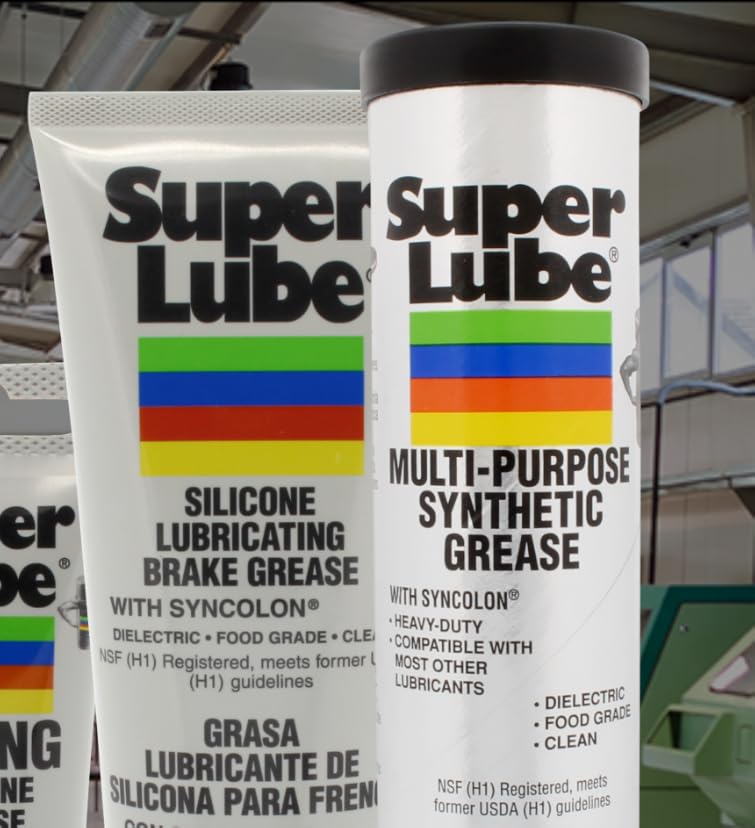
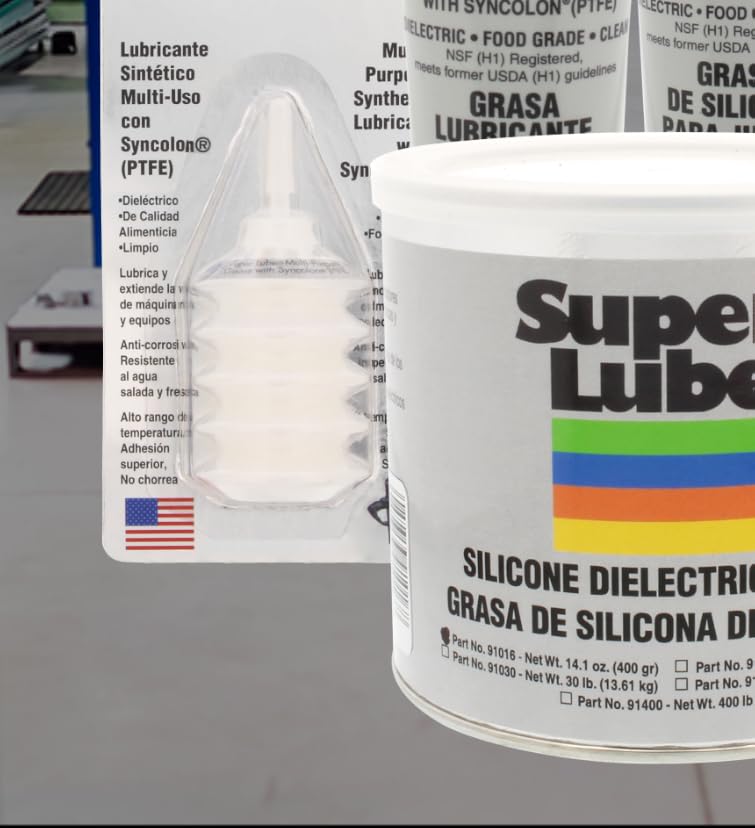
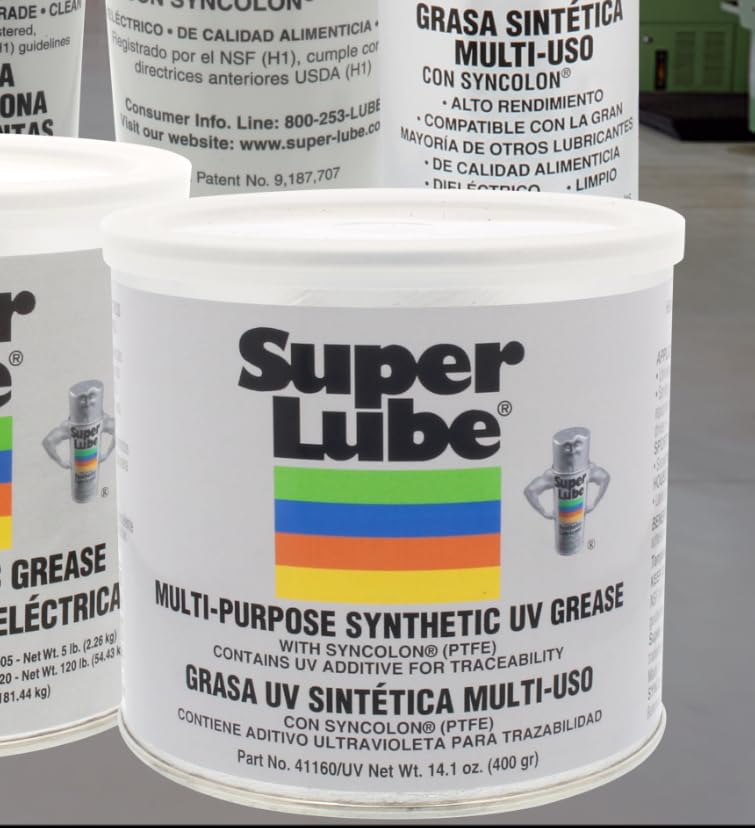
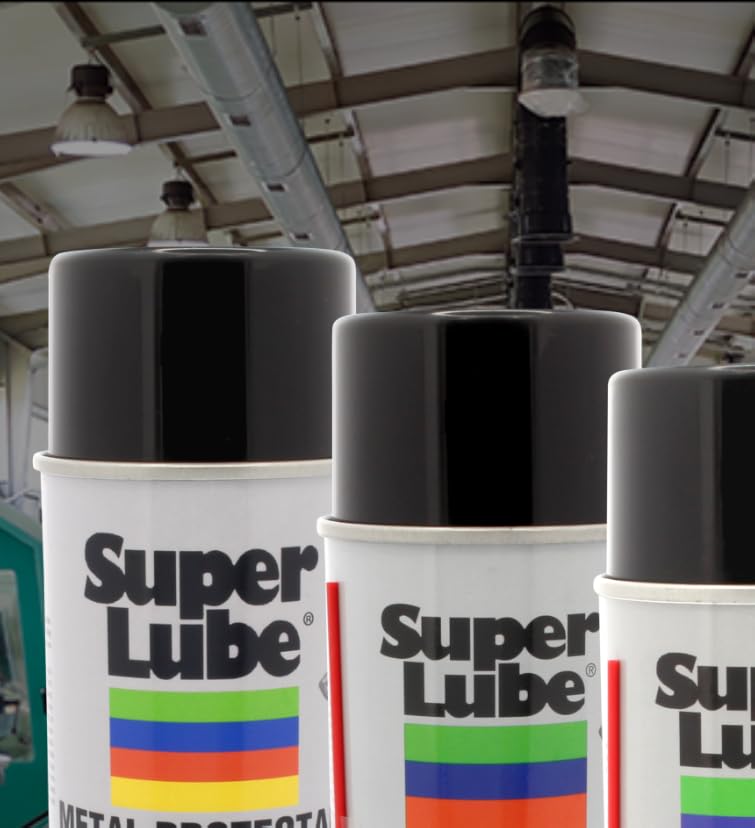
Super Lube 31110 lubricates hinges, cables, tracks, and garage door hardware. NSF H1 certified · cleared for incidental food contact. The synthetic base outlasts light petroleum sprays; community owners report months between reapplication. The dry-film additive leaves a non-tacky residue that sheds grit rather than collecting it · useful on cables and tracks where contamination causes faster wear. Overspray can deposit the dry film on adjacent painted surfaces.
Buy it for long-cycle mechanisms where weekly reapplication is a nuisance: garage doors, hard-to-reach hinges, cable-and-housing systems, food-processing equipment needing NSF H1. Skip it on rubber seals or o-rings without checking compatibility first. Regular enclosed-space users should prefer a pump-spray or drip format to reduce aerosol inhalation.
DANGER signal word (SDS §2). H304 (Aspiration Hazard Cat 1) at mixture level · do not induce vomiting if ingested; seek medical attention. H315 (skin irritation) at §2; nitrile gloves are recommended to limit skin contact with the petroleum-distillate carrier. No H335 at mixture level. Fine mist from aerosol application creates the primary inhalation exposure. The high-VOC carrier builds up in enclosed spaces · open a garage door before applying indoors. Prop 65 confirmed (SDS §15): benzene and n-hexane. N-hexane in §15 is likely a trace impurity in the n-heptane fraction · a standard petroleum SDS practice. The dry-film additive (PTFE) is not classified as PFAS under current regulatory definitions. Environment score 4.0: high-VOC aerosol, non-biodegradable petroleum carrier.
The core difference is staying power. WD-40 original is well-documented by community as a short-duration lubricant · the light petroleum-spirit carrier evaporates, leaving mechanisms dry again within days to weeks. Super Lube 31110 uses a synthetic base with a dry-film additive that remains on the mechanism after the carrier evaporates, providing lubrication community owners confirm lasts months. The tradeoff: both products carry a Prop 65 warning and the Super Lube has a DANGER signal word (vs. WD-40's WARNING), so ventilation is more important with Super Lube 31110 in enclosed spaces.
The petroleum-distillate carrier (hydrotreated light distillates, naphtha) is a potential concern for certain rubber compounds. The NSF H1 food-grade certification confirms the formula is cleared for incidental food contact in food-processing environments, but this does not guarantee compatibility with all rubber seal or plastic types. SDS Section 10 reports no specific reactivity data for the mixture. Check manufacturer compatibility documentation before applying to EPDM, Buna-N, or polycarbonate components.
Super Lube 31110 contains a dry-film additive (Syncolon) that leaves a non-tacky residue after application. This additive is polytetrafluoroethylene (PTFE) in macroparticle form · confirmed present per the product name and NSF registration, though below the 1% SDS §3 disclosure threshold. Macroparticle PTFE is not classified as PFAS under current EPA TSCA definitions or OECD 2021 criteria; short-chain fluorinated compounds (C4·C8 PFAS) are the regulated class. The contains_pfas field is false based on this distinction.
NSF H1 certification (registration #125601) means the lubricant is approved for incidental food contact in food-processing, beverage, and pharmaceutical manufacturing environments. This does not mean the product is edible or ingestion-safe · the SDS carries a DANGER rating and explicit 'Do Not Induce Vomiting' instruction. In practical home-use terms, the H1 certification confirms a high formulation standard and is a meaningful differentiator for any application where lubricant might occasionally contact surfaces that touch food.
The aerosol format creates a fine mist near face and hand level. While SDS §8 states respiratory protection is 'not required under normal conditions,' the DANGER signal word and high-VOC aerosol chemistry warrant ventilation in enclosed spaces. Open a garage door or window before applying. Outdoors or in well-ventilated areas, normal handling precautions are adequate (no H335 at mixture level).
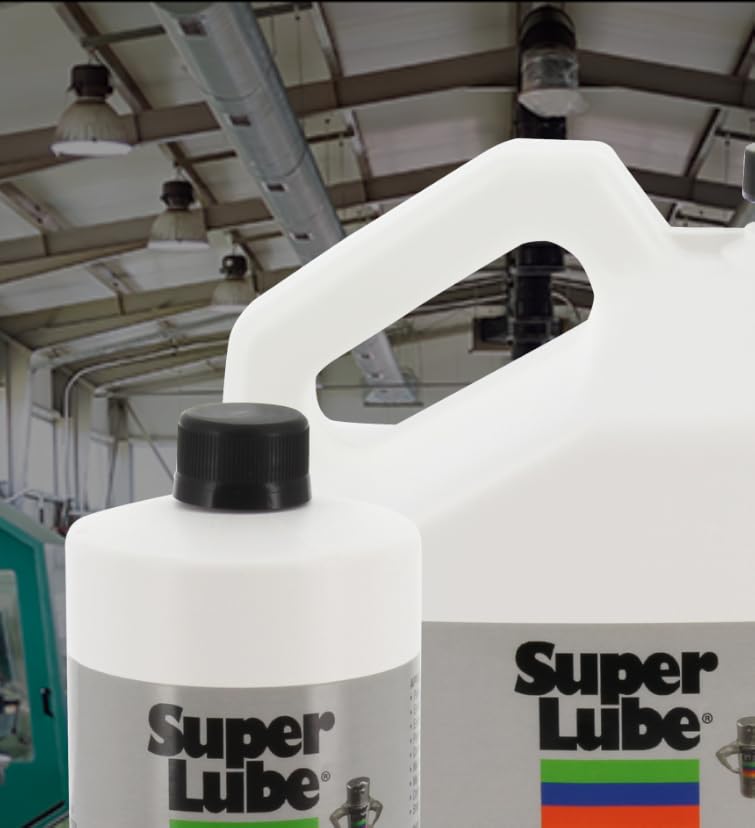
Marketing copy from Super Lube, via Amazon. Not editorial.
Weekly pick
One product, one safety verdict, every week. No spam.
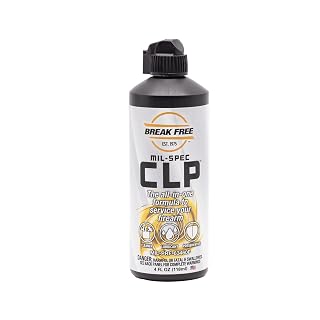
Break-Free
CLP Cleaner Lubricant Preservative
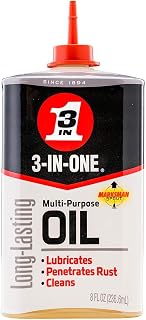
3-IN-ONE
Multi-Purpose Oil (8 oz drip bottle with Marksman Twist Spout)
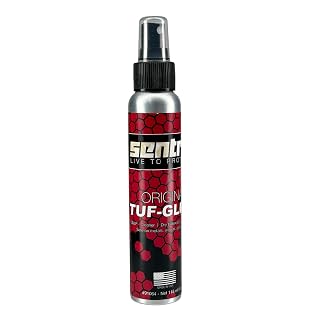
Sentry Solutions
TUF-GLIDE Dry Lube Pump Spray
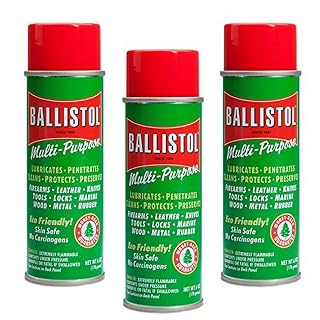
Ballistol
Multi-Purpose Oil Aerosol
As an Amazon Associate I earn from qualifying purchases. Full disclosure

Community
0 postsShare how you use this product
Drop a quick comment or post a full review with photos and a star rating.
Sign in to postNew here? Create a free account.