
Carbon Dioxide
- Other solvents
- CAS 124-38-9
- IUPAC: Carbon dioxide
Carbon Dioxide (CAS 124-38-9) appears in 45 of the 2,122 car-care products CarCareTruth tracks (as of August 2026).
Simple asphyxiant at very high concentrations. H280 (gas under pressure, may explode if heated). OSHA PEL 5,000 ppm TWA — far above concentrations from a brief aerosol spray in ambient air. No organ toxicity, carcinogenicity, or sensitization concerns.
Carbon dioxide is used as a non-flammable aerosol propellant in products like tire shines where reducing flammability is a design goal. Unlike propane/butane propellants, CO2 has no flash point and cannot form an explosive atmosphere. The trade-off is slightly lower spray consistency at temperature extremes compared to liquefied petroleum gas propellants.
The H280 classification (gas under pressure) is the only GHS hazard — the can may rupture if heated above 50°C (120°F), same as any pressurized aerosol. At ambient CO2 levels (typically 0.04% of air), there is no inhalation hazard from a brief spray. Only at sustained concentrations above ~5,000 ppm does CO2 become a simple asphyxiant concern — unreachable with consumer aerosol use.
No ozone-depleting potential (unlike older CFC/HFC propellants). The CO2 released per can is trivially small relative to any meaningful climate accounting threshold.
Health & environment profile
- VOC
- no
- Prop 65 listed
- no
- Asthmagen
- no
- EPA Safer Choice
- no
- Aquatic toxicity
- no
- Biodegradable
- no
- Bioaccumulative
- no
- Persistent
- no
- Ozone depleting
- no
- Microplastic
- no
- PFAS
- no
- Env. score
- 4/5
Common questions about Carbon Dioxide
- What is Carbon Dioxide used for in car care?
- Non-flammable aerosol propellant; pressurizes aerosol cans for tire shines, engine degreasers, and similar products where flammability reduction is a formulation goal. In solvent-based engine degreasers, CO2 is the propellant of choice because it does not add flammable mass to an already combustible petroleum-distillate carrier.
- Is Carbon Dioxide a VOC?
- No. Carbon Dioxide is not classified as a volatile organic compound (VOC).
- Is Carbon Dioxide on California's Proposition 65 list?
- No. Carbon Dioxide is not on California's Proposition 65 list.
45 products contain this
 3-IN-ONE RVcare Rubber Seal Conditioner with Smart Straw (11 oz)
weatherstrip-conditioner
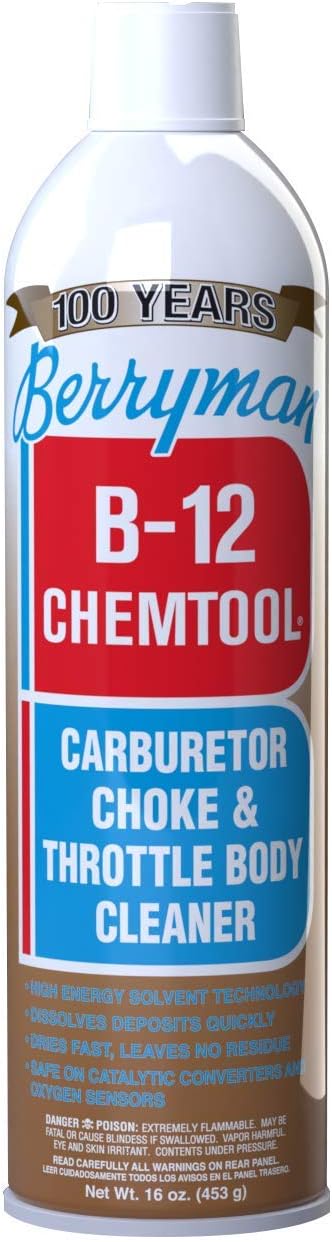
 Berryman 2209 B-12 Chemtool Air-Intake Cleaner (11 oz aerosol)
throttle-body-cleaner
 Prop 65
 Prop 65
 Prop 65
 B'laster PB-50 Pro-Grade Multi-Purpose Lubricant (8 oz aerosol)
multi-purpose-lubricant
 Boeshield T-9 Rust & Corrosion ProtectionProp 65
penetrating-oil
 CRC Screwloose Super PenetrantProp 65
penetrating-oil
 CRC Throttle Body & Air-Intake Cleaner (12 oz aerosol)Prop 65
throttle-body-cleaner
 CRC MAF Sensor & Throttle Body Cleaner Twin Pack, Case of 6Prop 65
maf-sensor-cleaner
 Prop 65
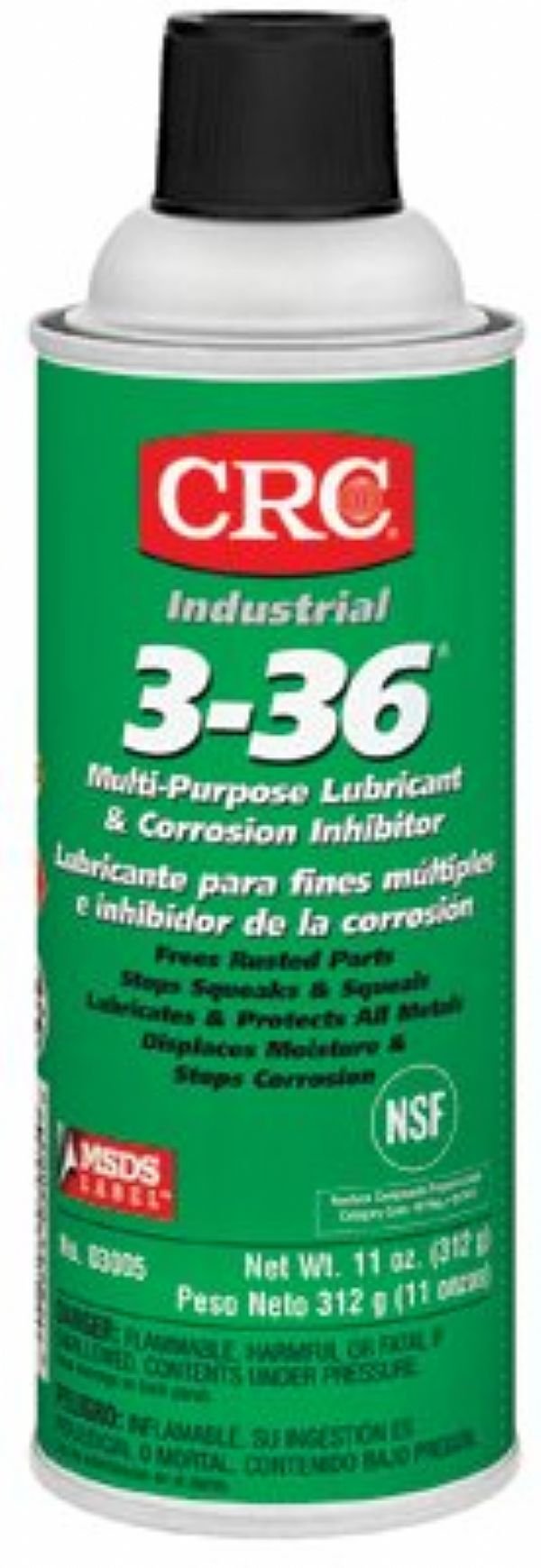 CRC 3-36 Multi-Purpose Lubricant & Corrosion Inhibitor
multi-purpose-lubricant
 CRC Carb & Choke Cleaner (12 oz aerosol)Prop 65
carb-cleaner
 CRC Knock'er Loose Penetrating SolventProp 65
penetrating-oil
 CRC MAF Sensor & Throttle Body Cleaner Bundle (11 oz + 12 oz)Prop 65
maf-sensor-cleaner
 CRC Mass Air Flow Sensor Cleaner (11 oz aerosol)Prop 65
maf-sensor-cleaner
 CRC Power Lube Industrial High Performance Lubricant With PTFE
multi-purpose-lubricant
 Gasoila Free-All Deep Penetrating OilProp 65
penetrating-oil
 Gibbs Brand Lubricant Aerosol PenetrantProp 65
penetrating-oil
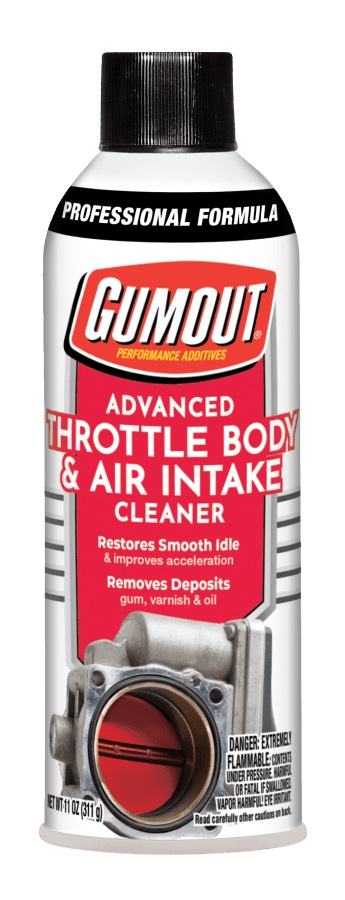 Prop 65
 Gumout Carb/Choke & Parts CleanerProp 65
carb-cleaner
 Gumout Professional Formula Mass Air Flow Sensor CleanerProp 65
maf-sensor-cleaner
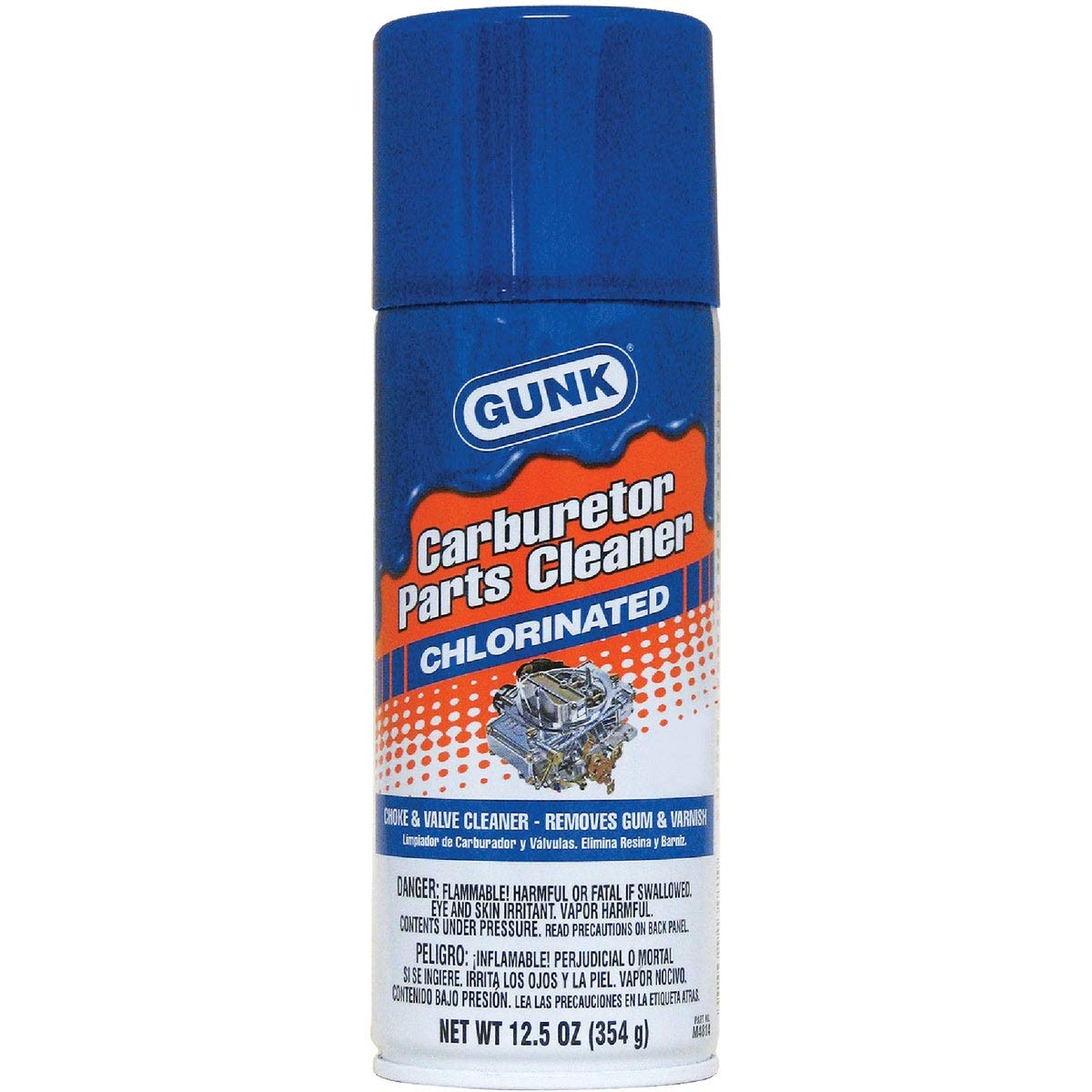 Prop 65
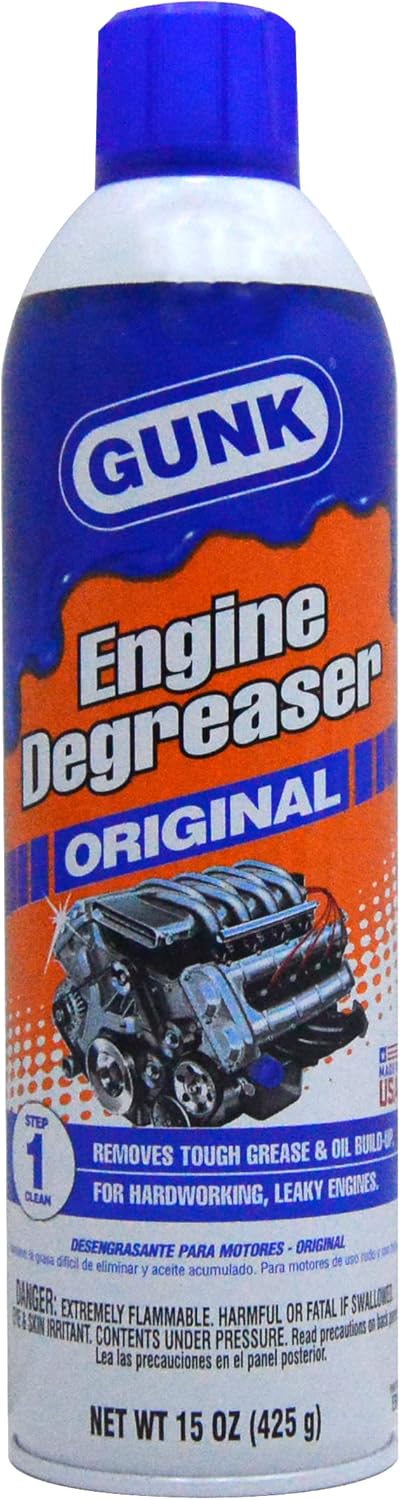 Gunk Original Engine Brite Heavy Duty Engine DegreaserProp 65
engine-degreaser
 Prop 65
 Johnsen's 4721 Mass Air Flow Sensor CleanerProp 65
maf-sensor-cleaner
 Johnsen's 4724 Throttle Body and Air Intake CleanerProp 65
throttle-body-cleaner
 Kroil Penetrant Original Aerosol
penetrating-oil
 Liquid Wrench Lubricating Oil L212 (11 oz aerosol)Prop 65
multi-purpose-lubricant
 Liquid Wrench Penetrating OilProp 65
penetrating-oil
 Liquid Wrench Silicone Spray Lubricant (11 oz aerosol)Prop 65
silicone-spray
 Mopar Throttle Body Cleaner (13 oz aerosol)Prop 65
carb-cleaner
 PB Blaster Penetrating CatalystProp 65
penetrating-oil
 Royal Purple Maxfilm Synthetic Penetrating LubricantProp 65
penetrating-oil
 Sea Foam Deep Creep
penetrating-oil
 Sea Foam Spray SS14 Top Engine Cleaner & Lube
carb-cleaner
 SONAX CC36 Ceramic Coating Kit
ceramic-coating
 STP Pro Series Intake Valve CleanerProp 65
fuel-injector-cleaner
 Super Lube 31110 Multi-Purpose Synthetic Lubricant with Syncolon (PTFE)Prop 65
multi-purpose-lubricant
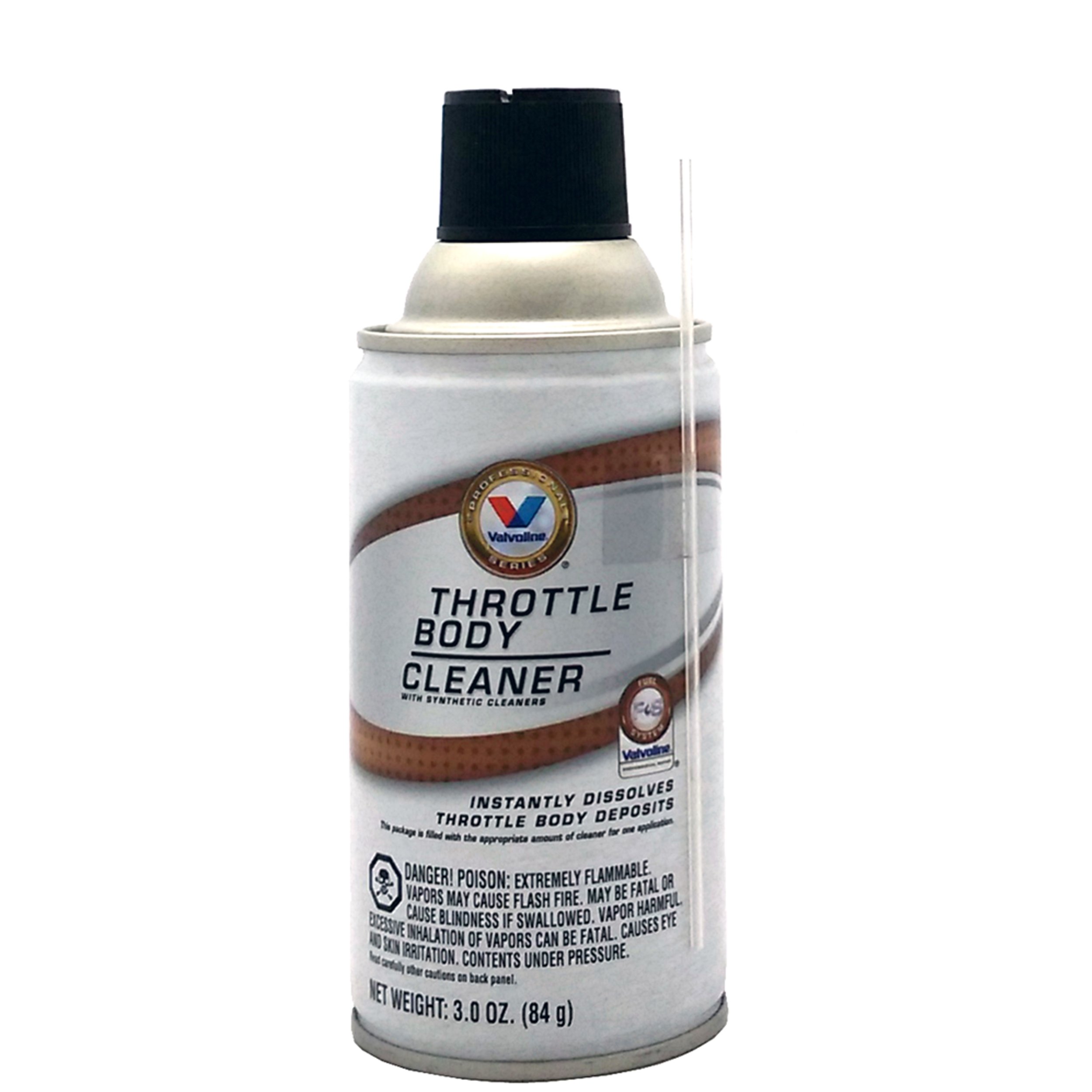
 Valvoline Pyroil Penetrating Oil
penetrating-oil
 Prop 65
 WD-40 Multi-Use Product (11 oz Smart Straw aerosol)
multi-purpose-lubricant

 WD-40 Specialist Penetrant
penetrating-oil
Related
Health and environment notes translate the manufacturer Safety Data Sheet, the GHS classification, and authoritative regulatory listings (California Prop 65, EPA). Not medical advice. They describe the ingredient itself; whether a hazard applies to a finished product depends on its concentration and how it's used.