
Heptane
- Aliphatic solvents
- CAS 142-82-5
- IUPAC: n-Heptane
Heptane (CAS 142-82-5) appears in 21 of the 2,122 car-care products CarCareTruth tracks (as of August 2026). It is classified as a VOC.
CNS depressant at high concentrations. Skin degreaser. Flash point 23°C makes it highly flammable. Always use with ventilation and away from ignition sources.
Heptane is a common carrier solvent in ceramic and graphene coatings. It evaporates quickly (flashes off within 1-2 minutes), leaving behind the SiO₂ or graphene active layer. The fast evaporation is why coatings give you such a short working time.
The health risk is real but manageable: heptane is a VOC with CNS depression effects at high concentrations and a very low flash point (extremely flammable). Apply outdoors or in a well-ventilated space, wear an organic vapor respirator, and keep away from sparks or open flame. Don't apply to hot panels — the vapor concentration near the surface will spike.
Health & environment profile
- VOC
- yes
- Prop 65 listed
- no
- Asthmagen
- no
- EPA Safer Choice
- no
- Aquatic toxicity
- yes
- Biodegradable
- yes
- Bioaccumulative
- no
- Persistent
- no
- Ozone depleting
- no
- Microplastic
- no
- PFAS
- no
- Env. score
- 3/5
Common questions about Heptane
- What is Heptane used for in car care?
- Volatile carrier solvent for coatings
- Is Heptane a VOC?
- Yes. Heptane is classified as a volatile organic compound (VOC).
- Is Heptane on California's Proposition 65 list?
- No. Heptane is not on California's Proposition 65 list.
- Is Heptane biodegradable?
- Yes. Heptane has a confirmed biodegradable profile.
21 products contain this
 CRC 05046 Battery Terminal ProtectorProp 65
battery-terminal-cleaner
 CRC Throttle Body & Air-Intake Cleaner (12 oz aerosol)Prop 65
throttle-body-cleaner
 Prop 65
 CRC Carb & Choke Cleaner (12 oz aerosol)Prop 65
carb-cleaner
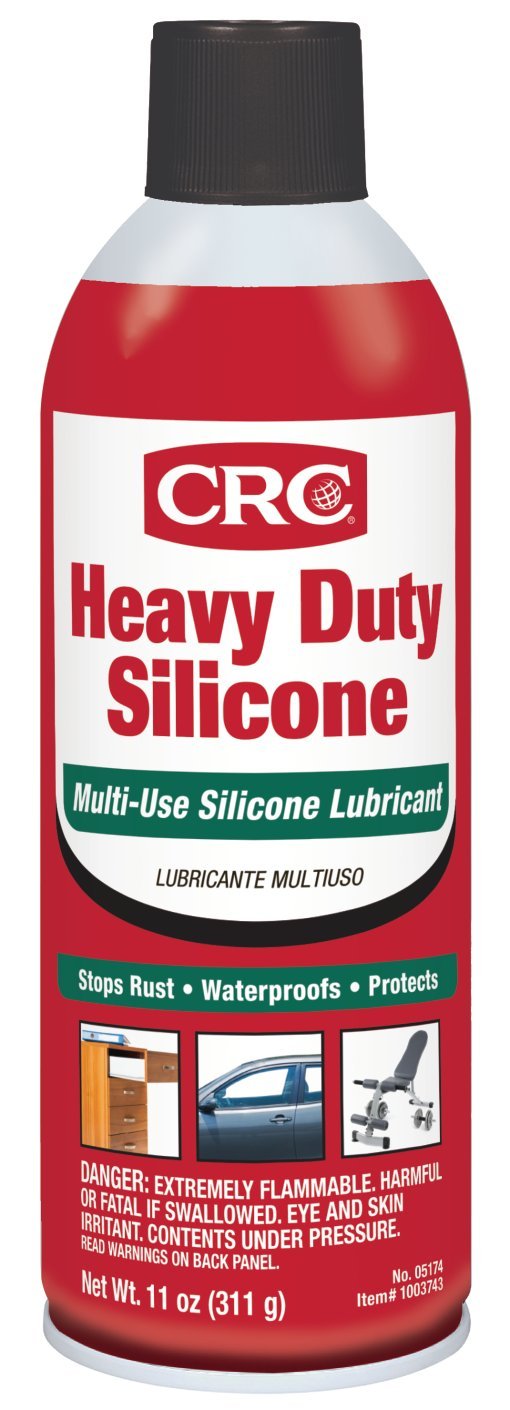 CRC Heavy Duty Silicone Lubricant (11 oz aerosol)Prop 65
silicone-spray
 DuPont Silicone Lubricant Aerosol (DS0614101)
silicone-spray
 Gibbs Brand Lubricant Aerosol PenetrantProp 65
penetrating-oil
 Griot's Garage Black Shine Tire and Trim Coating
tire-dressing
 Gtechniq C4 Permanent Trim Restorer
trim-coating
 Gtechniq C5 Wheel Armour
wheel-coating
 Gumout Professional Formula Mass Air Flow Sensor CleanerProp 65
maf-sensor-cleaner
 Johnsen's 4724 Throttle Body and Air Intake CleanerProp 65
throttle-body-cleaner
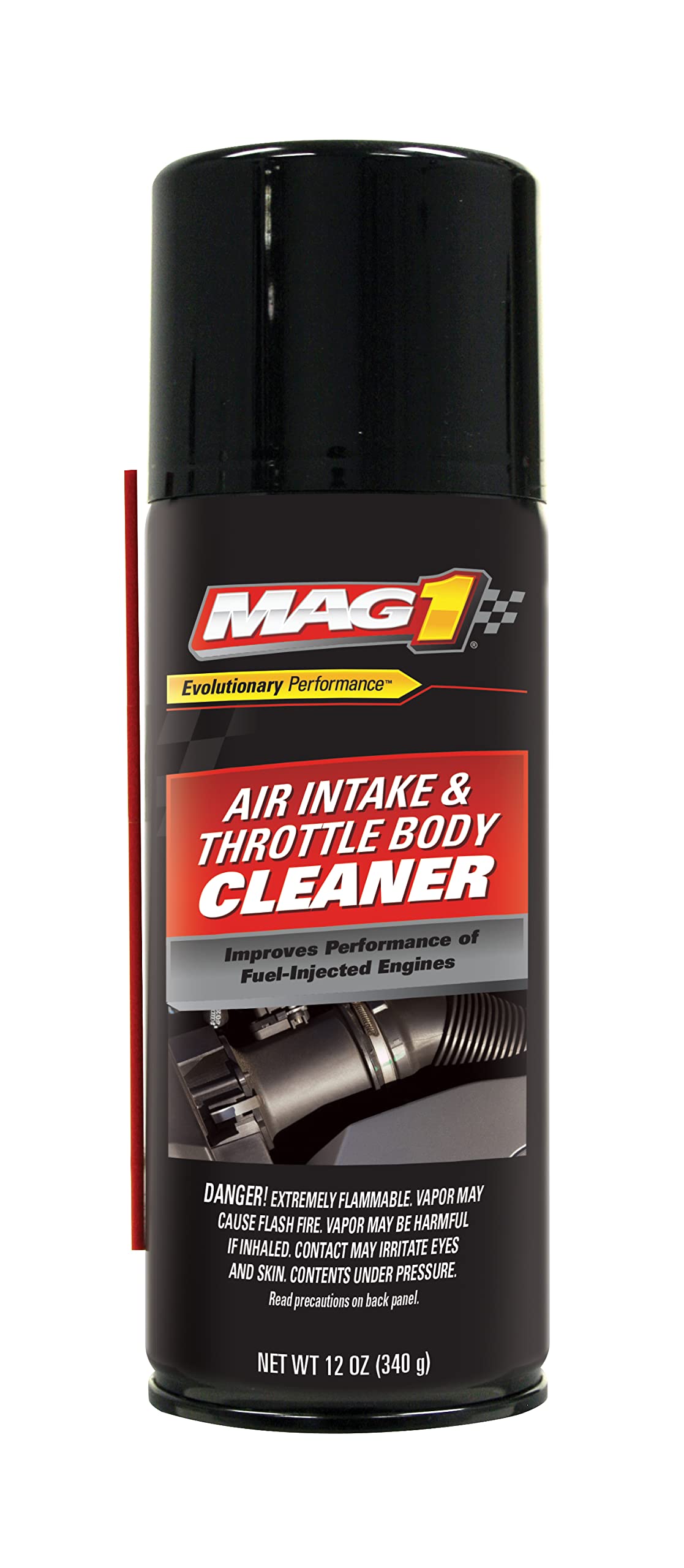 Mag1 Air Intake/Throttle Body Cleaner
throttle-body-cleaner
 Mopar Throttle Body Cleaner (13 oz aerosol)Prop 65
carb-cleaner

 Permatex 81981 White Lithium Grease, 11 oz. Aerosol CanProp 65
white-lithium-grease
 Slick Products Shine & Protectant SprayProp 65
exterior-dressing
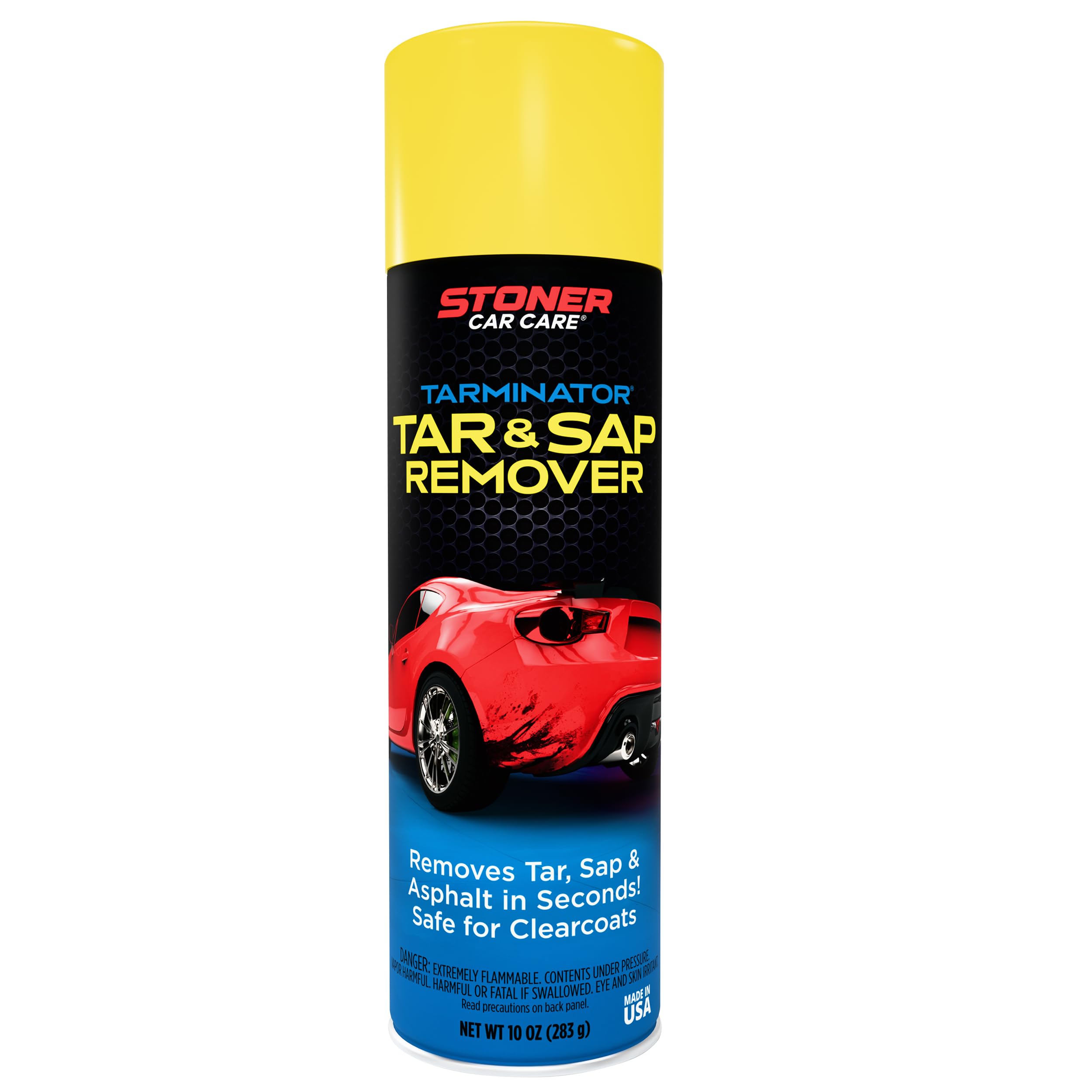 Stoner Tarminator Tar, Sap, and Asphalt RemoverProp 65
bug-tar-remover
 Super Lube 31110 Multi-Purpose Synthetic Lubricant with Syncolon (PTFE)Prop 65
multi-purpose-lubricant
 Prop 65
Related
Health and environment notes translate the manufacturer Safety Data Sheet, the GHS classification, and authoritative regulatory listings (California Prop 65, EPA). Not medical advice. They describe the ingredient itself; whether a hazard applies to a finished product depends on its concentration and how it's used.