CarCareTruth Score
Decent, but it's tough on the environment.
Opens Amazon in a new tab. No account needed to look.
Saved to your guest loadout. Sign up to also save to your Cabinet (consumables) or Kit (tools you own).
As an Amazon Associate I earn from qualifying purchases. Full disclosure
Prices may varyThe manufacturer's Safety Data Sheet classifies this product with one or more GHS Category 1 health hazards — the most severe tier. The hazard statements in quotes below are the verbatim GHS language from the SDS, as required by OSHA's Hazard Communication Standard. The line under each statement translates the GHS classification into plain language.
GHS Category 1 aspiration toxicity — thin, oily liquids can slip into the lungs if swallowed, causing chemical pneumonia.
If swallowed:
The aspiration hazard (H304) is about the liquid being swallowed and reaching the airway, not about breathing fumes during normal use.
Call Poison Control immediately at 1-800-222-1222 (US, 24/7, free) and have the product container with you. Poison Control's standing guidance is to not induce vomiting after chemical exposure; they will direct first-aid steps based on the specific product.
About this product's hazards. This product's Safety Data Sheet uses signal word DANGER.Read the manufacturer's SDS and follow all safety instructions before use. CarCareTruth ratings translate the manufacturer's safety sheet. They do not replace the SDS or substitute for a hazard assessment specific to your task.
Health score is for adult use as intended, per the manufacturer's SDS. It does not model child ingestion, accidental spill cleanup, or off-label use. See the safety panel below for full hazard classification, and /disclaimer for the full editorial scope.
GHS hazard codes are quoted from the manufacturer’s Safety Data Sheet. PPE tiers below translate those codes and the listed ingredient chemistry; they are not CarCareTruth recommendations.
Show details for all categories ▾Hide details ▴
Only when: when spraying · misting overhead
Translated from the manufacturer’s Safety Data Sheet, Section 2
SDS §2 does not list H319 (eye irritation) at the mixture level. The primary eye exposure risk is from aerosol mist drift at close range during sensor spraying rather than direct chemical irritation. Aerosol form factor warrants situational eye protection.
CarCareTruth publishes the cited sources verbatim and does not advise what action a user should take. Consult the full SDS before use.
Translated from the manufacturer’s Safety Data Sheet, Section 2
SDS §2 lists H315 (skin irritation Cat 2) at the mixture level. Light aliphatic hydrocarbons cause skin irritation on contact; the chemistry-forcing rule requires at least a recommended tier whenever H315 is confirmed at SDS §2, regardless of the short exposure duration during a typical MAF cleaning session.
U.S. regulatory standard
29 CFR 1910.138(a)
“appropriate hand protection when employees' hands are exposed to hazards such as those from… chemicals which produce an adverse effect on the skin or eyes…”
OSHA standards apply to workplaces. Cited here as the U.S. reference threshold for the underlying hazard class.
CarCareTruth publishes the cited sources verbatim and does not advise what action a user should take. Consult the full SDS before use.
Translated from the manufacturer’s Safety Data Sheet, Section 2
SDS §2 lists H304 (aspiration hazard) and H373 (target-organ toxicity through prolonged or repeated exposure). The DANGER signal word is co-driven by health H-codes alongside flammability. Petroleum distillate formula with high solvent load sprayed at close aerosol range warrants genuine respiratory protection. An organic-vapor cartridge or equivalent is the chemistry-based minimum for enclosed or semi-enclosed work spaces.
U.S. regulatory standard
29 CFR 1910.134; 1910.138; 1910.1000
“the primary objective shall be to prevent atmospheric contamination…”
OSHA standards apply to workplaces. Cited here as the U.S. reference threshold for the underlying hazard class.
UN GHS hazard statement
H373“May cause damage to organs through prolonged or repeated exposure”
UN GHS Rev. 9 (2021)
CarCareTruth publishes the cited sources verbatim and does not advise what action a user should take. Consult the full SDS before use.
No PPE specified in published sources for ventilation. Absence does not imply “not needed” — consult the full Safety Data Sheet.
PPE tiers translate the manufacturer’s SDS and U.S. regulatory standards. Not professional safety advice. How we report safety.
Scope of these PPE tiers. The tiers on this page translate the product's Safety Data Sheet where one is published, plus its ingredient chemistry, into a comparable rating. They describe a formulation, not a situation: a tier is not a safety determination for any specific user, task, quantity, or environment. The manufacturer's label and use instructions govern how the product is handled. Where the product is used at work, the employer's PPE program and hazard assessment under 29 CFR 1910.132 decide what protection is selected, not this page.
No warranties. CarCareTruth makes no warranties, express or implied, and expressly disclaims the implied warranties of merchantability and fitness for a particular purpose.
This product ranks #4 of 5 in MAF Sensor Cleaner.Three above it ↓
Last reviewed July 31, 2026
TL;DR Clears typical MAF sensor fouling, and owners report codes clear and idle returns, though the community track record on this newer listing is still thin. DANGER is co-driven by health H-codes alongside flammability: SDS §2 lists H304 (aspiration hazard), H361 (suspected reproductive toxicity), and H373 (target-organ toxicity). Prop 65 warning on the label. This is higher-hazard chemistry than IPA-based alternatives · respiratory protection and outdoor use are the chemistry-based minimums.
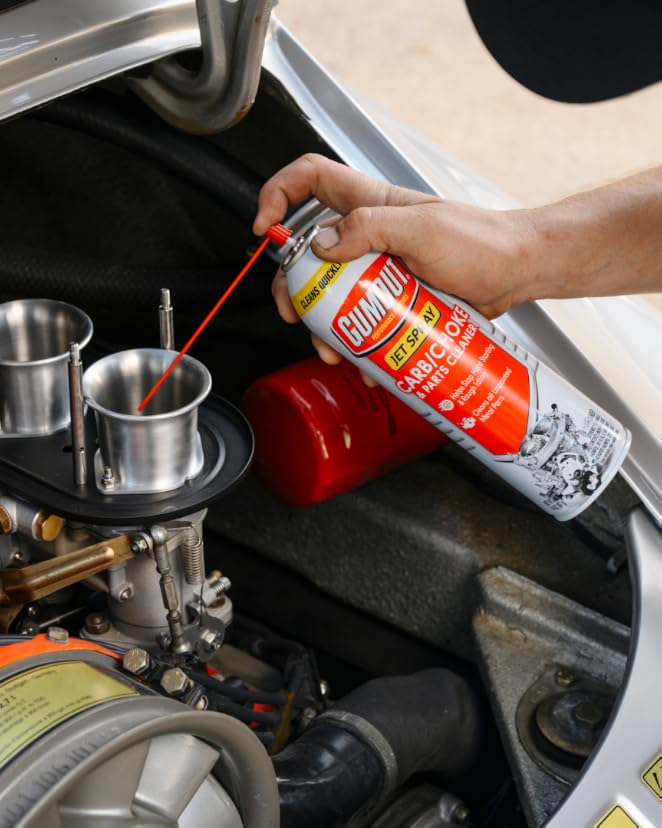
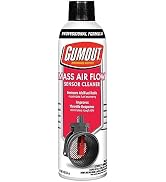
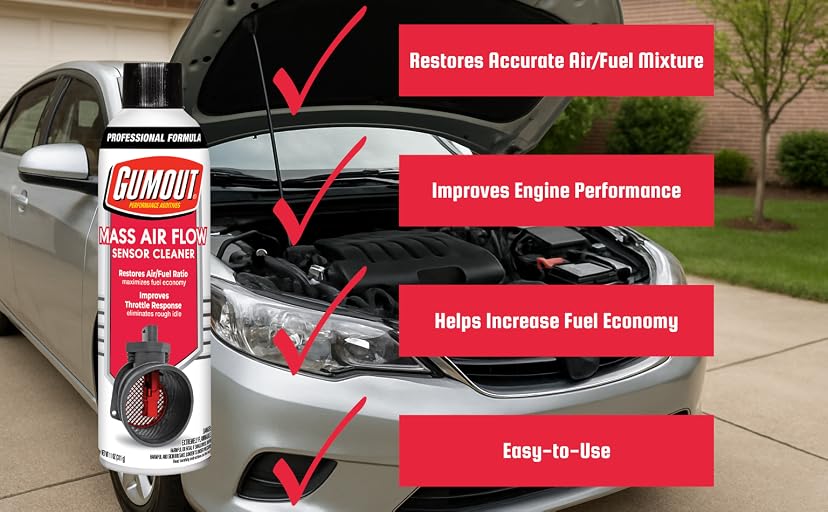
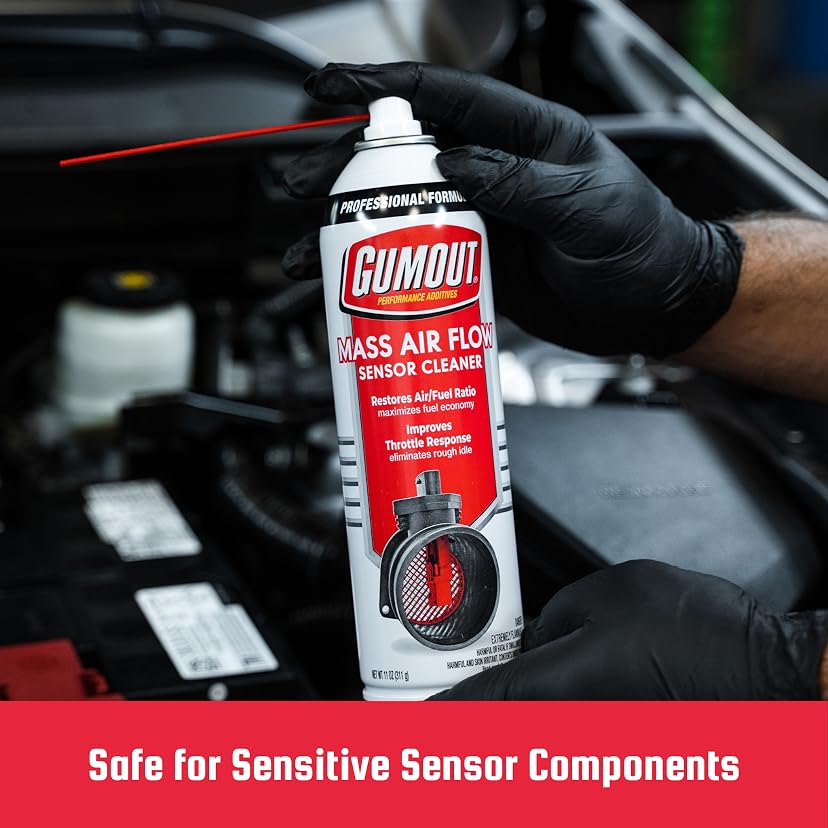
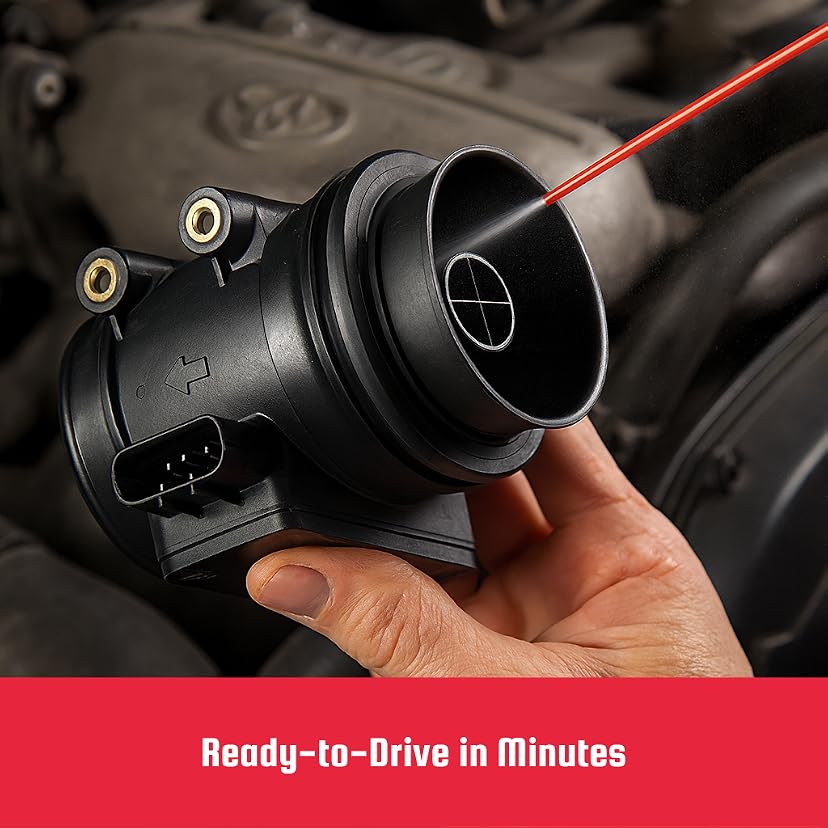
Remove the sensor, insert the straw, spray 2-4 short bursts. The petroleum distillate formula dissolves oil mist and particulate from the sensing element. SDS §3 confirms no oily carrier; solvent evaporates within 3-5 minutes, leaving the element residue-free. owner reviews confirm consistent cleaning; independent before/after data logger captures are not yet documented for this newer listing.
Right pick for P0101 or P0102 from PCV oil-mist fouling on a gas or diesel sensor. Consider an IPA-based formula if you want DANGER from flammability only · several alternatives suit light fouling at a lower hazard tier. Skip any cleaner if the sensor is heavily fouled from oiled filter buildup; replacement is typically needed at that level.
DANGER from health H-codes alongside flammability: H304 (aspiration hazard), H315 (skin irritation), H361 (suspected reproductive toxicity · hexane fraction), H373 (target-organ toxicity through repeated exposure). Prop 65 warning cites benzene and methanol as trace impurities. Flash point −30°C · use outdoors or with the garage door open. SDS §2 flags the formula as toxic to aquatic life · keep overspray out of storm drains.
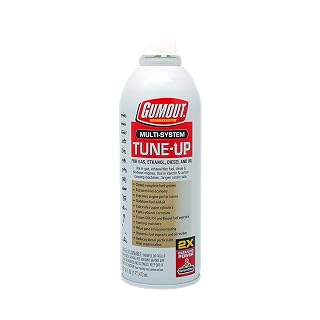
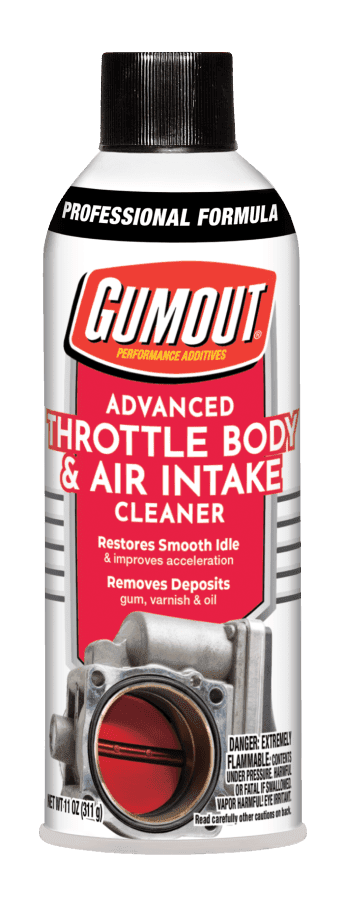
The manufacturer claims the formula is 'plastic-safe and non-damaging' and confirmed for use on 'delicate, expensive MAF sensors in both gasoline and diesel engines.' The SDS shows no oily carrier in Section 3 · the formula is entirely light aliphatic hydrocarbons and CO2 propellant. Community evidence for this specific product (Gumout 540041) is more limited than for longer-established MAF cleaners like CRC; owners rate it well on Amazon and report codes clearing and idle improving, but independent forum-level before/after data logger captures are not yet available for this product.
SDS Section 3 shows only light aliphatic hydrocarbons and CO2 · no petroleum oil, mineral oil, or heavy carrier that would leave a film. Flash point of −30°C confirms a very fast-evaporating, light solvent system. Community reports do not document residue issues. Allow 3-5 minutes of air-dry before reinstalling the sensor.
The DANGER signal word is co-driven by physical hazards (extremely flammable aerosol) and health H-codes · specifically H304 (aspiration hazard: may be fatal if swallowed and enters airways) and H361 (suspected of damaging fertility or the unborn child, from the hexane fraction). Many IPA-based MAF cleaners carry DANGER only from flammability; this formula's DANGER is partly from health chemistry. The practical spray-and-dry exposure duration is short, but the chemistry warrants more caution than an IPA-only formula · particularly respiratory protection and avoiding enclosed-space use.
Yes. The Gumout product page carries a California Prop 65 warning citing benzene (cancer) and methanol (reproductive harm). The SDS Section 15 lists hexane (male reproductive toxicant) and methanol. Benzene and methanol appear as trace impurities in petroleum distillate fractions · they are not listed as intentional ingredients in SDS Section 3.
Marketing copy from Gumout, via Amazon. Not editorial.
Weekly pick
One product, one safety verdict, every week. No spam.

CRC
Mass Air Flow Sensor Cleaner (11 oz aerosol)
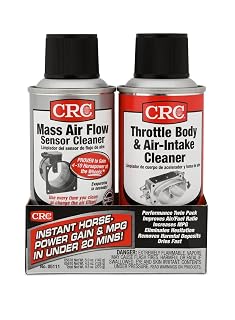
CRC
MAF Sensor & Throttle Body Cleaner Twin Pack, Case of 6
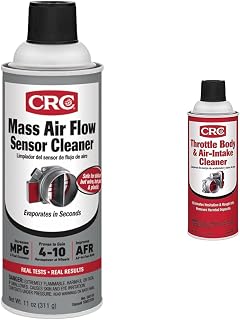
CRC
MAF Sensor & Throttle Body Cleaner Bundle (11 oz + 12 oz)
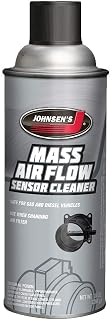
Johnsen's
4721 Mass Air Flow Sensor Cleaner
As an Amazon Associate I earn from qualifying purchases. Full disclosure


Community
0 postsShare how you use this product
Drop a quick comment or post a full review with photos and a star rating.
Sign in to postNew here? Create a free account.