CarCareTruth Score
Decent.
Opens Amazon in a new tab. No account needed to look.
Saved to your guest loadout. Sign up to also save to your Cabinet (consumables) or Kit (tools you own).
As an Amazon Associate I earn from qualifying purchases. Full disclosure
Prices may varyHealth score is for adult use as intended, per the manufacturer's SDS. It does not model child ingestion, accidental spill cleanup, or off-label use. See the safety panel below for full hazard classification, and /disclaimer for the full editorial scope.
GHS hazard codes are quoted from the manufacturer’s Safety Data Sheet. PPE tiers below translate those codes and the listed ingredient chemistry; they are not CarCareTruth recommendations.
Show details for all categories ▾Hide details ▴
Only when: splash risk
Translated from the manufacturer’s Safety Data Sheet, Section 8
SDS §8 lists safety glasses with side shields under general industrial hygiene practice. No H318 or H319 in §2, so there is no formal eye-hazard classification at product level. Gel format limits routine splash risk, but eye protection is warranted when dispensing gel onto an applicator in windy conditions or when working at close range with the product.
CarCareTruth publishes the cited sources verbatim and does not advise what action a user should take. Consult the full SDS before use.
Translated from the manufacturer’s Safety Data Sheet, Section 8
SDS §8 explicitly states "Wear protective gloves" with neoprene gloves recommended. Petroleum-distillate carriers and the high VOC (311.42 g/L) make glove use appropriate for a full 4-tire session. No H317 or H314 in §2, so skin protection is not required, but recommended given the petroleum chemistry and direct applicator contact during application.
CarCareTruth publishes the cited sources verbatim and does not advise what action a user should take. Consult the full SDS before use.
Only when: in enclosed space
Translated from the manufacturer’s Safety Data Sheet, Section 2
H336 (STOT-SE Cat 3, may cause drowsiness or dizziness) is a formal §2 classification confirming vapor inhalation risk from the petroleum-distillate carriers. VOC confirmed at 311.42 g/L in SDS §9. SDS §8 states "In case of inadequate ventilation wear respiratory protection." Normal outdoor or garage-door-open application is sufficient for most users; a half-facepiece respirator for organic vapors is warranted only in enclosed spaces or with poor ventilation per SDS §8.
CarCareTruth publishes the cited sources verbatim and does not advise what action a user should take. Consult the full SDS before use.
The published Safety Data Sheet for this product does not specify ventilation protection for consumer use.
Workplace context
29 CFR 1910.134(a); 1910.1000
“the primary objective shall be to prevent atmospheric contamination [via] accepted engineering control measures (for example, enclosure or confinement of the operation, general and local ventilation…).”
Triggered by GHS H336 on the SDS.
OSHA standards apply to workplaces. Cited here as the U.S. reference threshold for the underlying hazard class.
PPE tiers translate the manufacturer’s SDS and U.S. regulatory standards. Not professional safety advice. How we report safety.
This product ranks #14 of 18 in Tire Dressing.Three above it ↓
Last reviewed July 9, 2026
TL;DR Community-confirmed 2-4 weeks of deep wet-look gloss on a daily driver washed weekly, mid-pack for a petroleum gel. WARNING signal word (H336, petroleum vapors; VOC confirmed high at 311.42 g/L) and a California Prop 65 warning on the bottle; ensure ventilation when using in a closed garage. Apply thin with a foam applicator and allow 10-15 minutes before driving to avoid sling.
Thick gel that clings to the sidewall without running onto wheel faces; four tires take about 10 minutes with a foam applicator. Community data from r/AutoDetailing puts durability at 2-4 weeks washed weekly, at the lower end of the label claim. The one consistent complaint is sling from over-application; a thin coat, wiped excess off the raised lettering, and a 15-minute cure window before driving eliminates it.
A reasonable fit for daily-driver owners who want a wet-look finish and don't mind a petroleum-gel routine applied thin with a foam applicator. Skip it for a satin or natural finish, spray-and-walk-away convenience, or lower VOC; a water-based silicone dressing delivers those, typically with shorter durability.
The US SDS carries WARNING, driven by H336 (STOT-SE Cat 3, petroleum vapors may cause drowsiness) and H227 (combustible liquid, flash point 66°C). H336 is an inhalation concern only with inadequate ventilation; normal outdoor or open-garage application is sufficient. VOC is confirmed high at 311.42 g/L, so apply with the garage door open. SDS Section 8 recommends neoprene gloves, plus a respirator only when ventilation is inadequate. The bottle's back label carries a California Prop 65 warning for trace aromatic compounds in the petroleum-distillate carriers; the SDS itself doesn't name the specific listed chemical or affirmatively clear the warning, so the posted label warning stands. The petroleum-distillate carrier is non-biodegradable and carries an aquatic-toxicity flag at the ingredient level.
Sling almost always comes from over-application, so the fix is a thin, even coat. Squeeze a small amount onto a foam applicator, work it into the sidewall, then wipe any excess off the raised lettering. Let the gel cure for 10 to 15 minutes before driving so it can bond to the rubber instead of flinging onto your paint.
Community-confirmed durability runs 2-4 weeks on a daily driver washed weekly, consistent across multiple independent r/AutoDetailing threads from 2021-2025. The manufacturer markets multi-week durability, which community data generally corroborates, at the lower end of the claimed range.
Sling during the first few miles at highway speed is the most common complaint in community reviews, and it's directly tied to over-application. The fix is a thin coat: apply with a foam applicator, wipe excess from raised lettering, and allow 10-15 minutes of cure time before driving. Multiple owners report no sling with a thin application and a brief cure window.
WARNING is driven by two US HazCom 2012 classifications: Flammable Liquid Category 4 (H227, combustible liquid, flash point 66°C) and STOT-SE Category 3 (H336, petroleum vapors may cause drowsiness or dizziness in poorly ventilated spaces). Neither makes the product dangerous under normal outdoor or open-garage application. The US SDS explicitly limits respiratory protection to inadequate-ventilation scenarios.
Yes. The retail bottle's back label carries a California Prop 65 warning for trace aromatic compounds in the petroleum-distillate carriers, and this is also flagged in the product listing data. The SDS doesn't name the specific listed chemical and doesn't clear the warning either, so the posted label warning stands.
Endurance Tire Gel (G7516, this product) is the original petroleum-based gel with a wet-look gloss finish and a foam-applicator application method. The Tire Coating is a newer silicone-polymer hybrid product with a different chemistry and application process. They target the same result but differ substantially in formula, finish character, and SDS profile.
Marketing copy from Meguiar's, via Amazon. Not editorial.
Weekly pick
One product, one safety verdict, every week. No spam.








Chemical Guys
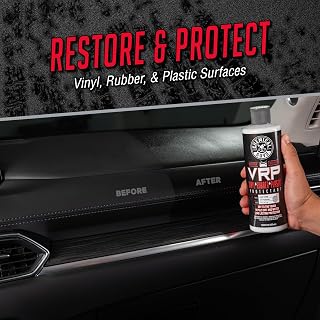
VRP Vinyl, Rubber, and Plastic Dressing
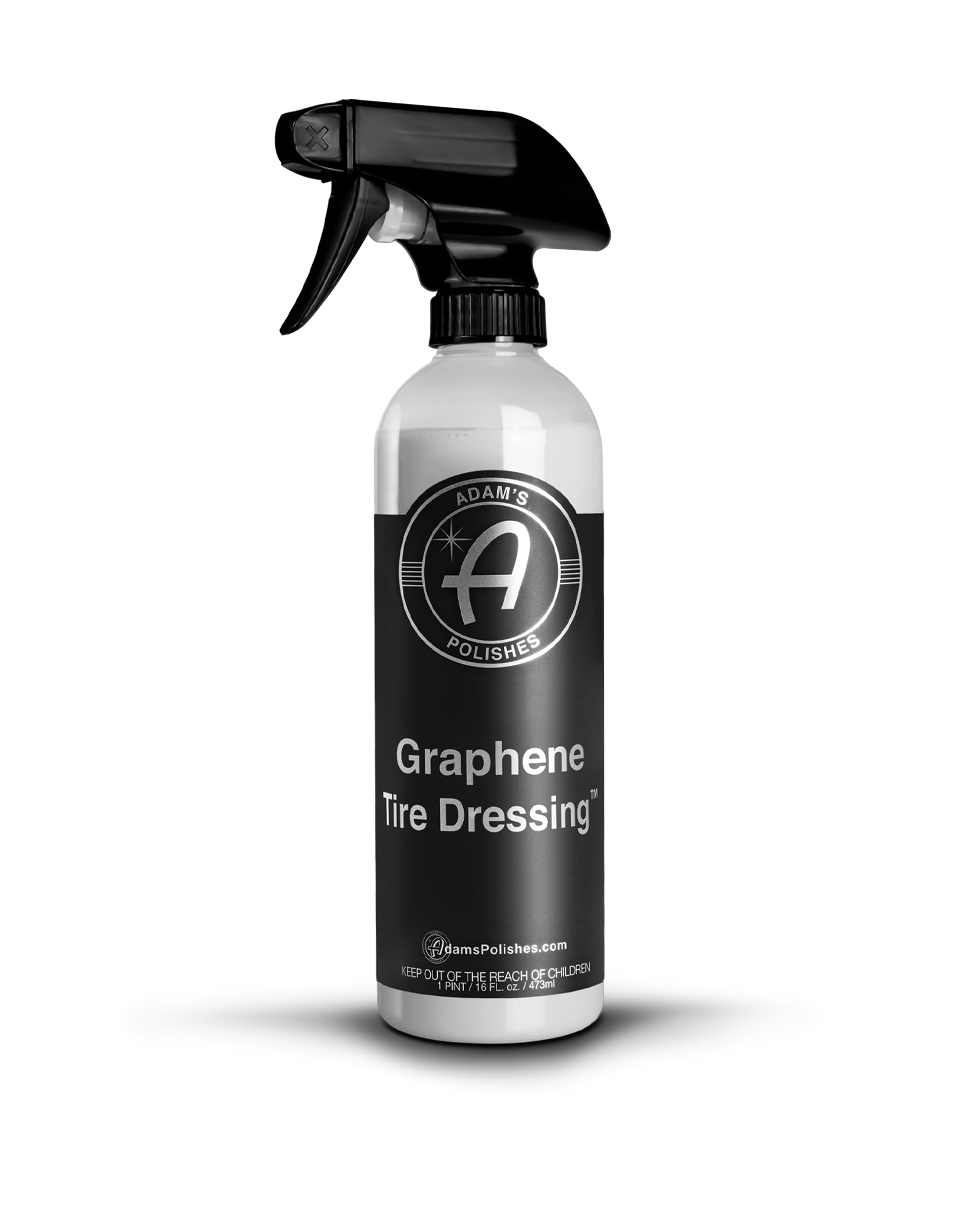
Adam's Polishes
Graphene Tire Dressing
Chemical Guys
Silk Shine Tire and Trim Dressing
SONAX
Tire Gloss Gel
As an Amazon Associate I earn from qualifying purchases. Full disclosure


Community
0 postsShare how you use this product
Drop a quick comment or post a full review with photos and a star rating.
Sign in to postNew here? Create a free account.