CarCareTruth Score
Recommended.
Opens Amazon in a new tab. No account needed to look.
Saved to your guest loadout. Sign up to also save to your Cabinet (consumables) or Kit (tools you own).
As an Amazon Associate I earn from qualifying purchases. Full disclosure
Prices may varyHealth score is for adult use as intended, per the manufacturer's SDS. It does not model child ingestion, accidental spill cleanup, or off-label use. See the safety panel below for full hazard classification, and /disclaimer for the full editorial scope.
GHS hazard codes are quoted from the manufacturer’s Safety Data Sheet. PPE tiers below translate those codes and the listed ingredient chemistry; they are not CarCareTruth recommendations.
Show details for all categories ▾Hide details ▴
Only when: splash risk
Translated from the manufacturer’s Safety Data Sheet, Section 2
SDS §2: Not classified; no H319 or H318. Liquid consistency creates a low splash risk during applicator squeeze and wringing; eye contact is possible but not routine under normal foam-applicator use. Eye protection is reasonable during applicator-squeeze handling or in windy conditions.
CarCareTruth publishes the cited sources verbatim and does not advise what action a user should take. Consult the full SDS before use.
Only when: prolonged use
Translated from the manufacturer’s Safety Data Sheet, Section 2
SDS §2: Not classified. No H315, H317, or H314. Water-based formula at neutral pH (7.5 per §9) with no skin-sensitizer chemistry. Foam-applicator application with brief, incidental contact only; no prolonged immersion. The silicone emulsion presents no skin-hazard pathway under normal detailing use; the situational tier applies only during prolonged or repeated skin contact.
CarCareTruth publishes the cited sources verbatim and does not advise what action a user should take. Consult the full SDS before use.
Only when: in enclosed space
Translated from the manufacturer’s Safety Data Sheet, Section 2
SDS §2: Not classified. No H335, H331, H330, or H334. Water-based formula with no volatile organic co-solvents. Applied by foam applicator only; no spray mist generated. No inhalation hazard pathway under normal outdoor or well-ventilated garage application; the situational tier applies only if used in an enclosed, poorly ventilated space.
CarCareTruth publishes the cited sources verbatim and does not advise what action a user should take. Consult the full SDS before use.
No PPE specified in published sources for ventilation. Absence does not imply “not needed” — consult the full Safety Data Sheet.
PPE tiers translate the manufacturer’s SDS and U.S. regulatory standards. Not professional safety advice. How we report safety.
This product ranks #1 of 18 in Tire Dressing.
Last reviewed June 28, 2026
TL;DR Water-based silicone emulsion with a clean satin finish and community-confirmed 3-5 week durability on a daily driver washed weekly. Zero sling reports, no GHS signal word, and low VOC chemistry set it apart from petroleum-gel alternatives. A California Prop 65 warning appears on the bottle for trace ethylene oxide, a residual from the emulsifier manufacturing process, not an active ingredient.
Apply a small amount to a foam applicator and wipe it across a clean, dry tire sidewall; four tires takes about 5 minutes, and the result dries to a satin, non-greasy film you can touch almost immediately. This is not a high-gloss product, and that is by design: buyers expecting a deep wet-look finish should look at petroleum-gel dressings. Buyers who want a tidy, natural black sidewall without sling or dust attraction will find VRP highly competitive. The same formula works on interior dashboards, door panels, weatherstripping, and plastic trim; the dry-to-touch satin result is well-suited to interior surfaces where a greasy sheen would attract dust. Community durability runs 3-5 weeks on a daily driver with weekly washing; the lower bound of 3 weeks is the realistic expectation for high-wash-frequency use. Highly rated on Amazon, with a broad and consistent owner track record across multiple sizes.
A good fit for daily-driver owners who want a multi-surface protectant for tires and interior vinyl without the health concerns of petroleum-based chemistry. The zero-sling profile and immediate drive-away time make it practical for quick weekly detail sessions. Skip it if you want a high-gloss, wet-look tire shine; the satin finish is a deliberate formulation choice and will not intensify with extra product. Buyers who want maximum tire gloss and durability beyond 5 weeks should compare petroleum-gel alternatives, keeping in mind the difference in SDS health profile.
The SDS classifies this formula as "Not classified" under GHS-US: no signal word, no hazard codes in §2. The water-based silicone emulsion carries no petroleum distillates as a primary carrier and no volatile organic solvents that generate an inhalation hazard under normal outdoor or ventilated garage use. The California Prop 65 warning is for trace ethylene oxide, a carcinogen listed under Prop 65 that appears here as a residual from ethoxylated emulsifier manufacturing, not as an active ingredient. Environmental footprint is among the lower end for this category: no confirmed aquatic toxicity, low VOC, and no petroleum distillate carrier.
Community evidence on r/AutoDetailing and owner reports consistently documents 3-5 weeks on a daily driver washed weekly. The lower end of that range (3 weeks) is the documented norm for regular washing; the upper end (5 weeks) appears on cars washed less frequently. Manufacturer claims extend further, but independent community data anchors the realistic expectation at 3-5 weeks.
Sling reports are essentially absent in the community record. The water-based silicone emulsion dries to a dry-to-touch satin finish within 5-10 minutes; the film does not migrate off the sidewall at highway speed the way petroleum gels can on initial application. This is the primary practical advantage of VRP over oil-based tire dressings.
Yes; the dry-to-touch satin finish is specifically suited to interior surfaces. The non-greasy formula does not attract dust the way petroleum-based dressings do, and the pH-neutral water base is safe for vinyl and rubber interiors. This multi-surface versatility (tires, exterior trim, interior vinyl, dashboard, weatherstripping, engine bay plastics) is the product's main value proposition.
It is a surface coating, not a penetrating polymer. The silicone emulsion coats the surface and temporarily darkens it rather than bonding with the plastic substrate. On lightly to moderately faded ABS, bumper trim, and rubber weatherstripping, owners report visible darkening to a clean, natural look. On severely chalky or heavily oxidized trim it will not penetrate the oxidized layer the way a dedicated penetrating acrylic or polyurethane restorer would; for that, a penetrating polymer restorer gives deeper, longer-lasting results.
Per SDS §15, the formula discloses ethylene oxide (CAS 75-21-8) as a Prop 65-listed carcinogen. Ethylene oxide is a trace residual produced during the manufacturing of ethoxylated surfactants or emulsifiers; it is not an intentional active ingredient. Both the SDS §15 and the product listing confirm this disclosure. Prop 65 has no minimum threshold exemption for carcinogens, so the warning appears even at trace levels.
Marketing copy from Chemical Guys, via Amazon. Not editorial.
Guide
How to Detail Your Car at Home: The Complete Beginner's Guide
You do not need a pro, a shop, or a garage full of gear to make your car look great. Detailing is cleaning in the right order with the right product type for each surface. Work the exterior dirtiest-first, then dry-to-wet, then the interior top-down, and let each product dwell and lift the dirt instead of grinding it in. This guide walks the whole job start to finish for a first-timer and links to the deep guide and scored picks at every step. Start small and build from there.
Guide
Detailing PPE: When You Actually Need Gloves or a Respirator
Most weekend car care needs zero PPE. A small list of chemistries (fluoride wheel acids, isocyanate spray, strong solvent aerosols) genuinely does need gloves, goggles, or a respirator. This guide names the H-codes that trigger each, and points to safer picks by category.
Weekly pick
One product, one safety verdict, every week. No spam.
Currently in the top 2 of its category — appears as a pick in:


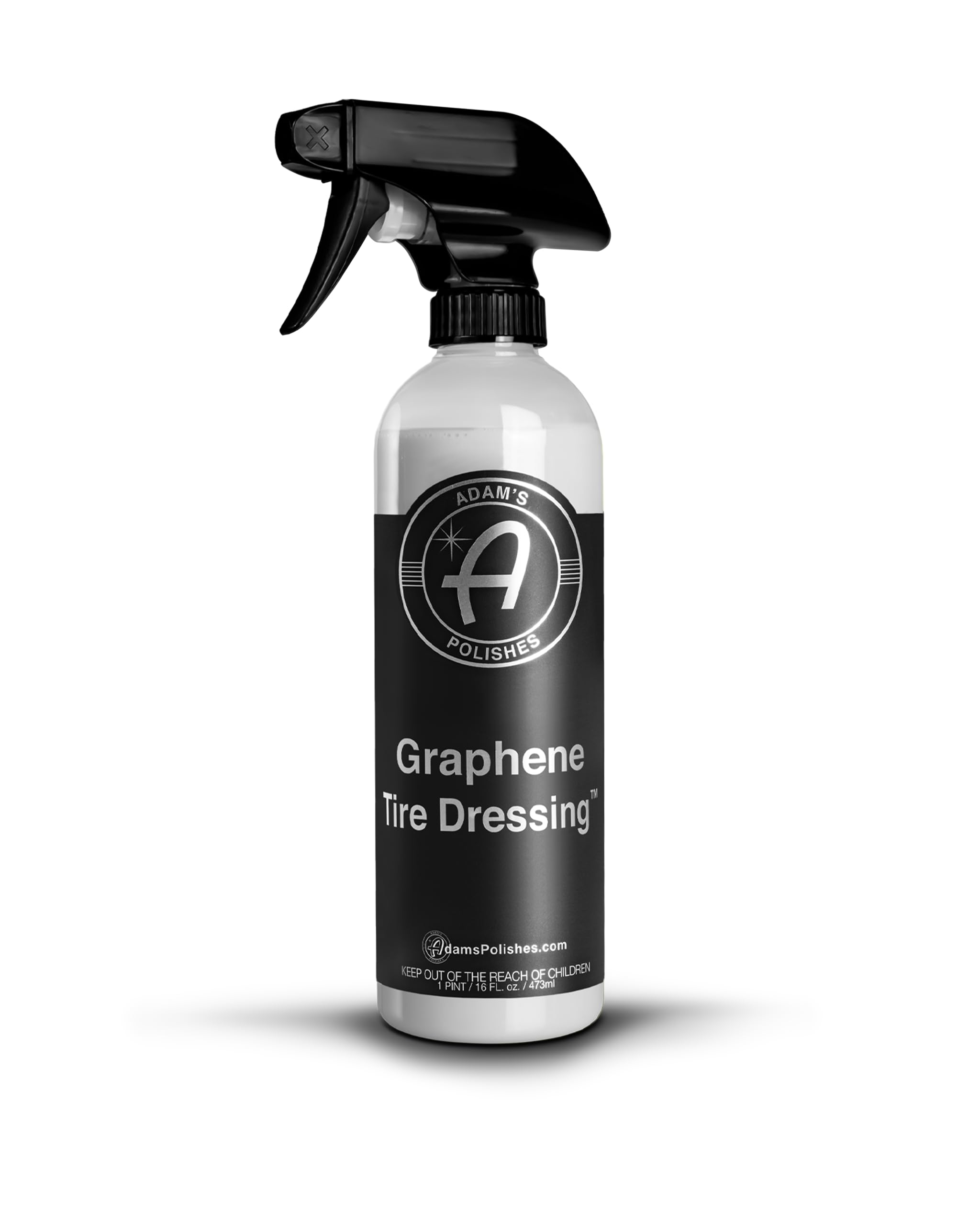
Adam's Polishes
Graphene Tire Dressing
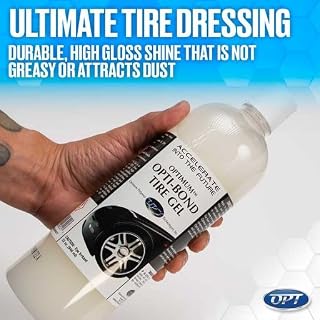
Optimum
Opti-Bond Tire Gel
Meguiar's
Ultimate Insane Shine Tire Spray
SONAX
Tire Gloss Gel
As an Amazon Associate I earn from qualifying purchases. Full disclosure

Community
0 postsShare how you use this product
Drop a quick comment or post a full review with photos and a star rating.
Sign in to postNew here? Create a free account.