
Glycerol
- Humectants
- CAS 56-81-5
- IUPAC: Propane-1,2,3-triol
Glycerol (CAS 56-81-5) appears in 12 of the 2,122 car-care products CarCareTruth tracks (as of August 2026). It is on the EPA Safer Choice list.
Not classified as hazardous under GHS. Generally Recognized as Safe (GRAS) by FDA at consumer concentrations. Not a skin or eye irritant; not an inhalation hazard.
Glycerol (also called glycerin) is a clear, viscous, non-toxic polyol widely used in detailing chemicals as a lubricity and humectant agent — it adds slip to wash solutions and helps surfactants encapsulate dirt. It is one of the safer ingredients in the category, with FDA GRAS status and no GHS classification at typical use concentrations.
Glycerol is fully biodegradable, non-bioaccumulative, and does not contribute to aquatic toxicity. It is on the EPA Safer Choice safer chemical ingredients list. Use in waterless and rinseless wash products at 0.1–1% has no health or environmental concern.
Health & environment profile
- VOC
- no
- Prop 65 listed
- no
- Asthmagen
- no
- EPA Safer Choice
- yes
- Aquatic toxicity
- no
- Biodegradable
- yes
- Bioaccumulative
- no
- Persistent
- no
- Ozone depleting
- no
- Microplastic
- no
- PFAS
- no
- Env. score
- 5/5
Common questions about Glycerol
- What is Glycerol used for in car care?
- Humectant; lubricity aid; surface-wetting agent
- Is Glycerol a VOC?
- No. Glycerol is not classified as a volatile organic compound (VOC).
- Is Glycerol on California's Proposition 65 list?
- No. Glycerol is not on California's Proposition 65 list.
- Is Glycerol EPA Safer Choice certified?
- Yes. Glycerol is on the EPA Safer Choice list.
12 products contain this
 Chemical Guys Silk Shine Tire and Trim Dressing
tire-dressing

 Prop 65
 Fix-A-Flat S60420 Aerosol Emergency Tire Sealant
tire-repair-kit
 Formula 1 Carnauba Paste Wax (12 oz)
paste-wax
 Formula 1 Headlight Restorer & Sealant
headlight-restoration
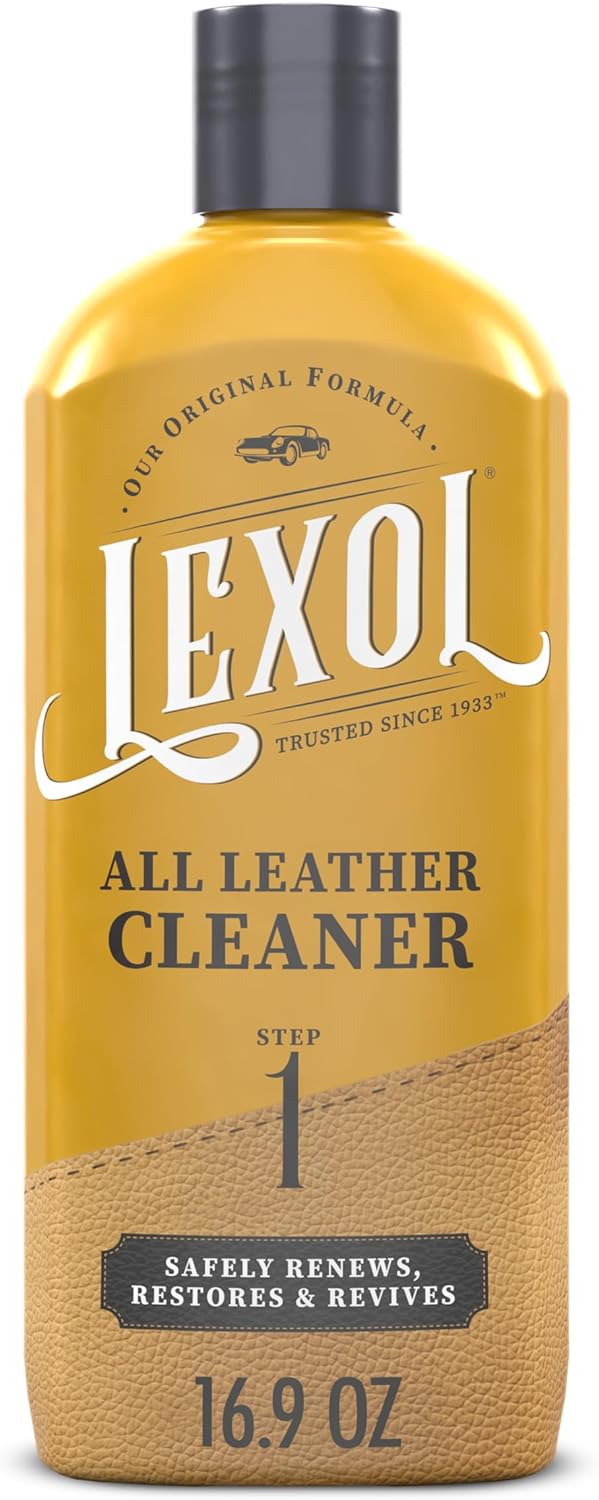 Lexol All Leather CleanerProp 65
leather-cleaner
 Lexol pH-Balanced Leather Cleaner
leather-cleaner
 Optimum No Rinse Wash & Shine (ONR Version 5)
rinseless-wash
 Optimum No Rinse Wash & Shine (ONR Version 6)
rinseless-wash
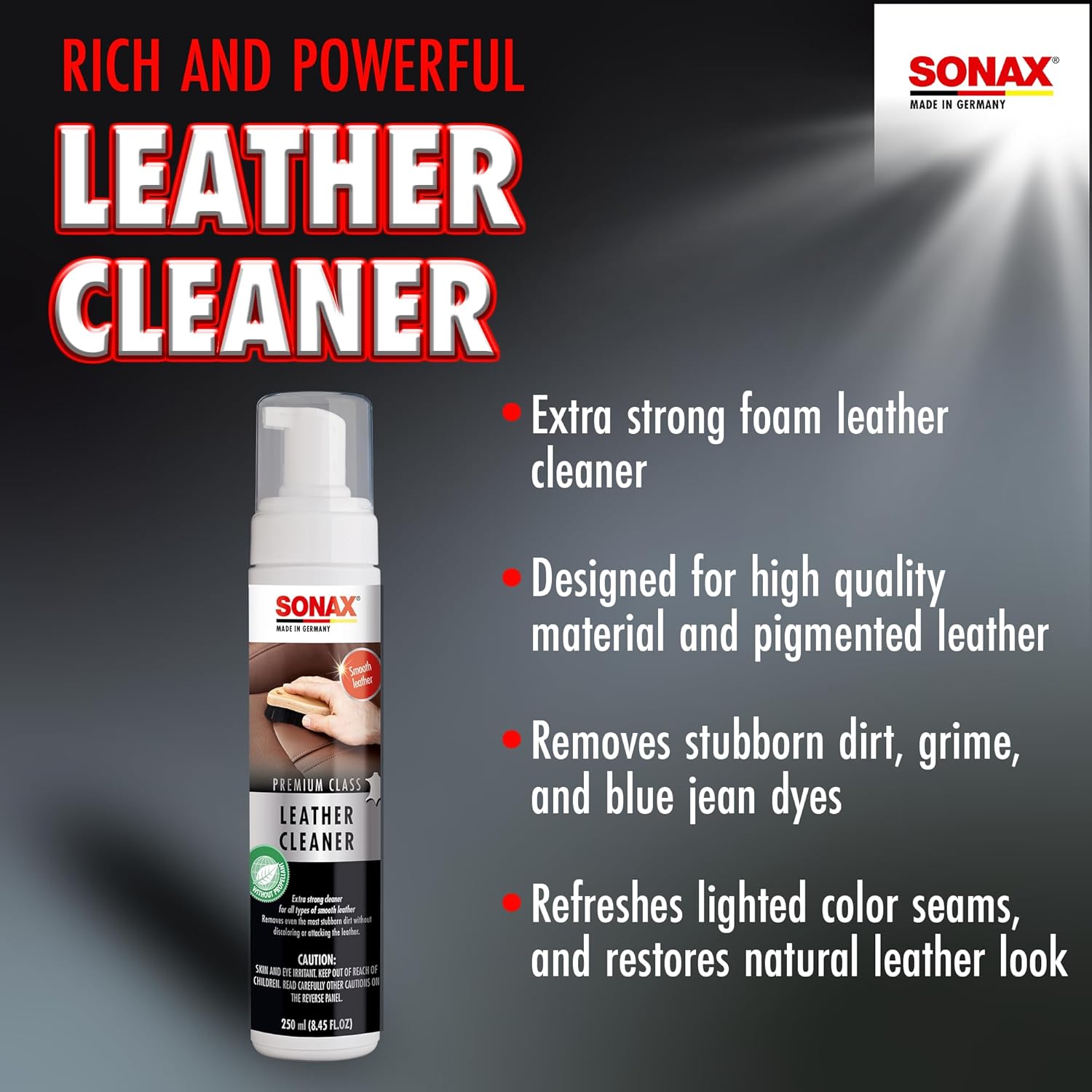 SONAX Premium Class Leather Cleaner
leather-cleaner
 TriNova Faux Leather Cleaner & ConditionerProp 65
leather-care
Related
Health and environment notes translate the manufacturer Safety Data Sheet, the GHS classification, and authoritative regulatory listings (California Prop 65, EPA). Not medical advice. They describe the ingredient itself; whether a hazard applies to a finished product depends on its concentration and how it's used.