
Dimethyl Siloxane (PDMS)
- Silicones
- CAS 63148-62-9
- IUPAC: poly(dimethylsiloxane), trimethylsiloxy-terminated
Dimethyl Siloxane (PDMS) (CAS 63148-62-9) appears in 25 of the 2,158 car-care products CarCareTruth tracks (as of August 2026).
Polydimethylsiloxane (PDMS) has low acute toxicity and negligible absorption through intact skin; it carries no GHS human-health hazard classification at typical use. It is not on California's Prop 65 list and is not classified as a carcinogen, asthmagen, or reproductive toxicant. On tire-dressing SDSs the hazard codes generally come from the carrier solvent or preservatives, not from the PDMS itself.
What it is
Polydimethylsiloxane, or PDMS, is a linear silicone polymer with the repeating structure [-Si(CH3)2-O-]n. It is the most-used silicone in consumer car care by a wide margin. The chain length of the polymer is the single variable that determines its physical behavior. Short-chain PDMS behaves like a thin oil with viscosities in the 1 to 5 cSt range. Mid-chain grades climb into the hundreds and thousands of cSt and pour like honey or syrup. Long-chain grades reach 350,000 cSt and beyond, behaving like a thick fluid or a gum. Higher chain length means more cling and less sling, and that single chemistry choice determines how a finished product behaves on a wheel arch at 60 mph.
Where it appears in car care
PDMS shows up across a wide range of products in the CarCareTruth catalog. The headline application is tire dressings, where PDMS is the gloss-and-water-repellency active. It also appears in trim restorers, exterior plastic protectants, vinyl conditioners, some interior detailers, and as a release coating baked into certain microfiber towels. Anywhere a product is asked to make plastic or rubber look darker, slicker, or more hydrophobic, PDMS is usually doing the work.
Tire dressings: solvent-based vs water-based
PDMS is the active ingredient in both solvent-based and water-based tire dressings. The difference between the two product classes is the carrier, not the active. Solvent-based dressings use a petroleum-distillate carrier, which brings an H304 aspiration hazard, high VOC content, very fast cure time, a wet glossy finish, and a strong tendency to sling once the wheel starts spinning. Water-based dressings use water plus an emulsifier system, which removes the H304 hazard, drops VOCs to near zero, slows the cure, lands at a matte-to-satin finish, and dramatically reduces sling. Both classes deliver PDMS to the rubber. The choice between them is a choice about the carrier, not the silicone.
Sling and cling
"Sling" describes PDMS flying off the spinning tire and landing on the rocker panel, quarter panel, or rear bumper. "Cling" is the opposite property: the dressing staying where it was applied. Higher-viscosity PDMS suspended in a water emulsion gel stays put. Lower-viscosity PDMS dissolved in a petroleum solvent flings. Sling is the single most common detailing complaint about silicone tire dressings, and the viscosity-grade choice the formulator made is what determines whether the product slings or clings on a given vehicle.
The trim-restorer angle
Faded exterior plastic trim is an oxidized polymer surface. The oxidation creates micro-cracking that scatters light in every direction, which the eye reads as gray and chalky. PDMS fills those micro-cracks, refracts light coherently across the surface, and restores the visual "black." The trim is not chemically repaired, it is cosmetically masked. The maintenance cycle is reapplication every one to three months as the silicone wears off and the underlying oxidation continues. Crosslinked-silicone trim coatings use a different chemistry and last considerably longer; PDMS dressings are the easy reset for owners who do not want to commit to a coating.
The sidewall-cracking myth
A persistent myth holds that silicone tire dressings cause sidewall cracking. Modern water-based PDMS dressings do not. The myth originates in the 1980s, when silicone-based dressings often included petroleum distillates as carriers, and those distillates plasticize rubber and can accelerate cracking. The carrier was the problem, never the silicone active. Sidewall cracking is overwhelmingly the result of UV exposure and atmospheric ozone, not of any dressing applied on top.
Environmental and health profile
PDMS itself has very low acute toxicity, low aquatic toxicity at typical exposure concentrations, and negligible bioavailability through intact skin. The hazard codes that appear on tire-dressing SDSs almost always come from the carrier (petroleum distillate H304, naphtha skin irritation) or from added preservatives such as CMIT/MIT, which carry H317 skin sensitization. The PDMS active itself rarely contributes to the SDS hazard profile.
Why detailers care about chain length
Short-chain PDMS is the version that migrates. It travels across panels, contaminates clear coat, and causes fisheye in fresh paint and clear during refinish work. Many body shops and paint-correction shops ban silicone tire dressings in the bay for this reason. The "silicone-free" claim on certain interior detailers exists specifically to allow safe use in a body-shop environment without contaminating an active paint job.
What the SDS tells you
Section 3 lists the PDMS percentage and viscosity grade, where a higher viscosity number signals more cling and less sling. Section 9 identifies the carrier through appearance, flash point, and density. Section 11 covers PDMS-specific toxicology, which is almost always benign. The hazard story on a tire-dressing SDS is the carrier story, read accordingly.
Cross-references
See the /chemicals/ hub for the full ingredient index, and petroleum distillates, hydrotreated light for the carrier story behind solvent-based dressings.
Health & environment profile
- VOC
- no
- Prop 65 listed
- no
- Asthmagen
- no
- EPA Safer Choice
- no
- Aquatic toxicity
- no
- Biodegradable
- no
- Bioaccumulative
- no
- Persistent
- no
- Ozone depleting
- no
- Microplastic
- no
- PFAS
- no
- Env. score
- 5/5
Common questions about Dimethyl Siloxane (PDMS)
- What is Dimethyl Siloxane (PDMS) used for in car care?
- Silicone polymer; provides lubrication, gloss, and water-repellency
- Is Dimethyl Siloxane (PDMS) a VOC?
- No. Dimethyl Siloxane (PDMS) is not classified as a volatile organic compound (VOC).
- Is Dimethyl Siloxane (PDMS) on California's Proposition 65 list?
- No. Dimethyl Siloxane (PDMS) is not on California's Proposition 65 list.
25 products contain this
 Adam's Polishes Adam's Buttery WaxProp 65
liquid-wax
 Adam's Polishes Graphene Tire DressingProp 65
tire-dressing
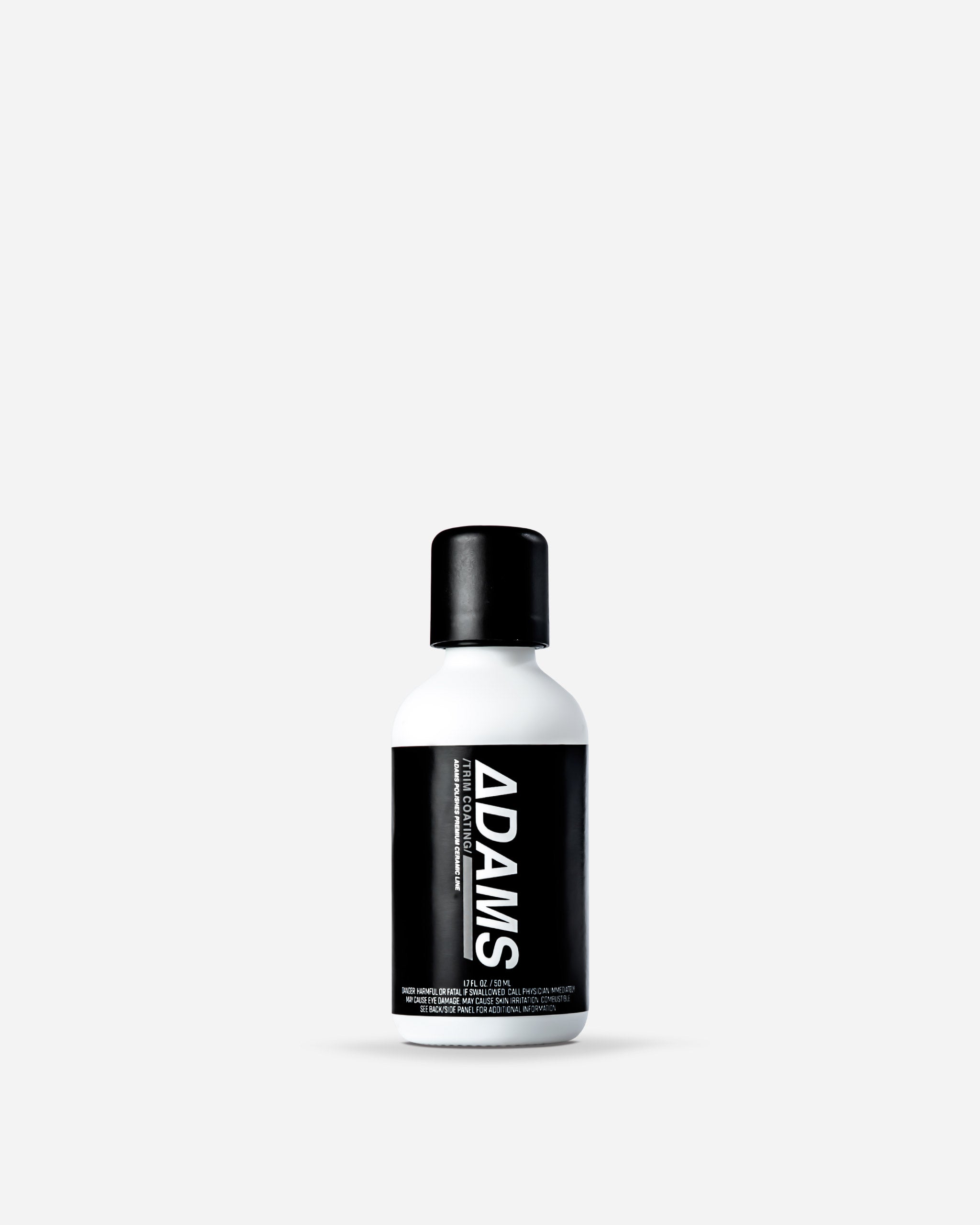 Adam's Polishes Adam's Trim Coat
trim-coating
 Armor All Extreme Tire Shine GelProp 65
tire-dressing
 Chemical Guys Clay Luber Synthetic Lubricant
clay-lubricant

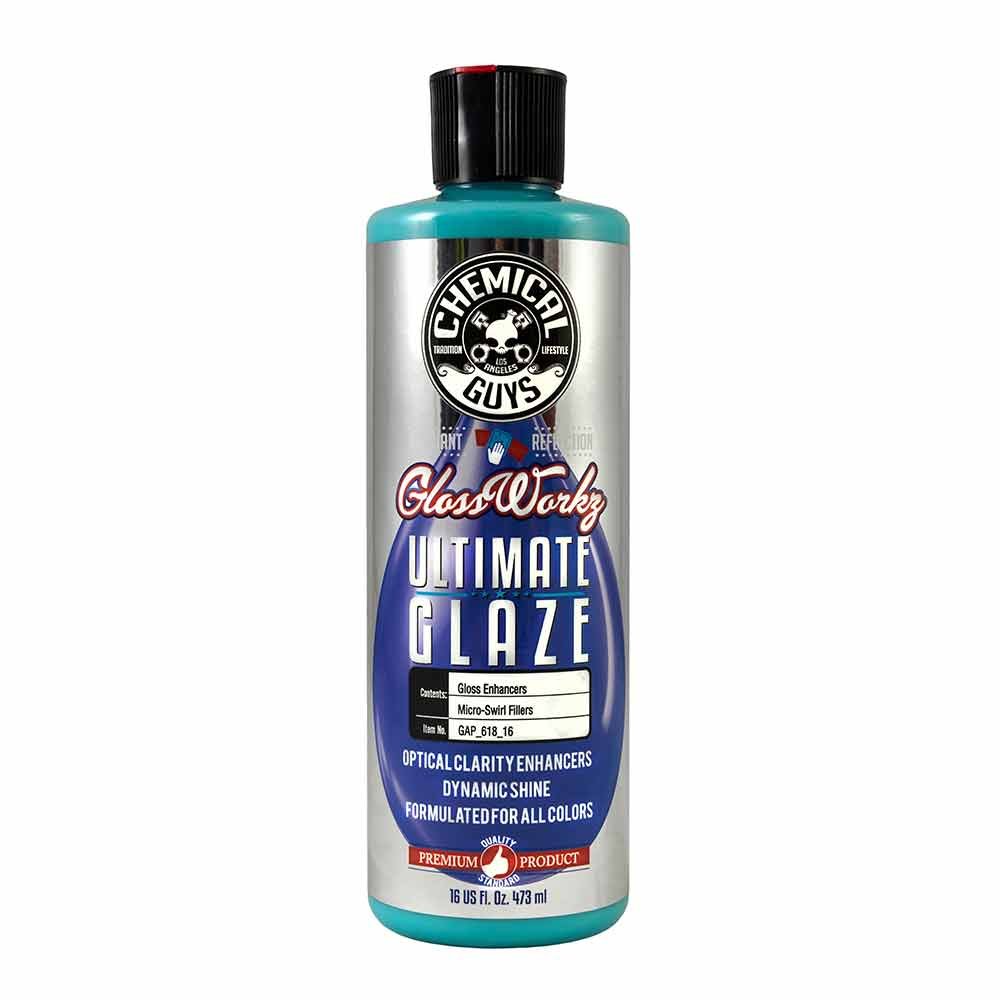
 Chemical Guys HydroSlick Intense Gloss SiO2 Ceramic Coating HyperWax
ceramic-spray-coating
 Chemical Guys HydroSlick Intense Gloss SiO2 Ceramic Coating HyperWax
ppf-maintenance-spray

 Chemical Guys Leather Quick DetailerProp 65
leather-conditioner
 Chemical Guys Silk Shine Tire and Trim Dressing
tire-dressing
 Chemical Guys Speed Wipe Quick DetailerProp 65
quick-detailer
 Chemical Guys Swift Wipe Waterless Car Wash SprayProp 65
waterless-wash

 Chemical Guys Vintage Series Leather ConditionerProp 65
leather-conditioner
 Prop 65
 Meguiar's 3-in-1 WaxProp 65
all-in-one-wax
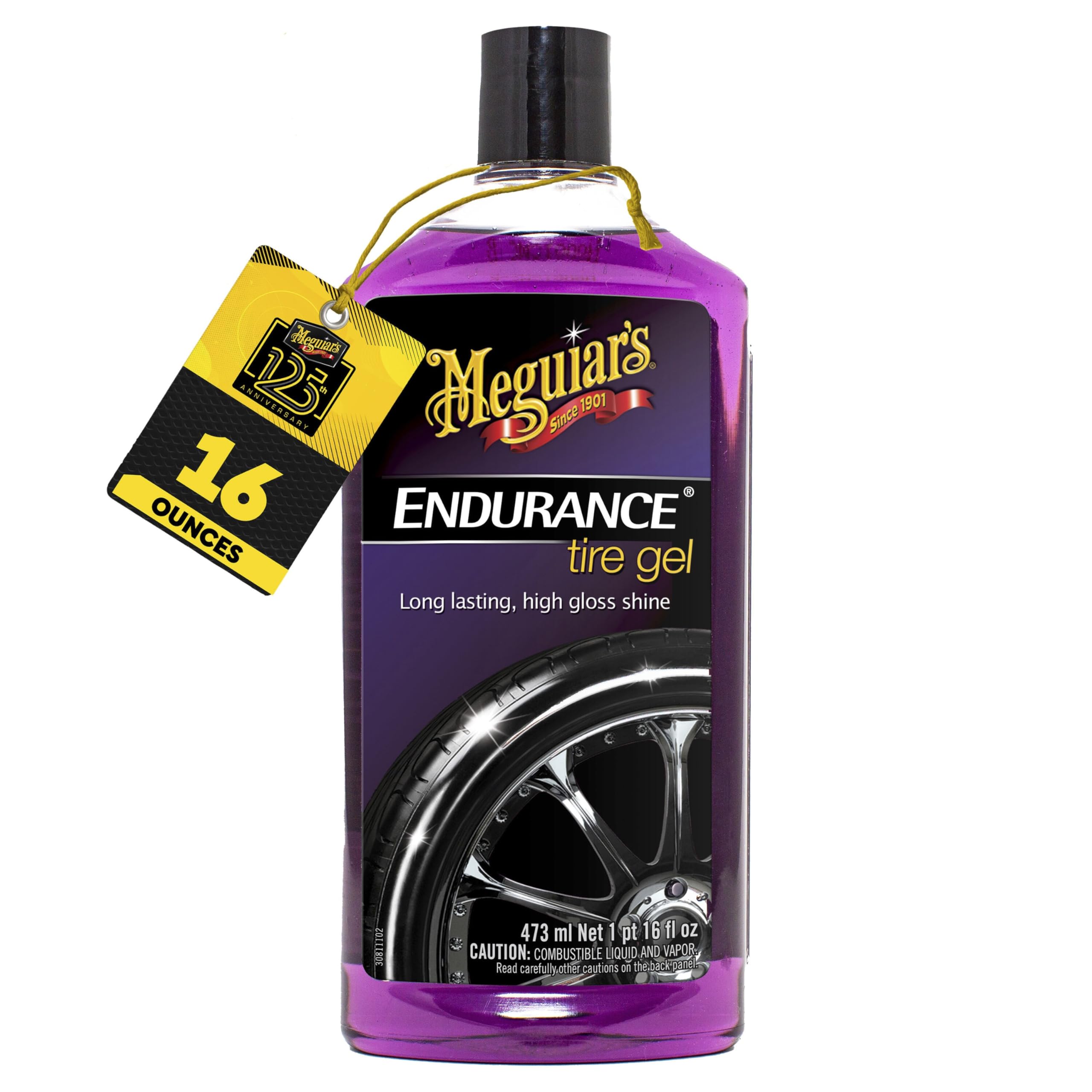 Meguiar's Endurance Tire GelProp 65
tire-dressing
 Meguiar's Professional Cleaner Wax M06Prop 65
all-in-one-wax
 Optimum No Rinse Wash & Shine (ONR Version 5)
rinseless-wash
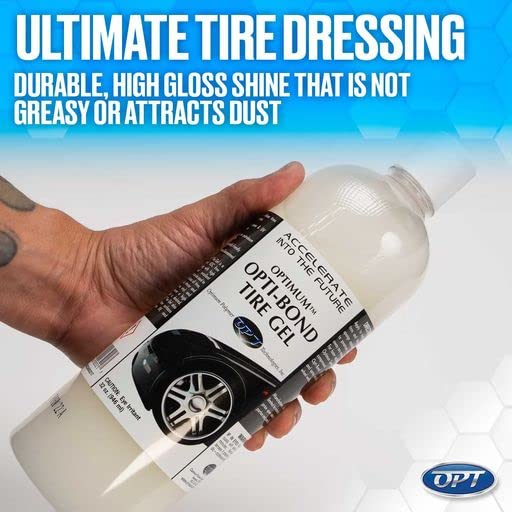 Optimum Opti-Bond Tire Gel
tire-dressing
 SONAX Tire Gloss GelProp 65
tire-dressing
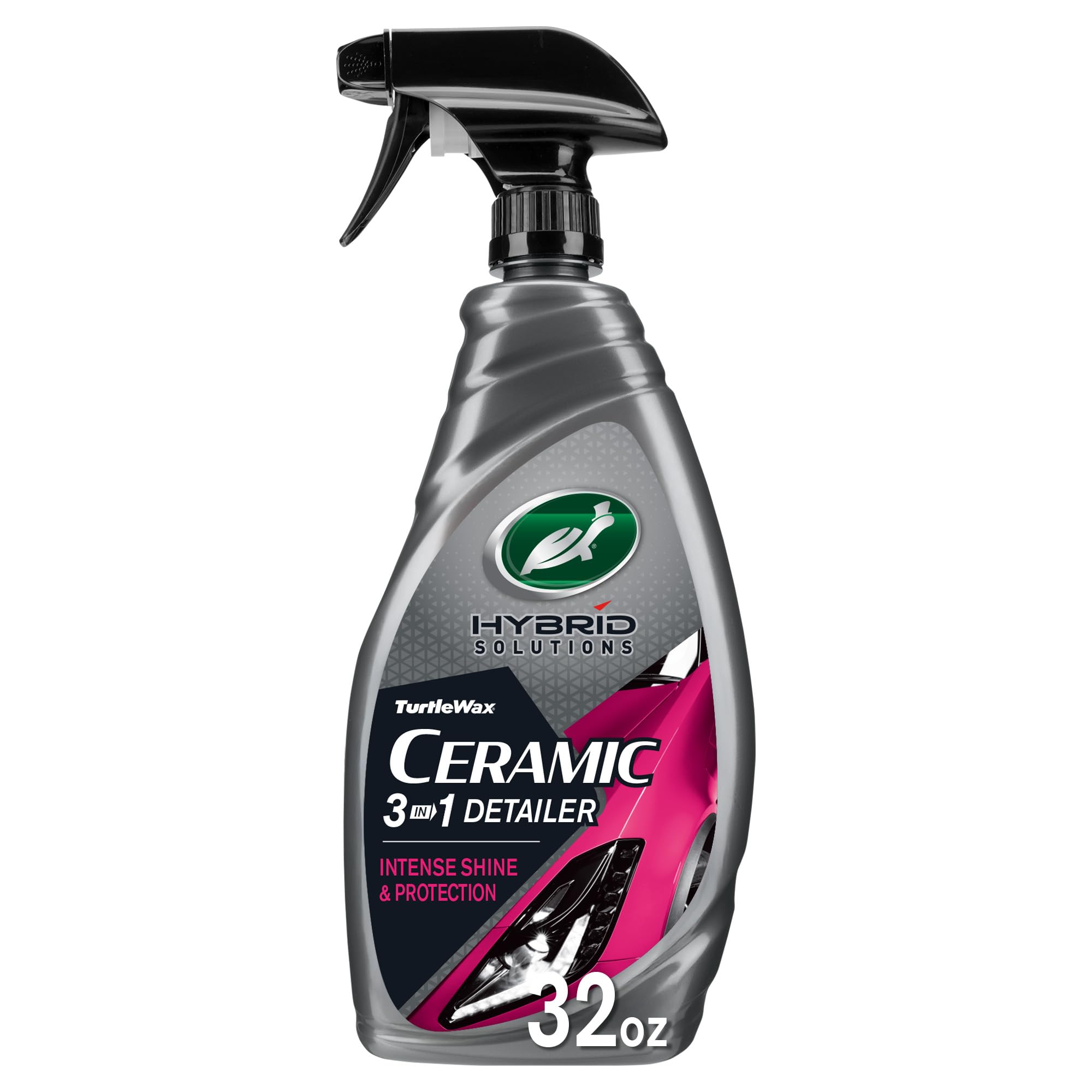 Turtle Wax Hybrid Solutions Ceramic 3-in-1 Car Detailer
quick-detailer
 Turtle Wax Hybrid Solutions Ceramic Polish & WaxProp 65
all-in-one-wax
Related
Health and environment notes translate the manufacturer Safety Data Sheet, the GHS classification, and authoritative regulatory listings (California Prop 65, EPA). Not medical advice. They describe the ingredient itself; whether a hazard applies to a finished product depends on its concentration and how it's used.