CarCareTruth Score
Decent.
Opens Amazon in a new tab. No account needed to look.
Saved to your guest loadout. Sign up to also save to your Cabinet (consumables) or Kit (tools you own).
As an Amazon Associate I earn from qualifying purchases. Full disclosure
Prices may varyHealth score is for adult use as intended, per the manufacturer's SDS. It does not model child ingestion, accidental spill cleanup, or off-label use. See the safety panel below for full hazard classification, and /disclaimer for the full editorial scope.
GHS hazard codes are quoted from the manufacturer’s Safety Data Sheet. PPE tiers below translate those codes and the listed ingredient chemistry; they are not CarCareTruth recommendations.
Show details for all categories ▾Hide details ▴
Only when: splash risk
Translated from the manufacturer’s Safety Data Sheet, Section 2
H320 (Cat 2B eye irritation) · eye contact is the mechanism; gel drip during overhead panel or roof application is the specific splash-risk trigger.
U.S. regulatory standard
29 CFR 1910.133(a)(1)
“appropriate eye or face protection when exposed to eye or face hazards from… liquid chemicals…”
ANSI Z87.1 (incorporated via §1910.6)
OSHA standards apply to workplaces. Cited here as the U.S. reference threshold for the underlying hazard class.
CarCareTruth publishes the cited sources verbatim and does not advise what action a user should take. Consult the full SDS before use.
Only when: prolonged use
Beyond SDS: translated from the ingredient chemistry
No H315, H317, or H314 in SDS §2. SDS §8 standard skin-contact avoidance language; brief incidental contact during gel application is the typical scenario.
CarCareTruth publishes the cited sources verbatim and does not advise what action a user should take. Consult the full SDS before use.
Only when: in enclosed space
Beyond SDS: translated from the ingredient chemistry
SDS does not classify respiratory irritation at the mixture level (no H335 or H334 in §2). Gel format produces no meaningful mist pathway under normal outdoor application; SDS §8 cites general ventilation only. Enclosed-space caution applies per rubric minimum.
CarCareTruth publishes the cited sources verbatim and does not advise what action a user should take. Consult the full SDS before use.
No PPE specified in published sources for ventilation. Absence does not imply “not needed” — consult the full Safety Data Sheet.
PPE tiers translate the manufacturer’s SDS and U.S. regulatory standards. Not professional safety advice. How we report safety.
Scope of these PPE tiers. The tiers on this page translate the product's Safety Data Sheet where one is published, plus its ingredient chemistry, into a comparable rating. They describe a formulation, not a situation: a tier is not a safety determination for any specific user, task, quantity, or environment. The manufacturer's label and use instructions govern how the product is handled. Where the product is used at work, the employer's PPE program and hazard assessment under 29 CFR 1910.132 decide what protection is selected, not this page.
No warranties. CarCareTruth makes no warranties, express or implied, and expressly disclaims the implied warranties of merchantability and fitness for a particular purpose.
This product ranks #5 of 7 in PPF Maintenance Spray.Three above it ↓
Last reviewed July 3, 2026
TL;DR A ceramic gel wax the manufacturer claims is safe on all exterior surfaces including PPF, with no independent PPF installer confirmation found. Gloss is a genuine standout; gel removal is demanding and often needs a supplemental detailer.
HydroSlick is a gel-format ceramic wax squeezed onto a microfiber pad and worked panel by panel. It delivers strong wet-look gloss and a beading boost confirmed across a wide paint-user community. The water-base silicone chemistry contains no aromatic solvents and is compatible in profile with PPF-safe formulations; the manufacturer claims all exterior surfaces including PPF by implication. No named-film compatibility documentation or independent PPF installer threads confirming no topcoat distress have been located. All community performance data is from paint. Beading holds 4 to 8 weeks on a daily driver. Multiple community sources document demanding gel removal that often requires a supplemental spray detailer.
Best for owners who have HydroSlick on hand and want to use it across all exterior surfaces, relying on a manufacturer-only PPF compatibility claim. Skip it as a dedicated PPF spray if you have premium self-healing film and want installer-confirmed safety data.
WARNING from H303 (may be harmful if swallowed, Cat 5) and H320 (eye irritation Cat 2B). The gel produces no spray mist; SDS §8 does not specify skin or respiratory protection for normal use. H320 is the relevant mechanism for overhead application where gel may drip. No IPA or co-solvents; VOC output is negligible. Leave-on pathway limits runoff. No PFAS, no aquatic toxicity codes in SDS §12, no Prop 65.
The manufacturer claims compatibility with all exterior surfaces including paint, glass, chrome, headlights, and wheels; PPF is included by that general claim. The SDS §3 chemistry (water-base, silicone polymer, inorganic silicate, no aromatic solvents) is consistent in profile with PPF-safe formulations. However, Chemical Guys has not published a dedicated PPF technical data sheet or named specific PPF brand compatibility, and no independent PPF installer confirmation at any timeframe has been located. If you have high-value self-healing film, apply to a small test panel first and check with your installer before a full vehicle wipe-down.
Community reports indicate beading typically lasts 4 to 8 weeks on a daily driver under average wash frequency. Under favorable conditions with infrequent washing, some owners have confirmed beading presence at 3 months. The manufacturer's claim of lasting months aligns with best-case results but overstates the typical experience. All community-confirmed figures are from paint application; no PPF-specific beading duration data is available.
HydroSlick comes in a gel squeeze-bottle format, not a pump spray. You squeeze a small amount onto a microfiber applicator or directly onto the panel, spread it evenly, let it flash briefly, then buff off with a clean microfiber. Multiple community sources note that gel removal can be more demanding than typical spray detailers, sometimes requiring a second microfiber or a supplemental spray detailer to clear residue cleanly. Budget extra time compared to a conventional pump-spray PPF detailer.
No. The SDS §3 ingredient list (confirmed from the 2019 revision) does not include any fluorinated compounds, fluoropolymers, or PFAS-type hydrophobic boosters. The water-repelling effect comes from the dimethyl siloxane (a silicone polymer) and the inorganic silicate in the formula, not from fluorinated chemistry. Note that the SDS is from 2019; if the formula has been updated since then, the ingredients may differ · Chemical Guys' website referenced Cumene in a Prop 65 context as of 2024, which could indicate a revision.
The manufacturer's all-surface compatibility claim includes ceramic-coated surfaces. Community use on paint and ceramic coatings has not produced documented compatibility concerns in available sources. No dedicated testing or documentation from Chemical Guys specifically addresses ceramic-coating compatibility in technical terms, and no community reports of hazing or interference with ceramic topcoats have been identified. A test panel is advisable before first use over any active coating.
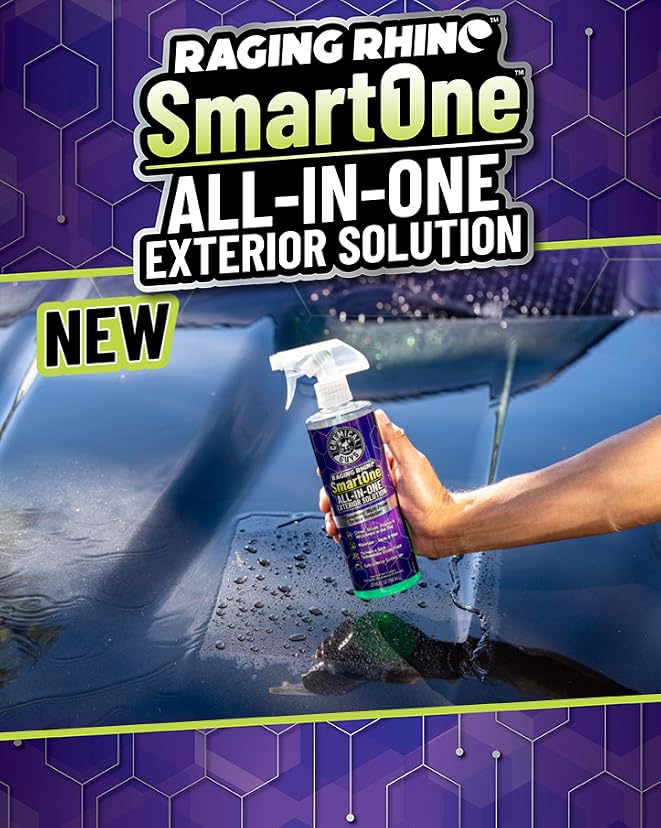
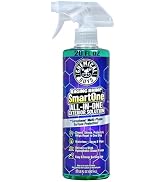
Marketing copy from Chemical Guys, via Amazon. Not editorial.
Weekly pick
One product, one safety verdict, every week. No spam.

XPEL
Detail Spray
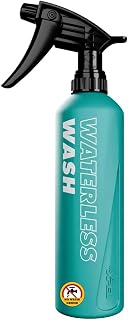
XPEL
SiO2 Waterless Car Wash Spray
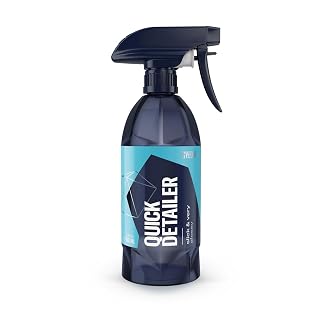
Gyeon
Q²M QuickDetailer
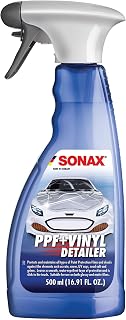
SONAX
PPF + Vinyl Detailer
As an Amazon Associate I earn from qualifying purchases. Full disclosure

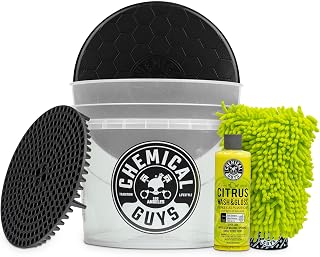
Community
0 postsShare how you use this product
Drop a quick comment or post a full review with photos and a star rating.
Sign in to postNew here? Create a free account.