
2-Butoxyethanol
- Glycol ether solvents
- CAS 111-76-2
- IUPAC: 2-butoxyethan-1-ol
2-Butoxyethanol (CAS 111-76-2) appears in 59 of the 2,168 car-care products CarCareTruth tracks (as of August 2026). It is classified as a VOC.
Harmful if swallowed (H302), harmful in contact with skin (H312), and harmful if inhaled (H332). Causes skin irritation (H315) and serious eye irritation (H319). May cause drowsiness or dizziness (H336). Signal word WARNING. H332 is often omitted in consumer SDSs — check SDS Section 3 for CAS 111-76-2 when evaluating finished products.
What it is
2-Butoxyethanol (CAS 111-76-2) is a glycol ether solvent: a clear, colorless liquid with a mild ether odor, fully miscible with water and most organic solvents. The molecule is ethylene glycol with a butyl ether on one end and a free hydroxyl on the other, which gives it dual character: the ether side dissolves oils, the hydroxyl side keeps it water-soluble. Synonyms include EGBE, butyl cellosolve, butyl glycol, and Glycol Ether EB. NIOSH assigns a skin notation, meaning dermal absorption is a documented exposure pathway.
Where it shows up in car care
This is one of the highest fan-out chemistries in the catalog, present across several product categories. Wheel cleaners are the dominant use: brake-dust binder is a mix of iron oxide, road grime, and oily residue, and EGBE cuts the oily portion so the chelating acid or alkali can lift the metallic portion. All-purpose cleaners use it as the workhorse solvent behind the surfactant package. Engine-bay degreasers rely on it to handle baked-on oil film without flashing off the way naphtha or mineral spirits do. It also appears in alkaline glass cleaners, some interior cleaners, and paint-prep wipes. Typical concentrations run 3 to 15 percent by weight, with wheel cleaners and engine degreasers at the high end.
Why formulators reach for it
EGBE is a coupling solvent: it bridges oily soils with the water-based surfactant system that delivers and rinses the product. A few properties keep it in the formulator's toolkit. It has high solvency for oily films without being aggressive enough to strip cured silicone or polymer protection from paint and trim. It is fully water-mixable, so it ships in concentrate without phase-separation. Its boiling point is 171 °C, giving a slow flash-off that lets surfactants work before the panel dries. It also acts as a hydrotrope, stabilizing alkaline surfactant blends that would otherwise gel or separate.
Skin-absorption pathway
The skin route is the one that distinguishes 2-butoxyethanol from less-studied solvents. NIOSH assigns a skin notation and OSHA sets a TLV-TWA of 5 ppm with a skin designation, both of which flag absorption through intact skin as a meaningful contributor to total dose. Standard nitrile gloves degrade with prolonged exposure to concentrated EGBE, with breakthrough times in the 30-minute range reported in glove-manufacturer permeation data. Repeated dermal exposure to full-strength concentrate has been associated with hematologic effects (hemolysis, reduced red blood cell counts) in animal studies; the human evidence at realistic consumer dilutions is less clear, but the mechanism is established. The California Department of Public Health HESIS program publishes a worker brochure that covers this in plain language.
Inhalation pathway
CLP classification includes H335 (respiratory irritation) and H319 (serious eye irritation), with H302, H312, and H332 (acute toxicity by oral, dermal, and inhalation routes) appearing at concentrate strengths. In an open driveway or shop bay with airflow, vapor concentrations stay well below occupational limits. In a closed garage with aerosol or trigger-spray application of a wheel cleaner or engine degreaser, concentrations can build into the occupationally-relevant range within minutes. Opening a garage door or running a box fan drops measured vapor by roughly an order of magnitude in informal field testing. The respiratory irritation code H335 is the one most likely to manifest before any chronic effect: throat scratch and cough within the application window.
Regulatory landscape
2-Butoxyethanol (CAS 111-76-2) is not a Proposition 65-listed chemical — it does not appear on the OEHHA list. Its shorter-chain glycol-ether cousins, ethylene glycol monomethyl ether (EGME) and ethylene glycol monoethyl ether (EGEE), do carry their own separate Prop 65 listings, which is a frequent source of confusion, but EGBE itself is not listed. It is not an EPA Safer Choice listed ingredient. EU REACH classifies the pure substance under H302 + H312 + H332 + H319 + H335; the classification of finished mixtures depends on concentration thresholds and the rest of the formula. The California Air Resources Board excludes EGBE from its VOC definition because of its high boiling point and low photochemical reactivity, which means products containing meaningful levels of it can still carry "low-VOC" claims on the label even though it is functionally a real solvent. The EU restricts certain spray applications above 3 percent under CLP/REACH.
EGBE versus DEGBE
Diethylene glycol monobutyl ether (DEGBE) is the longer-chain cousin of EGBE and fills the same coupling-solvent role with a lower regulatory and toxicological profile. Many formulators have migrated to DEGBE for products where the brand wants to soften its hazard communication or sidestep the EU spray-application restriction. Performance is similar at the surfactant-coupling job; grease-cutting solvency is slightly lower per gram, so finished products sometimes carry a higher total solvent load.
Where to look on the SDS
Section 3 lists the ingredient by name and CAS 111-76-2, typically at 3 to 15 percent by weight in finished products. Section 8 carries the PPE guidance and the skin designation is the key data point there. Section 11 (toxicology) is where the hematologic and reproductive endpoints appear when they are listed at all. The broader chemistry hub lives at /chemicals/.
Sources
- NIOSH Pocket Guide to Chemical Hazards, 2-Butoxyethanol entry
- OSHA Annotated Table Z-1 (TLV-TWA, skin designation)
- California Department of Public Health, HESIS worker brochure on glycol ethers
- EU CLP harmonized classification, Annex VI, 2-butoxyethanol
- California Air Resources Board VOC exemption list
Health & environment profile
- VOC
- yes
- Prop 65 listed
- no
- Asthmagen
- no
- EPA Safer Choice
- no
- Aquatic toxicity
- no
- Biodegradable
- yes
- Bioaccumulative
- no
- Persistent
- no
- Ozone depleting
- no
- Microplastic
- no
- PFAS
- no
- Env. score
- 3/5
Common questions about 2-Butoxyethanol
- What is 2-Butoxyethanol used for in car care?
- Solvent, degreaser, and surfactant aid in engine degreasers, all-purpose cleaners, and car wash concentrates
- Is 2-Butoxyethanol a VOC?
- Yes. 2-Butoxyethanol is classified as a volatile organic compound (VOC).
- Is 2-Butoxyethanol on California's Proposition 65 list?
- No. 2-Butoxyethanol is not on California's Proposition 65 list.
- Is 2-Butoxyethanol biodegradable?
- Yes. 2-Butoxyethanol has a confirmed biodegradable profile.
59 products contain this
 Adam's Polishes Bug Remover (16 oz)
bug-tar-remover
 Adam's Polishes Total Interior Cleaner & Protectant
dashboard-protectant
 AMSOIL Power Foam Engine Cleaner and DegreaserProp 65
engine-degreaser
 Armor All Auto Glass Cleaner
glass-cleaner
 Berryman 2209 B-12 Chemtool Air-Intake Cleaner (11 oz aerosol)
throttle-body-cleaner
 Prop 65
 Prop 65
 Black Magic Bleche-Wite Tire CleanerProp 65
tire-cleaner
 Bondo Scratch & Rock Chip Repair KitProp 65
paint-touch-up
 CarPro Inside Car Interior Cleaner
fabric-upholstery-cleaner
 Chemical Guys Bug and Tar Heavy Duty Car Wash (CWS104)Prop 65
bug-tar-remover
 Chemical Guys Colorless and Odorless Leather Cleaner
leather-cleaner
 Chemical Guys Convertible Top Cleaner
convertible-top-cleaner

 Chemical Guys Heavy Duty Water Spot RemoverProp 65
glass-water-spot-remover
 Chemical Guys HydroCharge SiO2 Ceramic Spray CoatingProp 65
ceramic-spray-coating

 Chemical Guys Nonsense Colorless & Odorless All Surface CleanerProp 65
all-purpose-cleaner
 Chemical Guys Signature Series Orange Degreaser
engine-degreaser
 Prop 65
 CRC Battery Cleaner with Acid Indicator (11 oz)Prop 65
battery-terminal-cleaner
 CRC Motor TreatmentProp 65
fuel-system-cleaner
 FDC Rust Converter ULTRA (1 Gallon)Prop 65
rust-converter
 Gempler's Rust ConverterProp 65
rust-converter
 Prop 65
 Griot's Garage Ultra-Premium Foaming Glass CleanerProp 65
glass-cleaner
 Gyeon Q2M TireCleaner
tire-cleaner
 Prop 65
 Koch-Chemie Clay Spray
clay-lubricant
 Koch-Chemie Panel Prep Spray (Pps)
panel-wipe
 Loctite Extend Rust NeutralizerProp 65
rust-converter

 Magic Finish Car Glass CleanerProp 65
glass-cleaner
 Prop 65
 Meguiar's Perfect Clarity Glass Cleaner
glass-cleaner
 Mothers California Gold Chrome PolishProp 65
chrome-polish
 Mothers Carpet & Upholstery Cleaner
carpet-cleaner
 Mothers Professional All-Purpose Cleaner
all-purpose-cleaner
 Mothers Speed Foaming Bug & Tar Remover
bug-tar-remover
 Motorcraft Carburetor Tune-Up Cleaner PM-3Prop 65
carb-cleaner
 Oil Eater Original Cleaner & Degreaser ConcentrateProp 65
engine-degreaser
 Opti-Lube XPD All-Season Diesel Fuel Additive (4 oz 8-Pack)Prop 65
diesel-treatment
 Optimum FerreX Iron Remover
iron-remover
 Permatex 80369 Battery Cleaner Aerosol (5.75 oz)Prop 65
battery-terminal-cleaner
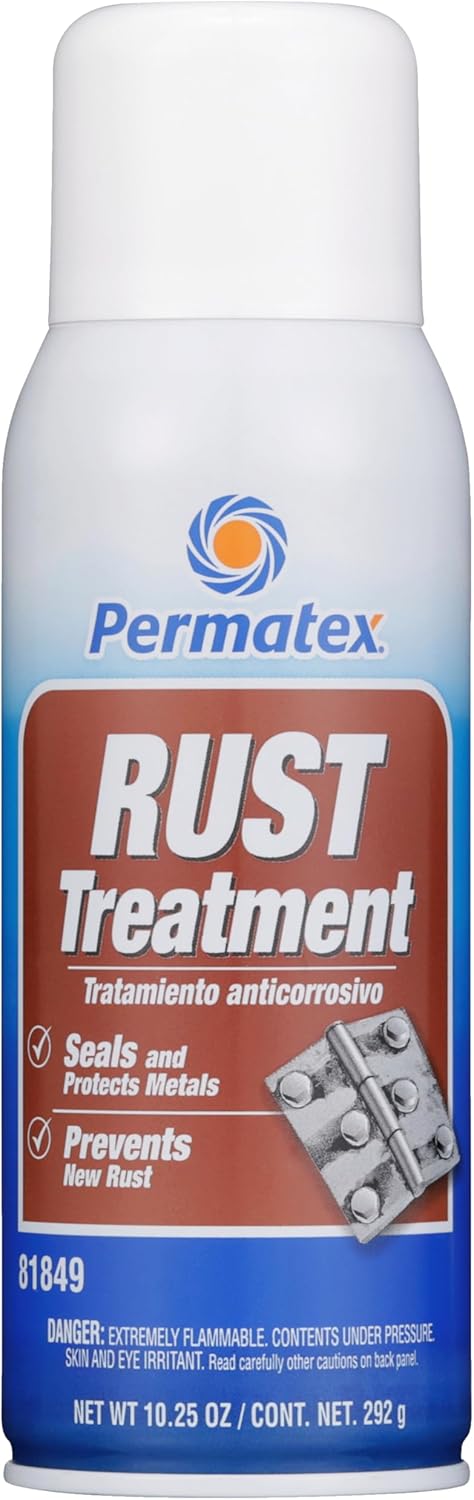 Permatex 81849 Rust TreatmentProp 65
rust-converter
 Rain-X Automotive Glass CleanerProp 65
glass-cleaner
 Rust Kutter Rust Converter
rust-converter
 Sprayway Glass Cleaner AerosolProp 65
glass-cleaner
 Stoner Car Care Upholstery & Carpet Cleaner
headliner-cleaner
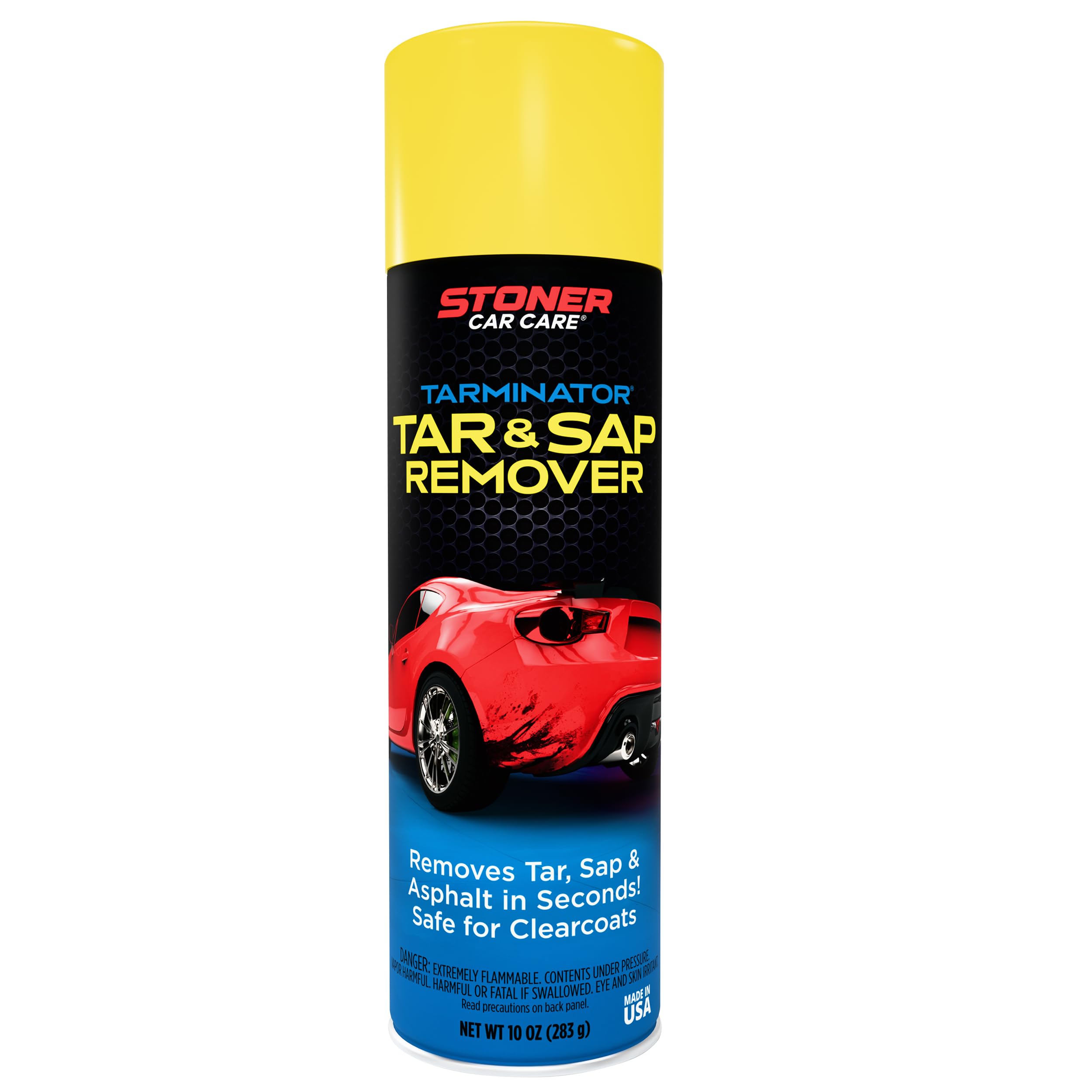 Stoner Tarminator Tar, Sap, and Asphalt RemoverProp 65
bug-tar-remover
 STP Pro Series Intake Valve CleanerProp 65
fuel-injector-cleaner
 Tuff Stuff Multi-Purpose Foam CleanerProp 65
plastic-trim-cleaner
 Turtle Wax Bug & Tar Remover (T-520A Trigger Spray)Prop 65
bug-tar-remover
 Turtle Wax Fresh Clean All-Surface CleanerProp 65
all-purpose-cleaner
 Turtle Wax Spot Clean Stain & Odor RemoverProp 65
fabric-upholstery-cleaner
 Turtle Wax Dash & Glass ProtectantProp 65
dashboard-protectant
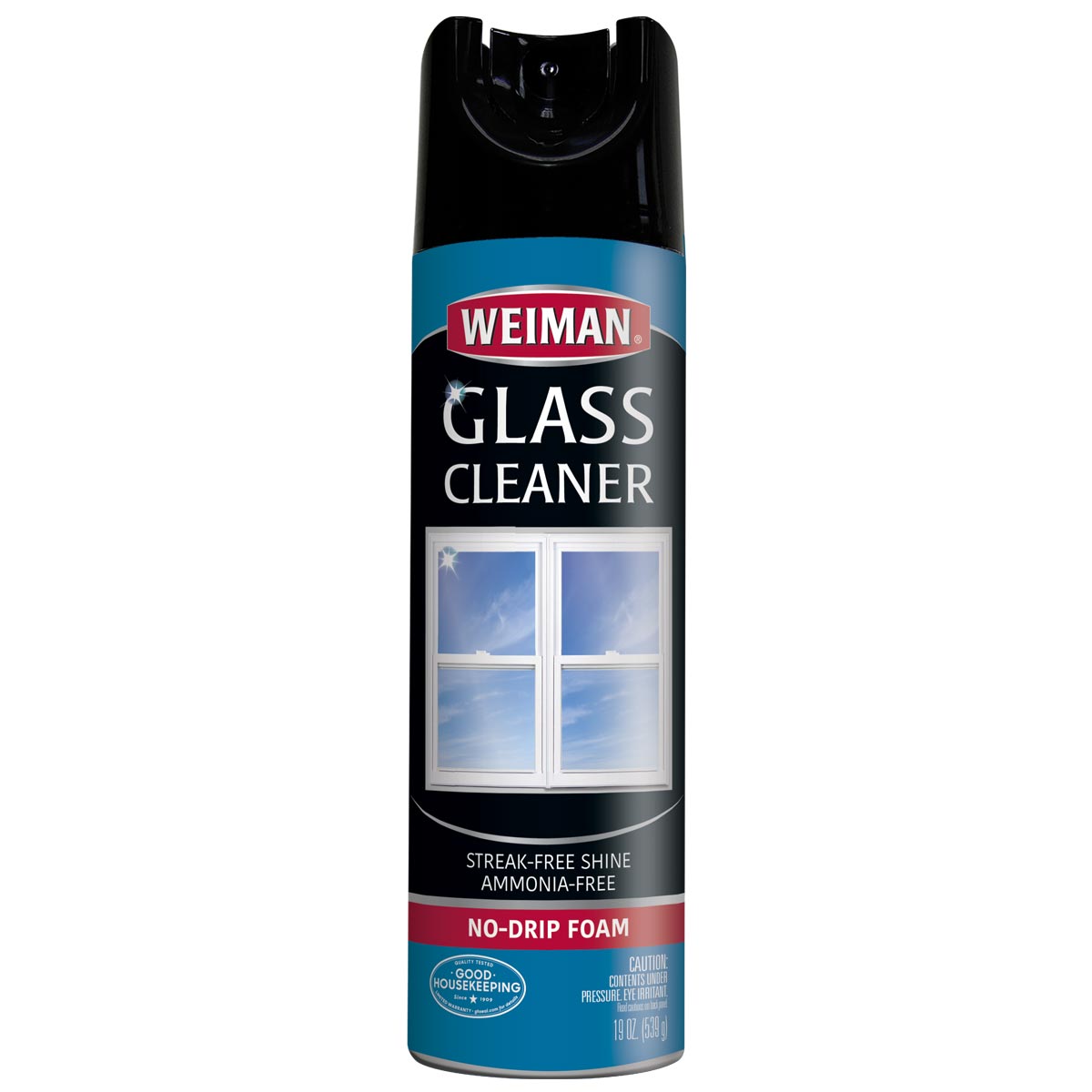 Weiman Glass CleanerProp 65
glass-cleaner
Related
Health and environment notes translate the manufacturer Safety Data Sheet, the GHS classification, and authoritative regulatory listings (California Prop 65, EPA). Not medical advice. They describe the ingredient itself; whether a hazard applies to a finished product depends on its concentration and how it's used.