CarCareTruth Score
Decent.
Saved to your guest loadout. Sign up to also save to your Cabinet (consumables) or Kit (tools you own).
As an Amazon Associate I earn from qualifying purchases. Full disclosure
Health score is for adult use as intended, per the manufacturer's SDS. It does not model child ingestion, accidental spill cleanup, or off-label use. See the safety panel below for full hazard classification, and /disclaimer for the full editorial scope.
GHS hazard codes are quoted from the manufacturer’s Safety Data Sheet. PPE tiers below translate those codes and the listed ingredient chemistry; they are not CarCareTruth recommendations.
Show details for all categories ▾Hide details ▴
Only when: misting overhead
Beyond SDS: translated from the ingredient chemistry
SDS §2 carries H223 (flammable aerosol) and H280 (gas under pressure) only, no H319 or H318. SDS §8 states safety glasses or goggles are recommended when using the product, and the label flags it as an eye irritant. Aerosol mist delivery increases eye-contact probability at normal working distance, particularly when cleaning overhead interior glass.
CarCareTruth publishes the cited sources verbatim and does not advise what action a user should take. Consult the full SDS before use.
Only when: misting overhead · prolonged use
Translated from the manufacturer’s Safety Data Sheet, Section 8
SDS §8 names body protection directly: 'Skin and Body Protection: Wear suitable protective clothing.' SDS §2 carries only H223 (flammable aerosol) and H280 (gas under pressure), both physical hazards, with no H315 or H317 at mixture level, so this is a cautious-precaution row rather than a mixture-level skin hazard. The pathway §8 covers is aerosol overspray settling on forearms during overhead interior glass work. No gloves are named.
CarCareTruth publishes the cited sources verbatim and does not advise what action a user should take. Consult the full SDS before use.
Only when: in enclosed space
Beyond SDS: translated from the ingredient chemistry
No H335 or H331 in SDS §2. Aerosol format with solvent content generates finer particulate than pump spray; interior cabin cleaning concentrates mist in a roughly 3 m3 enclosed space. The aerosol exception applies: aerosol format with any solvent content and interior cabin use meets the situational threshold without H335. The label and SDS §8 both call for adequate ventilation.
CarCareTruth publishes the cited sources verbatim and does not advise what action a user should take. Consult the full SDS before use.
No PPE specified in published sources for ventilation. Absence does not imply “not needed” — consult the full Safety Data Sheet.
PPE tiers translate the manufacturer’s SDS and U.S. regulatory standards. Not professional safety advice. How we report safety.
Last reviewed June 14, 2026
TL;DR Confirmed ammonia-free from the safety data sheet and the can label, so it is safe for OEM tinted glass, and the no-drip foam clings to vertical windows. Independent testing rated it strong on grease but slightly streaky, so it is a competent household glass cleaner rather than a category leader. Weiman discloses a California Prop 65 packaging warning. Patch-test on aftermarket adhesive-backed tint per the brand's own directions.
Ammonia-free and safe for OEM tinted glass, confirmed by the safety data sheet and the label. This is a household, multi-surface glass cleaner that also works on car glass, not a product engineered for automotive coatings. The no-drip foam clings to vertical side and rear windows instead of running off, giving the formula more contact time on oily film. Independent testing found it cuts grease well but leaves glass slightly streaky from some angles. Patch-test aftermarket tint per the brand's directions first.
Anyone with aftermarket tint, a ceramic glass coating, or a rain-repellent treatment needs an ammonia-free formula, and this one qualifies, though it carries no coating-safe claim. It is the right buy for an owner who wants an inexpensive, ammonia-free foaming cleaner that grips vertical glass and chews through greasy film. Skip it if single-pass streak-free results matter most; an auto-specific cleaner with stronger independent streak ratings fits better.
The safety data sheet WARNING reflects the flammable aerosol propellant and compressed gas, physical hazards rather than a health signal; no health hazard codes appear in the mixture classification. The eye- and lung-protection guidance is translated from the aerosol mist and the SDS Section 8 call for safety glasses and ventilation: open a window when cleaning inside. Weiman discloses a California Prop 65 packaging warning that names styrene, which traces to the plastic packaging rather than the cleaning formula; no ingredient in the disclosed formula is Prop 65 listed. Drain-destined via cloth laundering.
Yes for OEM (factory-embedded) tint. The formula is confirmed ammonia-free on the safety data sheet and the can label. For aftermarket adhesive-backed film, the brand's own directions say to test on an inconspicuous area first, because the solvent content can be aggressive on some adhesive-backed tints.
Yes. The no-drip foam clings to vertical side and rear windows instead of running off, which gives the cleaner more contact time on oily film and wastes less product. The trade-off common to all aerosols is overspray onto adjacent trim and door seals, so mask or wipe edges if you are working close to tint borders.
Weiman positions it as a household and multi-surface glass cleaner, recommended for windows, mirrors, and shower doors. It is a legitimate glass cleaner that works on automotive glass too, but it is not engineered specifically for cars. It carries no coating-safe or rain-repellent claims, so treat it as a general-purpose ammonia-free glass cleaner.
The CAUTION wording and aerosol explosion note come from the compressed propellant, a physical hazard, not a chemical toxicity classification. The safety data sheet lists only H223 (flammable aerosol) and H280 (gas under pressure) at the mixture level. The eye-irritant label and the SDS call for safety glasses reflect that direct aerosol spray can irritate eyes on contact, which is why the eye-protection guidance is situational for overhead work.
Yes. Retailer listings show a Prop 65 warning naming styrene, which traces to the plastic packaging rather than the cleaning formula. The can label itself does not print the Prop 65 text, and the safety data sheet's Section 15 makes no Prop 65 mention. No ingredient in the disclosed formula is on the Prop 65 list.
Marketing copy from Weiman, via Amazon. Not editorial.
Weekly pick
One product, one safety verdict, every week. No spam.


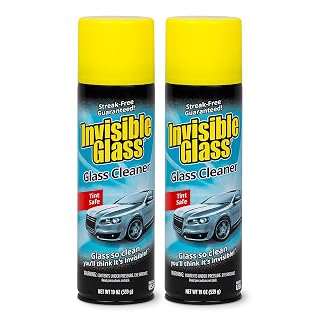
Stoner
Invisible Glass Premium Aerosol Glass Cleaner
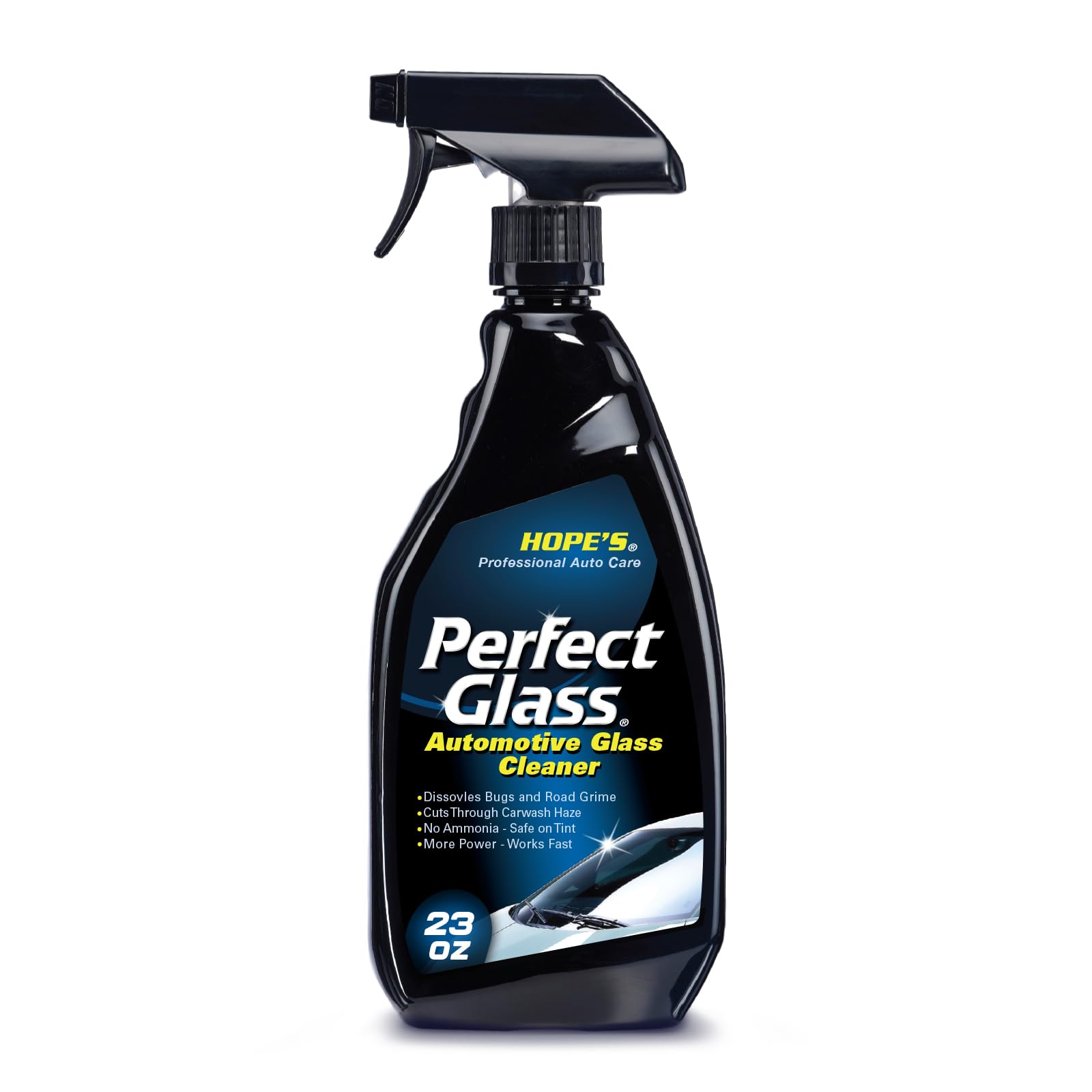
Hope's
Perfect Glass Automotive Glass Cleaner
Meguiar's
Perfect Clarity Glass Cleaner
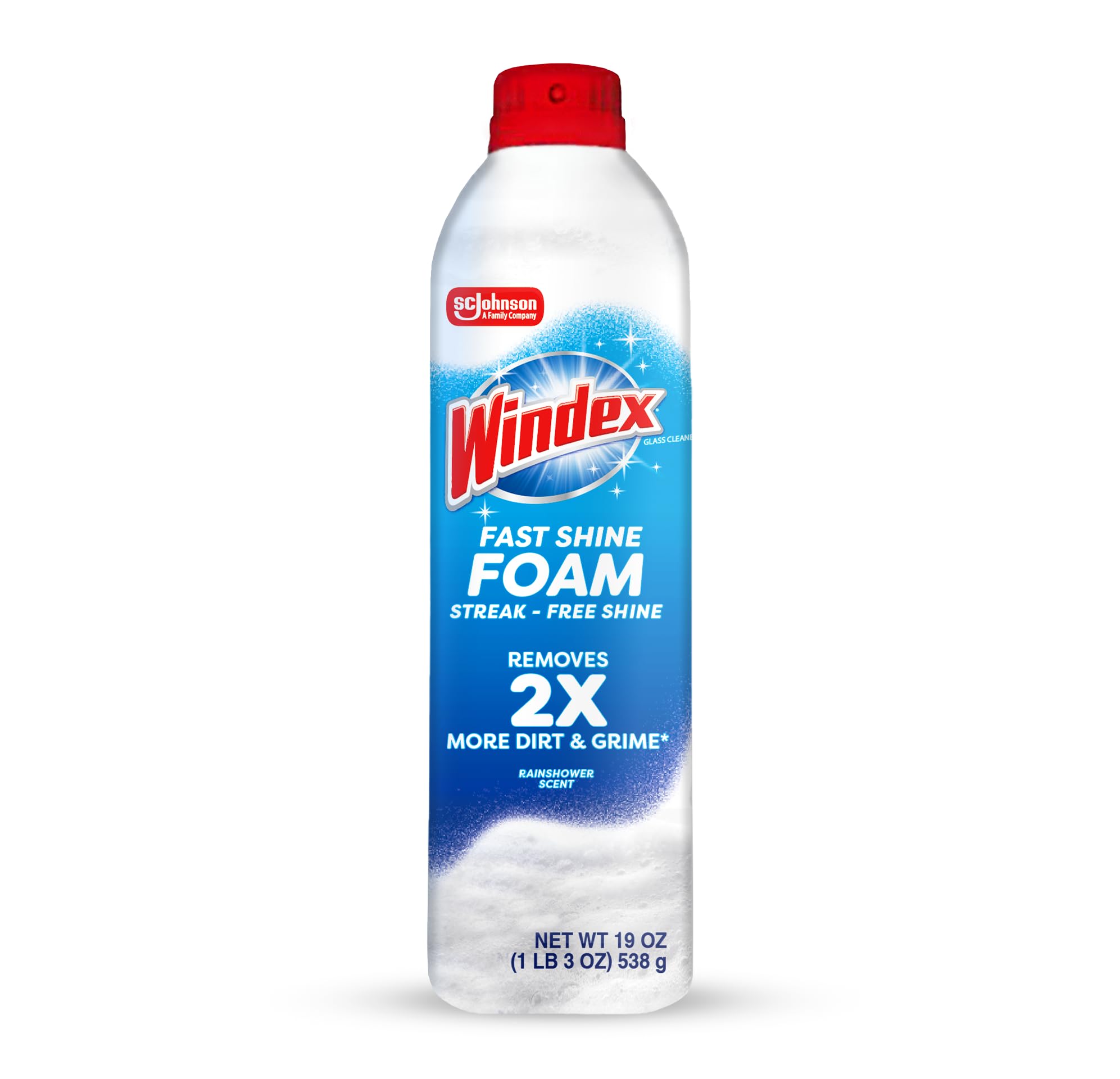
Windex
Fast Shine Foam Glass Cleaner
As an Amazon Associate I earn from qualifying purchases. Full disclosure

Community
0 postsShare how you use this product
Drop a quick comment or post a full review with photos and a star rating.
Sign in to postNew here? Create a free account.