
Butane
- Aliphatic solvents
- CAS 106-97-8
- IUPAC: Butane
Butane (CAS 106-97-8) appears in 20 of the 2,122 car-care products CarCareTruth tracks (as of August 2026). It is readily biodegradable.
Simple asphyxiant and extremely flammable gas (H220). No organ toxicity. Risk profile is identical to propane — fire and explosion hazard only. Keep away from heat sources and open flames.
Butane is a four-carbon alkane used alongside propane as an aerosol propellant. Its slightly higher boiling point (−1°C vs −42°C for propane) makes it useful for improving cold-weather spray performance in propellant blends. The two gases together give aerosol products consistent spray behavior across a wider temperature range than either alone.
The GHS classification is H220 (extremely flammable gas) and H280 (gas under pressure) — fire hazard only, no specific inhalation toxicity beyond simple asphyxiation at very high concentrations. Not on Prop 65. Disperses as a gas immediately upon release; no aquatic pathway.
Health & environment profile
- VOC
- no
- Prop 65 listed
- no
- Asthmagen
- no
- EPA Safer Choice
- no
- Aquatic toxicity
- no
- Biodegradable
- yes
- Bioaccumulative
- no
- Persistent
- no
- Ozone depleting
- no
- Microplastic
- no
- PFAS
- no
- Env. score
- 4/5
Common questions about Butane
- What is Butane used for in car care?
- Aerosol propellant — used with propane to pressurize and atomize aerosol products; higher boiling point than propane provides better spray performance at lower temperatures
- Is Butane a VOC?
- No. Butane is not classified as a volatile organic compound (VOC).
- Is Butane on California's Proposition 65 list?
- No. Butane is not on California's Proposition 65 list.
- Is Butane biodegradable?
- Yes. Butane has a confirmed biodegradable profile.
20 products contain this
 3M Multi-Purpose Spray Lubricant 08898Prop 65
multi-purpose-lubricant
 DuPont Silicone Lubricant Aerosol (DS0614101)
silicone-spray
 Duragloss 451 Fabric and Carpet Cleaner
fabric-upholstery-cleaner
 East Penn Manufacturing East Penn Deka 00320 Battery Terminal Protection SprayProp 65
battery-terminal-cleaner
 Gardner Bender GCD-003 Dielectric GreaseProp 65
dielectric-grease
 Meguiar's Carpet & Upholstery Cleaner G9719Prop 65
fabric-upholstery-cleaner
 Meguiar's Carpet & Upholstery Cleaner AerosolProp 65
carpet-cleaner
 Prop 65
 NOCO Remove E403S Battery Terminal Cleaner SprayProp 65
battery-terminal-cleaner
 NOCO E404 Battery Terminal Cleaner and Acid DetectorProp 65
battery-terminal-cleaner
 NOCO NCP2 M401 Battery Terminal Cleaning KitProp 65
battery-terminal-cleaner

 Slick Products Shine & Protectant SprayProp 65
exterior-dressing
 SONAX CC36 Ceramic Coating Kit
ceramic-coating
 Sprayway Glass Cleaner AerosolProp 65
glass-cleaner
 Sprayway SW780 Interior DetailerProp 65
interior-detailer
 Sprayway SW946 Silicone Spray and Release Agent
silicone-spray
 Tri-Flow Superior Lubricant (Aerosol, 6 oz)Prop 65
multi-purpose-lubricant
 WD-40 Specialist Water Resistant Silicone Lubricant
silicone-spray
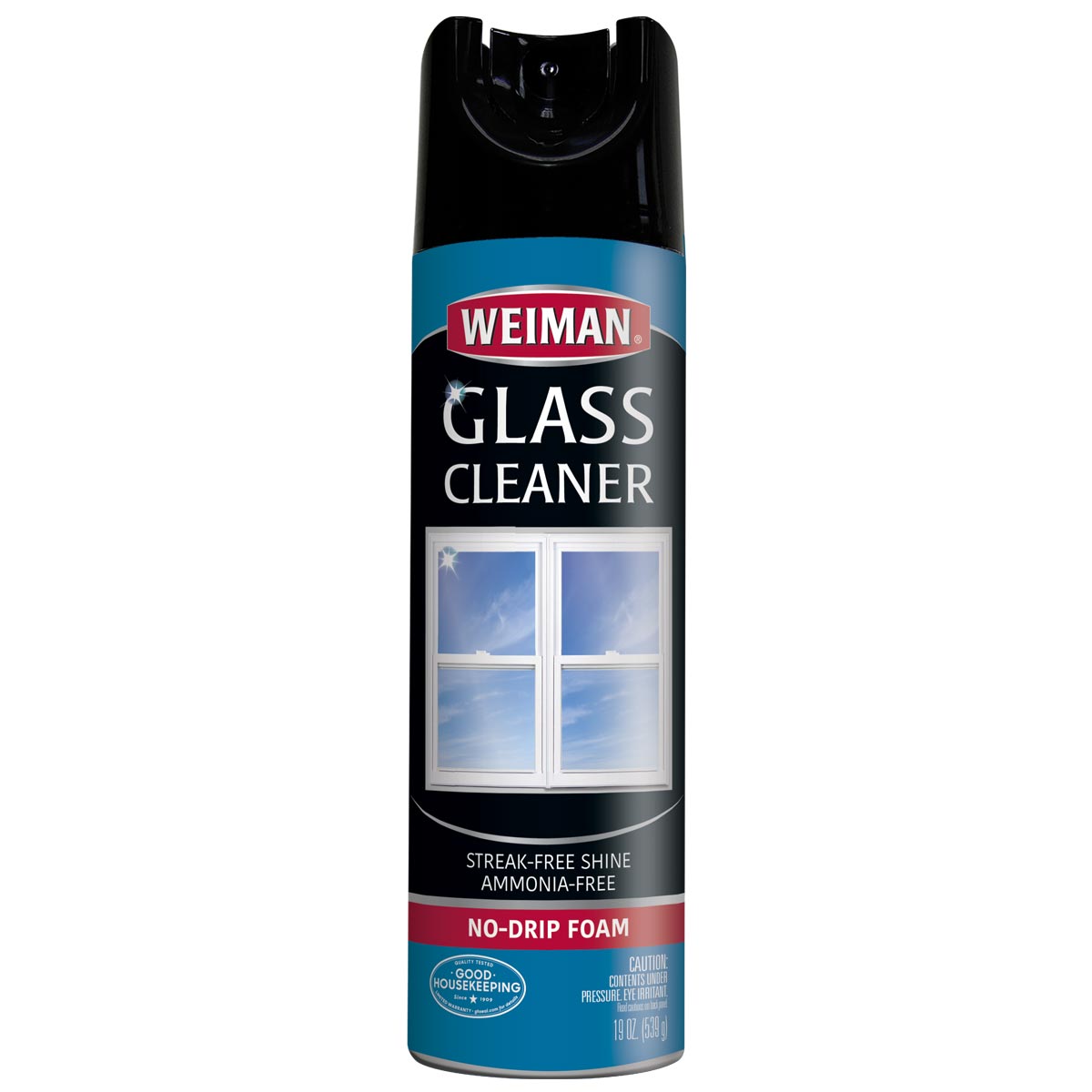 Weiman Glass CleanerProp 65
glass-cleaner
Related
Health and environment notes translate the manufacturer Safety Data Sheet, the GHS classification, and authoritative regulatory listings (California Prop 65, EPA). Not medical advice. They describe the ingredient itself; whether a hazard applies to a finished product depends on its concentration and how it's used.