CarCareTruth Score
Recommended.
Opens Amazon in a new tab. No account needed to look.
Saved to your guest loadout. Sign up to also save to your Cabinet (consumables) or Kit (tools you own).
As an Amazon Associate I earn from qualifying purchases. Full disclosure
Prices may varyHealth score is for adult use as intended, per the manufacturer's SDS. It does not model child ingestion, accidental spill cleanup, or off-label use. See the safety panel below for full hazard classification, and /disclaimer for the full editorial scope.
GHS hazard codes are quoted from the manufacturer’s Safety Data Sheet. PPE tiers below translate those codes and the listed ingredient chemistry; they are not CarCareTruth recommendations.
Show details for all categories ▾Hide details ▴
Especially relevant: misting overhead
Translated from the manufacturer’s Safety Data Sheet, Section 8
H319 (serious eye irritation, Cat 2A) confirmed in SDS §2, combined with aerosol delivery. Aerosol format produces a finer mist than a pump spray, which increases eye-contact probability at normal working distance during overhead and close-range application.
U.S. regulatory standard
29 CFR 1910.133(a)(1)
“The employer shall ensure that each affected employee uses appropriate eye or face protection when exposed to eye or face hazards from… liquid chemicals…”
ANSI Z87.1 (incorporated via §1910.6)
OSHA standards apply to workplaces. Cited here as the U.S. reference threshold for the underlying hazard class.
CarCareTruth publishes the cited sources verbatim and does not advise what action a user should take. Consult the full SDS before use.
Only when: prolonged use
Translated from the manufacturer’s Safety Data Sheet, Section 8
SDS §8 names hand protection with its own trigger: 'The use of chemically resistant gloves is recommended if there is any possibility of prolonged or repeated liquid contact with skin.' SDS §2 carries no H315 or H317 at mixture level, so this is a cautious-precaution row scoped to the exposure the SDS itself describes, a full-cabin glass session with repeated wet-towel contact, rather than a mixture-level skin hazard.
CarCareTruth publishes the cited sources verbatim and does not advise what action a user should take. Consult the full SDS before use.
Only when: in enclosed space
Beyond SDS: translated from the ingredient chemistry
Aerosol format used inside a closed car cabin; mist can linger in the confined space. SDS §8 notes adequate ventilation for aerosol use in enclosed areas. No H335 in SDS §2; situational based on the aerosol form factor per the glass-cleaner rubric's aerosol exception.
CarCareTruth publishes the cited sources verbatim and does not advise what action a user should take. Consult the full SDS before use.
No PPE specified in published sources for ventilation. Absence does not imply “not needed” — consult the full Safety Data Sheet.
PPE tiers translate the manufacturer’s SDS and U.S. regulatory standards. Not professional safety advice. How we report safety.
California Prop 65 warning
This product's Amazon listing carries a California Prop 65 warning. The manufacturer's Safety Data Sheet (§15) does not list a Prop 65 substance for this product — we show the warning for transparency and flag the discrepancy rather than silently picking a side.
Scope of these PPE tiers. The tiers on this page translate the product's Safety Data Sheet where one is published, plus its ingredient chemistry, into a comparable rating. They describe a formulation, not a situation: a tier is not a safety determination for any specific user, task, quantity, or environment. The manufacturer's label and use instructions govern how the product is handled. Where the product is used at work, the employer's PPE program and hazard assessment under 29 CFR 1910.132 decide what protection is selected, not this page.
No warranties. CarCareTruth makes no warranties, express or implied, and expressly disclaims the implied warranties of merchantability and fitness for a particular purpose.
This product ranks #1 of 13 in Glass Cleaner.
Last reviewed August 3, 2026
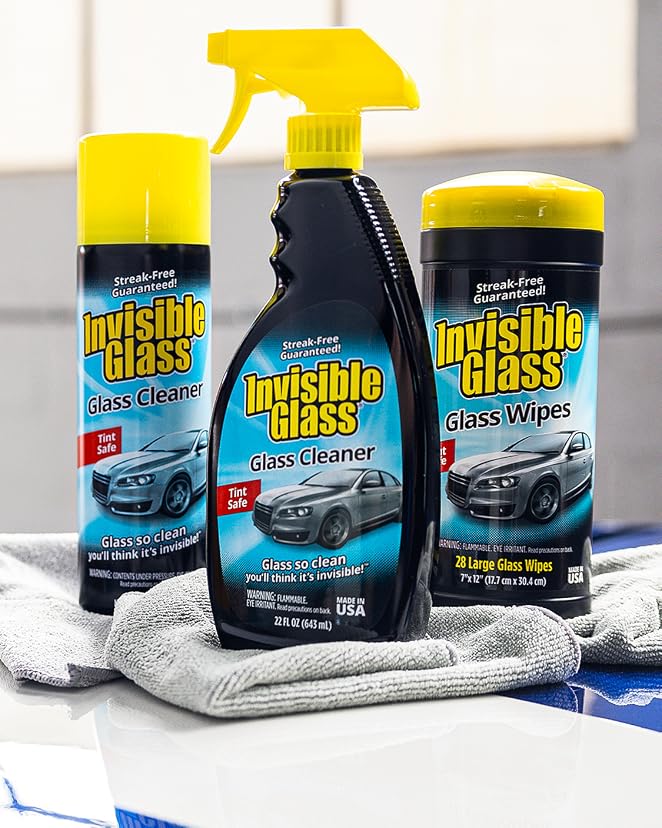
TL;DR Confirmed ammonia-free and safe for aftermarket tint and coatings. Aerosol foam delivers streak-free results in one pass on interior and exterior glass, and it's become one of the most-trusted glass cleaners out there.
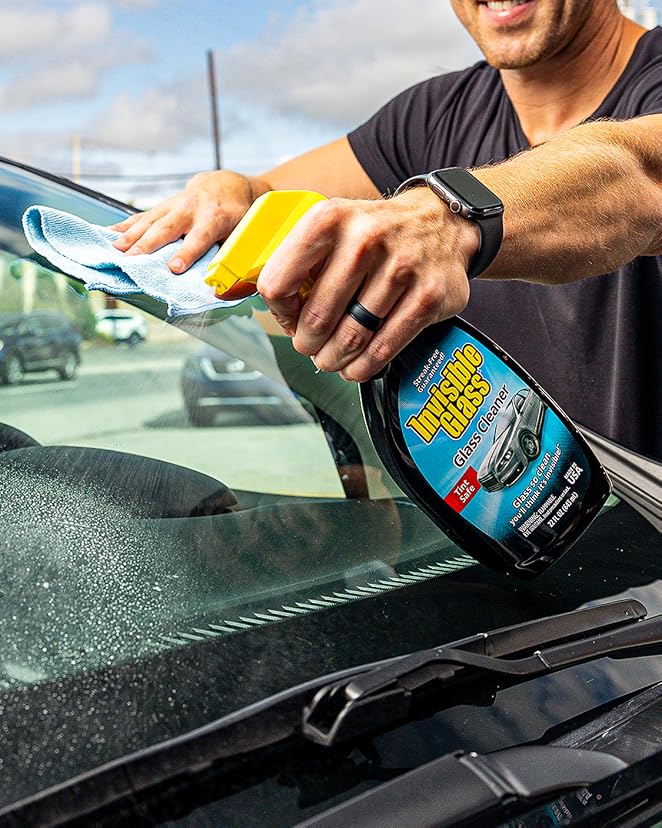
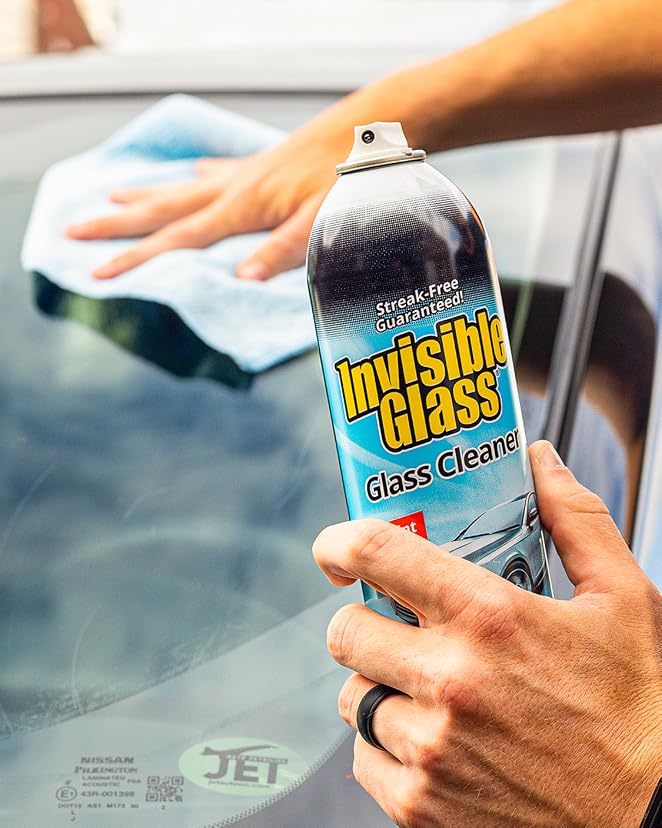
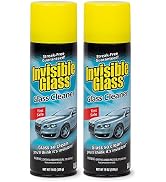
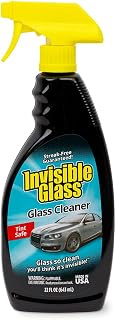
Confirmed ammonia-free, Invisible Glass is safe for aftermarket window tint, ceramic coatings, and rain-repellent treatments. The aerosol foam clings to vertical glass surfaces, which works well for side and rear windows. Interior windshield performance is strong: owners consistently report no streaks or haze after a single wipe, including over the outgassing film that builds up inside new and hot cars. Technique is forgiving for first-timers, though the aerosol can overspray onto door seals if sprayed too close. Use a clean microfiber cloth and wipe completely dry.
The right buy for drivers who want a reliable, ammonia-free glass cleaner safe for tinted windows, ceramic coatings, and rubber seals. The aerosol foam format works especially well for exterior vertical glass. Skip it if you need full ingredient transparency: the safety data sheet lists a proprietary solvent blend without disclosing all component CAS numbers.
The safety data sheet rates this WARNING, with a serious eye irritation classification. Safety glasses are warranted per the SDS for overhead or close-range aerosol work, particularly during interior windshield cleaning. Chemically resistant gloves are recommended by the SDS if there is prolonged or repeated skin contact, and the SDS calls for adequate ventilation when using the aerosol in an enclosed cabin. The formula drains via cloth laundering; estimated VOC places it in the moderate bracket for the category.
Yes. The safety data sheet confirms the formula contains no ammonium hydroxide, and the product listing markets it as ammonia-free and tint-safe. Ammonia-based glass cleaners can degrade aftermarket adhesive-backed window tint and strip ceramic coatings over repeated use, so an ammonia-free formula is the safer choice for tinted glass, ceramic-coated windshields, and rain-repellent treatments. Owners on tinted vehicles broadly confirm no haze or adhesive lifting with regular use.
No. The safety data sheet classifies this aerosol under gases under pressure, a physical hazard for a pressurized can, not under any flammable-liquid or flammable-aerosol hazard code, and the shipping classification is a non-flammable gas. That distinguishes it from Invisible Glass's own trigger-spray sibling, which does carry a flammable classification. The WARNING signal word on this aerosol comes from an eye-irritation classification, not from fire risk.
The safety data sheet classifies the formula for serious eye irritation, and the aerosol's finer mist increases the odds of contact at normal working distance, so safety glasses are warranted, especially for overhead or close-range interior windshield work. For a brief exterior wipe-and-buff session with the can held away from the face, the risk is lower, but the SDS classification applies regardless of technique.
Owners consistently report that the aerosol foam clings to glass long enough to lift outgassing film and road grime without smearing, then wipes clean in a single pass with a microfiber cloth. The foam format is part of why it performs well on the interior windshield haze that builds up in new and hot cars, where a thin liquid spray can drip and streak before it is fully wiped.
Marketing copy from Stoner, via Amazon. Not editorial.
Weekly pick
One product, one safety verdict, every week. No spam.
Currently in the top 2 of its category — appears as a pick in:


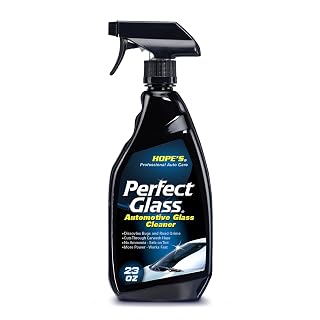
Hope's
Perfect Glass Automotive Glass Cleaner
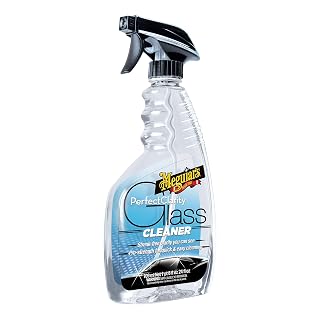
Meguiar's
Perfect Clarity Glass Cleaner
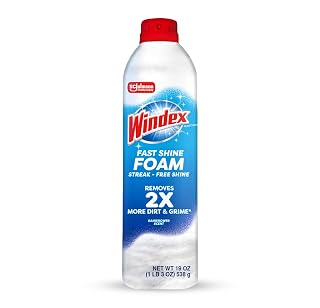
Windex
Fast Shine Foam Glass Cleaner
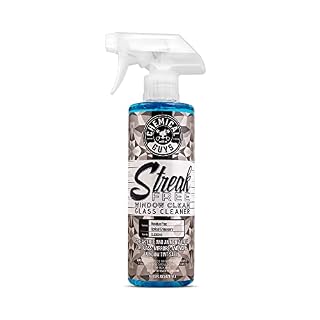
Chemical Guys
Streak Free Window Clean Glass Cleaner
As an Amazon Associate I earn from qualifying purchases. Full disclosure

Community
0 postsShare how you use this product
Drop a quick comment or post a full review with photos and a star rating.
Sign in to postNew here? Create a free account.