
Hydrocarbon Blend (Petroleum)
- Aliphatic solvents
Hydrocarbon Blend (Petroleum) appears in 5 of the 2,122 car-care products CarCareTruth tracks (as of August 2026). It is classified as a VOC.
Petroleum hydrocarbon blend — aspiration hazard risk (Asp. Tox. Cat 1 pathway common to petroleum distillates); exact hazard profile unknown due to trade-secret formulation.
A proprietary petroleum hydrocarbon blend used as the primary carrier in penetrating oils and lubricants. The exact hydrocarbon composition is withheld as a trade secret — no individual CAS numbers are disclosed by manufacturers using this classification. Common petroleum-distillate carriers in this class (naphtha, mineral spirits, Stoddard solvent, isoparaffins) carry aquatic toxicity concern and aspiration hazard potential. Environmental and health profile should be evaluated from the product-level SDS Section 2 classification rather than ingredient-level data.
Health & environment profile
- VOC
- yes
- Prop 65 listed
- no
- Asthmagen
- no
- EPA Safer Choice
- no
- Aquatic toxicity
- yes
- Biodegradable
- no
- Bioaccumulative
- no
- Persistent
- no
- Ozone depleting
- no
- Microplastic
- no
- PFAS
- no
- Env. score
- 2/5
Common questions about Hydrocarbon Blend (Petroleum)
- What is Hydrocarbon Blend (Petroleum) used for in car care?
- Proprietary petroleum-hydrocarbon blend used as carrier/penetrant in lubricants and penetrating oils; exact composition trade-secret
- Is Hydrocarbon Blend (Petroleum) a VOC?
- Yes. Hydrocarbon Blend (Petroleum) is classified as a volatile organic compound (VOC).
- Is Hydrocarbon Blend (Petroleum) on California's Proposition 65 list?
- No. Hydrocarbon Blend (Petroleum) is not on California's Proposition 65 list.
5 products contain this
 Sea Foam Deep Creep
penetrating-oil
 Sea Foam Motor Treatment
oil-additive
 Sea Foam Motor Treatment (3-Pack)
fuel-system-cleaner
 Sea Foam Spray SS14 Top Engine Cleaner & Lube
carb-cleaner
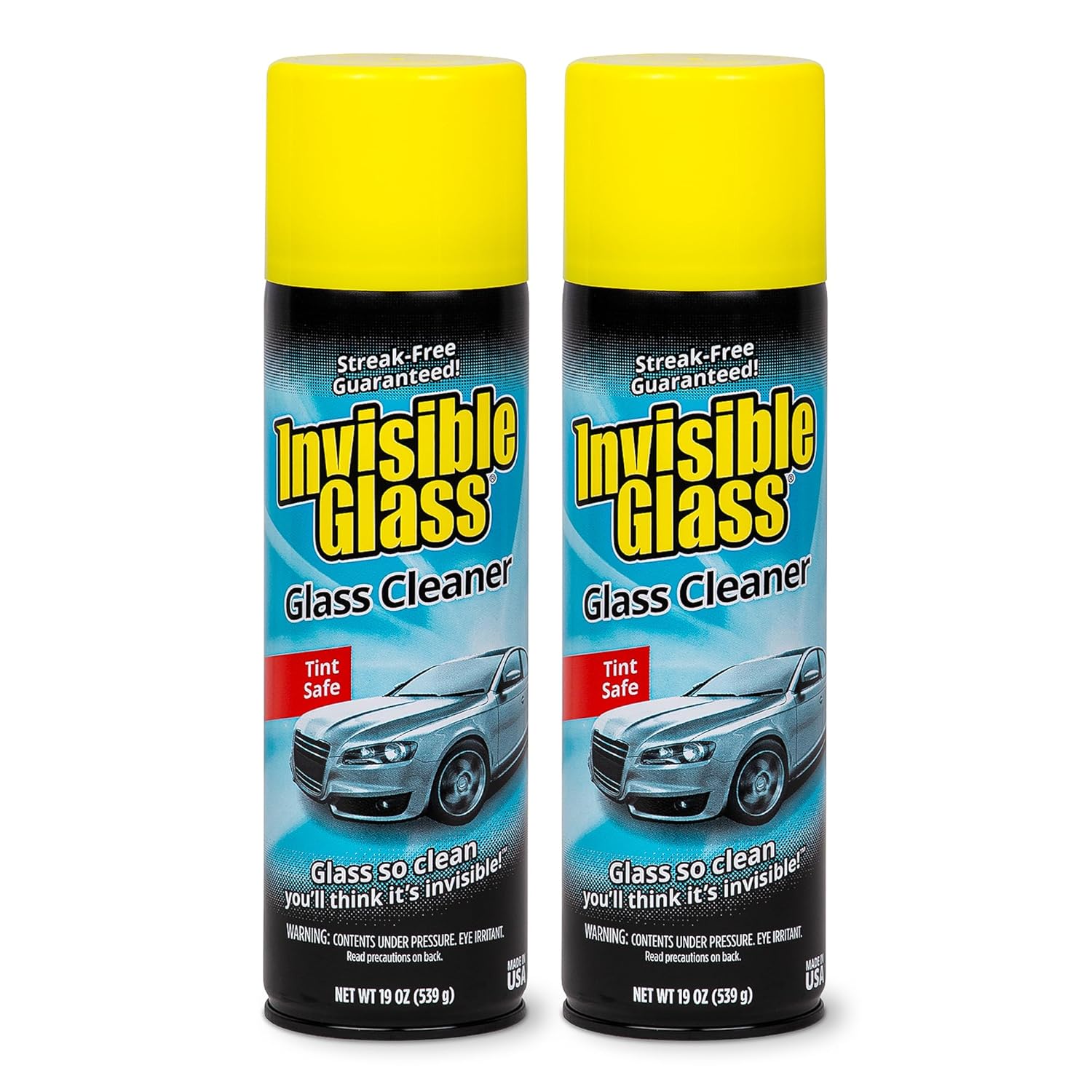 Stoner Invisible Glass Premium Aerosol Glass Cleaner
glass-cleaner
Related
Health and environment notes translate the manufacturer Safety Data Sheet, the GHS classification, and authoritative regulatory listings (California Prop 65, EPA). Not medical advice. They describe the ingredient itself; whether a hazard applies to a finished product depends on its concentration and how it's used.