CarCareTruth Score
Recommended.
Opens Amazon in a new tab. No account needed to look.
Saved to your guest loadout. Sign up to also save to your Cabinet (consumables) or Kit (tools you own).
As an Amazon Associate I earn from qualifying purchases. Full disclosure
Prices may varyHealth score is for adult use as intended, per the manufacturer's SDS. It does not model child ingestion, accidental spill cleanup, or off-label use. See the safety panel below for full hazard classification, and /disclaimer for the full editorial scope.
GHS hazard codes are quoted from the manufacturer’s Safety Data Sheet. PPE tiers below translate those codes and the listed ingredient chemistry; they are not CarCareTruth recommendations.
Show details for all categories ▾Hide details ▴
Translated from the manufacturer’s Safety Data Sheet, Section 8
SDS Section 8 recommends safety glasses or goggles if eye contact is possible. Section 2 carries H320 (Eye Irritation Category 2B) and Section 11 reports moderate eye irritation on contact (redness, swelling, pain, tearing, blurred vision). As a pump spray, incidental mist contact during overhead interior glass cleaning is realistic.
U.S. regulatory standard
29 CFR 1910.133(a)(1)
“appropriate eye or face protection when exposed to eye or face hazards from… liquid chemicals…”
ANSI Z87.1 (incorporated via §1910.6)
OSHA standards apply to workplaces. Cited here as the U.S. reference threshold for the underlying hazard class.
CarCareTruth publishes the cited sources verbatim and does not advise what action a user should take. Consult the full SDS before use.
Translated from the manufacturer’s Safety Data Sheet, Section 8
SDS Section 8 calls gloves not normally required for brief contact but recommends impervious gloves (rubber, neoprene, or nitrile) for prolonged or repeated contact. Section 11 reports an allergic skin reaction in sensitive individuals (redness, swelling, blistering, itching), so the recommendation reflects real toxicology data even though Section 2 carries no skin H-code.
CarCareTruth publishes the cited sources verbatim and does not advise what action a user should take. Consult the full SDS before use.
Only when: when spraying · in enclosed space
Translated from the manufacturer’s Safety Data Sheet, Section 8
SDS Section 8 states general ventilation equivalent to outdoors is adequate under normal conditions and Section 11 reports no respiratory tract irritation. Section 2 carries no inhalation H-code. Brief mist exposure in a closed, poorly ventilated space is the only realistic trigger; routine spray-and-wipe use needs no respiratory protection.
CarCareTruth publishes the cited sources verbatim and does not advise what action a user should take. Consult the full SDS before use.
No PPE specified in published sources for ventilation. Absence does not imply “not needed” — consult the full Safety Data Sheet.
PPE tiers translate the manufacturer’s SDS and U.S. regulatory standards. Not professional safety advice. How we report safety.
This product ranks #5 of 14 in Glass Cleaner.Three above it ↓
Last reviewed July 25, 2026
TL;DR Confirmed ammonia-free from the safety data sheet, so it is safe for aftermarket window tint and glass coatings. Streak-free results are reliable but technique-sensitive: use the two-towel method. No Prop 65 warning.
Streak Free Window Clean is a pump trigger spray for automotive glass, mirrors, and screens. It is confirmed ammonia-free, so it will not degrade aftermarket tint, ceramic glass coatings, or rubber seals. It lifts the greasy outgassing haze on interior windshields and cuts exterior road grime, though clean single-pass results are technique-dependent. Chemical Guys directs a two-towel method: one cloth to lift dirt, a second to buff. Owner streak reports trace to cloth choice or hot glass in the sun, not the formula.
The right buy for anyone with aftermarket tint, ceramic glass coatings, or a rain-repellent treatment who needs a cleaner that will not attack them. Skip it if you want a one-wipe cleaner that forgives any technique; this one rewards the two-towel method and cool, shaded glass.
The safety data sheet classifies this product WARNING from two mild codes: it may be harmful if swallowed, and it can cause eye irritation on contact. The sheet recommends safety glasses if eye contact is possible and gloves for prolonged handling; normal use poses no respiratory hazard. The water and surfactant formula has negligible VOC and no aquatic toxicity classifications, with wipe-off residue draining to wastewater.
Yes. The safety data sheet Section 3 ingredient list contains no ammonium hydroxide (CAS 1336-21-6), confirming the formula is ammonia-free. That makes it safe for aftermarket adhesive-backed window tint, ceramic glass coatings, and rubber seals, all of which ammonia-based cleaners can degrade over repeated use. Chemical Guys also markets it as window-tint safe on the label.
The safety data sheet classifies the product as WARNING based on two mild codes: it may be harmful if swallowed, which is not a normal use scenario, and it can cause eye irritation on direct contact. There are no serious health hazard classifications in the formula, no corrosive, respiratory-sensitizer, or high-acute-toxicity codes. The sheet recommends safety glasses if eye contact is possible and gloves for prolonged or repeated handling.
No. Amazon posts no Prop 65 warning, the front label carries none, and the safety data sheet Section 15 states the product contains no chemicals known to California to cause cancer or reproductive harm. This differs from the Chemical Guys Signature Series glass cleaner, which does carry a voluntary Prop 65 disclosure from the brand, even though the two share similar preservative chemistry.
Owner streak reports trace to cloth choice and technique rather than the formula. Chemical Guys directs a two-towel method: one clean microfiber to lift the dirt, a second dry one to buff. Working on hot glass in direct sun is the most common cause of streaks, because the product flashes off before it can be buffed away. Cool, shaded glass and a lint-free glass towel resolve it for most users.
Yes. The water and surfactant base carries no harsh solvents in the safety data sheet ingredient list that would attack plastic or screen coatings under normal use, and the product is marketed for glass, mirrors, and screens alike. As with any cleaner, spray it onto the cloth rather than directly onto a screen to keep liquid away from bezels and seams.
Marketing copy from Chemical Guys, via Amazon. Not editorial.
Weekly pick
One product, one safety verdict, every week. No spam.


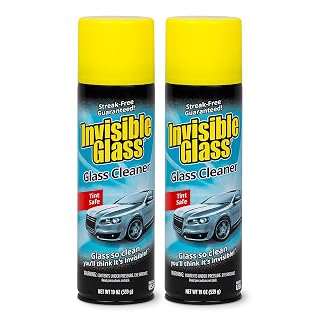
Stoner
Invisible Glass Premium Aerosol Glass Cleaner
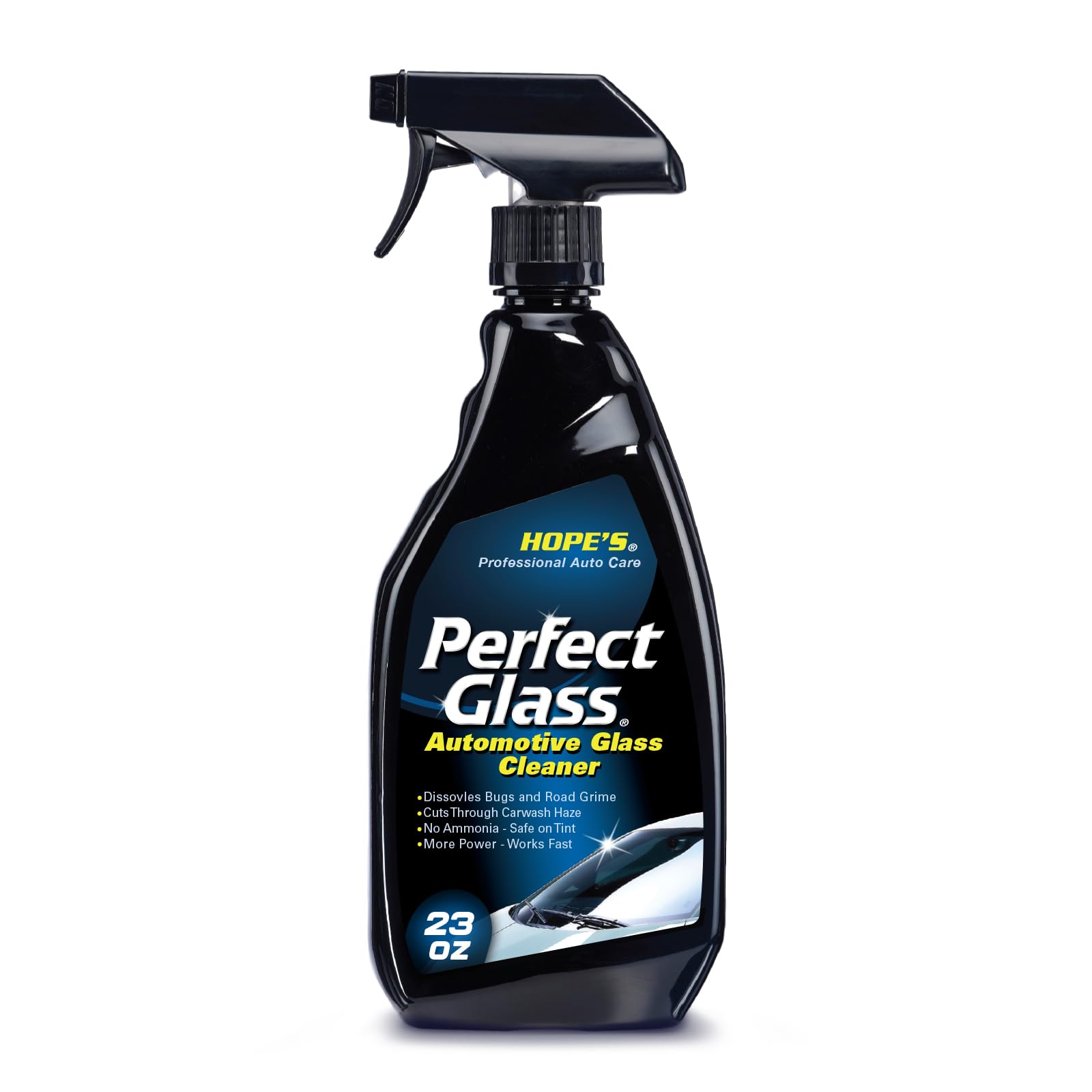
Hope's
Perfect Glass Automotive Glass Cleaner
Meguiar's
Perfect Clarity Glass Cleaner
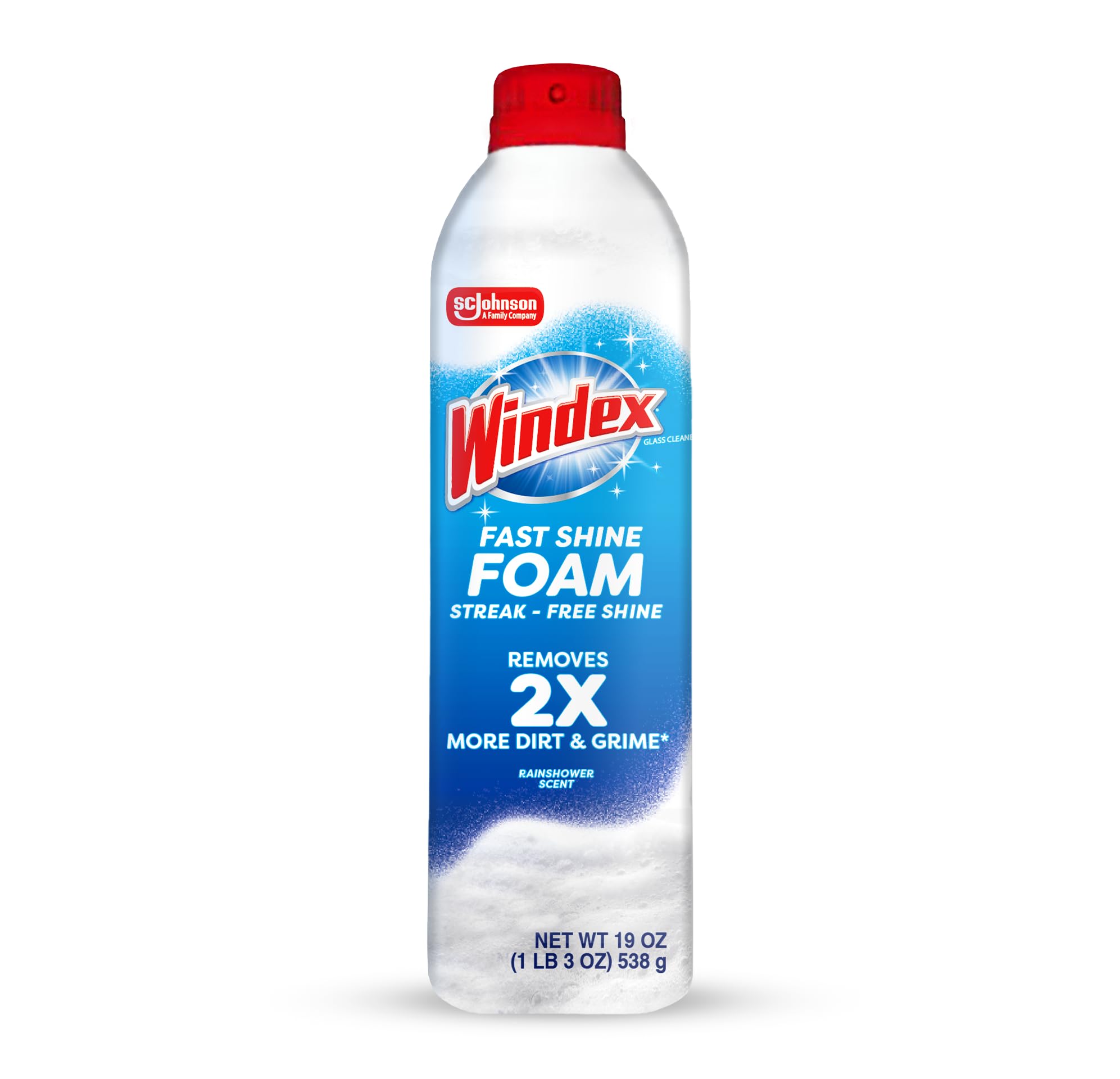
Windex
Fast Shine Foam Glass Cleaner
As an Amazon Associate I earn from qualifying purchases. Full disclosure

Community
0 postsShare how you use this product
Drop a quick comment or post a full review with photos and a star rating.
Sign in to postNew here? Create a free account.