
Hydrocarbon Propellant (Propane/Butane/Isobutane Blend)
- Other solvents
- CAS 68476-85-7
Hydrocarbon Propellant (Propane/Butane/Isobutane Blend) (CAS 68476-85-7) appears in 3 of the 2,122 car-care products CarCareTruth tracks (as of August 2026). It is classified as a VOC.
Extremely flammable (H222/H229). Simple asphyxiant at high concentrations. Huffing causes sudden cardiac arrest — a real risk for the propellant component itself when misused, not the product as designed.
Hydrocarbon propellant is a generic designation for blends of propane, butane, and isobutane used as the pressurizing gas in aerosol cans. It is the most common propellant class in consumer aerosols and contributes both to flammability and VOC content.
Health & environment profile
- VOC
- yes
- Prop 65 listed
- no
- Asthmagen
- no
- EPA Safer Choice
- no
- Aquatic toxicity
- no
- Biodegradable
- no
- Bioaccumulative
- no
- Persistent
- no
- Ozone depleting
- no
- Microplastic
- no
- PFAS
- no
- Env. score
- 2/5
Common questions about Hydrocarbon Propellant (Propane/Butane/Isobutane Blend)
- What is Hydrocarbon Propellant (Propane/Butane/Isobutane Blend) used for in car care?
- Liquefied-gas aerosol propellant blend; provides the pressure that delivers the active formulation in spray cans
- Is Hydrocarbon Propellant (Propane/Butane/Isobutane Blend) a VOC?
- Yes. Hydrocarbon Propellant (Propane/Butane/Isobutane Blend) is classified as a volatile organic compound (VOC).
- Is Hydrocarbon Propellant (Propane/Butane/Isobutane Blend) on California's Proposition 65 list?
- No. Hydrocarbon Propellant (Propane/Butane/Isobutane Blend) is not on California's Proposition 65 list.
3 products contain this
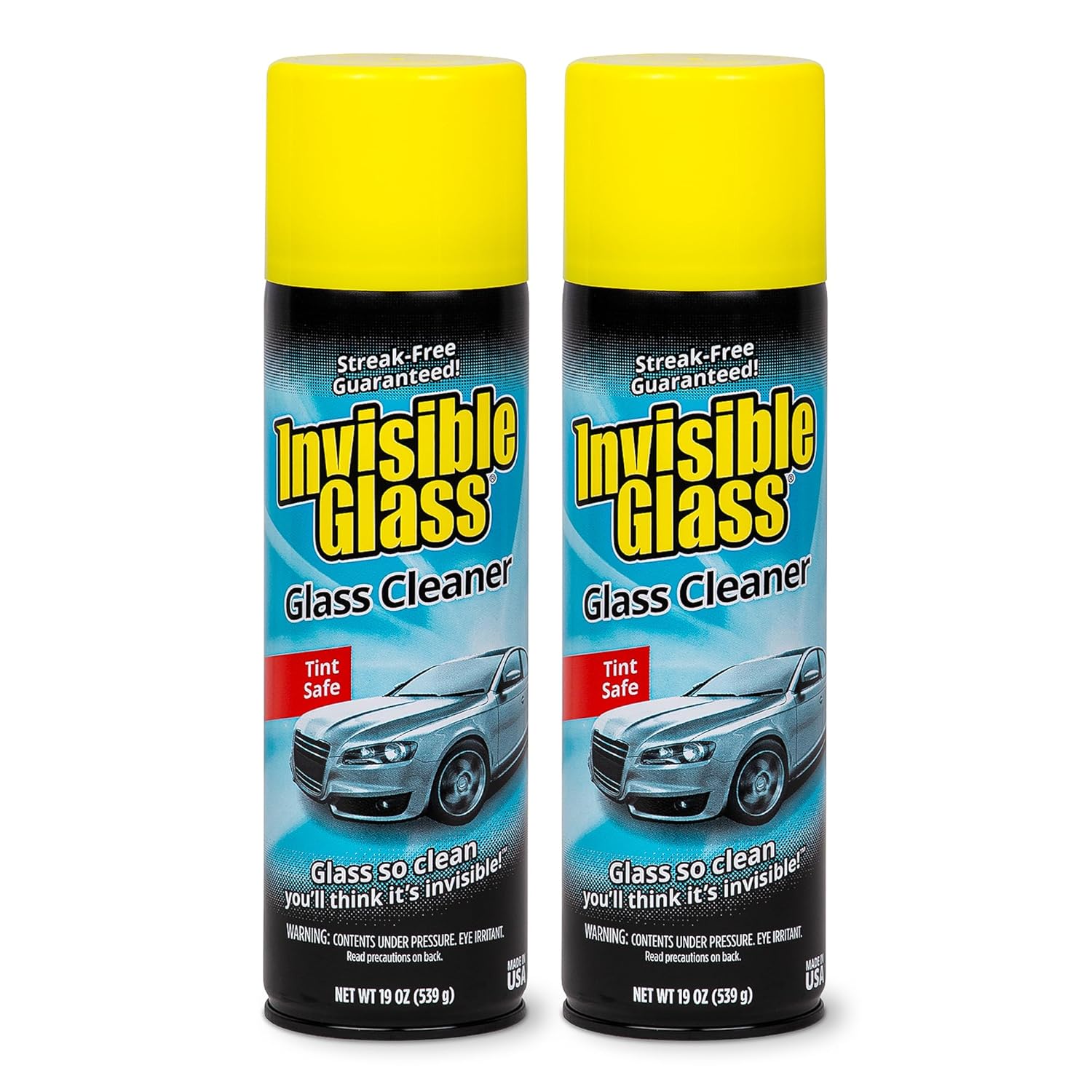 Stoner Invisible Glass Premium Aerosol Glass Cleaner
glass-cleaner
 Stoner Car Care Upholstery & Carpet Cleaner
headliner-cleaner
 Turtle Wax Power Out! Odor-X Whole Car Blast (2.5 oz)Prop 65
odor-eliminator
Related
Health and environment notes translate the manufacturer Safety Data Sheet, the GHS classification, and authoritative regulatory listings (California Prop 65, EPA). Not medical advice. They describe the ingredient itself; whether a hazard applies to a finished product depends on its concentration and how it's used.