
Diethylene Glycol Monobutyl Ether
- Glycol ether solvents
- CAS 112-34-5
- IUPAC: 2-(2-butoxyethoxy)ethanol
Diethylene Glycol Monobutyl Ether (CAS 112-34-5) appears in 20 of the 2,168 car-care products CarCareTruth tracks (as of August 2026). It is classified as a VOC.
Eye Irritation Cat 2 (H319) at ingredient level. Lower dermal absorption rate and lower acute toxicity than 2-butoxyethanol (butyl glycol). No OSHA Prop 65 listing. ACGIH TLV: 10 ppm TWA. At working-solution concentrations (0.1–0.5%), inhalation and skin hazard are low.
What it is
Diethylene glycol monobutyl ether is a glycol ether solvent that goes by several names: DEGBE, DGBE, butyl carbitol, and the full IUPAC mouthful 2-(2-butoxyethoxy)ethanol. The CAS registry number is 112-34-5. Structurally, it is the diethylene glycol cousin of 2-butoxyethanol (also called EGBE, butyl glycol, or butyl Cellosolve), with one extra ethyleneoxy unit tacked onto the chain. That structural difference is the whole story: the longer chain raises the boiling point to roughly 230 C, drops the vapor pressure, and slows the evaporation rate.
In the bottle, DEGBE is a clear, slightly viscous liquid that is fully water-miscible. It carries the typical glycol-ether odor: faintly sweet, faintly chemical, less aggressive than the lower-boiling alcohols and esters that share shelves with it.
Where it shows up in car care
DEGBE is a workhorse in alkaline cleaning chemistry. Common places to find it on a Section 3 disclosure:
- Heavy-duty engine and wheel-well degreasers, usually at 2 to 10 percent
- Iron-and-grime wheel cleaners, often paired with alkaline builders and thioglycolate-based decontaminants
- All-purpose cleaners (APCs) sold as ready-to-use or concentrate
- Coupling solvent in alkaline surfactant systems, where its job is to keep the surfactant package, water, and oily soil in the same phase long enough to lift the soil
- Some tire-dressing carrier vehicles where a slow flash is desired
- Industrial paint strippers and graffiti removers, where it partners with stronger actives
Why formulators choose it
The selection logic is usually a comparison against EGBE (2-butoxyethanol, CAS 111-76-2):
- DEGBE has a much higher boiling point, which means lower VOC contribution under most US regulations. The high boiling point keeps DEGBE off the standard 250 C VOC cutoff in many state and federal rules, including South Coast AQMD Rule 1171.
- The slower evaporation rate gives the surfactant package more dwell time on a vertical surface. A wheel cleaner that flashes off in 15 seconds does not have time to chelate iron.
- DEGBE is a strong coupling agent for alkaline systems, which means a formulator can use less of it than they would need of a poorer coupler.
- The skin-absorption rate is lower than EGBE, and the toxicology profile that drove EGBE onto various restricted lists does not transfer cleanly to DEGBE.
DEGBE vs EGBE: the framing question
Marketing copy from formulators often pitches DEGBE as the "less hazardous" or "safer" glycol ether. That framing is partially accurate and partially manufacturer spin. The accurate part: EGBE has documented hematotoxicity in rodent studies, is on the California Prop 65 list, and is regulated more tightly under REACH. DEGBE does not carry those specific listings.
The spin part: DEGBE is still classified H319 (causes serious eye irritation) under CLP in most filings, and the substance is not without hazard. The shift from EGBE to DEGBE is a real reduction in regulated risk, but it is not a shift from "hazardous" to "benign."
Skin absorption
DEGBE penetrates skin, but more slowly than EGBE. The metabolic pathway that produces 2-butoxyacetic acid (the EGBE metabolite linked to red blood cell effects in rats) is present for DEGBE as well, though slower. ACGIH assigns DEGBE a TLV of 10 ppm TWA with a Skin notation in some references, indicating dermal absorption is a relevant route.
Where to look on the SDS
- Section 3 (Composition): typical disclosure range in car-care products is 1 to 15 percent
- Section 8 (Exposure Controls and PPE): ACGIH TLV 10 ppm TWA, no OSHA PEL, gloves recommended for prolonged contact
- Section 11 (Toxicology): acute oral LD50 in rats around 5,000 mg/kg, dermal LD50 around 2,700 mg/kg in rabbits, eye irritation data supporting the H319 classification
Regulatory snapshot
- Not on California Prop 65
- Not classified as an asthmagen by AOEC
- Not a VOC under most US regulations due to the high boiling point, though CARB and some state rules apply different cutoffs. Check the destination market.
- Not on the REACH SVHC candidate list
- Listed on TSCA, DSL, and EINECS
Environmental fate
DEGBE biodegrades readily under aerobic conditions, with OECD 301 studies showing greater than 60 percent degradation in 28 days. Acute aquatic toxicity is low: LC50 values for fish and daphnia sit above 100 mg/L, which is the cutoff for "not classified" under GHS aquatic categories. It is not bioaccumulative (log Kow around 0.6) and not persistent.
Related: Is Brake Fluid Toxic? Read the full SDS breakdown of the glycol-ether brake fluids this solvent appears in.
Health & environment profile
- VOC
- yes
- Prop 65 listed
- no
- Asthmagen
- no
- EPA Safer Choice
- no
- Aquatic toxicity
- no
- Biodegradable
- yes
- Bioaccumulative
- no
- Persistent
- no
- Ozone depleting
- no
- Microplastic
- no
- PFAS
- no
- Env. score
- 4/5
Common questions about Diethylene Glycol Monobutyl Ether
- What is Diethylene Glycol Monobutyl Ether used for in car care?
- Glycol ether co-solvent and grease-cutting aid in alkaline cleaners and degreasers; higher boiling point and slower evaporation than 2-butoxyethanol
- Is Diethylene Glycol Monobutyl Ether a VOC?
- Yes. Diethylene Glycol Monobutyl Ether is classified as a volatile organic compound (VOC).
- Is Diethylene Glycol Monobutyl Ether on California's Proposition 65 list?
- No. Diethylene Glycol Monobutyl Ether is not on California's Proposition 65 list.
- Is Diethylene Glycol Monobutyl Ether biodegradable?
- Yes. Diethylene Glycol Monobutyl Ether has a confirmed biodegradable profile.
20 products contain this
 303 Products Interior Cleaner
plastic-trim-cleaner
 303 Products 303 Tire and Rubber CleanerProp 65
tire-cleaner
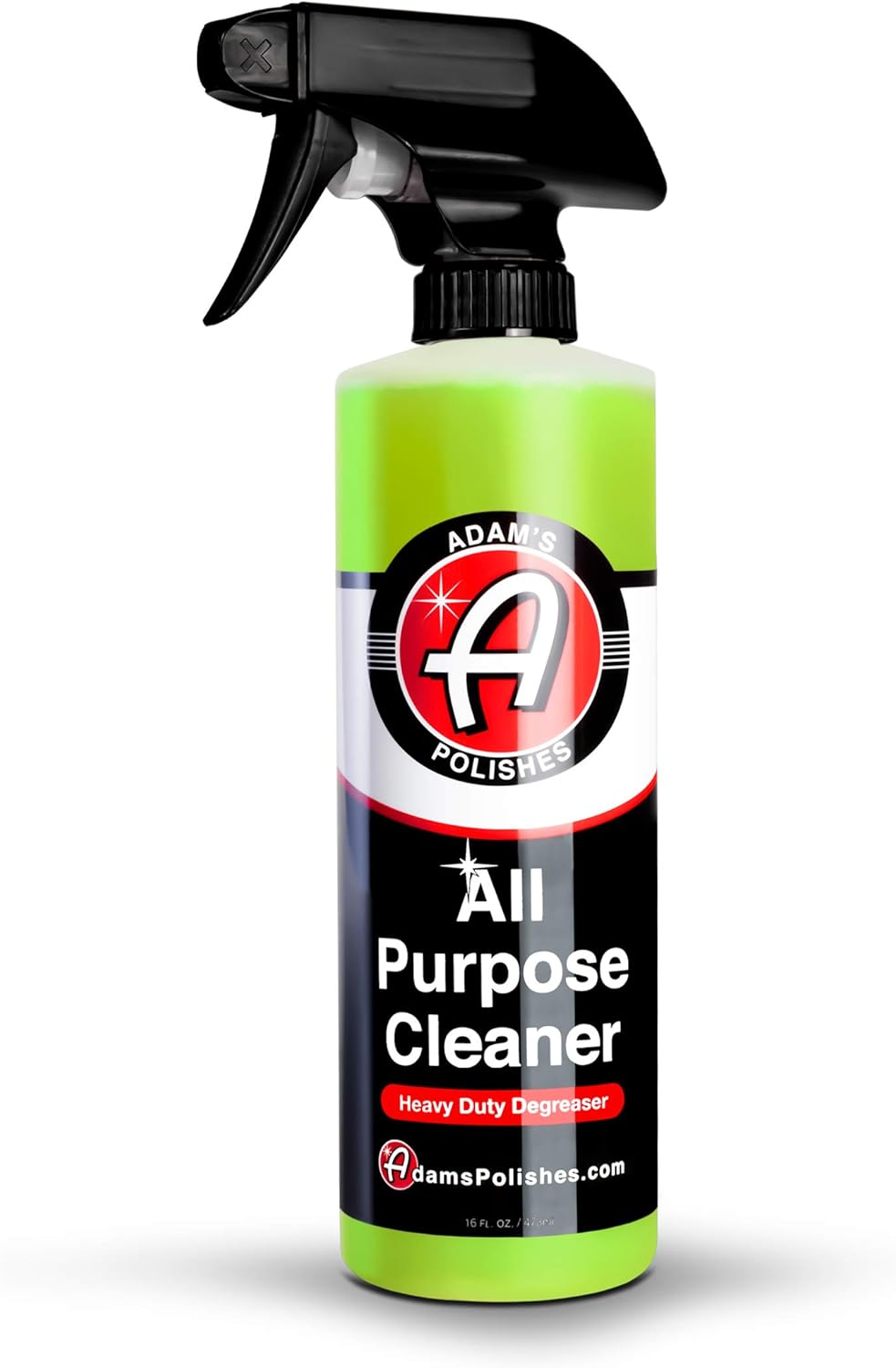 Adam's Polishes All Purpose CleanerProp 65
all-purpose-cleaner
 Adam's Polishes Iron Remover (16 oz)Prop 65
iron-remover
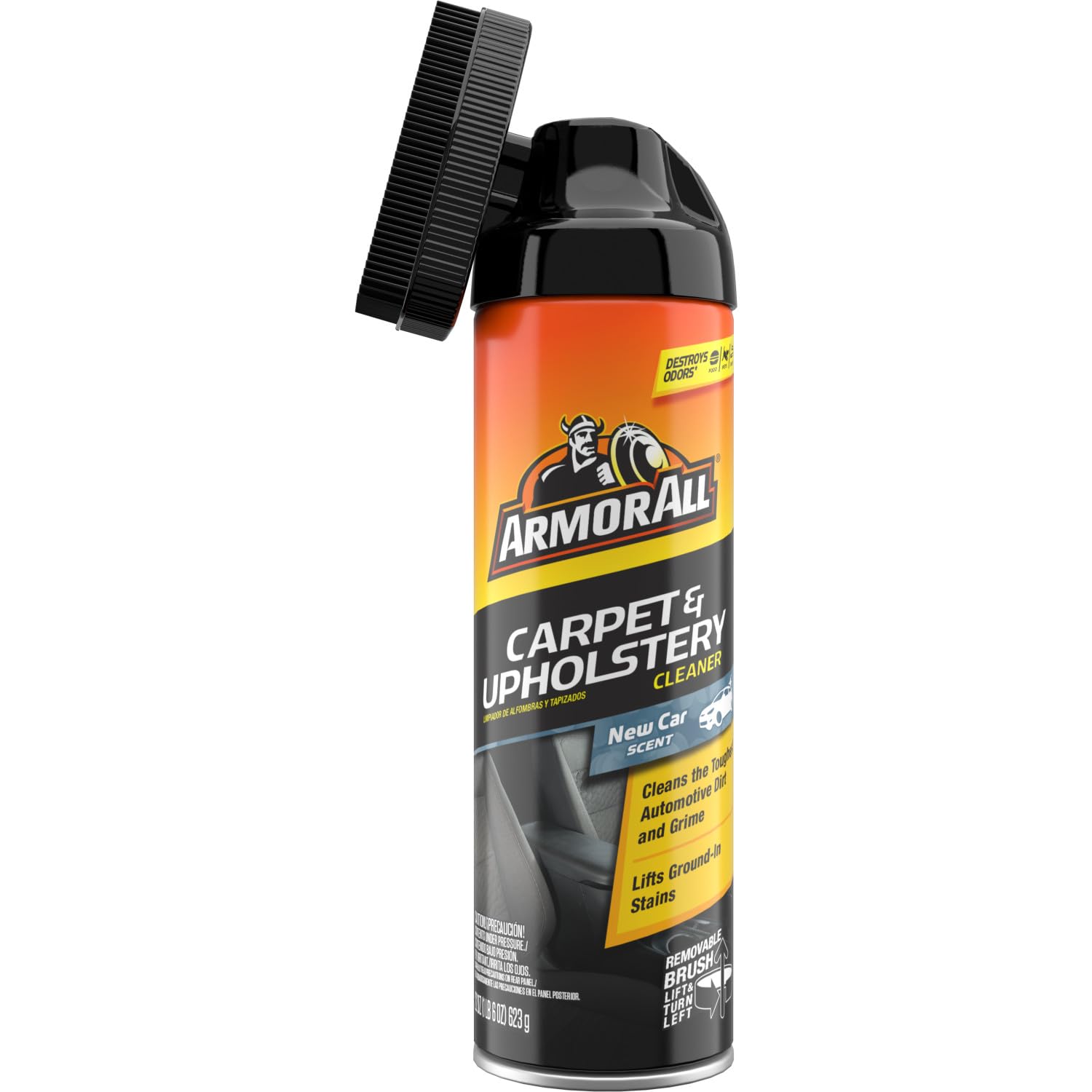 Armor All FRESH FX Carpet and Upholstery CleanerProp 65
carpet-cleaner
 Armor All Extreme Wheel and Tire CleanerProp 65
tire-cleaner
 Armor All Ultra Shine Headlight Restoration WipesProp 65
headlight-restoration
 Boeshield T-9 Rust & Corrosion ProtectionProp 65
penetrating-oil
 Chemical Guys All Clean+ Citrus All-Purpose CleanerProp 65
all-purpose-cleaner
 Duragloss 451 Fabric and Carpet Cleaner
fabric-upholstery-cleaner
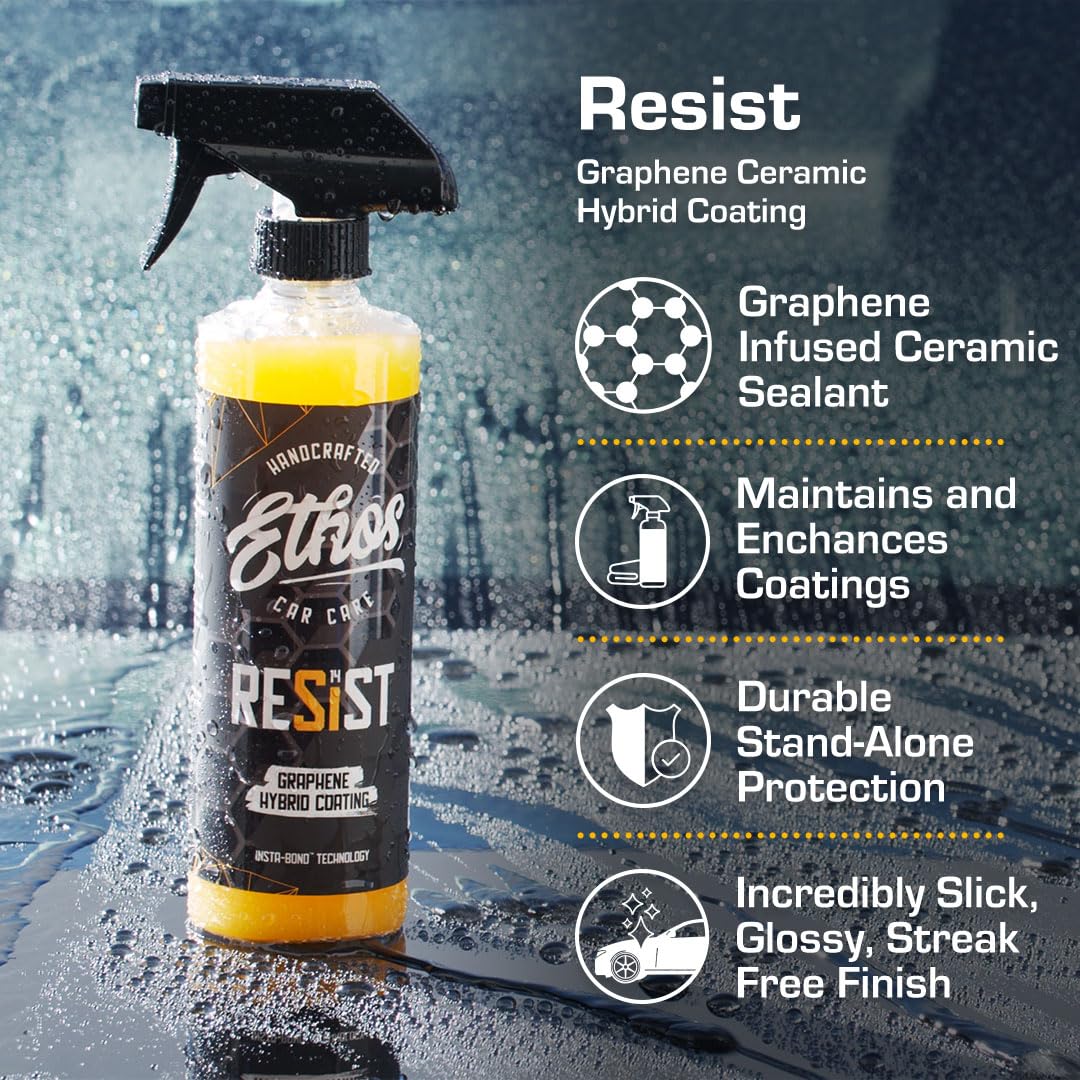 Ethos Car Care RESIST Graphene Spray Coating
ceramic-spray-coating
 Goof-Off Pro Strength Overspray RemoverProp 65
overspray-remover
 HydroSilex Recharge Ceramic Coating
ceramic-spray-coating
 Liquid Wrench Lubricating Oil L212 (11 oz aerosol)Prop 65
multi-purpose-lubricant
 Malco OXY Carpet & Upholstery Cleaner
fabric-upholstery-cleaner
 Meguiar's Carpet & Upholstery Cleaner G9719Prop 65
fabric-upholstery-cleaner
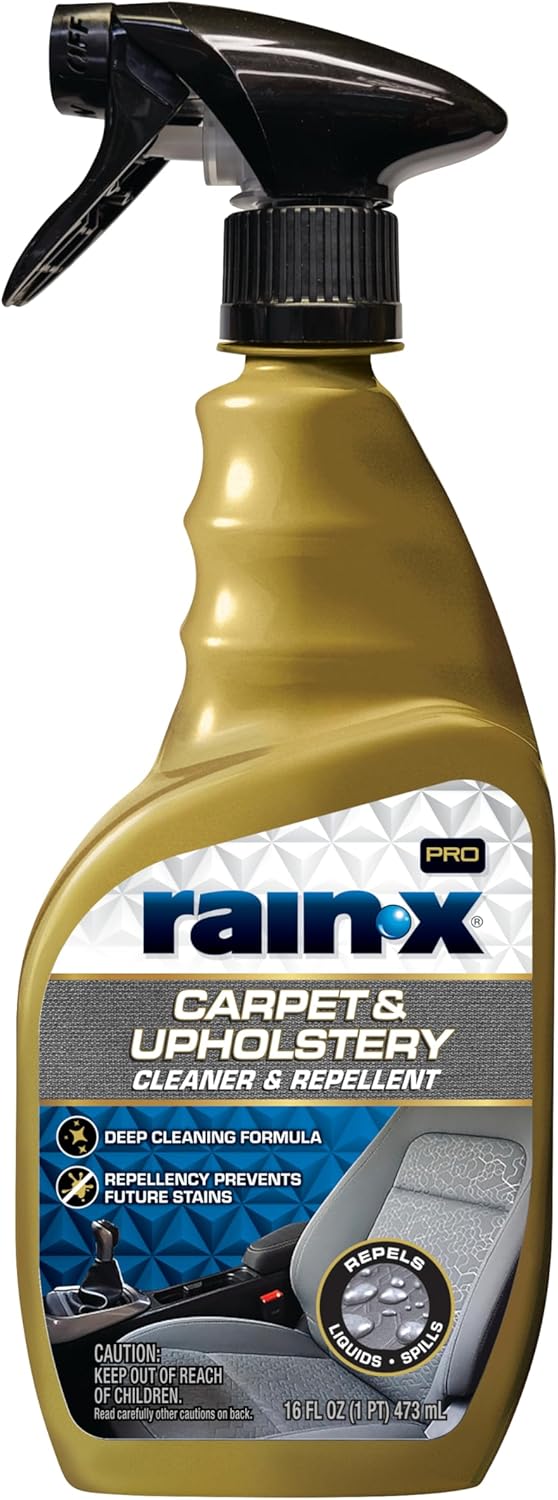 Rain-X Pro Carpet & Upholstery Cleaner & Repellent
fabric-protectant
 Turtle Wax Fresh Clean All-Surface CleanerProp 65
all-purpose-cleaner
 Turtle Wax Dash & Glass ProtectantProp 65
dashboard-protectant
 Valvoline Pyroil Penetrating Oil
penetrating-oil
Related
Health and environment notes translate the manufacturer Safety Data Sheet, the GHS classification, and authoritative regulatory listings (California Prop 65, EPA). Not medical advice. They describe the ingredient itself; whether a hazard applies to a finished product depends on its concentration and how it's used.