CarCareTruth Score
Decent.
Saved to your guest loadout. Sign up to also save to your Cabinet (consumables) or Kit (tools you own).
As an Amazon Associate I earn from qualifying purchases. Full disclosure
The manufacturer's Safety Data Sheet classifies this product with one or more GHS Category 1 health hazards — the most severe tier. The hazard statements in quotes below are the verbatim GHS language from the SDS, as required by OSHA's Hazard Communication Standard. The line under each statement translates the GHS classification into plain language.
GHS Category 1 aspiration toxicity — thin, oily liquids can slip into the lungs if swallowed, causing chemical pneumonia.
GHS Category 1 germ-cell mutagenicity — classified as suspected of causing heritable genetic damage.
If swallowed, inhaled, or splashed in eyes:
Call Poison Control immediately at 1-800-222-1222 (US, 24/7, free) and have the product container with you. Poison Control's standing guidance is to not induce vomiting after chemical exposure; they will direct first-aid steps based on the specific product.
About this product's hazards. This product's Safety Data Sheet uses signal word danger. Read the manufacturer's SDS and follow all safety instructions before use. CarCareTruth ratings translate the manufacturer's safety sheet. They do not replace the SDS or substitute for a hazard assessment specific to your task.
Health score is for adult use as intended, per the manufacturer's SDS. It does not model child ingestion, accidental spill cleanup, or off-label use. See the safety panel below for full hazard classification, and /disclaimer for the full editorial scope.
GHS hazard codes are quoted from the manufacturer’s Safety Data Sheet. PPE tiers below translate those codes and the listed ingredient chemistry; they are not CarCareTruth recommendations.
Show details for all categories ▾Hide details ▴
Only when: when spraying
Translated from the manufacturer’s Safety Data Sheet, Section 2
H319 (eye irritant Cat 2A) in SDS §2; aerosol spray application creates splash and mist risk.
U.S. regulatory standard
29 CFR 1910.133(a)(1)
“The employer shall ensure that each affected employee uses appropriate eye or face protection when exposed to eye or face hazards from… liquid chemicals…”
ANSI Z87.1 (incorporated via §1910.6)
OSHA standards apply to workplaces. Cited here as the U.S. reference threshold for the underlying hazard class.
CarCareTruth publishes the cited sources verbatim and does not advise what action a user should take. Consult the full SDS before use.
Translated from the manufacturer’s Safety Data Sheet, Section 8
SDS §8 specifies solvent-resistant gloves; wiping contact with a heavy solvent aerosol formula involves sustained skin exposure beyond brief incidental drip contact.
CarCareTruth publishes the cited sources verbatim and does not advise what action a user should take. Consult the full SDS before use.
Translated from the manufacturer’s Safety Data Sheet, Section 2
H335 (respiratory irritation) in aerosol format applies ×1.5 scoring modifier; H336 (drowsiness/dizziness) in SDS §2 means vapor accumulation in an enclosed space is the primary inhalation concern. Use outdoors.
U.S. regulatory standard
29 CFR 1910.1000; 1910.1200
“Each employer shall assure that no employee is exposed to an inhalation concentration of any substance shown in Tables Z-1, Z-2, or Z-3 in excess of the limits in the tables.”
OSHA standards apply to workplaces. Cited here as the U.S. reference threshold for the underlying hazard class.
CarCareTruth publishes the cited sources verbatim and does not advise what action a user should take. Consult the full SDS before use.
The published Safety Data Sheet for this product does not specify ventilation protection for consumer use.
Workplace context
29 CFR 1910.134(a); 1910.1000
“the primary objective shall be to prevent atmospheric contamination [via] accepted engineering control measures (for example, enclosure or confinement of the operation, general and local ventilation, and substitution with less toxic materials).”
Triggered by GHS H335 on the SDS.
OSHA standards apply to workplaces. Cited here as the U.S. reference threshold for the underlying hazard class.
PPE tiers translate the manufacturer’s SDS and U.S. regulatory standards. Not professional safety advice. How we report safety.
Last reviewed August 2, 2026
TL;DR A heavy solvent aerosol for bonded spray paint and road paint on clearcoat. Community results are bimodal · works on some substrates, dries too quickly on others. DANGER driven by health H-codes: wear solvent-resistant gloves and goggles, outdoors only.
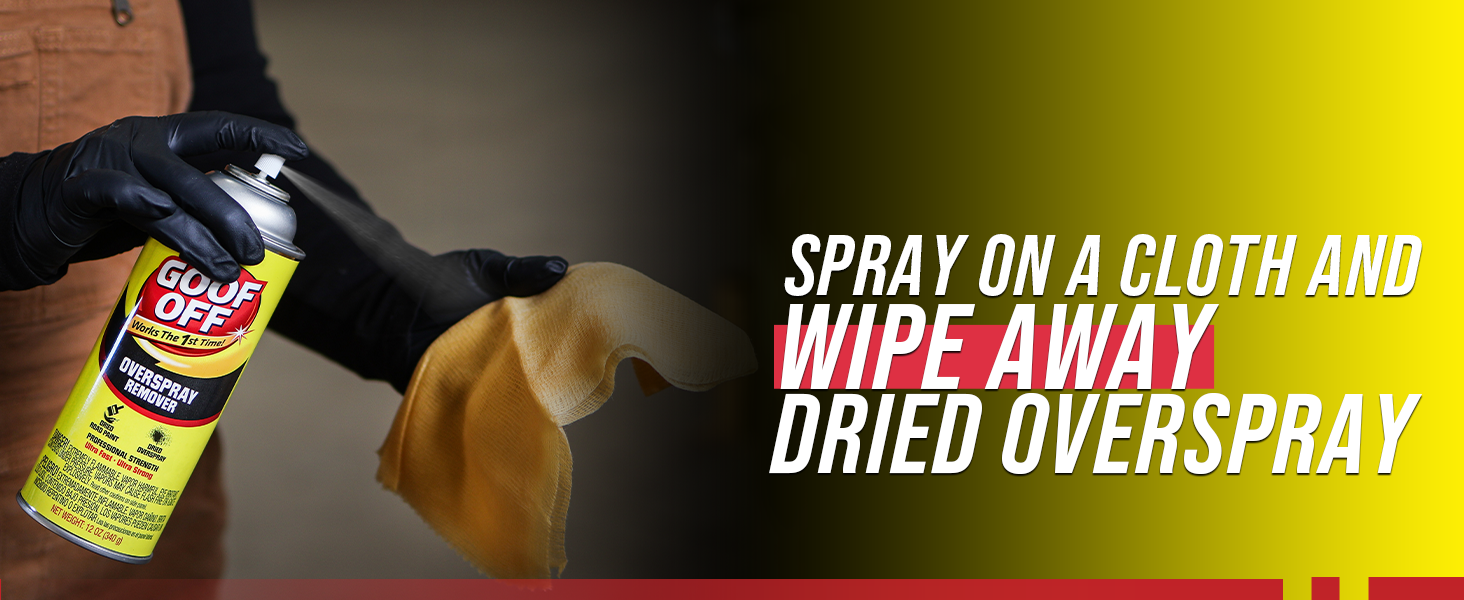
A pressurized aerosol for dried overspray on clearcoat and glass. Spray, short dwell, wipe with a microfiber · but fast evaporation is a documented problem. Community reports say the formula dries before it works in warm conditions. Where dwell holds, spray paint and road paint come off with moderate wiping pressure. No clearcoat hazing in community data, though the heavy solvent warrants care near ceramic coatings or PPF. Evidence covers spray paint and road paint only · none on construction spray or industrial fallout.
Right for bonded spray-paint graffiti or road paint that survived clay · solvent chemistry handles what mechanical methods can't. Skip it for fresh, water-based overspray (clay bar is safer and sufficient) or for warm-weather use without shade, where fast evaporation is worst.
DANGER is driven by health H-codes: H304 (aspiration toxicity Cat 1) and H340 (germline mutagen Cat 1A) · not flammability. H335 and H336 (respiratory irritation, drowsiness) require outdoor use. SDS §8 specifies solvent-resistant gloves; goggles for the aerosol step. Carries a California Prop 65 warning. High VOC and drain-destined application with no environmental credits produce a poor environment score.
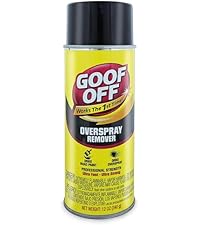
The Safety Data Sheet for Goof-Off Pro Strength Overspray Remover carries a DANGER signal word, with classified hazards including H222 (extremely flammable aerosol); H229 (pressurized container: may burst if heated); H304 (may be fatal if swallowed and enters airways). The Amazon listing also carries a California Prop 65 warning. See the PPE breakdown above for use-case-specific guidance translated from the SDS hazard codes.
CarCareTruth scores Goof-Off Pro Strength Overspray Remover at 5.7 out of 10 on the composite CCT score, with a health sub-score of 4.5/10. The CCT score blends real-world effectiveness, ingredient health impact pulled from the manufacturer's safety sheet, and environmental footprint against a published category rubric. See the methodology link on this page for the full scoring breakdown.
Marketing copy from Goof-Off, via Amazon. Not editorial.
Weekly pick
One product, one safety verdict, every week. No spam.








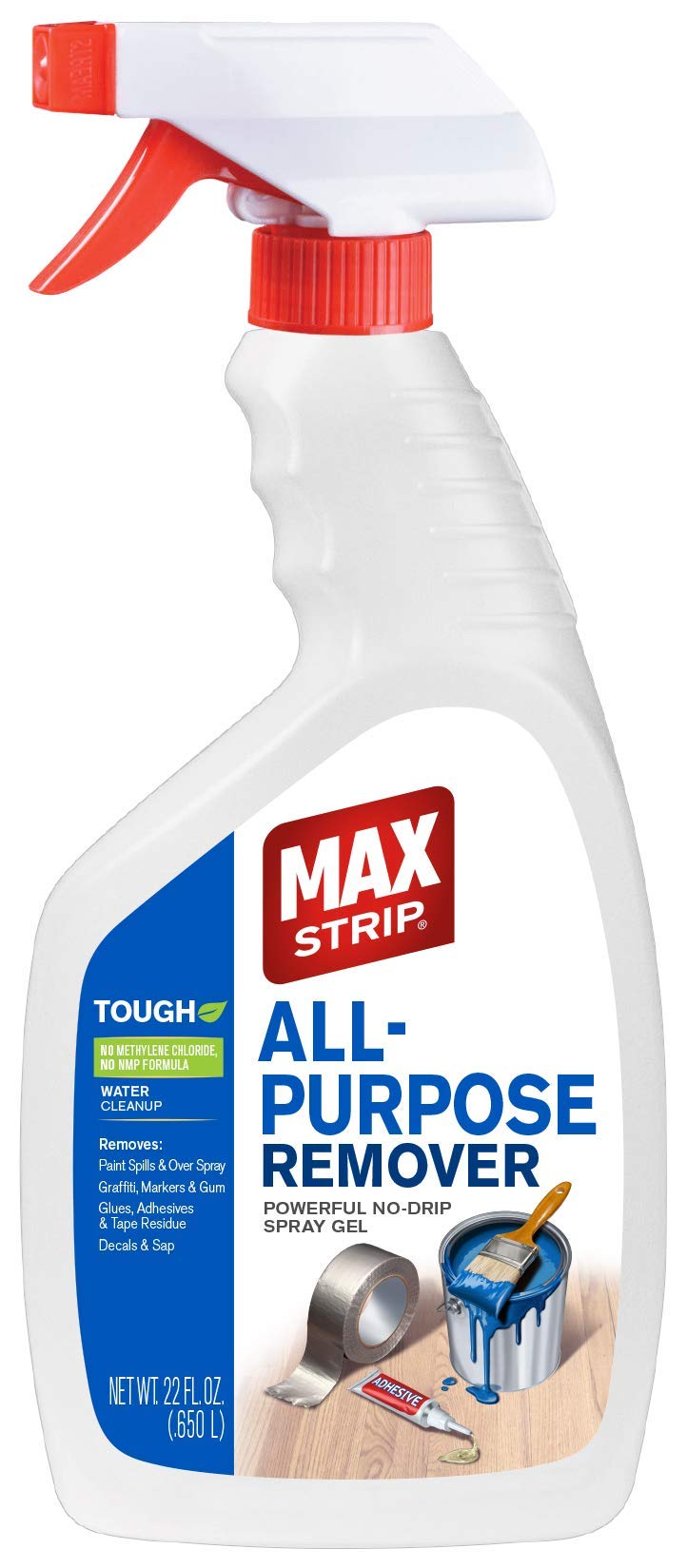
Max Strip
All Purpose Paint Remover Spray
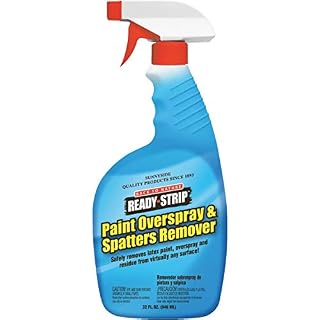
Sunnyside Corporation
Ready-Strip Paint Overspray & Spatters Remover
Mötsenböcker's Lift Off
Paint Scuff and Graffiti Remover
As an Amazon Associate I earn from qualifying purchases. Full disclosure

Community
0 postsShare how you use this product
Drop a quick comment or post a full review with photos and a star rating.
Sign in to postNew here? Create a free account.