
Ethylbenzene
- Aromatic solvents
- CAS 100-41-4
- IUPAC: Ethylbenzene
Ethylbenzene (CAS 100-41-4) appears in 19 of the 2,122 car-care products CarCareTruth tracks (as of August 2026), 18 of which carry a DANGER signal word on their published Safety Data Sheet. It is listed on California's Proposition 65 and classified as a VOC.
California Prop 65 listed as a carcinogen. IARC Group 2B (possibly carcinogenic to humans). H304 aspiration hazard, H332 harmful if inhaled, H312 harmful in contact with skin. As a trace processing byproduct (not an active ingredient) in consumer products, exposure levels are typically far below occupational thresholds.
Ethylbenzene is an aromatic hydrocarbon that appears in some consumer products as a trace processing byproduct rather than an intentional ingredient. It is listed under California Proposition 65 as known to cause cancer and classified by IARC as Group 2B (possibly carcinogenic to humans). When present as a trace contaminant in consumer products, the exposure levels are typically orders of magnitude below occupational limits, but the Prop 65 listing triggers mandatory labeling requirements.
Health & environment profile
- VOC
- yes
- Prop 65 listed
- yes
- Asthmagen
- no
- EPA Safer Choice
- no
- Aquatic toxicity
- yes
- Biodegradable
- yes
- Bioaccumulative
- no
- Persistent
- no
- Ozone depleting
- no
- Microplastic
- no
- PFAS
- no
- Env. score
- 3/5
Common questions about Ethylbenzene
- What is Ethylbenzene used for in car care?
- Aromatic solvent (trace processing byproduct in some formulations)
- Is Ethylbenzene a VOC?
- Yes. Ethylbenzene is classified as a volatile organic compound (VOC).
- Is Ethylbenzene on California's Proposition 65 list?
- Yes. Ethylbenzene appears on California's Proposition 65 list.
- Is Ethylbenzene biodegradable?
- Yes. Ethylbenzene has a confirmed biodegradable profile.
19 products contain this
 BlueDevil Products Complete Fuel System CleanerProp 65
fuel-system-cleaner
 Bondo Scratch & Rock Chip Repair KitProp 65
paint-touch-up
 CarPro Cquartz UK 3.0Prop 65
ceramic-coating
 Cataclean Fuel & Exhaust System CleanerProp 65
fuel-injector-cleaner
 CRC 05046 Battery Terminal ProtectorProp 65
battery-terminal-cleaner
 CRC Motor TreatmentProp 65
fuel-system-cleaner
 Prop 65
 Goof-Off Pro Strength Overspray RemoverProp 65
overspray-remover
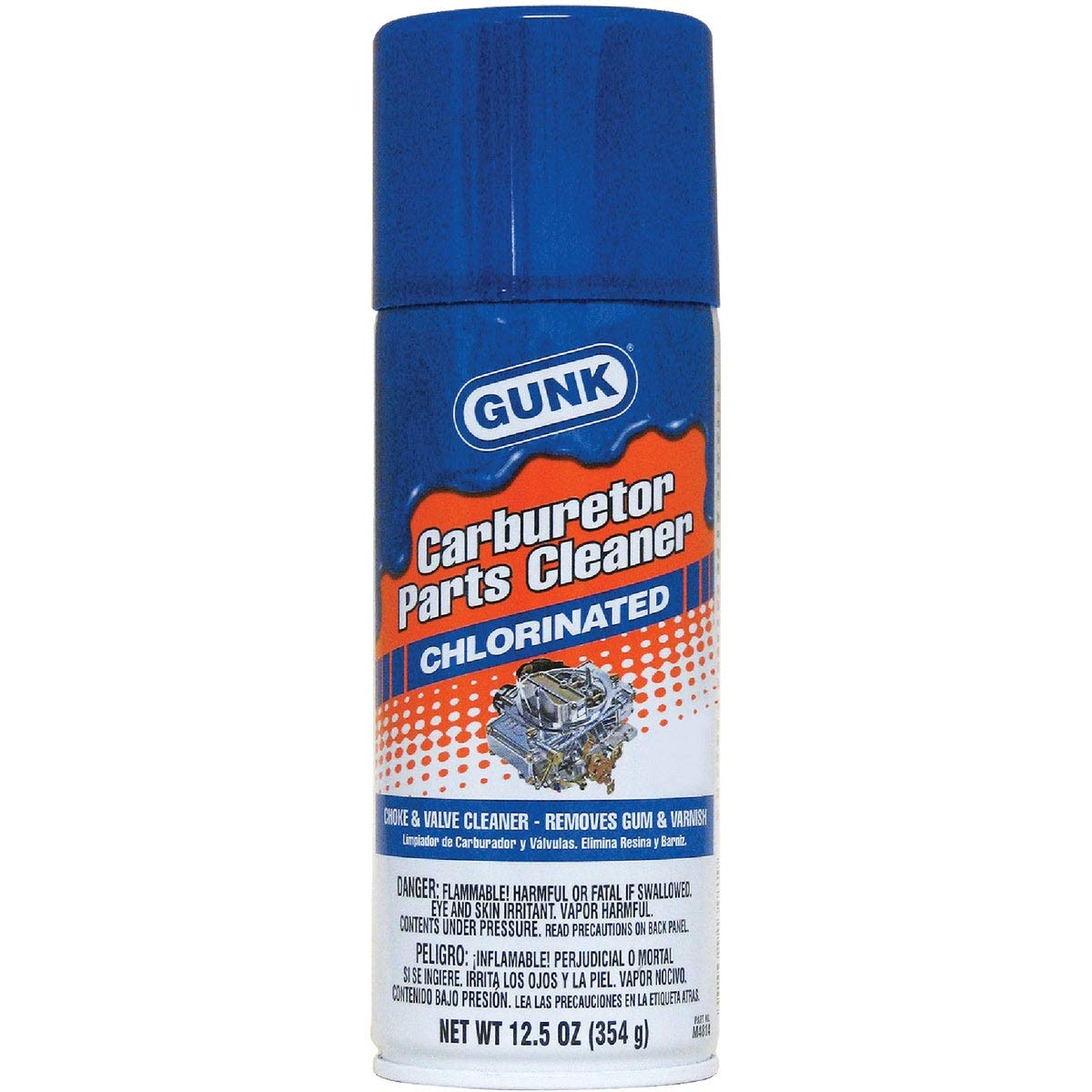 Prop 65
 Prop 65
 Hot Shot's Secret Everyday Diesel Treatment (EDT)Prop 65
diesel-treatment
 Hot Shot's Secret Gasoline Extreme (GE16Z)Prop 65
fuel-injector-cleaner
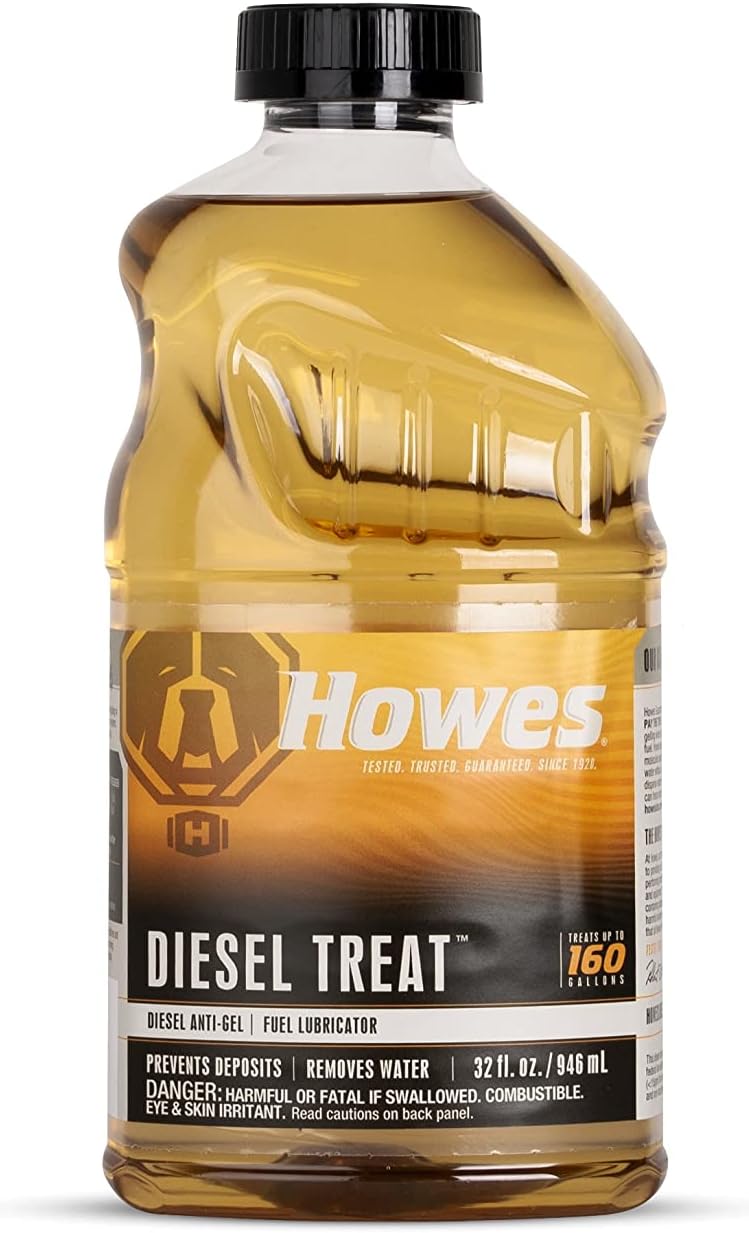 Howes Diesel TreatProp 65
diesel-treatment
 Liquid Wrench Lubricating Oil L212 (11 oz aerosol)Prop 65
multi-purpose-lubricant
 Liquid Wrench Silicone Spray Lubricant (11 oz aerosol)Prop 65
silicone-spray
 Motor Medic Complete Fuel System CleanerProp 65
fuel-system-cleaner
 Rust-Oleum Rust Reformer Spray (10.25 oz)Prop 65
rust-converter
 STP Pro Series Intake Valve CleanerProp 65
fuel-injector-cleaner
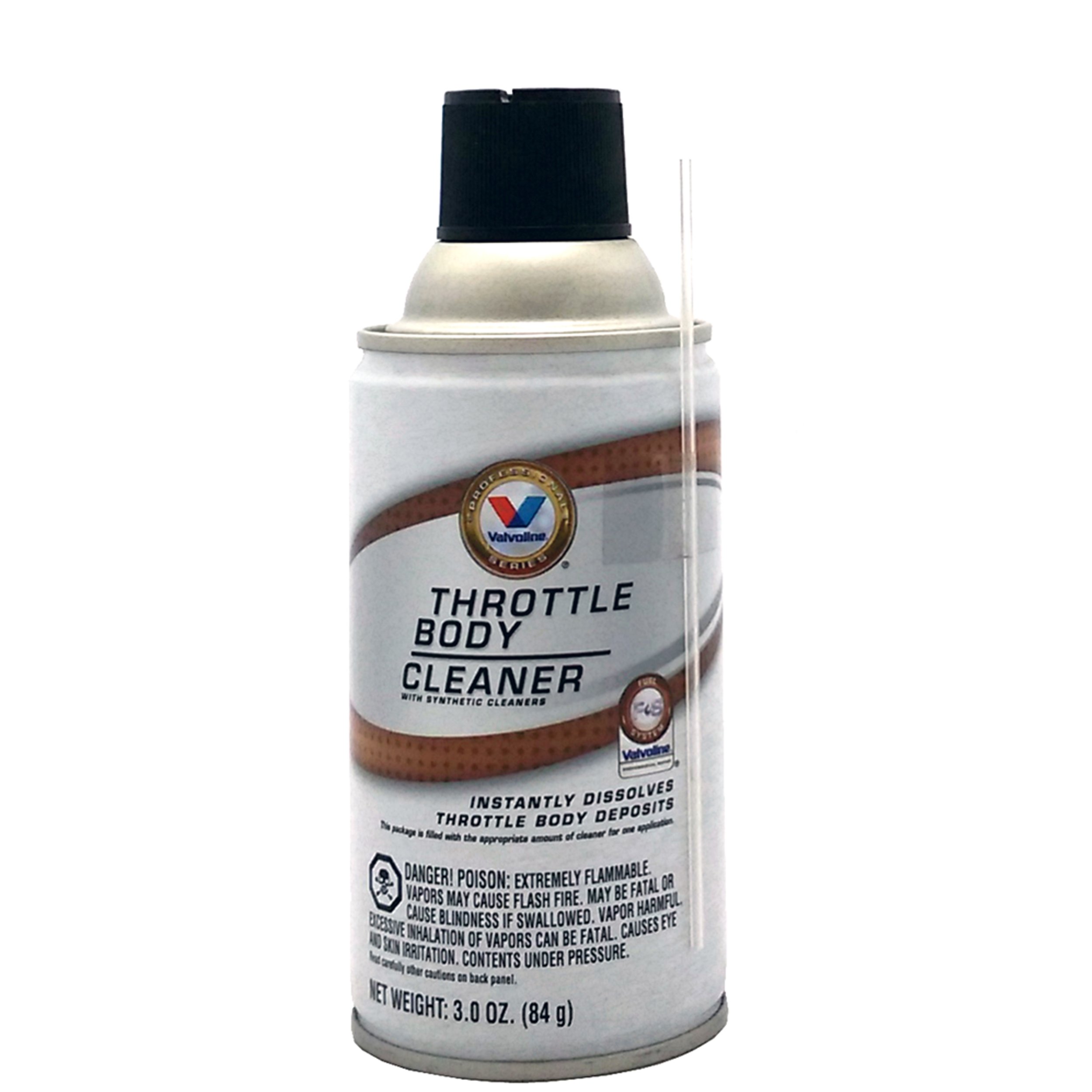 Prop 65
Related
Health and environment notes translate the manufacturer Safety Data Sheet, the GHS classification, and authoritative regulatory listings (California Prop 65, EPA). Not medical advice. They describe the ingredient itself; whether a hazard applies to a finished product depends on its concentration and how it's used.