CarCareTruth Score
Mediocre.
Opens Amazon in a new tab. No account needed to look.
Saved to your guest loadout. Sign up to also save to your Cabinet (consumables) or Kit (tools you own).
As an Amazon Associate I earn from qualifying purchases. Full disclosure
Prices may varyThe manufacturer's Safety Data Sheet classifies this product with one or more GHS Category 1 health hazards — the most severe tier. The hazard statements in quotes below are the verbatim GHS language from the SDS, as required by OSHA's Hazard Communication Standard. The line under each statement translates the GHS classification into plain language.
GHS Category 1 aspiration toxicity — thin, oily liquids can slip into the lungs if swallowed, causing chemical pneumonia.
If swallowed, inhaled, or splashed in eyes:
Call Poison Control immediately at 1-800-222-1222 (US, 24/7, free) and have the product container with you. Poison Control's standing guidance is to not induce vomiting after chemical exposure; they will direct first-aid steps based on the specific product.
About this product's hazards. This product's Safety Data Sheet uses signal word danger. Read the manufacturer's SDS and follow all safety instructions before use. CarCareTruth ratings translate the manufacturer's safety sheet. They do not replace the SDS or substitute for a hazard assessment specific to your task.
This product ranks #4 of 5 in Diesel Treatment.Three above it ↓
Last reviewed July 31, 2026
TL;DR Trusted anti-gel and lubricity treatment from a brand with a long cold-climate track record; the lubricity additive is confirmed in the SDS, but both the cetane improver and anti-gel modifier are undisclosed trade secrets with no independent test backing the cold-protection claim. DANGER signal word: petroleum concentrate with an aspiration hazard and a Prop 65 cancer warning; the concentrate pour is the primary exposure window.
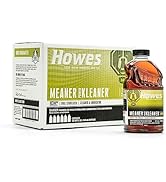
Howes Diesel Treat is an alcohol-free diesel fuel additive targeting four functions: cold-weather gelling prevention, fuel pump and injector lubrication, injector deposit prevention, and basic water demulsification. The brand has made this product since 1920 and it carries strong credibility among Midwest and Northern fleet operators and pickup truck owners. The lubricity additive is the best-documented function: a fatty acid amide is confirmed in the SDS at 0.5-1.5%, which is a legitimate lubricity chemistry class for ULSD fuels, though no HFRR wear-scar test data has been published. The anti-gel claim rests on a brand-stated 20-degree cold filter plugging point improvement with no identified anti-gel modifier in the SDS (likely the trade secret ingredient) and no ASTM D6371 test reference. The cetane improver and injector detergent active are both undisclosed; the brand describes a "specialized detergent package" but names nothing. Community evidence is consistently positive for cold-weather gelling prevention across cold-climate diesel forums and fleet users. The alcohol-free formulation is a genuine differentiator for owners of newer high-pressure common-rail engines where alcohol-based products raise injector seal compatibility concerns.
Cold-climate diesel owners: pickup trucks, tractors, farm equipment, and fleet vehicles running non-Top-Tier diesel through winter months where fuel gelling is a real operational risk. The alcohol-free formula makes it a safe choice for modern CRDI engines. Skip it if your primary goal is documented cetane improvement or injector deposit removal: neither active is named anywhere in the public disclosure, and the quality score reflects that gap. Owners in mild climates who are not concerned about winter gelling have little reason to use this over a product with better-documented detergent or cetane chemistry.
The SDS carries a DANGER signal word driven by H304 (aspiration hazard, Cat 1): aspirating this petroleum concentrate into the lungs, as can happen during accidental siphoning or a hard fall on the bottle, is a serious medical risk. Skin and respiratory irritation codes (H315, H335) apply at concentrate strength from the petroleum-distillate carriers. A Prop 65 carcinogen is listed in SDS §15 and on the back label. The SDS §2 mixture classification does not include H319, despite the label's "EYE IRRITANT" precautionary language; the splash risk during pouring still warrants eye protection. On environment: the concentrate burns through the engine and exits as exhaust, and the aromatic co-solvents (trimethylbenzene, xylenes, naphthalene) are flagged as aquatic toxicants in the SDS; environment score is 3 out of 10 (category ceiling applies to all diesel treatments in this combustion-pathway class).
Marketing copy from Howes, via Amazon. Not editorial.
Weekly pick
One product, one safety verdict, every week. No spam.




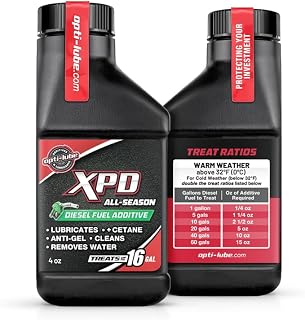
Opti-Lube
XPD All-Season Diesel Fuel Additive (4 oz 8-Pack)
Hot Shot's Secret
Everyday Diesel Treatment (EDT)
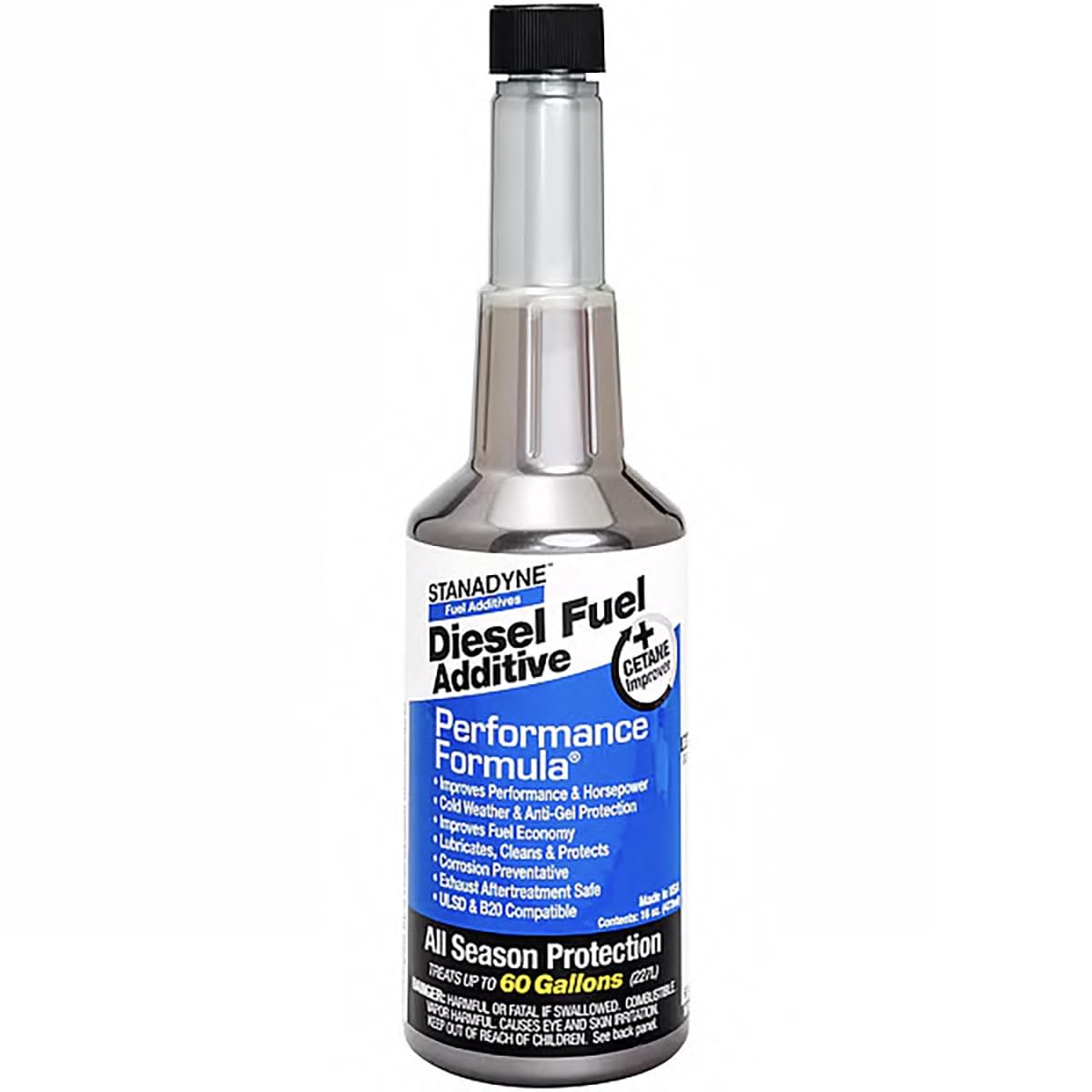
Stanadyne
Performance Formula Diesel Fuel Additive
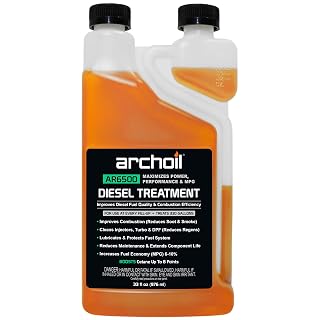
Archoil
AR6500 Diesel Treatment
As an Amazon Associate I earn from qualifying purchases. Full disclosure

Community
0 postsShare how you use this product
Drop a quick comment or post a full review with photos and a star rating.
Sign in to postNew here? Create a free account.