
Naphthalene
- Aromatic solvents
- CAS 91-20-3
- IUPAC: Naphthalene
Naphthalene (CAS 91-20-3) appears in 19 of the 2,168 car-care products CarCareTruth tracks (as of August 2026), 16 of which carry a DANGER signal word on their published Safety Data Sheet. It is listed on California's Proposition 65 and classified as a VOC.
California Prop 65 listed carcinogen (cancer endpoint, listed April 19, 2002). IARC Group 2B (possibly carcinogenic to humans). ACGIH skin designation — readily absorbed through skin. OSHA PEL 10 ppm TWA. Even at <1% in a mixture, it is the regulatory ingredient that triggers Prop 65 warnings on the parent product label.
Naphthalene (CAS 91-20-3) is the simplest polycyclic aromatic hydrocarbon — two fused benzene rings — historically known as the active in classic mothballs. In petroleum-solvent degreasers it is a trace contaminant (under 1%) of the heavy-aromatic-naphtha solvent cut, not an intentional ingredient. The petroleum refining process cannot economically eliminate it without changing the solvent properties of the parent cut, so it persists in heavy-aromatic distillates as a residual constituent.
It is the regulatory anchor for the Prop 65 cancer warning on the Engine Brite EB1 label: California listed naphthalene as a carcinogen on April 19, 2002 (CRT designation). It is also a CERCLA hazardous substance, a SARA 313 TRI-reportable chemical, and a Clean Air Act Hazardous Air Pollutant. ACGIH carries a skin designation, meaning dermal absorption is a meaningful exposure route in addition to inhalation. The Prop 65 cancer warning on consumer aerosols containing this solvent fraction is driven by naphthalene, not by the bulk petroleum distillate.
For users: the Prop 65 warning on petroleum-solvent engine degreasers is a real chemistry-based call, not generic California-label noise. The naphthalene exposure is small per use, but the classification is based on a recognized carcinogenic endpoint.
Health & environment profile
- VOC
- yes
- Prop 65 listed
- yes
- Asthmagen
- no
- EPA Safer Choice
- no
- Aquatic toxicity
- yes
- Biodegradable
- no
- Bioaccumulative
- no
- Persistent
- yes
- Ozone depleting
- no
- Microplastic
- no
- PFAS
- no
- Env. score
- 1/5
Common questions about Naphthalene
- What is Naphthalene used for in car care?
- Polycyclic aromatic hydrocarbon present as a trace component (<1%) of heavy-aromatic petroleum naphtha solvent cuts used in engine degreasers and other heavy-duty cleaning products. Not added intentionally; persists from the raw petroleum feedstock.
- Is Naphthalene a VOC?
- Yes. Naphthalene is classified as a volatile organic compound (VOC).
- Is Naphthalene on California's Proposition 65 list?
- Yes. Naphthalene appears on California's Proposition 65 list.
19 products contain this
 AMSOIL Power Foam Engine Cleaner and DegreaserProp 65
engine-degreaser
 Archoil AR6500 Diesel TreatmentProp 65
diesel-treatment
 Cataclean Fuel & Exhaust System CleanerProp 65
fuel-injector-cleaner
 CRC Motor TreatmentProp 65
fuel-system-cleaner
 Prop 65
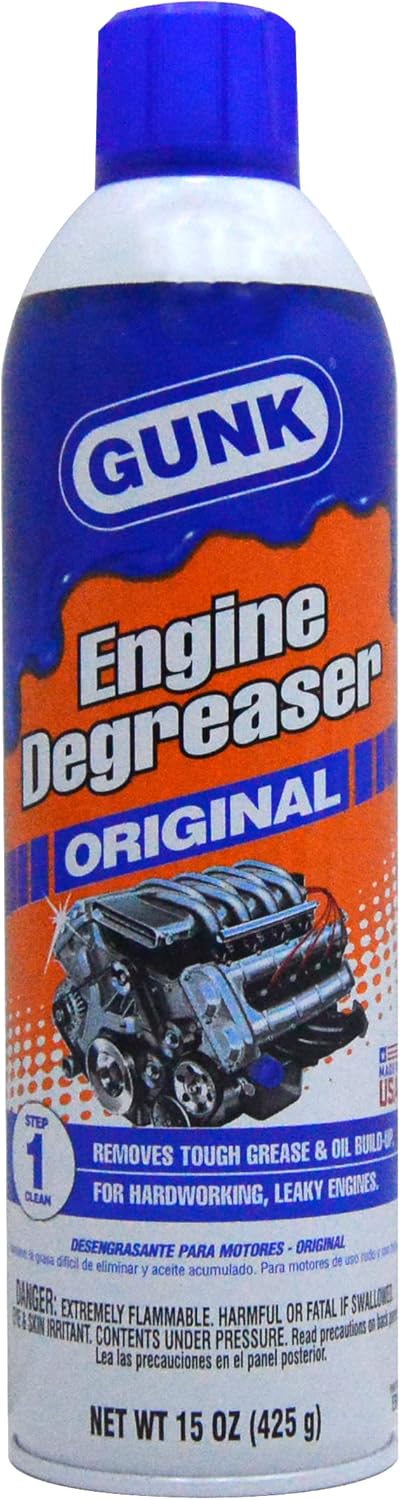 Gunk Original Engine Brite Heavy Duty Engine DegreaserProp 65
engine-degreaser
 Honda Genuine HCF-2 CVT Transmission FluidProp 65
transmission-fluid
 Hot Shot's Secret Everyday Diesel Treatment (EDT)Prop 65
diesel-treatment
 Hot Shot's Secret Gasoline Extreme (GE16Z)Prop 65
fuel-injector-cleaner
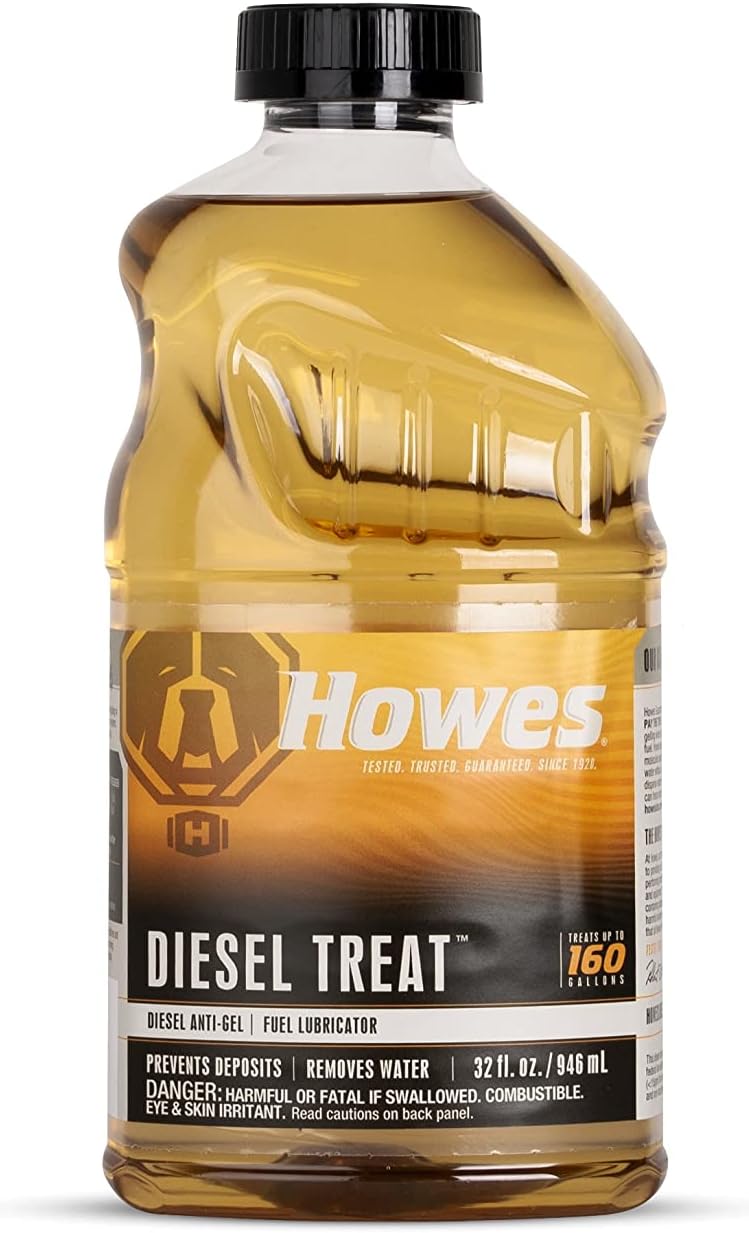 Howes Diesel TreatProp 65
diesel-treatment
 Liqui Moly Pro-Line Gasoline System CleanerProp 65
fuel-injector-cleaner
 Liquid Wrench Lubricating Oil L212 (11 oz aerosol)Prop 65
multi-purpose-lubricant
 Motor Medic Complete Fuel System CleanerProp 65
fuel-system-cleaner
 Motorcraft Carburetor Tune-Up Cleaner PM-3Prop 65
carb-cleaner
 Opti-Lube XPD All-Season Diesel Fuel Additive (4 oz 8-Pack)Prop 65
diesel-treatment
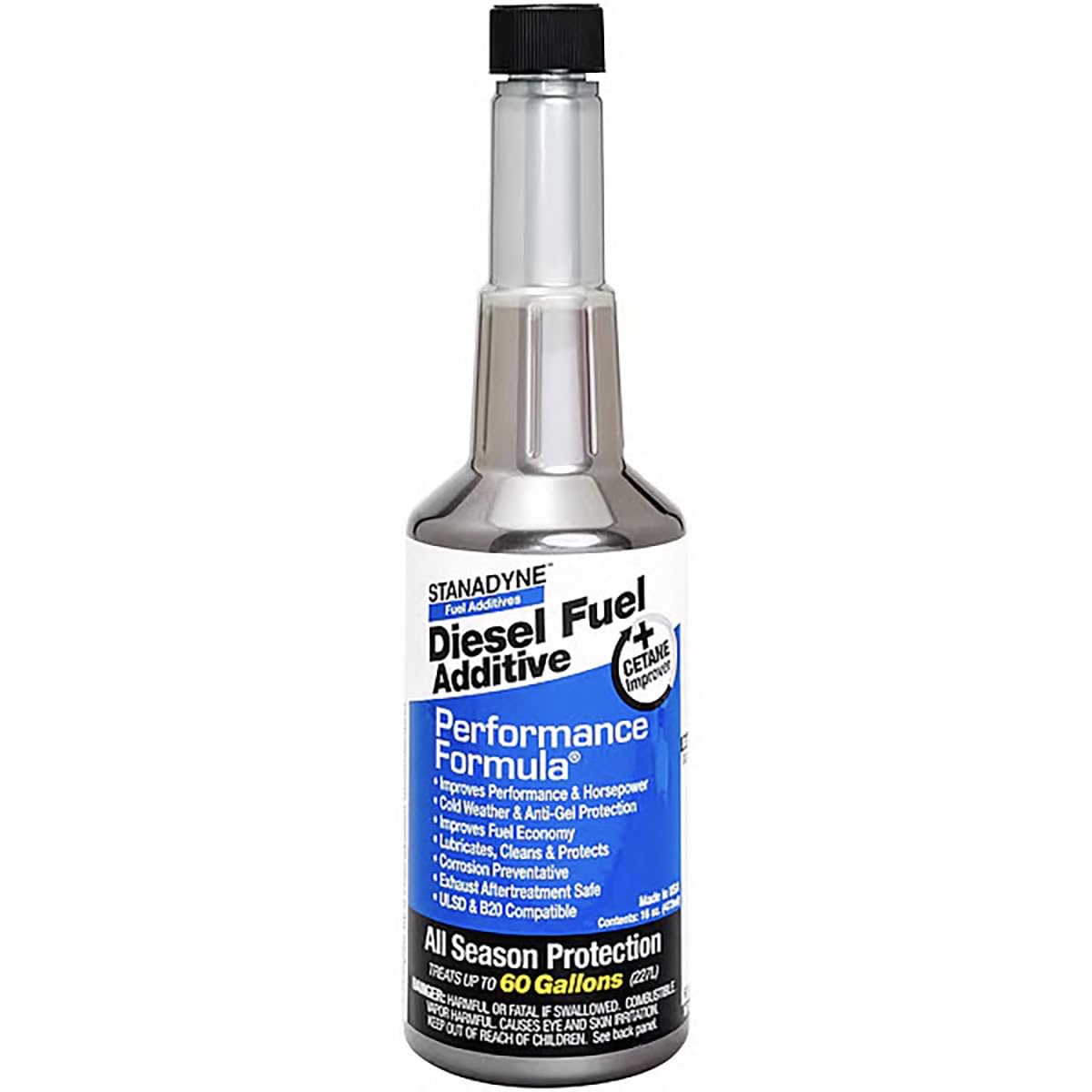 Stanadyne Performance Formula Diesel Fuel AdditiveProp 65
diesel-treatment
 Prop 65
 Valvoline MaxLife High Mileage Complete Fuel System CleanerProp 65
fuel-system-cleaner
 Yamaha Yamalube Outboard Fuel Stabilizer & Conditioner PlusProp 65
fuel-stabilizer
Related
Health and environment notes translate the manufacturer Safety Data Sheet, the GHS classification, and authoritative regulatory listings (California Prop 65, EPA). Not medical advice. They describe the ingredient itself; whether a hazard applies to a finished product depends on its concentration and how it's used.