
Kerosene
- Aliphatic solvents
- CAS 8008-20-6
- IUPAC: Kerosene (petroleum)
Kerosene (CAS 8008-20-6) appears in 5 of the 2,168 car-care products CarCareTruth tracks (as of August 2026). It is classified as a VOC.
Carries Asp. Tox. 1 (H304) at ingredient level — aspiration hazard. Skin-absorbable per ACGIH skin designation. Chronic inhalation classification STOT RE 2 (H373). NIOSH TWA 100 mg/m³. The dieselly odor of kerosene-containing degreasers is a direct indicator of vapor exposure during use.
Kerosene (CAS 8008-20-6) is a refined petroleum mid-distillate — the same hydrocarbon family used as jet fuel and lamp oil. In engine degreasers it serves as a co-solvent, supplementing a heavier aliphatic distillate with lower-molecular-weight hydrocarbons that flash-evaporate and carry grease into solution more aggressively. The trade-off is a higher vapor pressure (and stronger "diesel" odor) than the heavier distillate alone, which raises the inhalation risk during application.
The ingredient is on California's Safer Consumer Products Candidate Chemicals List. EPA classifies the constituent hydrocarbons as VOCs under 40 CFR 59. ACGIH assigns a skin designation, meaning dermal absorption is a meaningful exposure route during prolonged contact. At 20–30% of a formulation, kerosene contributes meaningfully to the parent mixture's aspiration hazard, STOT RE classification, and overall VOC burden.
For users: the smell of kerosene in an engine-degreaser product is the chemistry telling you to use it outdoors. The vapor pressure is high enough that confined-space spraying produces measurable airborne concentrations within minutes.
Related: Is Engine Degreaser Toxic? Read the full SDS breakdown of the solvent degreasers this co-solvent appears in.
Health & environment profile
- VOC
- yes
- Prop 65 listed
- no
- Asthmagen
- no
- EPA Safer Choice
- no
- Aquatic toxicity
- yes
- Biodegradable
- no
- Bioaccumulative
- no
- Persistent
- yes
- Ozone depleting
- no
- Microplastic
- no
- PFAS
- no
- Env. score
- 2/5
Common questions about Kerosene
- What is Kerosene used for in car care?
- Co-solvent in heavy-duty degreasers and parts cleaners — extends the solvent range of the primary aliphatic distillate into lower-molecular-weight hydrocarbons for faster initial grease-cutting.
- Is Kerosene a VOC?
- Yes. Kerosene is classified as a volatile organic compound (VOC).
- Is Kerosene on California's Proposition 65 list?
- No. Kerosene is not on California's Proposition 65 list.
5 products contain this
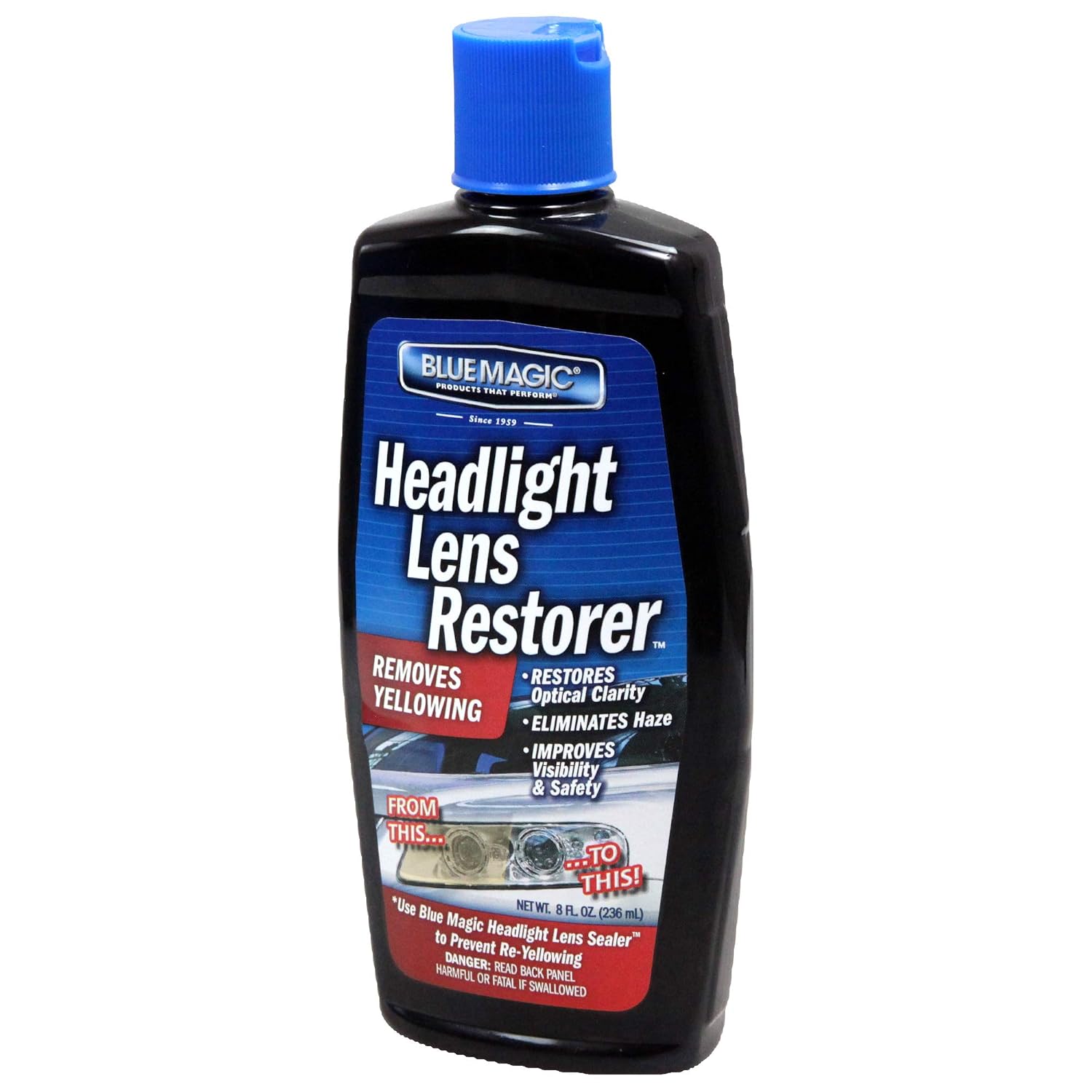 Blue Magic Headlight Lens Restorer
headlight-restoration
 Cataclean Fuel & Exhaust System CleanerProp 65
fuel-injector-cleaner
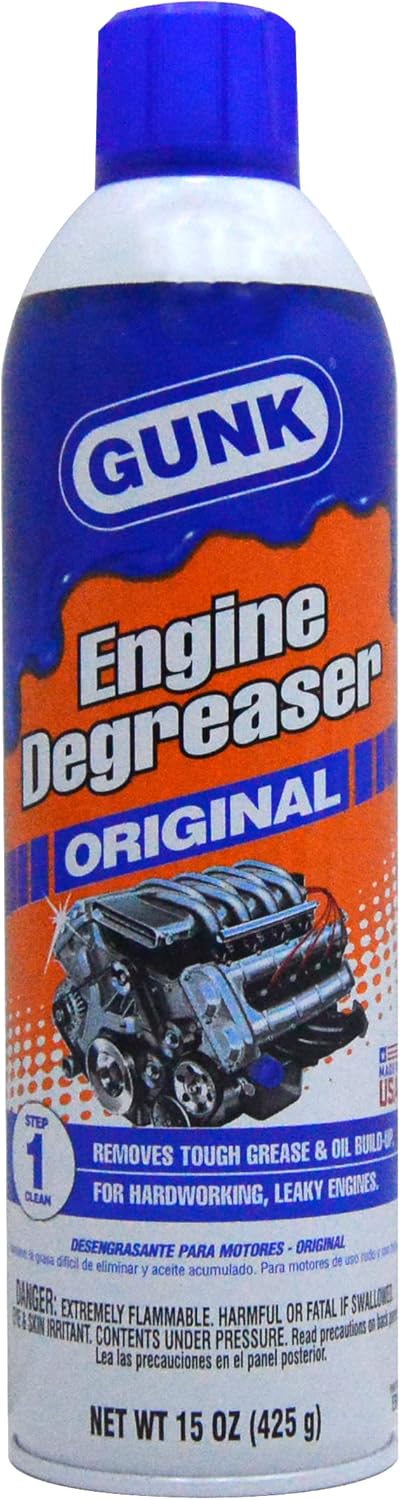 Gunk Original Engine Brite Heavy Duty Engine DegreaserProp 65
engine-degreaser
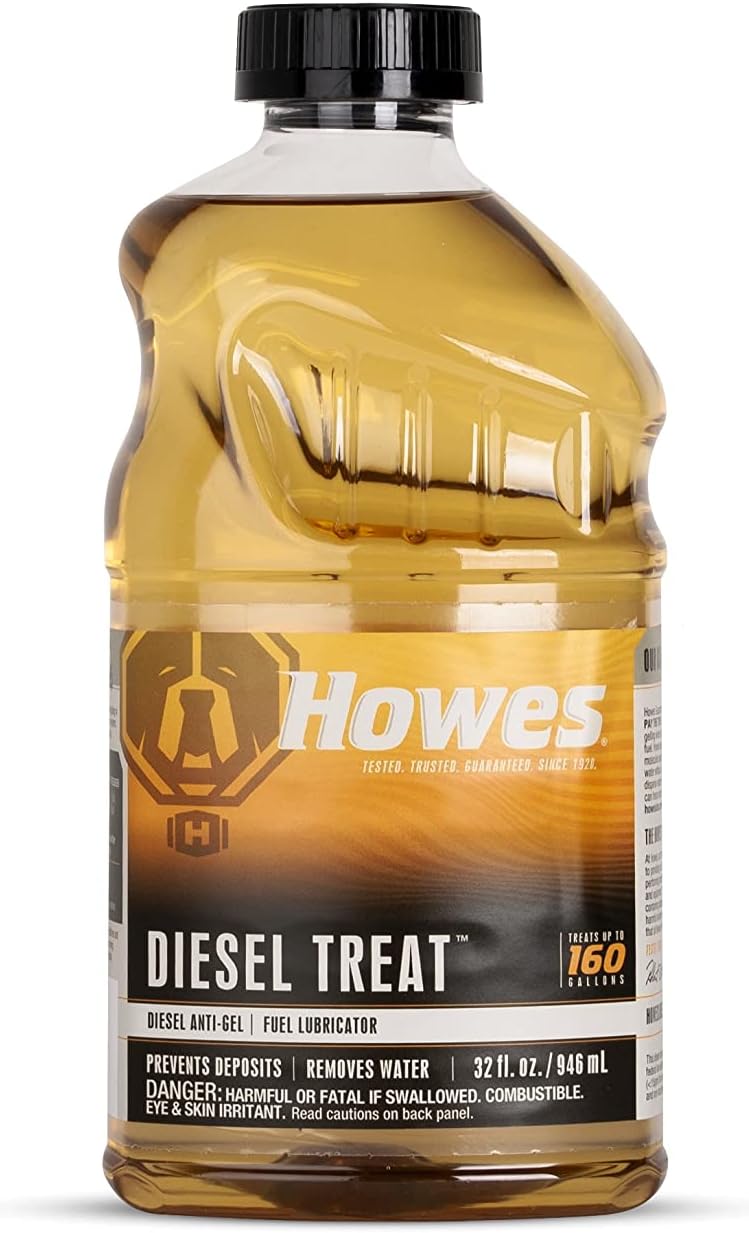 Howes Diesel TreatProp 65
diesel-treatment
 Motor Medic Complete Fuel System CleanerProp 65
fuel-system-cleaner
Related
Health and environment notes translate the manufacturer Safety Data Sheet, the GHS classification, and authoritative regulatory listings (California Prop 65, EPA). Not medical advice. They describe the ingredient itself; whether a hazard applies to a finished product depends on its concentration and how it's used.