CarCareTruth Score
Mediocre, but wear gloves and ventilate.
Opens Amazon in a new tab. No account needed to look.
Saved to your guest loadout. Sign up to also save to your Cabinet (consumables) or Kit (tools you own).
As an Amazon Associate I earn from qualifying purchases. Full disclosure
Prices may varyHealth score is for adult use as intended, per the manufacturer's SDS. It does not model child ingestion, accidental spill cleanup, or off-label use. See the safety panel below for full hazard classification, and /disclaimer for the full editorial scope.
GHS hazard codes are quoted from the manufacturer’s Safety Data Sheet. PPE tiers below translate those codes and the listed ingredient chemistry; they are not CarCareTruth recommendations.
Show details for all categories ▾Hide details ▴
Translated from the manufacturer’s Safety Data Sheet, Section 2
Serious eye irritation classified at SDS §2 mixture level; the concentrate pour from a squeeze bottle into a narrow tank fill neck creates realistic splash risk.
U.S. regulatory standard
29 CFR 1910.133(a)(1)
“The employer shall ensure that each affected employee uses appropriate eye or face protection when exposed to eye or face hazards from… liquid chemicals…”
ANSI Z87.1 (incorporated via §1910.6)
OSHA standards apply to workplaces. Cited here as the U.S. reference threshold for the underlying hazard class.
CarCareTruth publishes the cited sources verbatim and does not advise what action a user should take. Consult the full SDS before use.
Especially relevant: handling concentrate
Translated from the manufacturer’s Safety Data Sheet, Section 2
Skin irritation classified at SDS §2 mixture level; the very high 2-EHN concentration (50-75%) makes accidental drip contact during the standard tank-side pour more consequential than a typical carrier-only formulation.
U.S. regulatory standard
29 CFR 1910.138(a)
“appropriate hand protection when employees' hands are exposed to hazards such as those from… chemicals which produce an adverse effect on the skin or eyes…”
OSHA standards apply to workplaces. Cited here as the U.S. reference threshold for the underlying hazard class.
CarCareTruth publishes the cited sources verbatim and does not advise what action a user should take. Consult the full SDS before use.
Especially relevant: in enclosed space
Beyond SDS: translated from the ingredient chemistry
2-EHN at 50-75% with mixture-level inhalation warning; the category rubric treats 2-EHN at or above 5% with this classification as the recommended-tier default. Outdoor pour is adequate per SDS §8; a closed garage or covered fueling area concentrates vapor from the aromatic naphtha and 2-EHN carrier.
U.S. regulatory standard
29 CFR 1910.134(a); 1910.1200(f)
“The employer shall assess the workplace to determine if hazards are present, or are likely to be present, which necessitate the use of personal protective equipment.”
OSHA standards apply to workplaces. Cited here as the U.S. reference threshold for the underlying hazard class.
CarCareTruth publishes the cited sources verbatim and does not advise what action a user should take. Consult the full SDS before use.
No PPE specified in published sources for ventilation. Absence does not imply “not needed” — consult the full Safety Data Sheet.
PPE tiers translate the manufacturer’s SDS and U.S. regulatory standards. Not professional safety advice. How we report safety.
Scope of these PPE tiers. The tiers on this page translate the product's Safety Data Sheet where one is published, plus its ingredient chemistry, into a comparable rating. They describe a formulation, not a situation: a tier is not a safety determination for any specific user, task, quantity, or environment. The manufacturer's label and use instructions govern how the product is handled. Where the product is used at work, the employer's PPE program and hazard assessment under 29 CFR 1910.132 decide what protection is selected, not this page.
No warranties. CarCareTruth makes no warranties, express or implied, and expressly disclaims the implied warranties of merchantability and fitness for a particular purpose.
This product ranks #3 of 5 in Diesel Treatment.
Last reviewed August 2, 2026
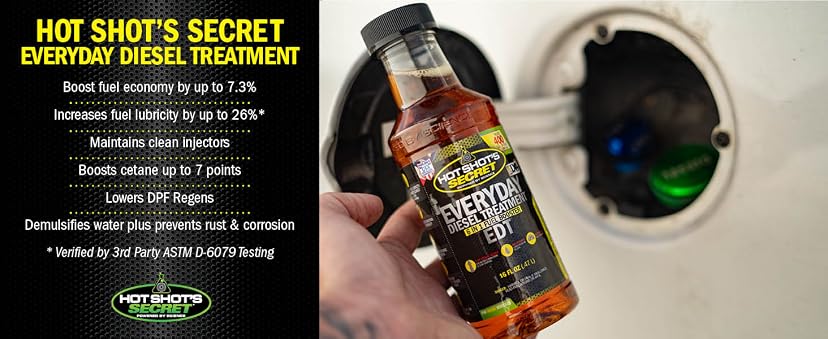
TL;DR This diesel treatment carries mixture-level warnings for swallowing and inhalation risk from its very high 2-EHN concentration, plus Prop 65 listings for ethylbenzene and naphthalene, landing in the Serious Hazard health band (3.0/10) at concentrate strength. 2-EHN, the most independently studied cetane improver, drives the idle-smoothing and cold-start gains owners report; the "6-in-1" detergent and lubricity actives are trade secrets with no independent evidence.
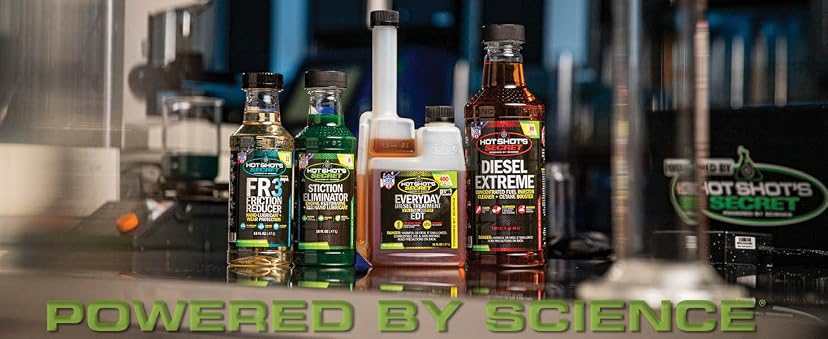
EDT's disclosed active is 2-ethylhexyl nitrate, the most independently studied cetane improver, at the highest concentration the brand discloses in this category; the claimed 7-point cetane boost has no independent ASTM D613 test behind it. Higher cetane shortens ignition delay, smoothing idle and easing cold starts, matching the strong community feedback. The brand also markets injector cleaning and lubricity protection under a proprietary LX4 package, but neither active is disclosed. Dosing is 1-2 oz per 25 gallons per fill-up from a graduated squeeze bottle; this is not an anti-gel product, a separate EDT+ Winter Defense SKU covers cold weather.
Best for diesel owners running non-Top Tier fuel who want a dedicated cetane boost at every fill-up; 2-EHN is the right chemistry class for combustion-quality improvement. Skip it if your fuel already meets EN 590 cetane minimums from a Top Tier supplier, or if injector cleaning is the goal, since the trade-secret detergent cannot be independently evaluated.
The SDS classifies this mixture with a WARNING signal word. H302 (harmful if swallowed) and H332 (harmful if inhaled) appear at the mixture level from the 2-EHN concentration; H373 (organ damage from repeated exposure) comes from the aromatic naphtha and xylene carrier. SDS §15 lists Prop 65 warnings for ethylbenzene and naphthalene, both listed for cancer. The concentrate pour into the tank fill neck is the primary exposure window. The product combusts in the engine, so exhaust is the environmental endpoint; estimated VOC exceeds 550 g/L, and naphthalene carries documented aquatic toxicity.
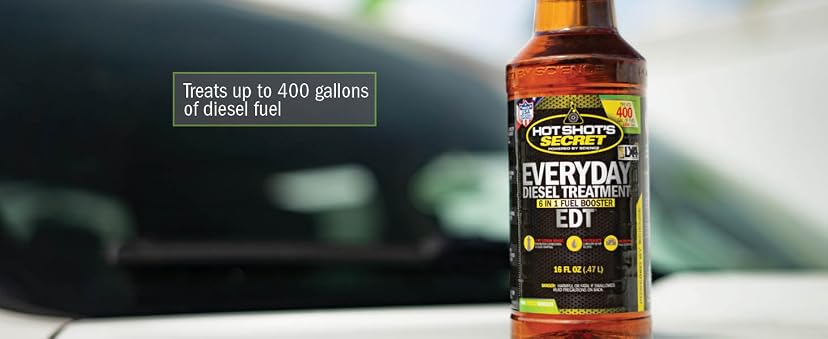
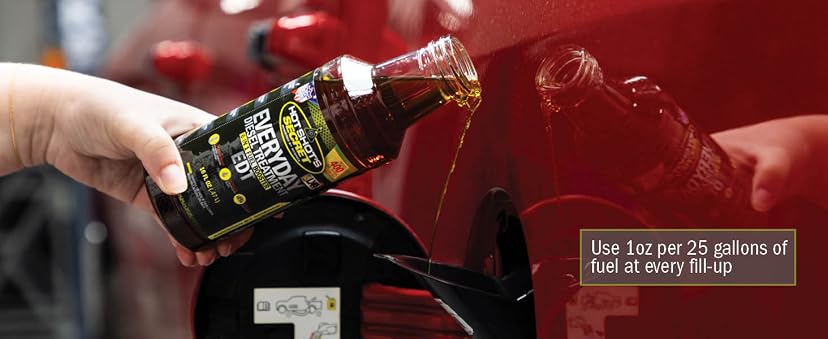
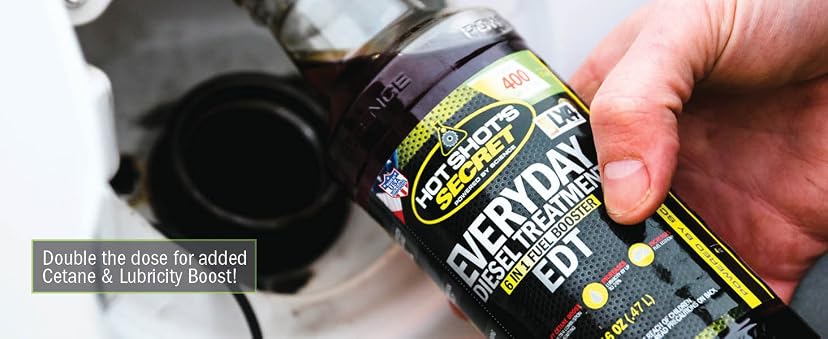
The label specifies 1 oz per 25 gallons for standard treatment, or 2 oz per 25 gallons for increased cetane and lubricity benefit. The 16 oz squeeze bottle treats up to 400 gallons at the standard rate. Pour directly into the fuel tank before filling.
The brand states it is designed for all diesel engines including Tier 4 compliant equipment. The ashless formulation avoids metallic-additive concerns. No documented community-reported compatibility issues have been found for CRDI or older mechanical injection engines.
No. EDT is a warm-weather and all-season maintenance treatment. For cold-weather anti-gel protection, Hot Shot's Secret offers a separate EDT+ Winter Defense product with wax-crystal modifier chemistry.
EDT is designed for every-fill-up maintenance dosing (1-2 oz per 25 gallons). Diesel Extreme is a concentrated one-tank deep-clean treatment for symptom-driven use · higher detergent concentration for severe injector fouling. They address different needs: EDT for prevention, Diesel Extreme for remediation.
The brand states that the cetane improvement from 2-EHN can improve fuel economy. Community reviews report modest MPG improvements, but results vary by engine, fuel quality, and driving conditions. Cetane improvement reduces ignition delay, which can contribute to more complete combustion.
Marketing copy from Hot Shot's Secret, via Amazon. Not editorial.
Weekly pick
One product, one safety verdict, every week. No spam.




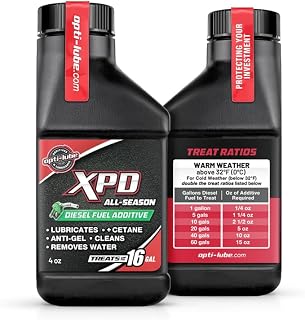
Opti-Lube
XPD All-Season Diesel Fuel Additive (4 oz 8-Pack)
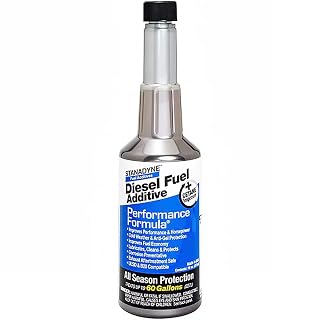
Stanadyne
Performance Formula Diesel Fuel Additive
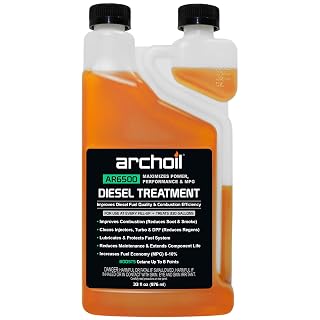
Archoil
AR6500 Diesel Treatment
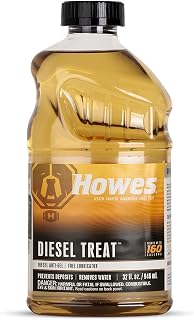
Howes
Diesel Treat
As an Amazon Associate I earn from qualifying purchases. Full disclosure

Community
0 postsShare how you use this product
Drop a quick comment or post a full review with photos and a star rating.
Sign in to postNew here? Create a free account.