
2-Ethylhexanol
- Alcohol solvents
- CAS 104-76-7
- IUPAC: 2-ethylhexan-1-ol
2-Ethylhexanol (CAS 104-76-7) appears in 2 of the 2,122 car-care products CarCareTruth tracks (as of August 2026). It is classified as a VOC.
H332 (harmful if inhaled, acute inhalation Cat 4) at substance level. Skin irritant (H315) and eye irritant (H319) at substance level. The inhalation exposure risk is primarily relevant for occupational scenarios with direct vapor exposure; consumer pour-into-tank exposure is brief.
2-Ethylhexanol (2-EH; CAS 104-76-7) is a branched C8 primary alcohol produced commercially as a co-product of oxo synthesis (hydroformylation). It is a colorless, slightly oily liquid with a mild, sweet odor and limited water solubility. At the fuel-additive concentrations where it appears (10–15% in diesel treatments), it functions as both a coupling agent — helping dissolve 2-EHN and other actives in the petroleum distillate carrier — and a mild lubricity contributor via its hydroxyl group's boundary-lubrication properties.
In the CarCareTruth context, 2-ethylhexanol appears in diesel fuel additive formulations containing 2-ethylhexyl nitrate (2-EHN). The alcohol is a thermal decomposition product of 2-EHN, and some formulations include it deliberately as a co-solvent. At the mixture concentrations found in consumer diesel treatments, 2-ethylhexanol's primary hazard pathway is brief inhalation during the tank-pour scenario; the compound is more volatile than the heavy-aromatic naphtha carrier and contributes to the inhalation exposure window alongside 2-EHN vapors.
The compound is biodegradable and is not classified as a persistent, bioaccumulative, or toxic (PBT) substance under EU REACH. Its aquatic toxicity at finished-product concentrations is low.
Health & environment profile
- VOC
- yes
- Prop 65 listed
- no
- Asthmagen
- no
- EPA Safer Choice
- no
- Aquatic toxicity
- no
- Biodegradable
- yes
- Bioaccumulative
- no
- Persistent
- no
- Ozone depleting
- no
- Microplastic
- no
- PFAS
- no
- Env. score
- 3/5
Common questions about 2-Ethylhexanol
- What is 2-Ethylhexanol used for in car care?
- Branched-chain fatty alcohol used as a coupling agent, carrier solvent, and lubricity additive in diesel fuel treatments and industrial lubricant formulations.
- Is 2-Ethylhexanol a VOC?
- Yes. 2-Ethylhexanol is classified as a volatile organic compound (VOC).
- Is 2-Ethylhexanol on California's Proposition 65 list?
- No. 2-Ethylhexanol is not on California's Proposition 65 list.
- Is 2-Ethylhexanol biodegradable?
- Yes. 2-Ethylhexanol has a confirmed biodegradable profile.
2 products contain this
 Chevron Techron D Concentrate Diesel Fuel System Cleaner
fuel-system-cleaner
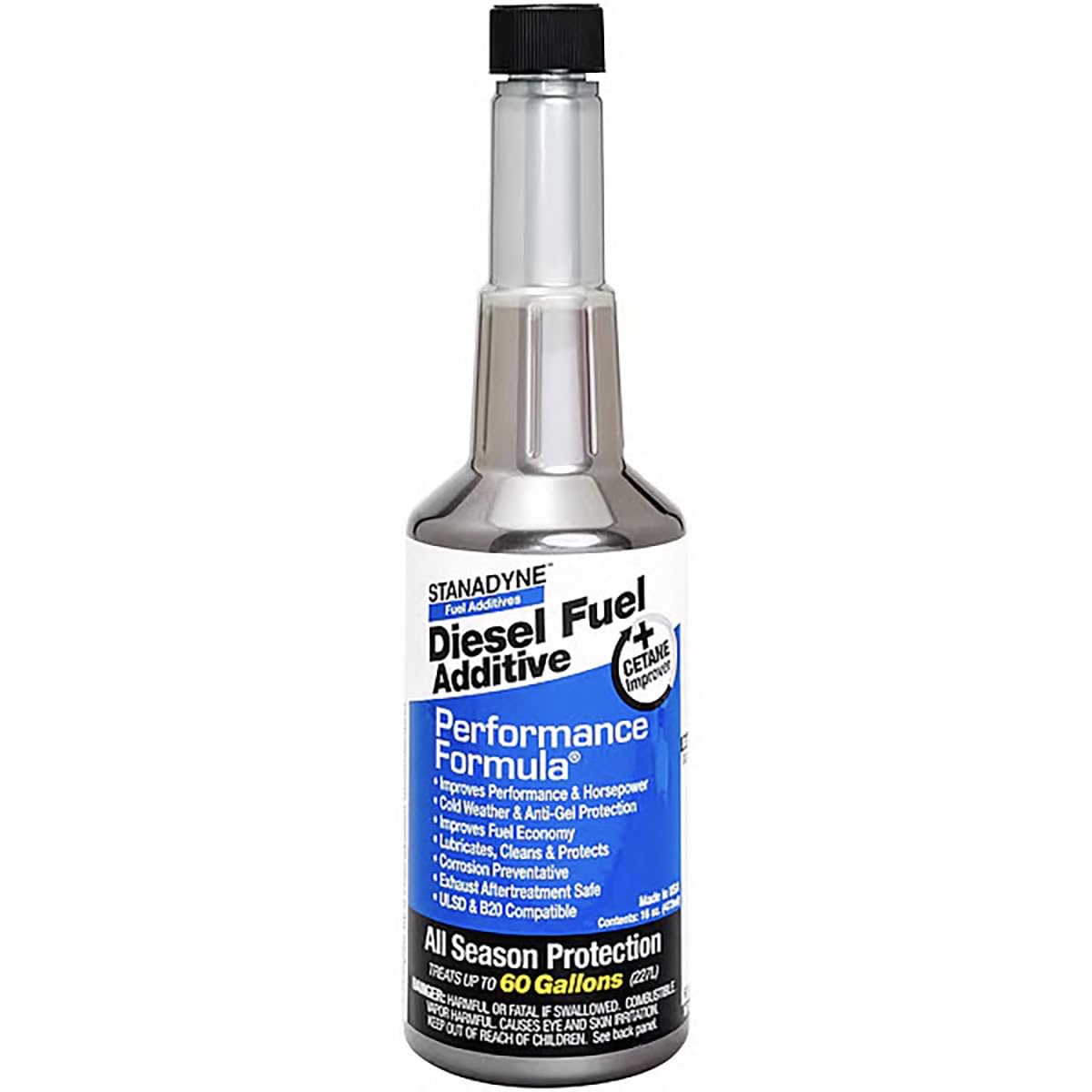 Stanadyne Performance Formula Diesel Fuel AdditiveProp 65
diesel-treatment
Related
Health and environment notes translate the manufacturer Safety Data Sheet, the GHS classification, and authoritative regulatory listings (California Prop 65, EPA). Not medical advice. They describe the ingredient itself; whether a hazard applies to a finished product depends on its concentration and how it's used.