
Acetone
- Other solvents
- CAS 67-64-1
- IUPAC: Propan-2-one
Acetone (CAS 67-64-1) appears in 37 of the 2,122 car-care products CarCareTruth tracks (as of August 2026). It is readily biodegradable.
Flammable liquid (H225 at high concentration), eye irritant (H319), and causes narcotic effects at elevated inhalation doses (H336 — dizziness, drowsiness). At 60–80% in aerosol fresheners, the concentration is high — ventilation and brief exposure duration limit practical risk but a respirator is appropriate during spraying per SDS guidance.
What it is
Acetone is the simplest ketone, IUPAC name propan-2-one, CAS 67-64-1. At room temperature it is a clear, colorless, mobile liquid with a sweet, slightly fruity odor most people recognize from nail polish remover. It is fully miscible with water and dissolves into nearly every common organic solvent (alcohols, ethers, esters, hydrocarbons), which is part of what makes it useful as a universal carrier.
The physical properties that drive its car-care behavior all come from Section 9 of any acetone SDS. Boiling point is 56°C, vapor pressure at 20°C is around 245 hPa (very high), and the flash point is roughly -20°C. That flash point places acetone in OSHA Class IB flammable liquid territory, which is the same category as gasoline. Evaporation is essentially complete within seconds on a non-porous surface at shop temperatures, and it leaves no measurable residue behind.
Where it appears in car care
In the CCT catalog, acetone shows up across a handful of recognizable clusters. Non-chlorinated aerosol brake cleaners use it as a primary or secondary solvent, often as part of the reformulation away from perchloroethylene and trichloroethylene that began in the 2000s. Carburetor and throttle-body cleaners use it for the same reason: it cuts varnish, light oil, and gum without leaving a film that would foul a sensor. Plasti-dip removers lean on it to break down peelable coatings. Ceramic-coating prep wipes and IPA-blend panel prep wipes sometimes include acetone for a faster, more aggressive flash-off than isopropanol alone provides. A few adhesive removers and decal-residue products round out the list.
Why formulators use it
Acetone dissolves a wide range of contaminants relevant to a workshop: mineral oils, light greases, uncured adhesives, ink, brake-pad binder residue, road tar in some cases, and most polymer films short of fully cured paint. It flashes off completely, which is the property that matters for any "wipe before coating" workflow where leftover solvent residue would interfere with bonding of a ceramic or paint protection film. It is cheap on a per-gallon basis and available in commodity quantities worldwide, so reformulating around regional VOC rules is straightforward.
Flammability is the primary risk
The dominant hazard on the acetone SDS is H225, highly flammable liquid and vapor. Acetone vapor is denser than air, which means it pools in low spots: floor drains, oil pans, the well around a lift post, the bottom of a closed cabinet. The lower explosive limit sits around 2.5% in air, and a few aerosol bursts in an unventilated bay can reach that concentration faster than most users expect. Realistic ignition sources in a home garage include water-heater pilot lights, the igniter on a gas dryer, an unrated extension cord arcing under load, and static discharge from synthetic clothing. Brake-cleaner-cluster fires are a recurring incident pattern in detailing and DIY-repair settings.
Skin, eye, and inhalation pathway
H319, serious eye irritation, is the next consistent hazard statement on acetone SDSs. Splash exposure causes immediate stinging and redness; recovery is generally rapid with flushing but the irritation while it lasts is sharp. H336 covers the narcotic effects from inhalation: drowsiness, dizziness, and headache at elevated airborne concentrations. Some SDSs include H304 (aspiration hazard), though acetone's very low viscosity puts the aspiration risk in a different category than long-chain hydrocarbon solvents, and the H304 listing on acetone is debated in the literature. Skin contact defats but does not typically classify as a primary irritant in short exposures.
Plastics compatibility
Acetone attacks several common automotive plastics on contact. Polystyrene dissolves outright. ABS softens and crazes. Polycarbonate (the lens material on most modern headlights and many gauge clusters) crazes within seconds of contact. Many interior dashboard plastics, soft-touch coatings, and faux-leather wraps are similarly vulnerable. Solid PVC trim and most painted exterior panels tolerate brief contact. The practical implication is that acetone-containing prep wipes and brake cleaners are bodywork and bare-metal tools, not interior detailing tools.
Acetone vs. MEK
Through the 2000s and 2010s many product lines reformulated away from methyl ethyl ketone (MEK, butan-2-one) toward acetone. The drivers were both regulatory (some state VOC schedules and HAP listings tightened around MEK) and toxicological (MEK has a more aggressive neurotoxicity profile and a lower OSHA PEL). Between the two ketones acetone is the milder consumer-facing choice, though both share the flammability headline.
What the SDS tells you
Section 2 carries the H225 / H319 / H336 trio that defines the hazard envelope. Section 9 carries the flash point and vapor pressure numbers that set the fire-risk math. Section 10 lists incompatible materials: strong oxidizers (chromic acid wheel cleaners, peroxides, concentrated nitric acid) react violently with acetone, so it cannot share a storage shelf with those products. Section 11 contains the toxicological data; acetone has been studied more thoroughly than almost any other industrial solvent, and its oral LD50 in rats sits around 5,800 mg/kg, well above most solvents at this scale of use.
Related references: the chemicals hub, hazard codes H225 and H319, and representative catalog entries in the non-chlorinated brake cleaner and carburetor cleaner categories.
Acetone shows up where it does because it dissolves a broad slate of relevant contaminants, evaporates completely, and is exempt from most VOC schedules, which leaves flammability and plastics compatibility as the two properties that govern how products containing it are formulated and labeled.
Health & environment profile
- VOC
- no
- Prop 65 listed
- no
- Asthmagen
- no
- EPA Safer Choice
- no
- Aquatic toxicity
- no
- Biodegradable
- yes
- Bioaccumulative
- no
- Persistent
- no
- Ozone depleting
- no
- Microplastic
- no
- PFAS
- no
- Env. score
- 4/5
Common questions about Acetone
- What is Acetone used for in car care?
- Fast-evaporating carrier solvent; used in aerosol fresheners and some panel prep products as an acetone-based propellant carrier
- Is Acetone a VOC?
- No. Acetone is not classified as a volatile organic compound (VOC).
- Is Acetone on California's Proposition 65 list?
- No. Acetone is not on California's Proposition 65 list.
- Is Acetone biodegradable?
- Yes. Acetone has a confirmed biodegradable profile.
37 products contain this
 3M Silicone Lubricant (Dry Type)Prop 65
silicone-spray
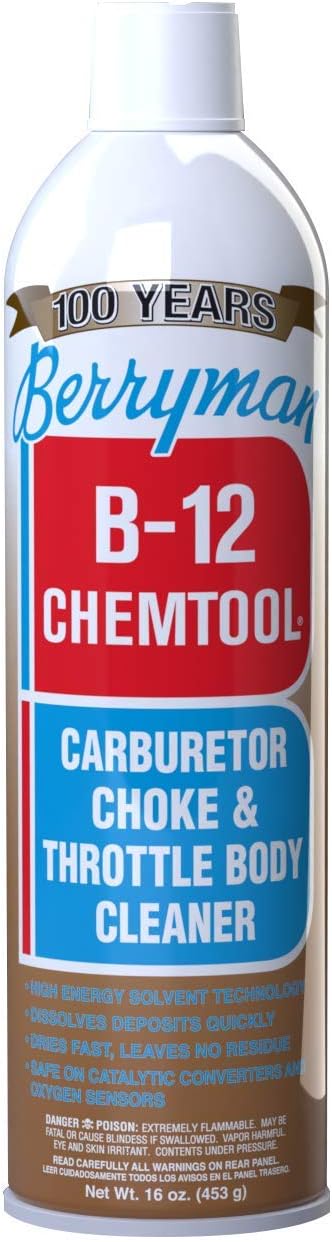
 Berryman 2209 B-12 Chemtool Air-Intake Cleaner (11 oz aerosol)
throttle-body-cleaner
 Prop 65
 Prop 65
 BlueDevil Products Complete Fuel System CleanerProp 65
fuel-system-cleaner
 Bondo Scratch & Rock Chip Repair KitProp 65
paint-touch-up
 Cataclean Fuel & Exhaust System CleanerProp 65
fuel-injector-cleaner
 CRC Throttle Body & Air-Intake Cleaner (12 oz aerosol)Prop 65
throttle-body-cleaner
 Prop 65
 CRC Carb & Choke Cleaner (12 oz aerosol)Prop 65
carb-cleaner
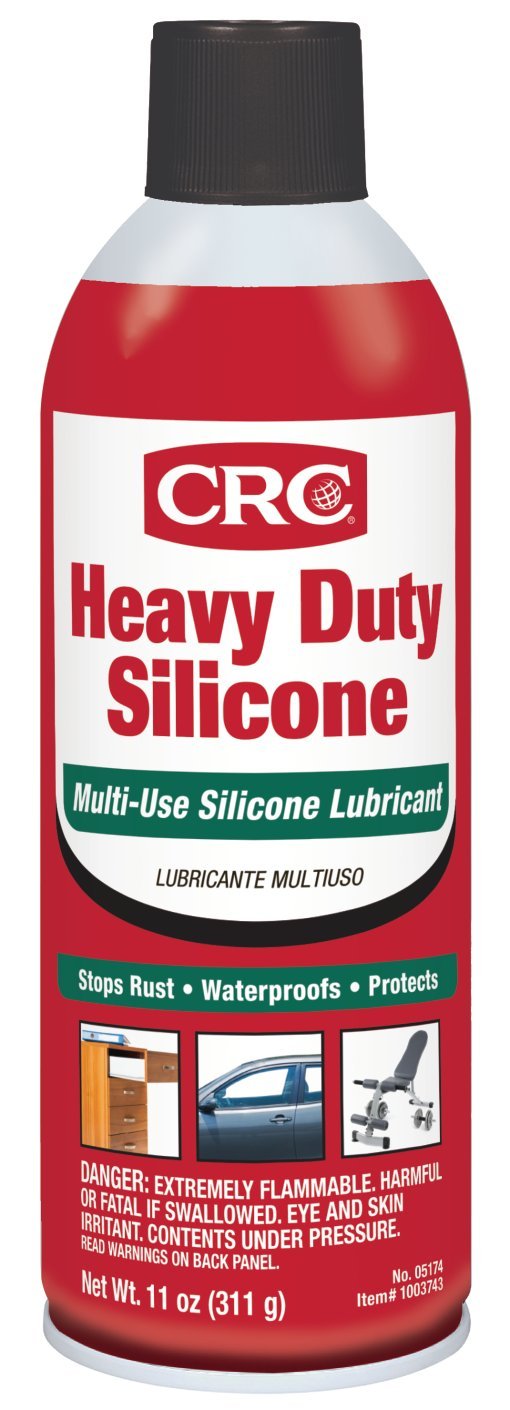 CRC Heavy Duty Silicone Lubricant (11 oz aerosol)Prop 65
silicone-spray
 Dakota Odor Bomb Car Odor Eliminator · Lemon (5 oz)
odor-eliminator
 Dr. Beasley's Glass Serum
glass-coating
 East Penn Manufacturing East Penn Deka 00320 Battery Terminal Protection SprayProp 65
battery-terminal-cleaner
 STA-BIL Carb/Choke & Parts CleanerProp 65
carb-cleaner
 Goof-Off Pro Strength Overspray RemoverProp 65
overspray-remover
 Griot's Garage Black Shine Tire and Trim Coating
tire-dressing
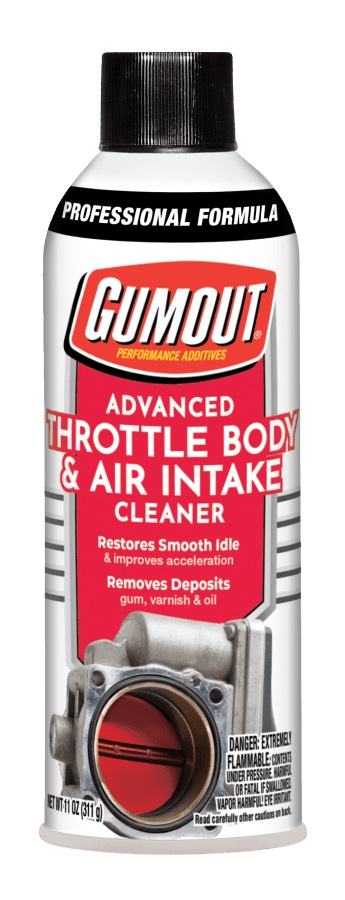 Prop 65
 Gumout Carb/Choke & Parts CleanerProp 65
carb-cleaner
 Prop 65
 Johnsen's 4724 Throttle Body and Air Intake CleanerProp 65
throttle-body-cleaner
 Loctite Extend Rust NeutralizerProp 65
rust-converter
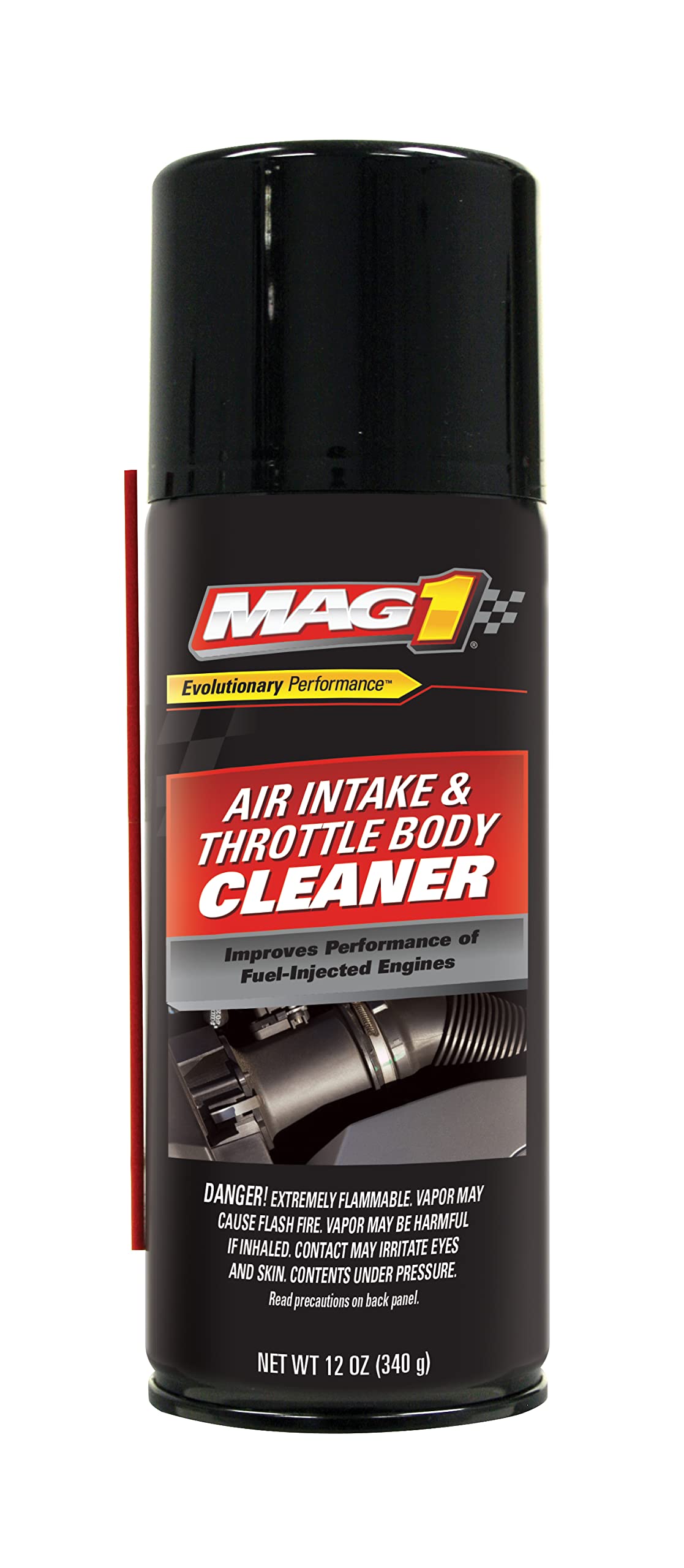 Mag1 Air Intake/Throttle Body Cleaner
throttle-body-cleaner
 Magic Finish Car Glass CleanerProp 65
glass-cleaner
 Mopar Throttle Body Cleaner (13 oz aerosol)Prop 65
carb-cleaner
 Motul Fuel System Clean for Gasoline Engines
fuel-system-cleaner
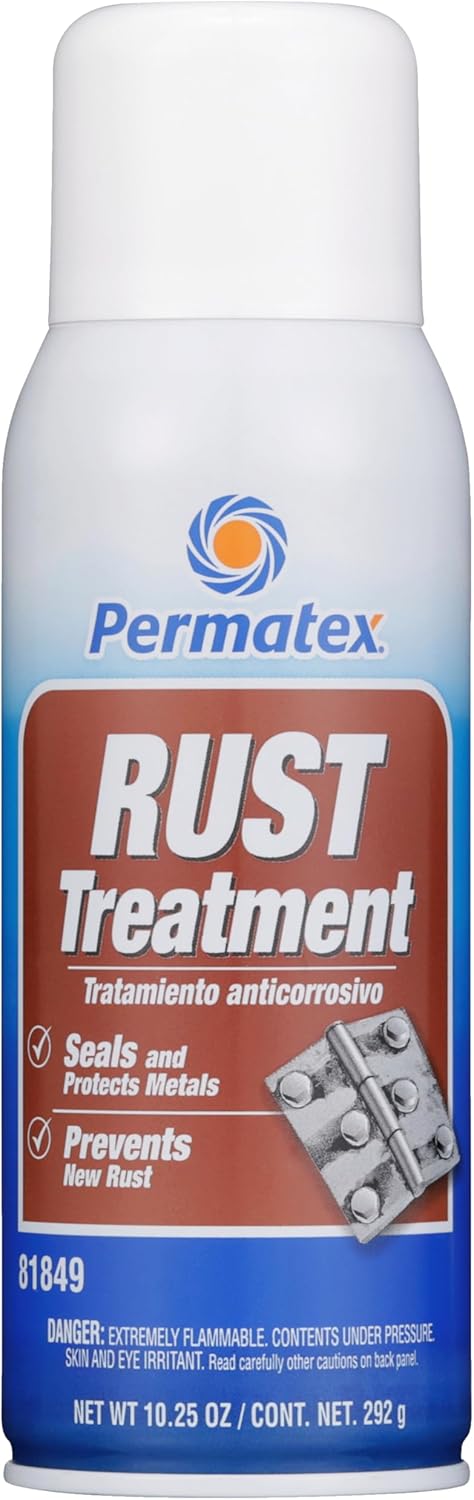 Permatex 81849 Rust TreatmentProp 65
rust-converter
 Rain-X 2-in-1 Glass Cleaner + Rain Repellent
glass-cleaner
 Prop 65
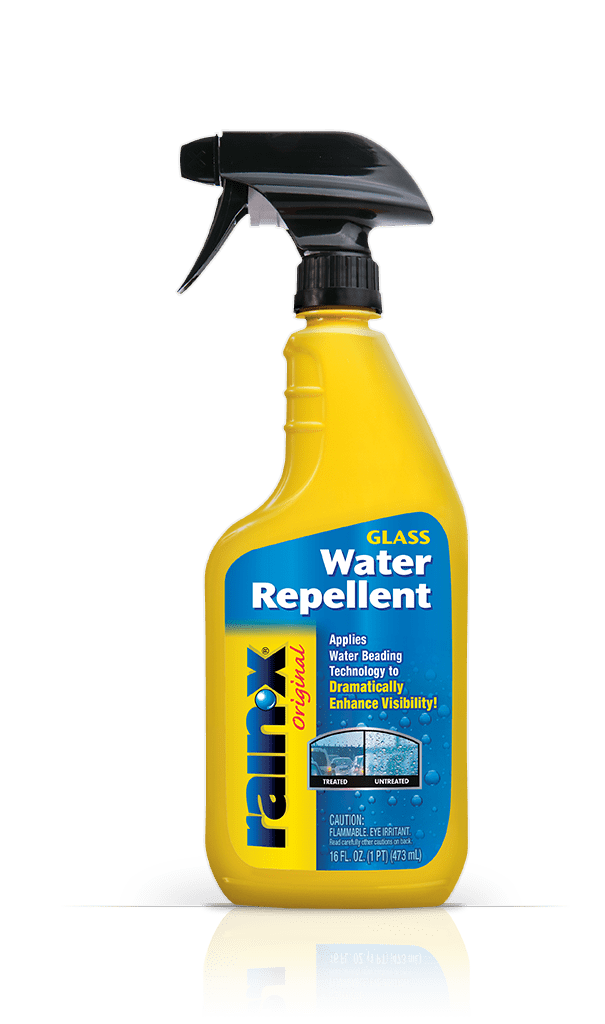 Rain-X Original Glass Water RepellentProp 65
rain-repellent
 Rain-X Rain RepellentProp 65
rain-repellent
 Prop 65
 Rust-Oleum Rust Reformer Spray (10.25 oz)Prop 65
rust-converter
 Sprayway SW780 Interior DetailerProp 65
interior-detailer
 Prop 65
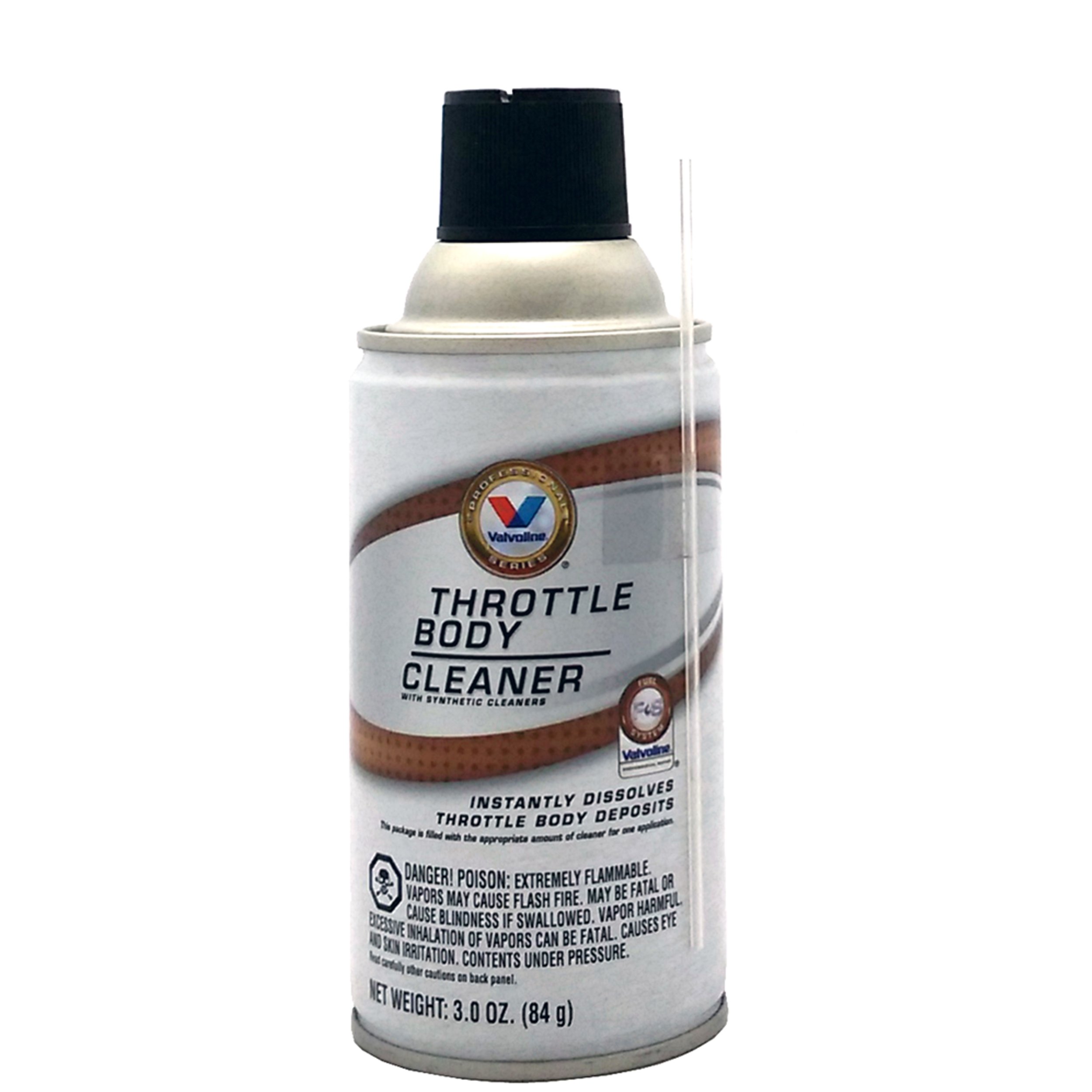 Prop 65
Related
Health and environment notes translate the manufacturer Safety Data Sheet, the GHS classification, and authoritative regulatory listings (California Prop 65, EPA). Not medical advice. They describe the ingredient itself; whether a hazard applies to a finished product depends on its concentration and how it's used.