
Toluene
- Aromatic solvents
- CAS 108-88-3
- IUPAC: Methylbenzene
Toluene (CAS 108-88-3) appears in 27 of the 2,122 car-care products CarCareTruth tracks (as of August 2026), 25 of which carry a DANGER signal word on their published Safety Data Sheet. It is listed on California's Proposition 65 and classified as a VOC.
California Proposition 65–listed for developmental toxicity (reproductive harm). H336 (may cause drowsiness or dizziness — narcotic effects at inhalation), H361d (suspected of damaging the unborn child), H373 (may damage the central nervous system through prolonged or repeated exposure), H315 skin irritation, H304 aspiration hazard at ingredient level. OSHA PEL 200 ppm TWA, ACGIH TLV 20 ppm. Inhalation exposure during aerosol carb-cleaner application is the primary concern; nitrile or Viton gloves and outdoor/well-ventilated use mandatory.
Toluene (methylbenzene) is an aromatic hydrocarbon solvent widely used in carburetor and throttle-body cleaners as a co-solvent with acetone — its strong solvent power against varnish, gum, and resinous fuel deposits is hard to replicate with VOC-exempt alternatives. It is also a Prop 65–listed substance (developmental toxicity) and a federal Hazardous Air Pollutant under Clean Air Act Section 112.
In aerosol carb cleaner formulations, toluene typically appears at less than 10% of formula weight, but its presence drives the Prop 65 warning label and contributes the H361d (suspected reproductive toxicant) and H373 (target organ toxicity – repeated exposure, central nervous system) classifications even at modest concentrations. The chronic effects of toluene exposure are well-documented in occupational medicine; brief consumer use of an aerosol product applied outdoors poses meaningfully lower risk than the SDS hazard codes might suggest in isolation, but the ingredient is the chemistry reason a Prop 65 warning is required regardless of use case.
Aquatically toxic with rapid biodegradation in aerobic surface water but poor degradation in anaerobic groundwater. Listed under SARA 313 Toxic Chemicals — release reporting required for certain facilities.
Health & environment profile
- VOC
- yes
- Prop 65 listed
- yes
- Asthmagen
- no
- EPA Safer Choice
- no
- Aquatic toxicity
- yes
- Biodegradable
- yes
- Bioaccumulative
- no
- Persistent
- no
- Ozone depleting
- no
- Microplastic
- no
- PFAS
- no
- Env. score
- 3/5
Common questions about Toluene
- What is Toluene used for in car care?
- Aromatic hydrocarbon solvent for dissolving varnish, gum, and carbon deposits in carburetor and throttle-body cleaners; co-solvent in some bug-and-tar removers
- Is Toluene a VOC?
- Yes. Toluene is classified as a volatile organic compound (VOC).
- Is Toluene on California's Proposition 65 list?
- Yes. Toluene appears on California's Proposition 65 list.
- Is Toluene biodegradable?
- Yes. Toluene has a confirmed biodegradable profile.
27 products contain this
 Prop 65
 Armor All Ultra Shine Headlight Restoration WipesProp 65
headlight-restoration
 Prop 65
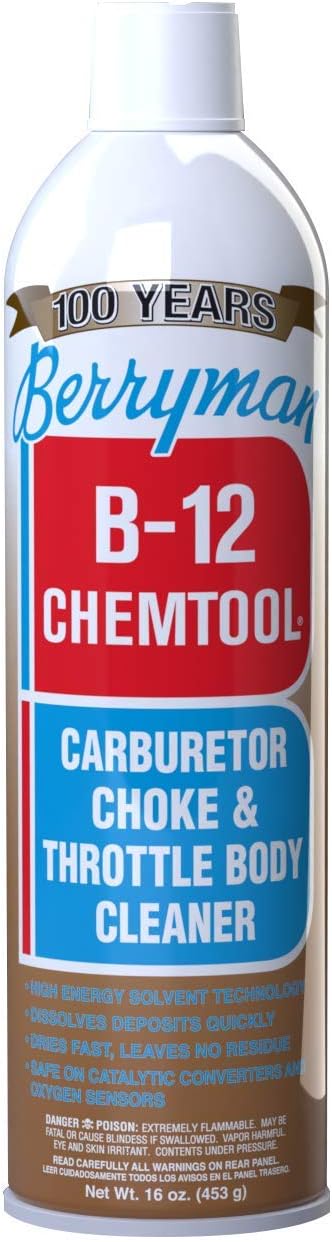 Prop 65
 Bondo Scratch & Rock Chip Repair KitProp 65
paint-touch-up
 CarPro Cquartz UK 3.0Prop 65
ceramic-coating
 CarPro DLUX Wheel and Trim Coating 30mL
wheel-coating
 CRC Throttle Body & Air-Intake Cleaner (12 oz aerosol)Prop 65
throttle-body-cleaner
 Prop 65
 CRC Motor TreatmentProp 65
fuel-system-cleaner
 Dupli-Color Scratch Fix All-in-1 Universal BlackProp 65
paint-touch-up
 East Penn Manufacturing East Penn Deka 00320 Battery Terminal Protection SprayProp 65
battery-terminal-cleaner
 STA-BIL Carb/Choke & Parts CleanerProp 65
carb-cleaner
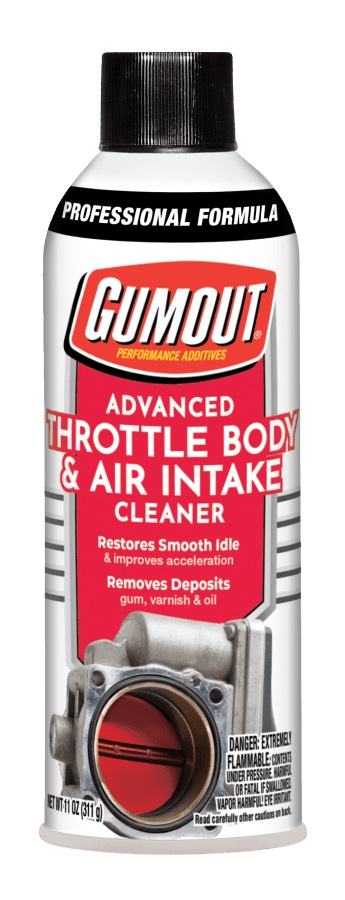 Prop 65
 Gumout Carb/Choke & Parts CleanerProp 65
carb-cleaner
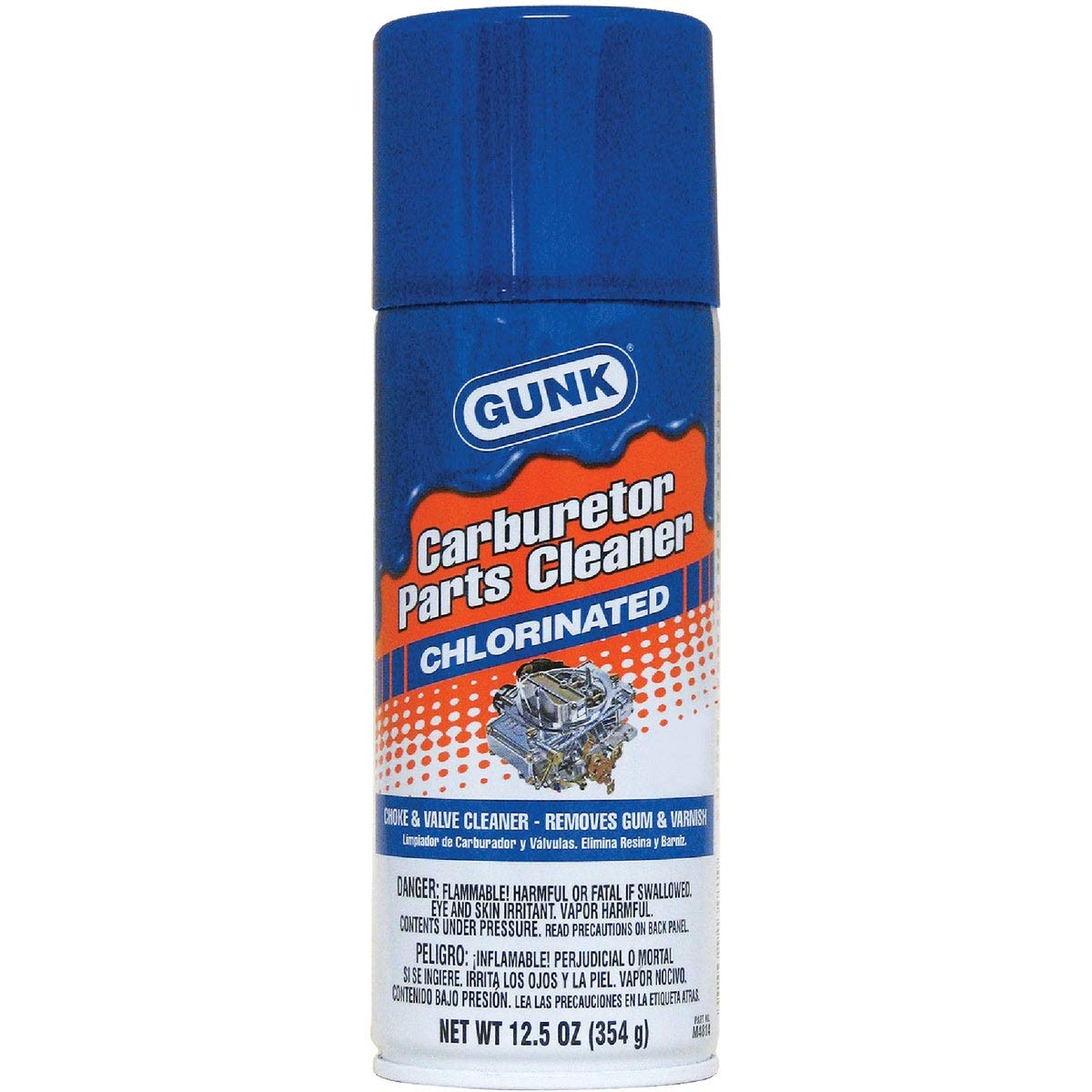 Prop 65
 Gyeon CanCoat EVOProp 65
ceramic-coating
 Gyeon Q2 Rim EVOProp 65
wheel-coating
 Gyeon Q² Trim EVOProp 65
trim-coating
 Prop 65
 Hot Shot's Secret Gasoline Extreme (GE16Z)Prop 65
fuel-injector-cleaner
 Johnsen's 4724 Throttle Body and Air Intake CleanerProp 65
throttle-body-cleaner
 Liquid Wrench Lubricating Oil L212 (11 oz aerosol)Prop 65
multi-purpose-lubricant
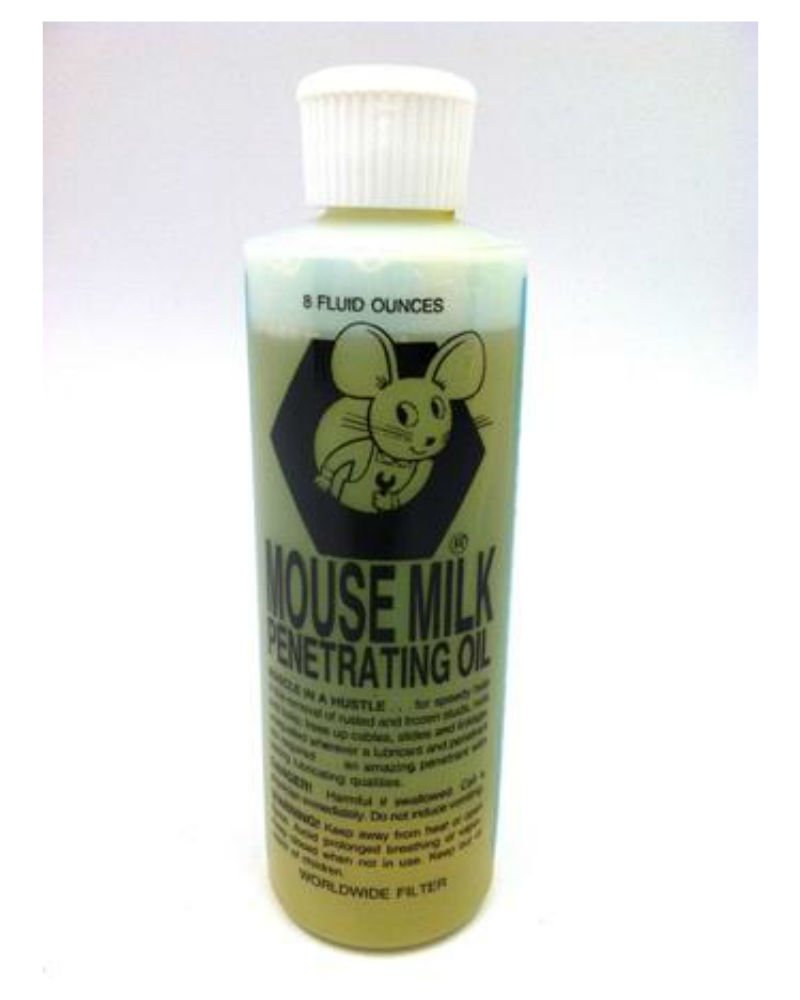 Mouse Milk Penetrating OilProp 65
penetrating-oil
 SONAX CC Pro Ceramic Coating KitProp 65
ceramic-coating
 Prop 65
 Prop 65
Related
Health and environment notes translate the manufacturer Safety Data Sheet, the GHS classification, and authoritative regulatory listings (California Prop 65, EPA). Not medical advice. They describe the ingredient itself; whether a hazard applies to a finished product depends on its concentration and how it's used.