
Sodium Hydroxide
- Bases
- CAS 1310-73-2
- IUPAC: sodium hydroxide
Sodium Hydroxide (CAS 1310-73-2) appears in 24 of the 2,122 car-care products CarCareTruth tracks (as of August 2026). It is readily biodegradable.
Causes severe skin burns and eye damage (H314) at concentrate (>2%). At consumer concentrations (<2%), typically H315/H319 (irritation only). May be corrosive to metals (H290). Signal word DANGER at concentrate.
Sodium hydroxide (lye, caustic soda) is the alkaline active in strong degreasers and some engine cleaners. At consumer concentrations (<2%), it is typically H315/H319 only. At concentrate (>2%), H314 applies.
Regulatory status
- Not Prop 65 listed
- Common food-grade (E524) additive at high purity
Health & environment profile
- VOC
- no
- Prop 65 listed
- no
- Asthmagen
- no
- EPA Safer Choice
- no
- Aquatic toxicity
- no
- Biodegradable
- yes
- Bioaccumulative
- no
- Persistent
- no
- Ozone depleting
- no
- Microplastic
- no
- PFAS
- no
- Env. score
- 4/5
Common questions about Sodium Hydroxide
- What is Sodium Hydroxide used for in car care?
- pH adjuster, degreaser, and saponifier in strong degreasers and engine cleaners
- Is Sodium Hydroxide a VOC?
- No. Sodium Hydroxide is not classified as a volatile organic compound (VOC).
- Is Sodium Hydroxide on California's Proposition 65 list?
- No. Sodium Hydroxide is not on California's Proposition 65 list.
- Is Sodium Hydroxide biodegradable?
- Yes. Sodium Hydroxide has a confirmed biodegradable profile.
24 products contain this
 3D Car Care All Purpose Cleaner
all-purpose-cleaner
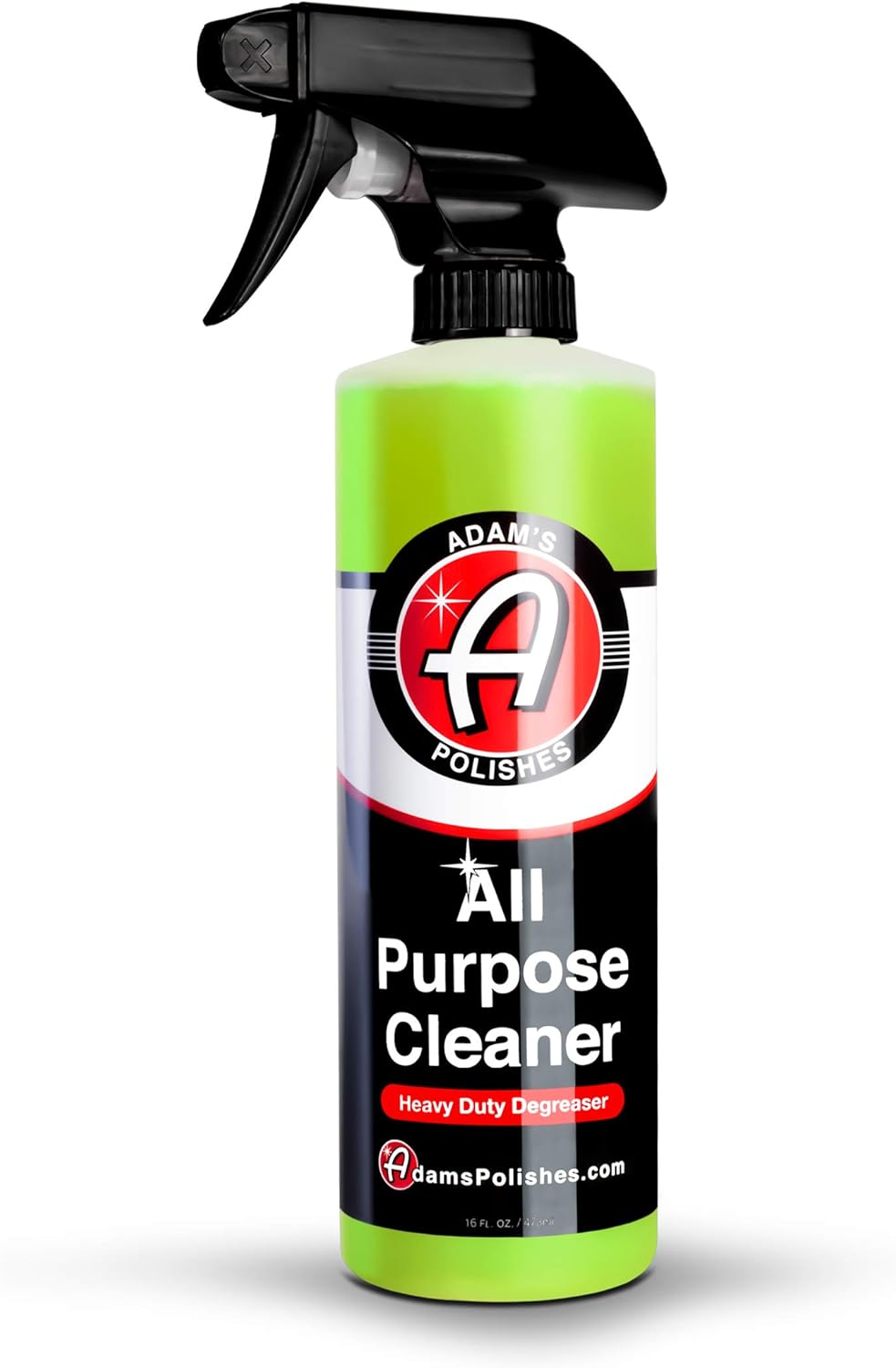 Adam's Polishes All Purpose CleanerProp 65
all-purpose-cleaner
 Adam's Polishes Bug Remover (16 oz)
bug-tar-remover
 Adam's Polishes Adam's Tire & Rubber CleanerProp 65
tire-cleaner
 Adam's Polishes Adam's Trim Cleaner
plastic-trim-cleaner
 Black Magic Bleche-Wite Tire CleanerProp 65
tire-cleaner
 Blackline Car Care Gentle APC
all-purpose-cleaner
 CarPro ReTyre Tire & Rubber Cleaner
tire-cleaner
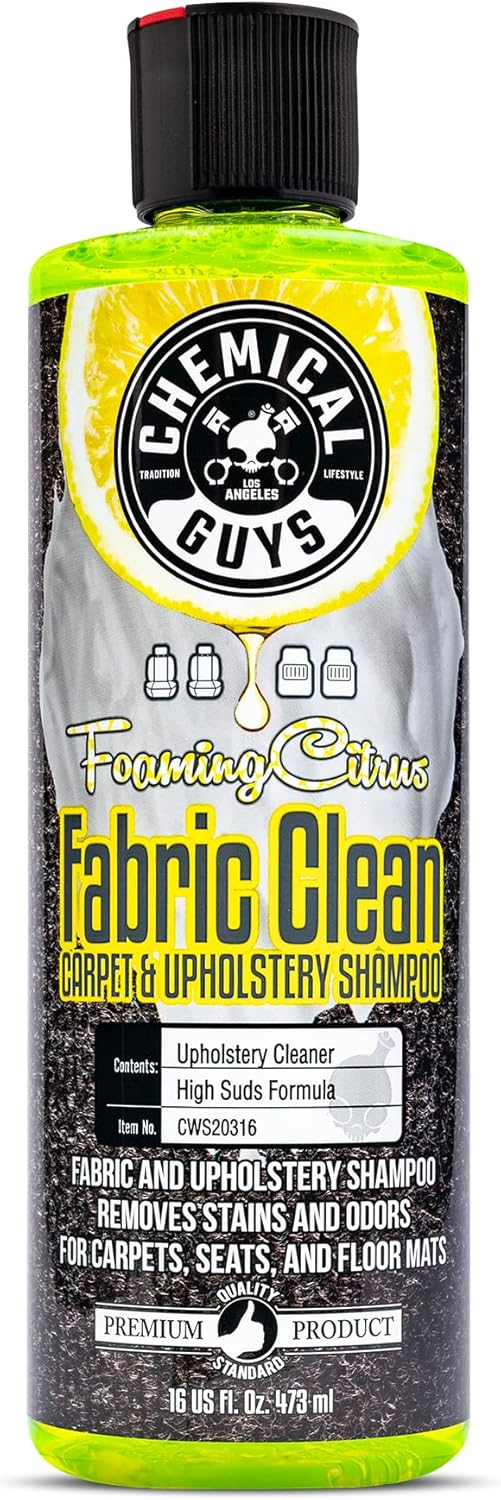 Chemical Guys Foaming Citrus Fabric Clean Carpet & Upholstery Cleaner
fabric-upholstery-cleaner

 Chemical Guys Foaming Citrus Fabric Clean (1 Gallon)
extractor-solution
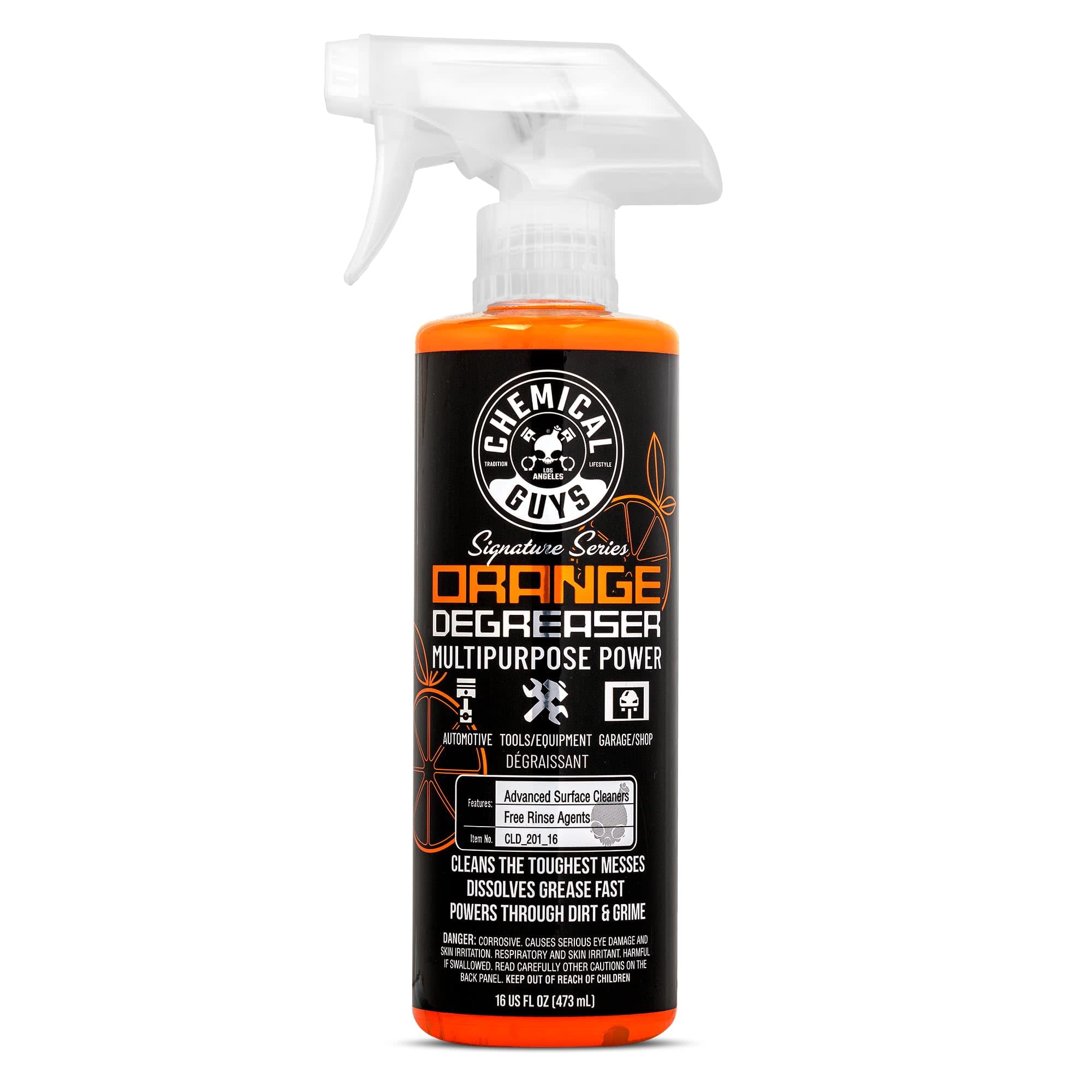 Chemical Guys Signature Series Orange Degreaser
engine-degreaser
 Prop 65
 Folex Professional Carpet Spot Remover
carpet-cleaner
 Prop 65
 Griot's Garage Interior Cleaner
plastic-trim-cleaner
 Gyeon Q2M TireCleaner
tire-cleaner
 Lexol All Leather ConditionerProp 65
leather-conditioner
 Optimum Interior Cleaner
plastic-trim-cleaner
 Optimum Power Clean
all-purpose-cleaner
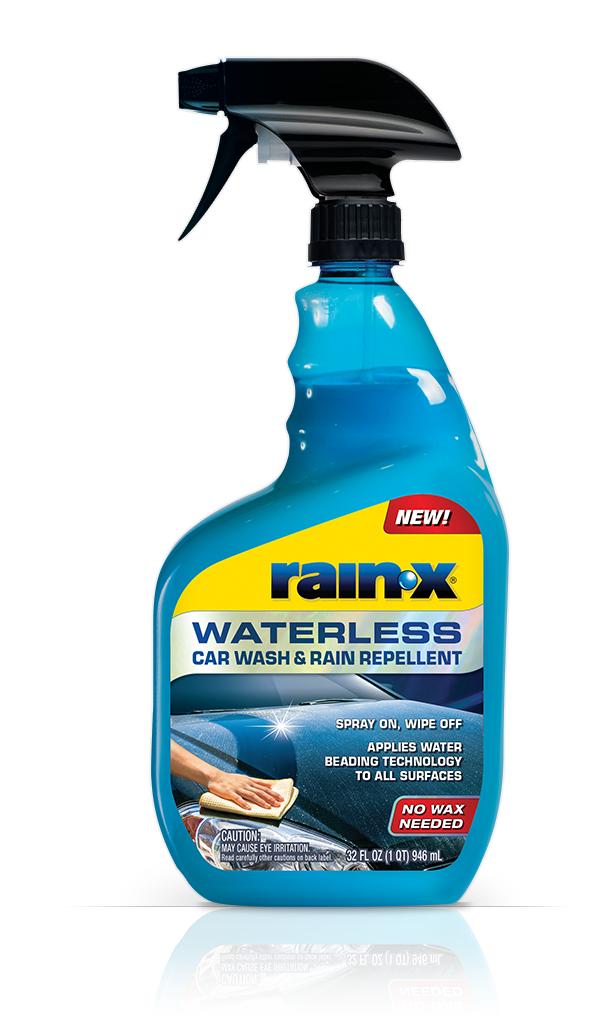 Rain-X Waterless Car Wash & Rain Repellent
waterless-wash
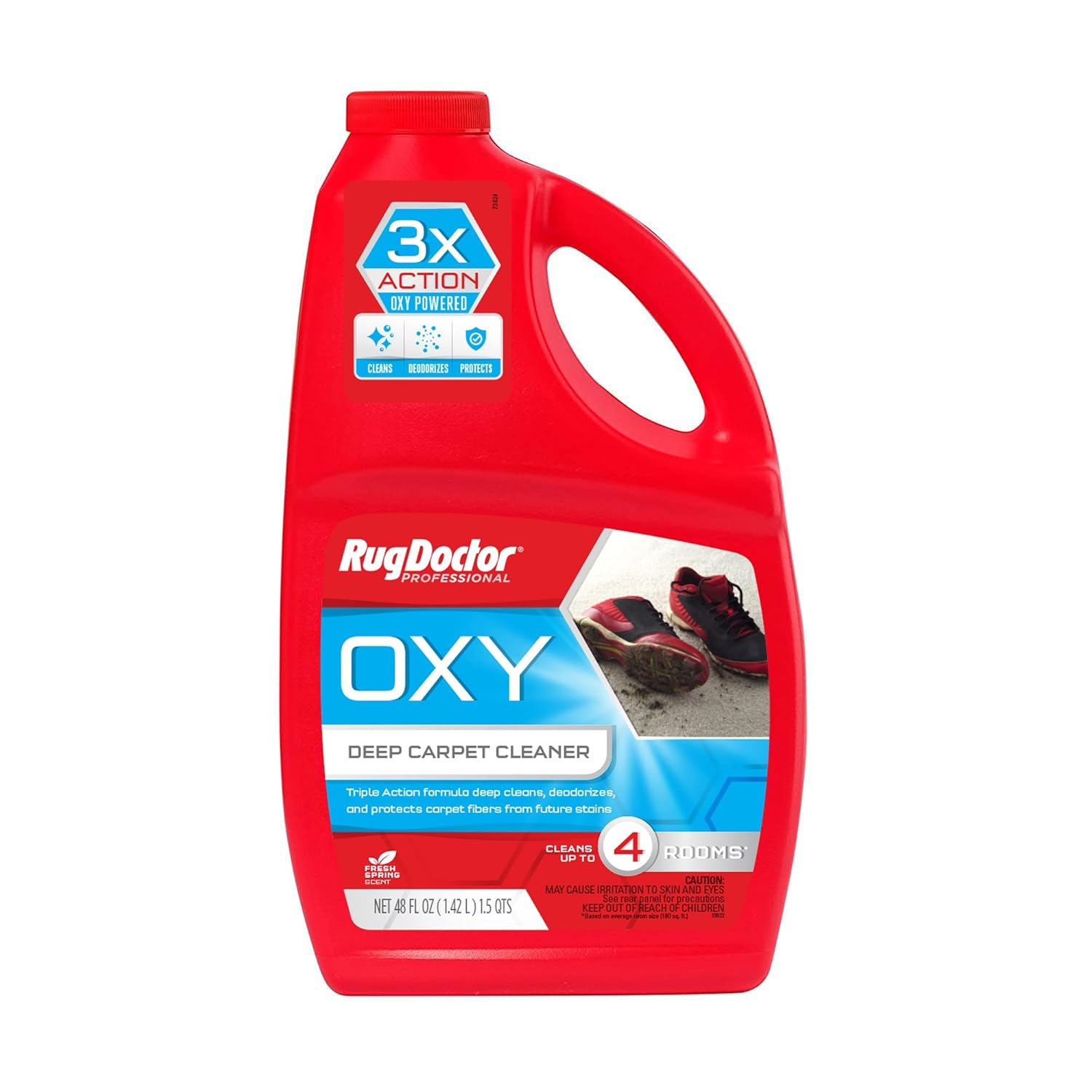 Rug Doctor Triple Action Oxy Deep Carpet Cleaner
extractor-solution
 Turtle Wax Spot Clean Stain & Odor RemoverProp 65
fabric-upholstery-cleaner
 Windex Automotive Glass Cleaner
glass-cleaner
Related
Health and environment notes translate the manufacturer Safety Data Sheet, the GHS classification, and authoritative regulatory listings (California Prop 65, EPA). Not medical advice. They describe the ingredient itself; whether a hazard applies to a finished product depends on its concentration and how it's used.