CarCareTruth Score
Recommended.
Saved to your guest loadout. Sign up to also save to your Cabinet (consumables) or Kit (tools you own).
As an Amazon Associate I earn from qualifying purchases. Full disclosure
Health score is for adult use as intended, per the manufacturer's SDS. It does not model child ingestion, accidental spill cleanup, or off-label use. See the safety panel below for full hazard classification, and /disclaimer for the full editorial scope.
GHS hazard codes are quoted from the manufacturer’s Safety Data Sheet. PPE tiers below translate those codes and the listed ingredient chemistry; they are not CarCareTruth recommendations.
Show details for all categories ▾Hide details ▴
Only when: splash risk
Translated from the manufacturer’s Safety Data Sheet, Section 8
SDS §2 classifies this product as not hazardous with no eye-irritation H-codes at mixture level. SDS §8 states that if material is handled such that it could be splashed into eyes, protective eyewear is recommended · a splash precaution, not a chemical eye-hazard classification.
CarCareTruth publishes the cited sources verbatim and does not advise what action a user should take. Consult the full SDS before use.
Only when: prolonged use
Translated from the manufacturer’s Safety Data Sheet, Section 8
No H315 or H314 at mixture level · SDS §2 classifies the product as not hazardous with no skin-hazard classification. SDS §7 advises avoiding prolonged or repeated skin contact, and §8 recommends chemical-resistant gloves (PVC, neoprene, or nitrile) for hand contact during pouring and draining.
CarCareTruth publishes the cited sources verbatim and does not advise what action a user should take. Consult the full SDS before use.
Only when: in enclosed space · hot panels
Translated from the manufacturer’s Safety Data Sheet, Section 8
SDS §2 carries no signal word and no respiratory H-codes; §11 states the product is not considered an inhalation hazard under normal conditions of use. SDS §8 respiratory protection is boilerplate: none is ordinarily required, but it calls for adequate ventilation and, if engineering controls are inadequate, a properly selected respirator, since heating, spraying, or misting the product increases airborne concentration. Relevant to draining hot oil in a poorly ventilated garage, not routine pouring.
CarCareTruth publishes the cited sources verbatim and does not advise what action a user should take. Consult the full SDS before use.
No PPE specified in published sources for ventilation. Absence does not imply “not needed” — consult the full Safety Data Sheet.
PPE tiers translate the manufacturer’s SDS and U.S. regulatory standards. Not professional safety advice. How we report safety.
Scope of these PPE tiers. The tiers on this page translate the product's Safety Data Sheet where one is published, plus its ingredient chemistry, into a comparable rating. They describe a formulation, not a situation: a tier is not a safety determination for any specific user, task, quantity, or environment. The manufacturer's label and use instructions govern how the product is handled. Where the product is used at work, the employer's PPE program and hazard assessment under 29 CFR 1910.132 decide what protection is selected, not this page.
No warranties. CarCareTruth makes no warranties, express or implied, and expressly disclaims the implied warranties of merchantability and fitness for a particular purpose.
This product ranks #1 of 23 in Motor Oil.
Last reviewed June 9, 2026
TL;DR Certified to API SP + ILSAC GF-6A with Chrysler, Ford, and Volvo OEM approvals. PQIA VOA confirms moly (86 ppm) and phosphorus (708 ppm). Label specifies OEM drain intervals · no extended-drain claim · and BITOG UOA data at 5,000-7,500 miles confirms that.
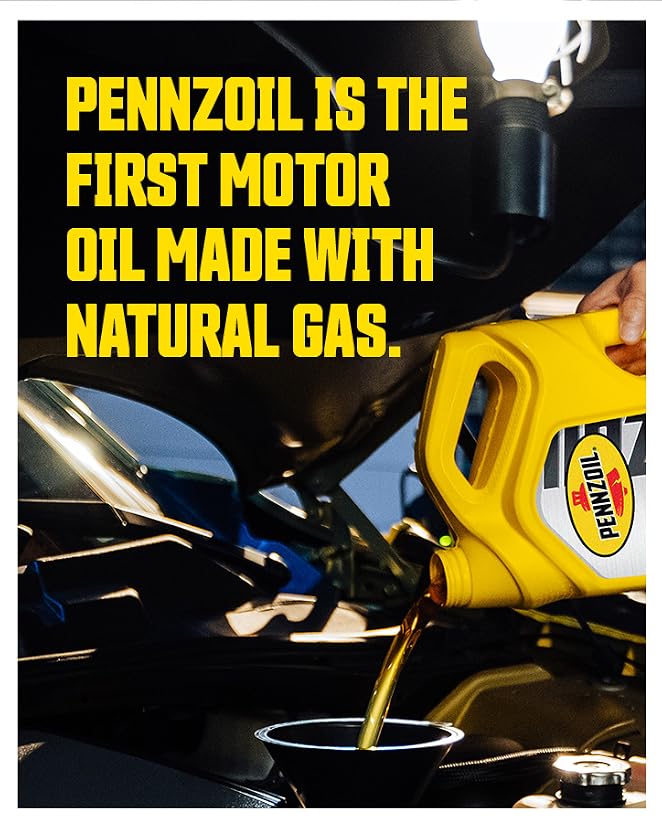
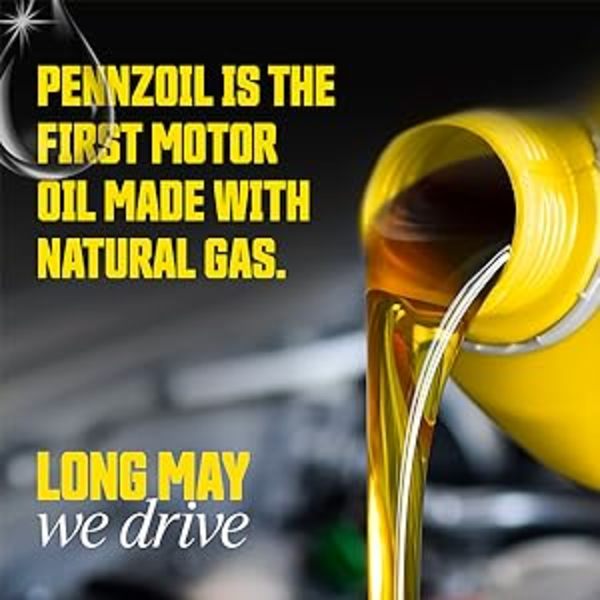
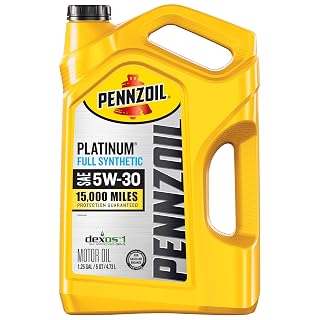
Pennzoil Ultra Platinum 5W-30 uses Shell's PurePlus GTL base stock (Group III+ Fischer-Tropsch, from natural gas) and holds API SP-RC + ILSAC GF-6A per the 2020 TDS. OEM approvals: Chrysler MS-6395, Ford WSS-M2C946-A/B1, and Volvo. Note: dexos1 and Honda HTO-06 were on older TDS versions but are absent from the current formulation. BITOG UOA data confirms clean results at OEM intervals.
Best for 2015-2024 vehicles specifying API SP + GF-6A with Chrysler or Ford OEM approval. Skip if your vehicle requires GM dexos1 Gen 3 (use Pennzoil Platinum instead) or if the engine needs phosphorus above 1,000 ppm for flat-tappet cam protection.
SDS §2 classifies this as not hazardous · no signal word, no H-codes at mixture level. KV40 = 56.3 mm²/s eliminates H304 aspiration concern. Gloves and eye protection appropriate per SDS §8 for pouring and draining. SDS §8 does not require a respirator for normal use, but calls for adequate ventilation and, if airborne concentrations build up (heating, spraying, or misting the oil, or a poorly ventilated garage), a properly selected respirator. The SDS is a 2016 Canadian revision · about 10 years old; H-codes reflect that revision. No Prop 65 warning per the product listing and label. Not readily biodegradable per SDS §12. Used oil goes to a collection facility · not down the drain or on the ground.
As of 2026, Pennzoil Platinum Full Synthetic has been updated to API SQ + ILSAC GF-7A · the latest spec · and carries GM dexos1 Gen 3 approval. Ultra Platinum 5W-30 is certified to API SP-RC + ILSAC GF-6A with Chrysler, Ford, and Volvo OEM approvals. Both use the same GTL PurePlus base stock. For most 2020-2024 vehicles, either oil meets OEM requirements; for 2025+ vehicles specifying GF-7A or for GM dexos1 Gen 3 applications, Pennzoil Platinum is the current choice.
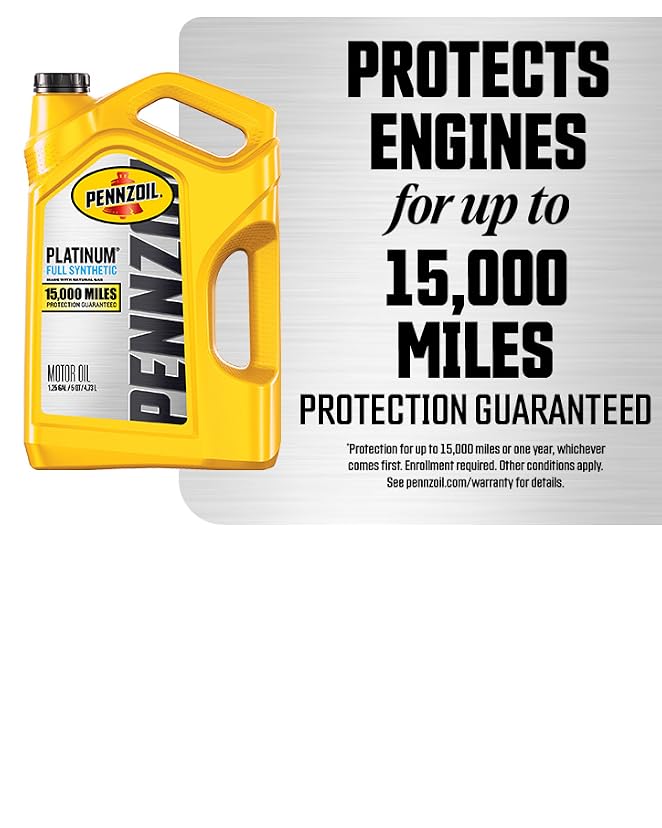
No. The Pennzoil Protection Plan covers engine damage for as long as you exclusively use Pennzoil Ultra Platinum · but it explicitly requires changing oil at least as often as the vehicle manufacturer recommends. The label says 'follow OEM recommended oil drain intervals.' Community used-oil analysis (UOA) data from BITOG confirms healthy TBN and low wear metals at typical 5,000-7,500-mile OEM intervals, which is where this oil performs well. Extending beyond OEM intervals is not covered and not supported by UOA data for this product.
PurePlus is Shell's proprietary gas-to-liquid (GTL) process that converts natural gas into a clear, high-purity base oil (Group III+ by API classification). It qualifies as full synthetic under US industry standards and is chemically distinct from crude-oil-derived Group III oils. The SDS §3 identifies the Fischer-Tropsch distillate base (CAS 848301-69-9) and classifies the finished product as not hazardous.
PQIA independent lab analysis (pqia.org) confirms zinc at 789 ppm and phosphorus at 708 ppm · both within the API SP Resource Conserving range. This level is appropriate for modern passenger-car engines but is below the ≥1,000 ppm phosphorus that some enthusiasts target for pre-2001 flat-tappet cam applications. If ZDDP loading is a primary concern for a high-compression or rebuilt engine, confirm with the engine builder before using any GF-6A oil.
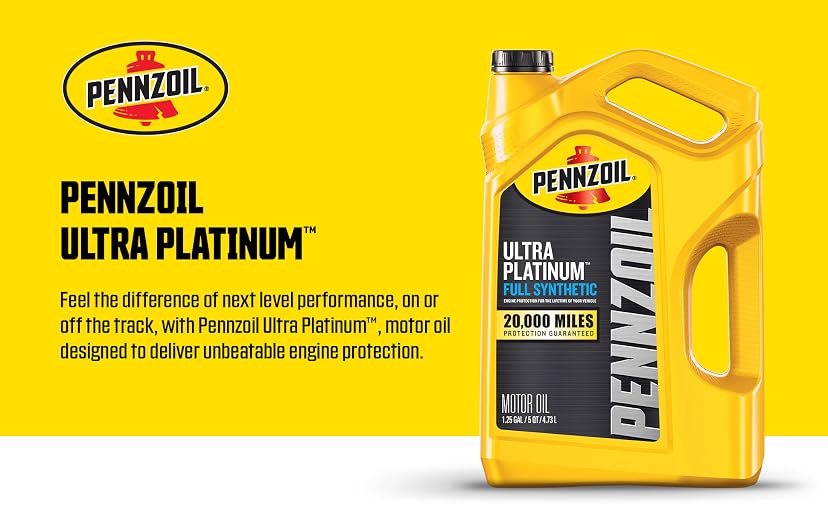
Marketing copy from Pennzoil, via Amazon. Not editorial.
Weekly pick
One product, one safety verdict, every week. No spam.



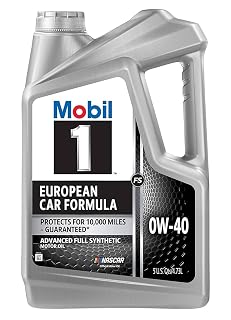
Mobil 1
FS European Car Formula Full Synthetic Motor Oil 0W-40
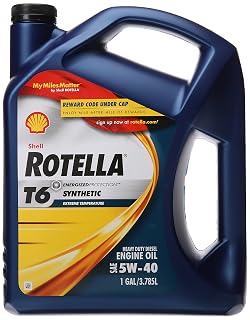
Shell
Rotella T6 Full Synthetic 5W-40 Heavy Duty Engine Oil
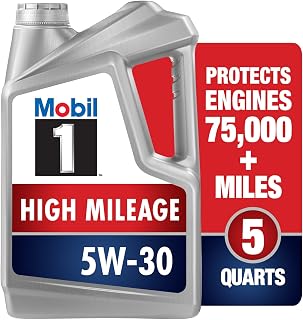
Mobil 1
High Mileage Full Synthetic Motor Oil 5W-30
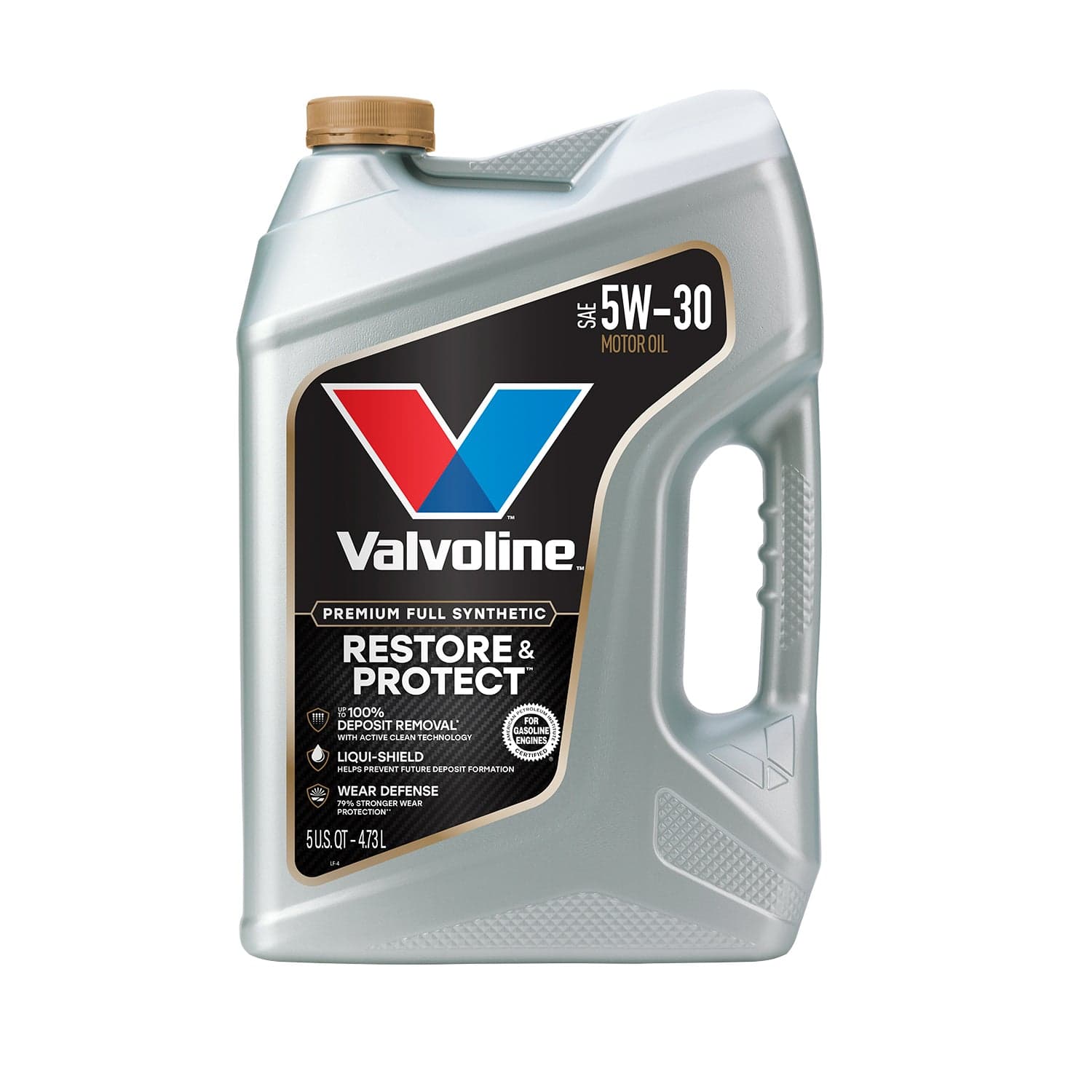
Valvoline
Restore & Protect Full Synthetic SAE 5W-30 Motor Oil
As an Amazon Associate I earn from qualifying purchases. Full disclosure

Community
0 postsShare how you use this product
Drop a quick comment or post a full review with photos and a star rating.
Sign in to postNew here? Create a free account.