CarCareTruth Score
Recommended.
Opens Amazon in a new tab. No account needed to look.
Saved to your guest loadout. Sign up to also save to your Cabinet (consumables) or Kit (tools you own).
As an Amazon Associate I earn from qualifying purchases. Full disclosure
Prices may varyThis product ranks #4 of 22 in Motor Oil.Three above it ↓
Last reviewed June 14, 2026
TL;DR The bottle carries API SP + ILSAC GF-6A (Valvoline's current product page lists the newer GF-7A + API SQ, with api.org confirmation pending), plus Ford WSS-M2C961-A1 and Chrysler MS-6395 approvals · but no GM dexos1. The draw here is the deposit-removal additive, and community oil analyses back it up with very low wear metals at 5,000·10,000 miles. SDS §2: not a hazardous substance · no H-codes at the mixture level.
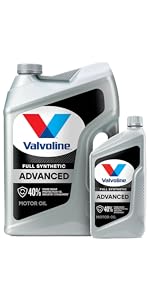
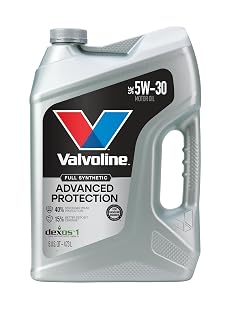
Valvoline Restore & Protect is a full synthetic 5W-30 built around a deposit-removal additive system. The bottle and 2023 safety data sheet carry API SP + ILSAC GF-6A with Ford WSS-M2C961-A1 and Chrysler MS-6395 OEM approvals; Valvoline's current product page lists the newer ILSAC GF-7A + API SQ, so the formula has been recertified to the latest spec since the bottle artwork was set (api.org database confirmation pending). What sets it apart is the proprietary Active Clean additive, marketed to remove up to 100% of piston deposits over four or more consecutive changes, with a Liqui-Shield additive to slow new deposits. That deposit figure is Valvoline's own bench testing, not independent analysis · but community used-oil analyses do show very low wear metals, including one 2018 Toyota 4Runner near 3 ppm iron at 10,000 miles.
Best for owners of higher-mileage or deposit-prone gasoline engines who want a cleanup oil run over several changes, and for Ford and Chrysler owners who need those named OEM approvals on record. Skip it if your GM warranty requires a dexos1-licensed oil · this line does not carry dexos1, so confirm the approval on the bottle first. Owners of pre-2010 flat-tappet engines that want higher anti-wear loading than the API SP zinc/phosphorus range may be better served by an older-spec high-anti-wear oil.
SDS §2: not a hazardous substance or mixture · no GHS signal word and no H-codes at the mixture level. H304 does not apply; the kinematic viscosity at 40°C (63.5 mm²/s) is well above the aspiration-exemption threshold. SDS §8 lists safety glasses and a protective suit with no qualifying scenario stated; treat those as splash-risk and prolonged-contact precautions for the pour and drain steps. SDS §8 also says no personal respiratory protection is normally required, but that's a normal-use exemption, not a guarantee against every scenario · a mask is a reasonable situational precaution for a prolonged pour in an unventilated garage. IARC classifies mineral-oil mist from used-oil combustion byproducts as a Group 1 carcinogen based on occupational exposure data · routine oil-change contact is a materially lower exposure than the industrial scenarios that drove that classification. Used oil goes to a collection facility · not down the drain or on the ground.
The bottle and 2023 safety data sheet list API SP and ILSAC GF-6A, with API SN with SN PLUS and Resource Conserving. Valvoline's current product page lists the newer ILSAC GF-7A and API SQ, meaning the formula has been recertified to the latest spec since the bottle artwork was printed. Both the bottle spec and the current spec sit at the top of the gasoline-engine certification hierarchy; the GF-7A/SQ listing is shown on the manufacturer page with api.org database confirmation pending.
No. Valvoline's product page and the bottle list Ford WSS-M2C961-A1 and Chrysler MS-6395 as the named OEM approvals · GM dexos1 is not listed for the Restore & Protect line. If your GM vehicle's warranty requires a dexos1-licensed oil, confirm the approval on the bottle before relying on this product for warranty documentation.
Valvoline's proprietary Active Clean additive is marketed to remove up to 100% of piston deposits when used for four or more consecutive oil changes at standard intervals, with a Liqui-Shield additive to slow future deposit formation. The deposit-removal figure comes from Valvoline's own Adapted Sequence IIIH bench testing, not independent third-party analysis · treat it as a manufacturer claim. Community used-oil analyses do show very low wear metals on this oil.
The bottle directs drivers to follow the vehicle manufacturer's service interval rather than making a specific extended-drain claim · for most modern gasoline engines that means 5,000·7,500 miles. Community used-oil analysis reports on BITOG show healthy oil with low wear metals at 5,000·7,300 miles, and one 2018 Toyota 4Runner report showed roughly 3 ppm iron at 10,000 miles. Following your vehicle's specified interval is the correct approach.
Yes. The SDS §15 SARA 313 section lists two zinc dialkyldithiophosphate anti-wear species, and Valvoline's technical data sheet discloses roughly 850 ppm zinc and 770 ppm phosphorus · within the API SP range for a modern passenger-car oil. That anti-wear level is calibrated for current engines and catalyst durability, not for the higher loading some older flat-tappet engines prefer.
Marketing copy from Valvoline, via Amazon. Not editorial.
Weekly pick
One product, one safety verdict, every week. No spam.








Pennzoil
Ultra Platinum Full Synthetic 5W-30 Motor Oil
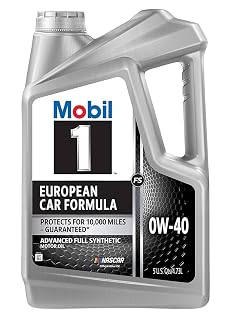
Mobil 1
FS European Car Formula Full Synthetic Motor Oil 0W-40
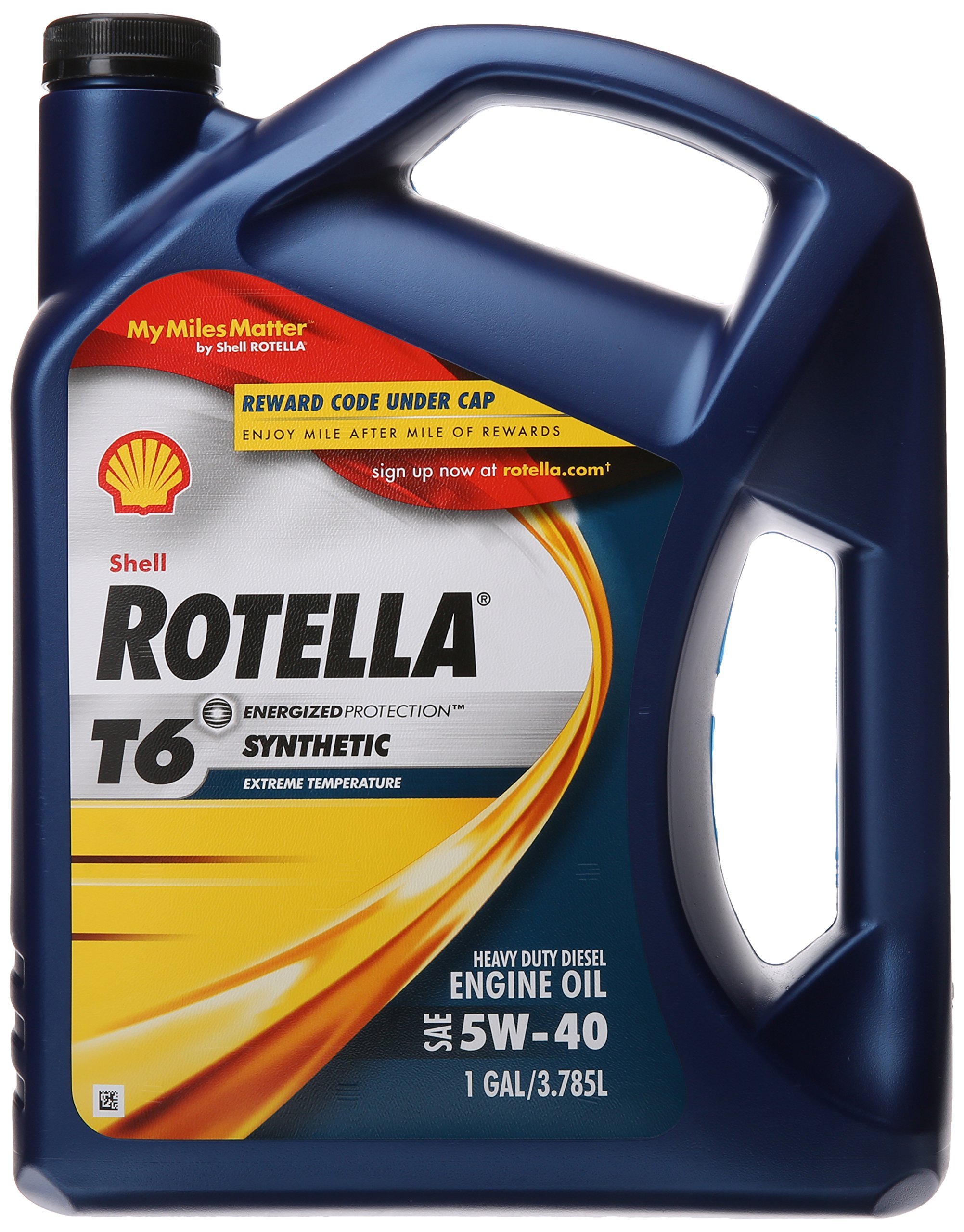
Shell
Rotella T6 Full Synthetic 5W-40 Heavy Duty Engine Oil
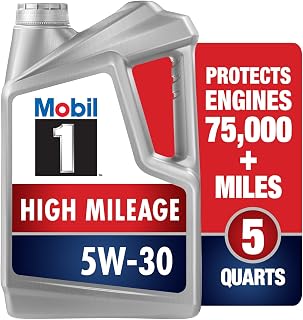
Mobil 1
High Mileage Full Synthetic Motor Oil 5W-30
As an Amazon Associate I earn from qualifying purchases. Full disclosure

Community
0 postsShare how you use this product
Drop a quick comment or post a full review with photos and a star rating.
Sign in to postNew here? Create a free account.