
Sodium Metasilicate
- Bases
- CAS 6834-92-0
- IUPAC: Sodium metasilicate
Sodium Metasilicate (CAS 6834-92-0) appears in 21 of the 2,122 car-care products CarCareTruth tracks (as of August 2026). It is readily biodegradable.
Causes severe skin burns (H314) and serious eye damage (H318) at concentrate strength. Strongly alkaline — pH approximately 12–13 in 1% solution. At 10:1 working dilution typical of detailing APCs, the working solution is moderately alkaline (pH 11–12) with H315 skin irritation and H319 eye irritation classifications rather than the corrosive Cat 1 classification. Inhalation of dust can irritate the respiratory tract; the dissolved liquid in finished APC formulas does not present the same dust hazard.
Sodium metasilicate is an inorganic alkaline builder commonly used in heavy-duty all-purpose cleaners and degreasers. It supplies hydroxide ions when dissolved in water, raising pH to 12–13 in the concentrate and providing the saponification chemistry that lifts greasy soils.
Why it matters in detailing APCs: Sodium metasilicate is the most common alkaline base in professional-line APCs (Meguiar's D101, Mothers Pro, Adam's standard APC). The "DANGER — causes burns" warning on the concentrate label typically traces to this ingredient. At working dilutions of 10:1 or weaker, the working solution is in the moderate-alkaline range (pH ~11–11.5) with significantly reduced skin/eye corrosion potential — the buyer never contacts the concentrate strength during normal use.
SDS alert: Check Section 3 for CAS 6834-92-0. When present at 1–5% in concentrate APCs, expect signal word DANGER on the concentrate label with H314 and H318. Working-solution chemistry should be evaluated separately per the concentrate-handling rule.
Regulatory status
- Not CA Prop 65 listed
- Listed on TSCA inventory; no specific use restrictions for consumer detailing APCs in the US
- EU CLP classification: H290 (corrosive to metals), H314 (skin corrosion Cat 1B), H318 (serious eye damage)
Health & environment profile
- VOC
- no
- Prop 65 listed
- no
- Asthmagen
- no
- EPA Safer Choice
- no
- Aquatic toxicity
- no
- Biodegradable
- yes
- Bioaccumulative
- no
- Persistent
- no
- Ozone depleting
- no
- Microplastic
- no
- PFAS
- no
- Env. score
- 5/5
Common questions about Sodium Metasilicate
- What is Sodium Metasilicate used for in car care?
- Alkaline builder and pH booster in degreasers and all-purpose cleaners; provides corrosion inhibition for some metal substrates
- Is Sodium Metasilicate a VOC?
- No. Sodium Metasilicate is not classified as a volatile organic compound (VOC).
- Is Sodium Metasilicate on California's Proposition 65 list?
- No. Sodium Metasilicate is not on California's Proposition 65 list.
- Is Sodium Metasilicate biodegradable?
- Yes. Sodium Metasilicate has a confirmed biodegradable profile.
21 products contain this
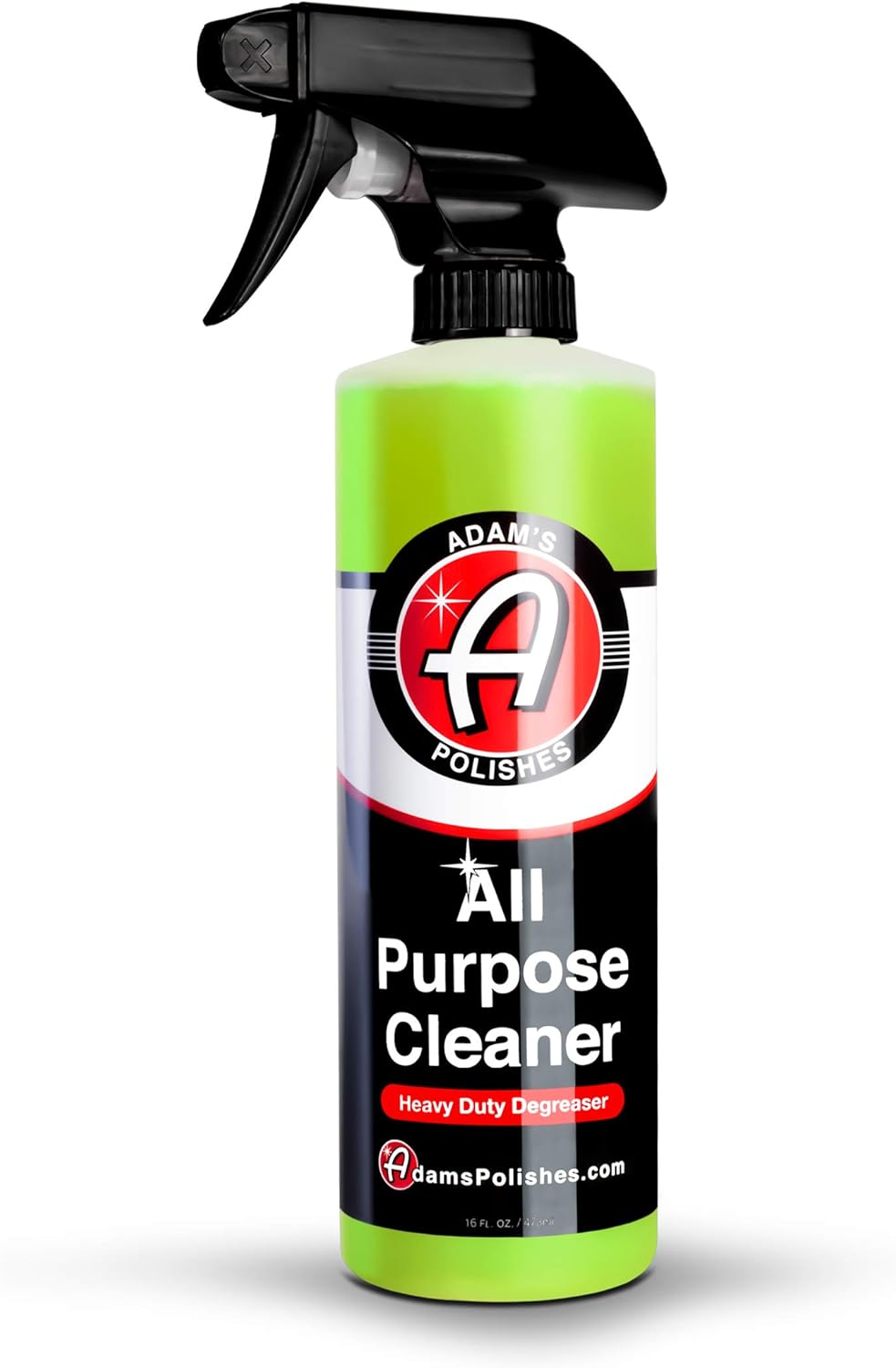 Adam's Polishes All Purpose CleanerProp 65
all-purpose-cleaner
 Adam's Polishes Carpet & Upholstery Cleaner
fabric-upholstery-cleaner
 Adam's Polishes Adam's Tire & Rubber CleanerProp 65
tire-cleaner
 Adam's Polishes Adam's Trim Cleaner
plastic-trim-cleaner
 Chemical Guys Bug and Tar Heavy Duty Car Wash (CWS104)Prop 65
bug-tar-remover
 Chemical Guys Colorless and Odorless Leather Cleaner
leather-cleaner
 Chemical Guys Convertible Top Cleaner
convertible-top-cleaner

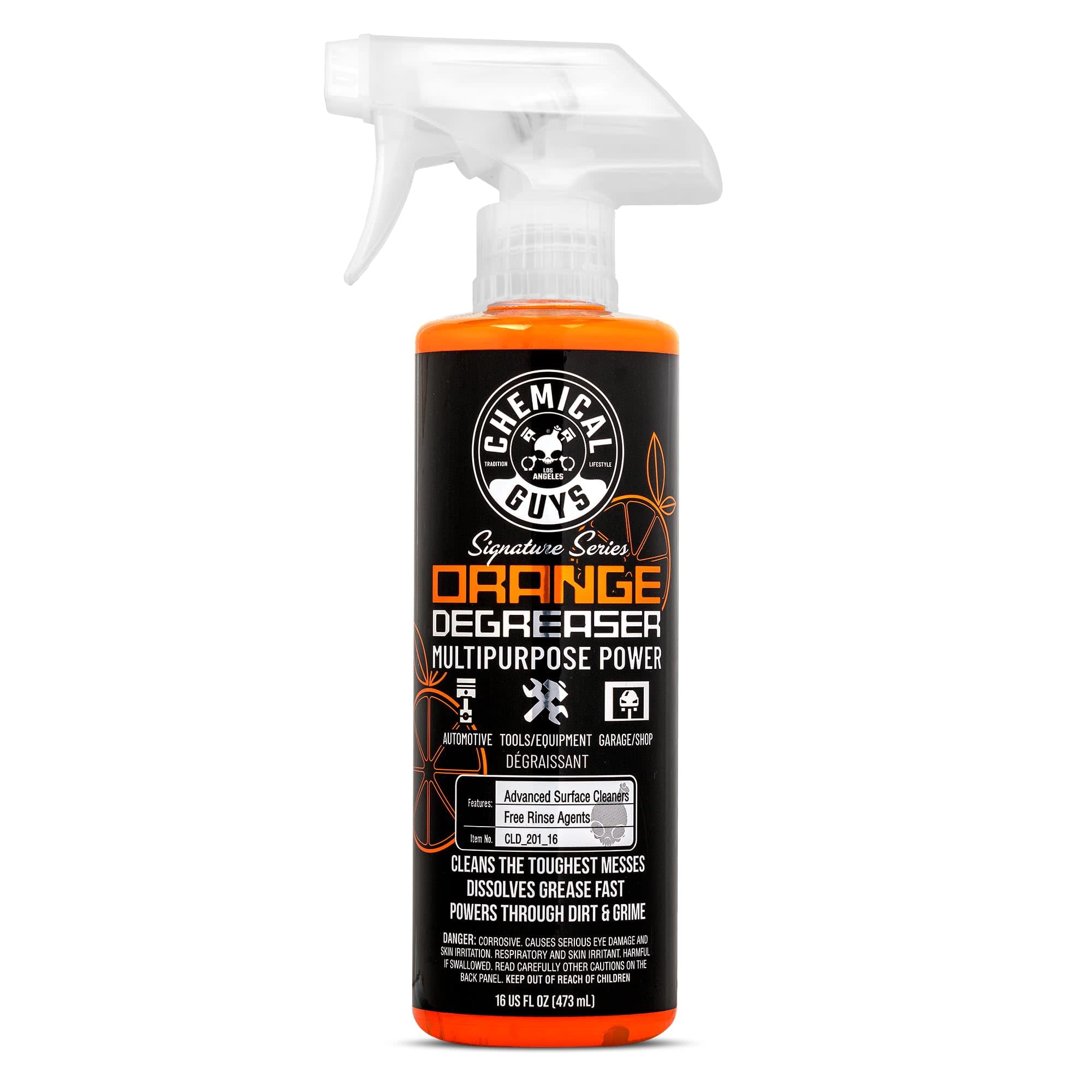 Chemical Guys Signature Series Orange Degreaser
engine-degreaser
 Folex Professional Carpet Spot Remover
carpet-cleaner
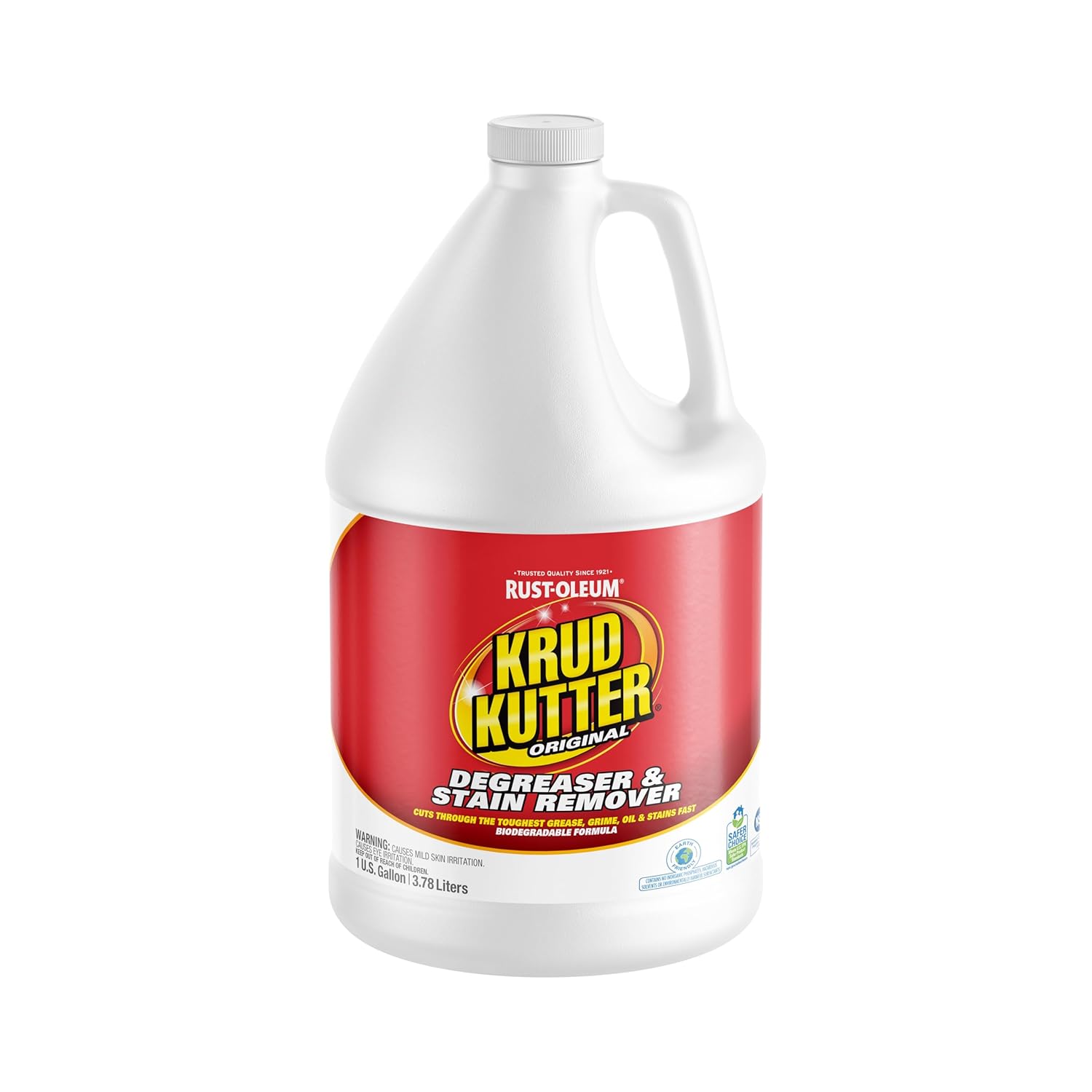 Krud Kutter Original Concentrated Cleaner/Degreaser
engine-degreaser
 Meguiar's Carpet & Upholstery Cleaner AerosolProp 65
carpet-cleaner
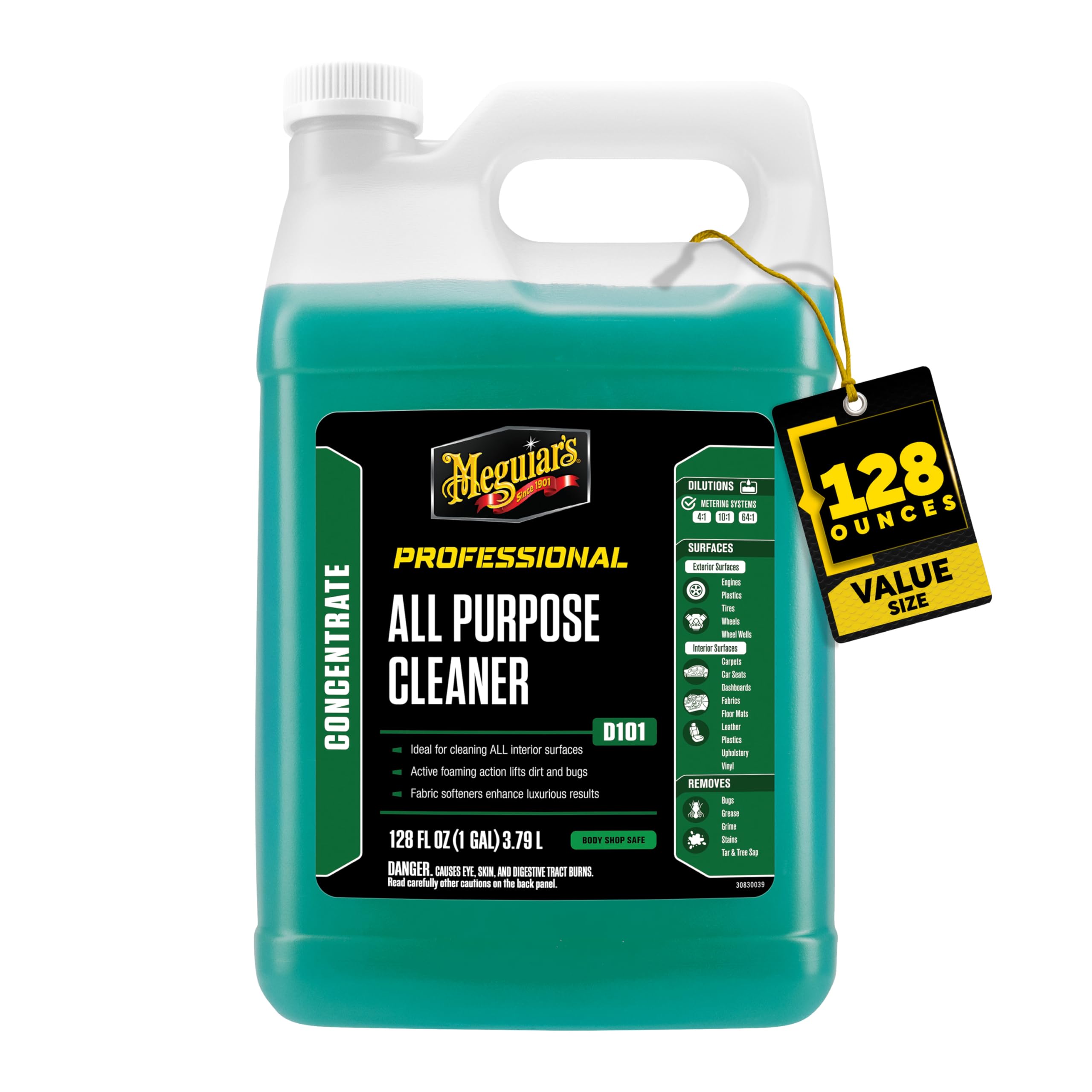 Meguiar's D101 All Purpose Cleaner
all-purpose-cleaner
 Meguiar's Hot Rims All Wheel CleanerProp 65
wheel-cleaner
 Mothers Carpet & Upholstery Cleaner
carpet-cleaner
 Mothers Foaming Wheel & Tire CleanerProp 65
wheel-cleaner
 Oil Eater Original Cleaner & Degreaser ConcentrateProp 65
engine-degreaser
 Optimum Power Clean
all-purpose-cleaner

 P&S Detail Products P&S Carpet Bomber
extractor-solution
 Prop 65
Related
Health and environment notes translate the manufacturer Safety Data Sheet, the GHS classification, and authoritative regulatory listings (California Prop 65, EPA). Not medical advice. They describe the ingredient itself; whether a hazard applies to a finished product depends on its concentration and how it's used.