
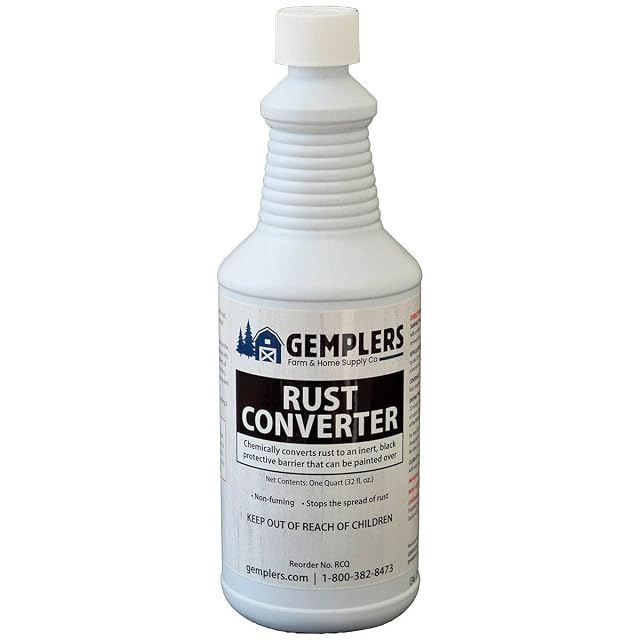
Rust converter treatments — phosphoric and tannic-acid formulas that seal existing rust on body panels before it spreads.
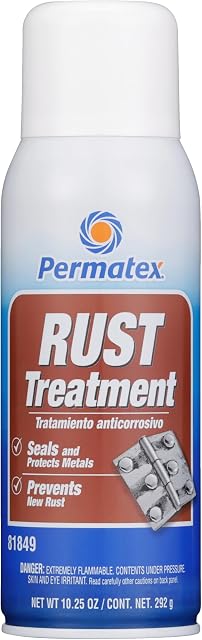
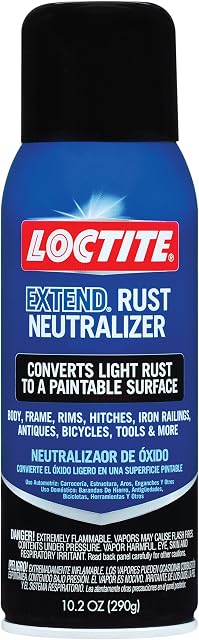
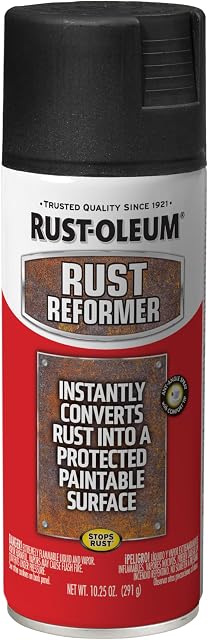
A rust converter is a chemical treatment — usually phosphoric acid, tannic acid, or a blend of both — that reacts with iron oxide (rust) and converts it into iron phosphate or iron tannate, a stable black layer that stops the rust from spreading and gives you something paintable to work over. Some brands market the same chemistry as a rust stabilizer; the terms overlap, and what actually matters is the active acid and whether the product is a standalone converter or a converter-primer combo. Wire-brush or sand off loose scale first, because a rust converter only works on rust that is still bonded to the metal, not flakes or holes. Brush or spray it on, let it cure per the label (usually a few hours to overnight), and you are left with a dark, paintable surface — most converters double as a primer, but a few need a separate topcoat. This is a surface-rust fix for rocker panels, frame rails, and undercarriage spots caught early; it will not rebuild metal that has rusted through. Nitrile gloves are non-negotiable — these products stain skin and concrete on contact.
Affiliate disclosure: CarCareTruth is reader-supported. As an Amazon Associate I earn from qualifying purchases. We may also earn commissions from other retailers linked on this page, at no extra cost to you. Affiliate revenue never influences our scores or rankings. Full disclosure
As an Amazon Associate I earn from qualifying purchases. Full disclosure
Looking for something else? Browse all exterior restoration or search every product.