
Aluminum Oxide (Alumina)
- Abrasives
- CAS 1344-28-1
- IUPAC: Aluminium oxide
Aluminum Oxide (Alumina) (CAS 1344-28-1) appears in 27 of the 2,122 car-care products CarCareTruth tracks (as of August 2026).
Inert mineral. Inhalation of fine dust is an irritant (as with any particulate) but not toxic. No systemic health hazard in liquid suspension.
Aluminum oxide is the abrasive in most car care compounds and polishes. It's the same material used in sandpaper, grinding wheels, and sapphires (which are crystalline alumina).
In car compounds, it's suspended in a liquid carrier as micro-particles that cut into clear coat to remove scratches and defects. "Diminishing abrasive" technology means the particles break down during polishing, going from aggressive cut to fine polish in a single step.
Health-wise it's inert — no chemical hazard, no systemic toxicity. The only concern is respirable dust if you're dry-buffing compound residue aggressively, which isn't a realistic exposure scenario. Environmentally persistent (it's a mineral) but non-toxic.
Health & environment profile
- VOC
- no
- Prop 65 listed
- no
- Asthmagen
- no
- EPA Safer Choice
- no
- Aquatic toxicity
- no
- Biodegradable
- no
- Bioaccumulative
- no
- Persistent
- yes
- Ozone depleting
- no
- Microplastic
- no
- PFAS
- no
- Env. score
- 4/5
Common questions about Aluminum Oxide (Alumina)
- What is Aluminum Oxide (Alumina) used for in car care?
- Micro-abrasive cutting agent in compounds and polishes
- Is Aluminum Oxide (Alumina) a VOC?
- No. Aluminum Oxide (Alumina) is not classified as a volatile organic compound (VOC).
- Is Aluminum Oxide (Alumina) on California's Proposition 65 list?
- No. Aluminum Oxide (Alumina) is not on California's Proposition 65 list.
27 products contain this
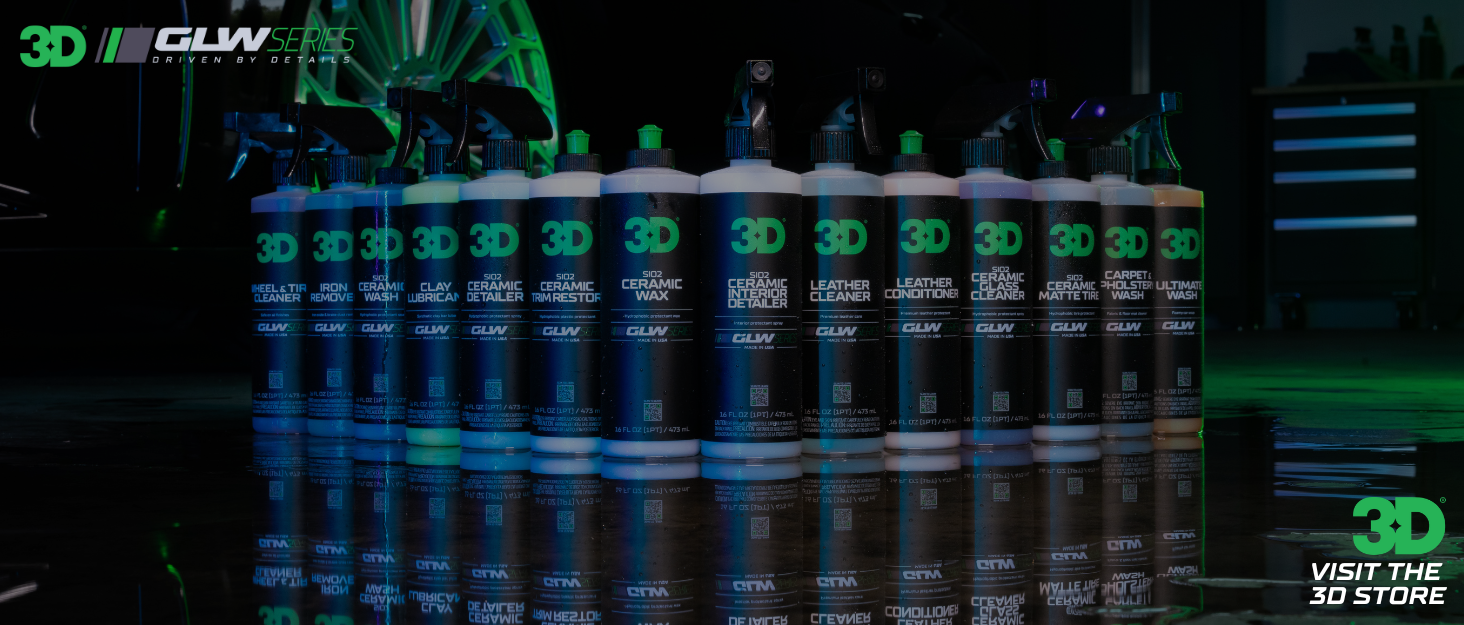 3D Car Care GLW Series Headlight Restore, 2-Step Kit
headlight-restoration
 3D Car Care 3D Speed All-In-One Polish & WaxProp 65
one-step-polish
 3M Perfect-It EX Ultrafine Machine Polish (06068)Prop 65
finishing-polish
 Adam's Polishes Paint Finishing Polish (Step 2)
finishing-polish
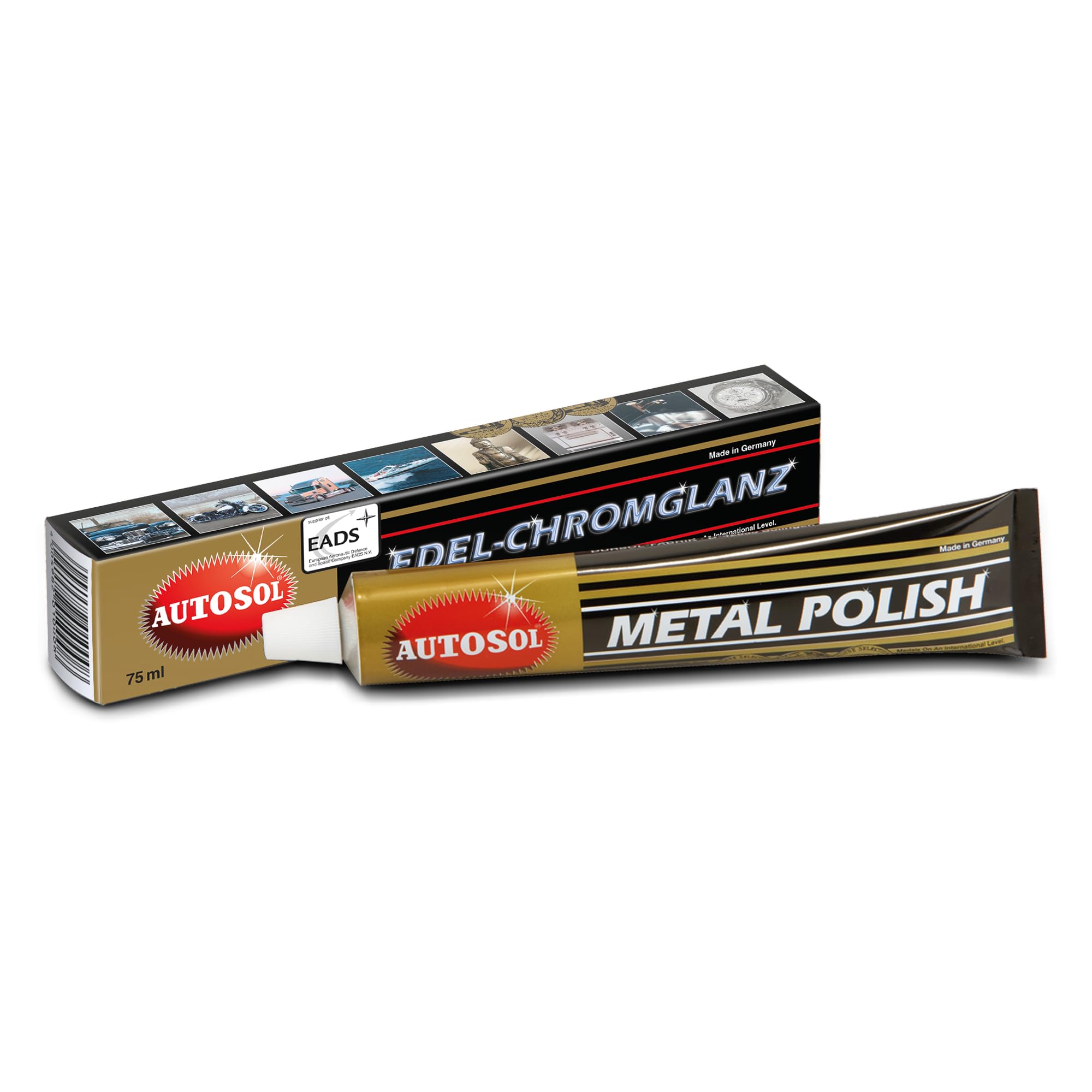 Autosol Metal Polish
chrome-polish

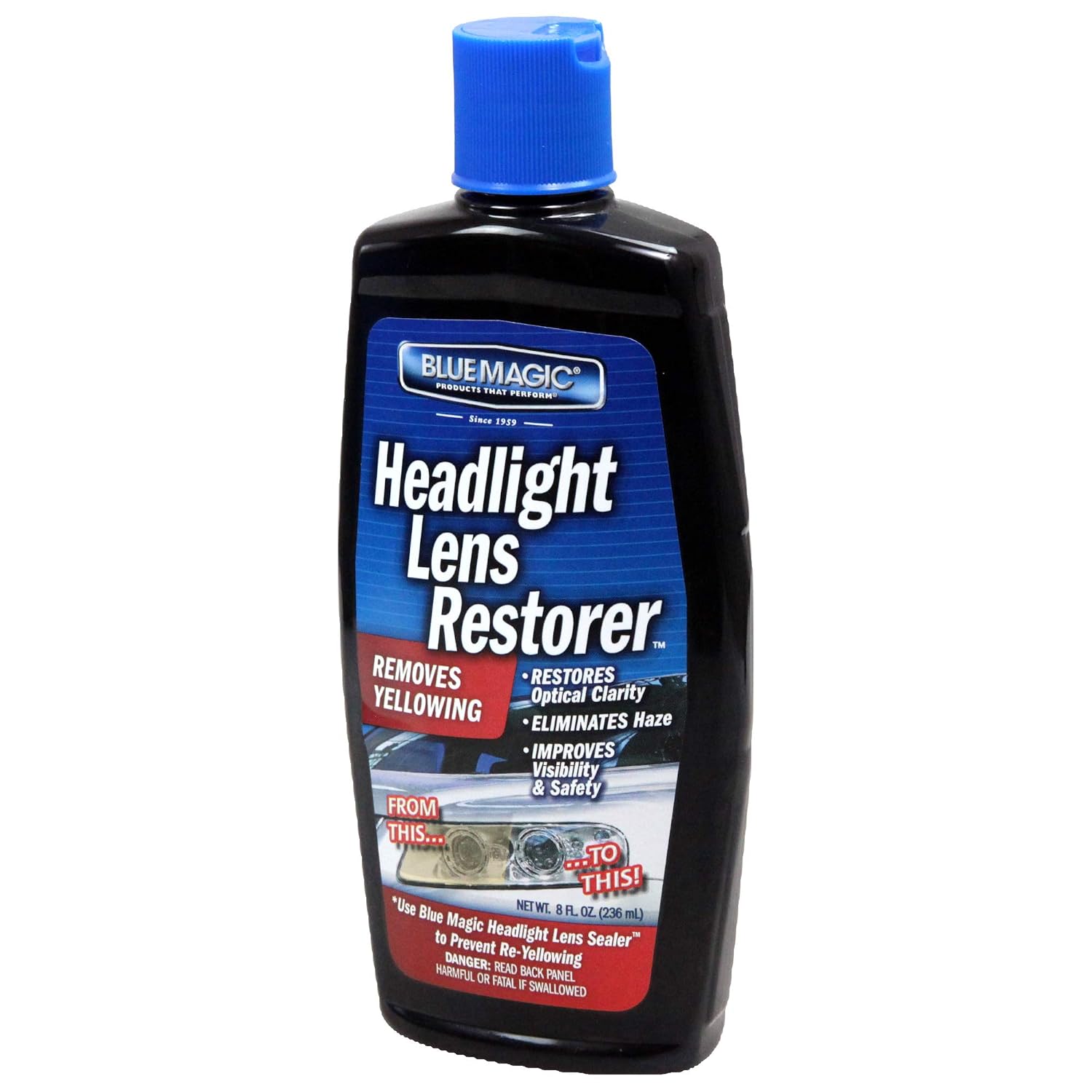 Blue Magic Headlight Lens Restorer
headlight-restoration
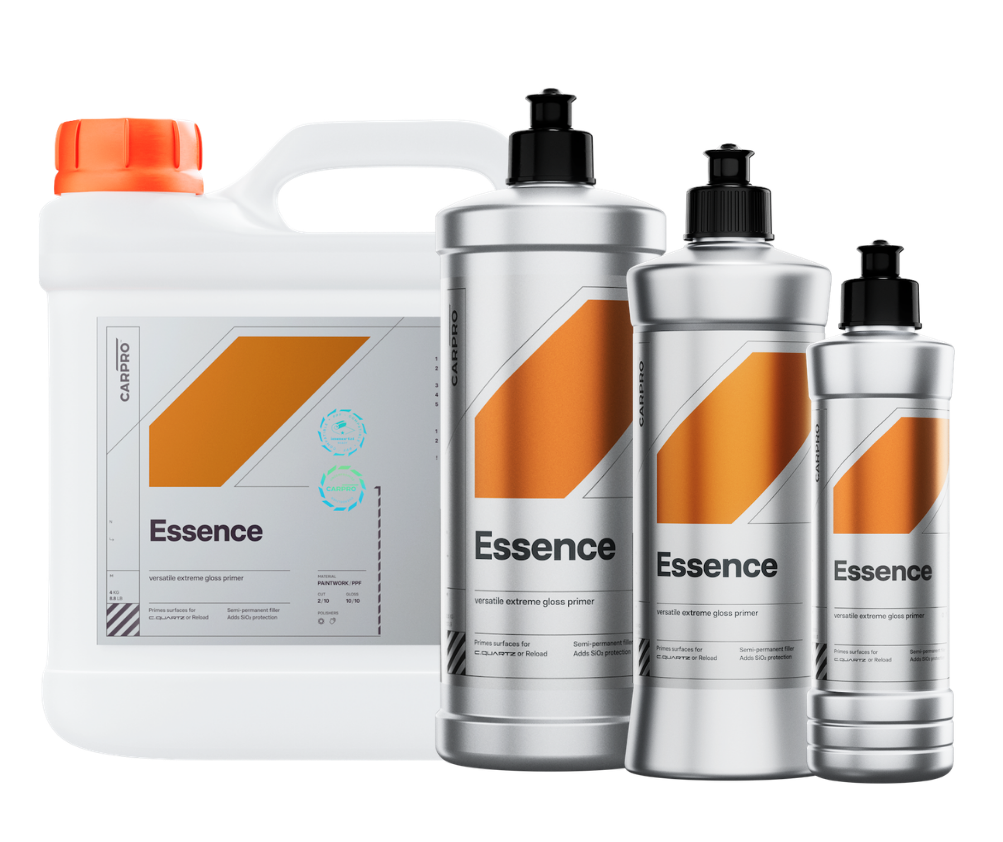
 CarPro Reflect High Gloss Finishing Polish
finishing-polish
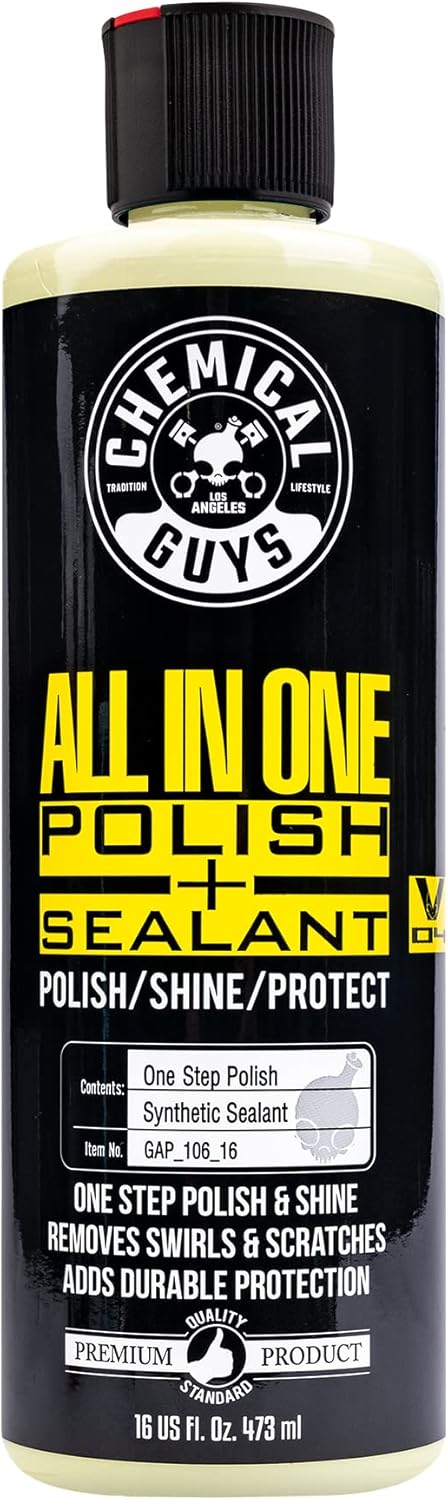 Chemical Guys V4 All-in-One Polish + Sealant
one-step-polish
 Chemical Guys Headlight Restore and Protect
headlight-restoration

 Chemical Guys V38 Optical Grade Final Polish
finishing-polish
 Griot's Garage BOSS Perfecting Cream
finishing-polish
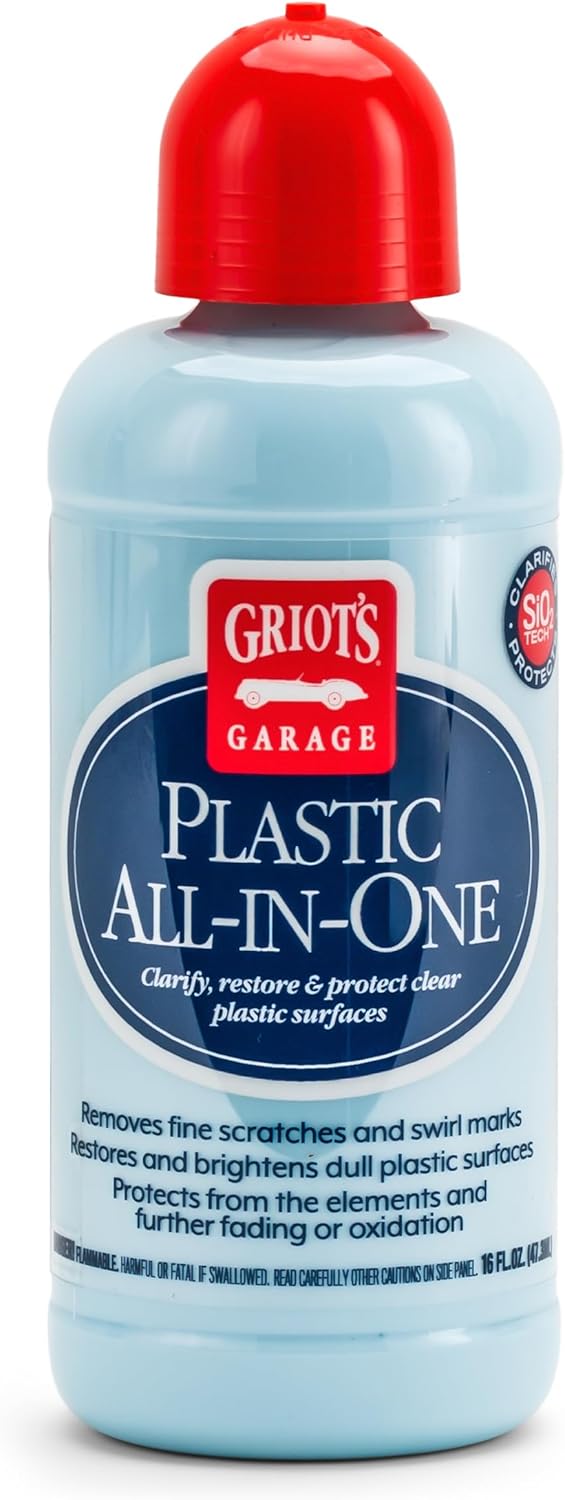 Griot's Garage Plastic All-in-One
headlight-restoration
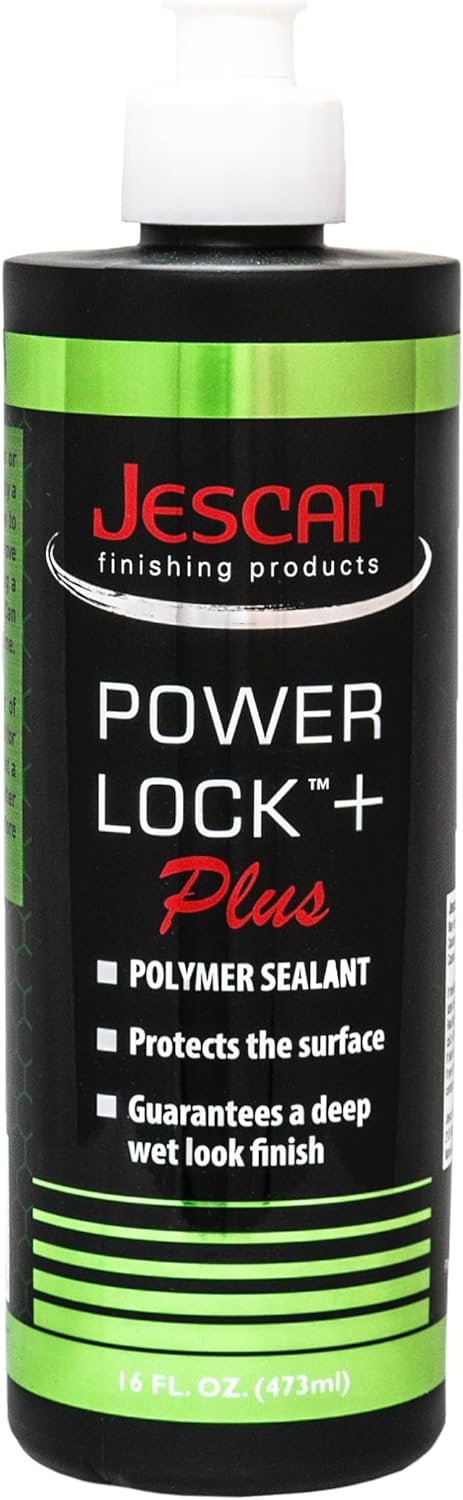 Prop 65
 Meguiar's M205 Mirror Glaze Ultra Finishing PolishProp 65
finishing-polish
 Meguiar's PlastX Clear Plastic Cleaner & PolishProp 65
headlight-restoration
 Meguiar's ScratchX 2.0Prop 65
compound
 Meguiar's Professional So1o All-In-One M300
one-step-polish
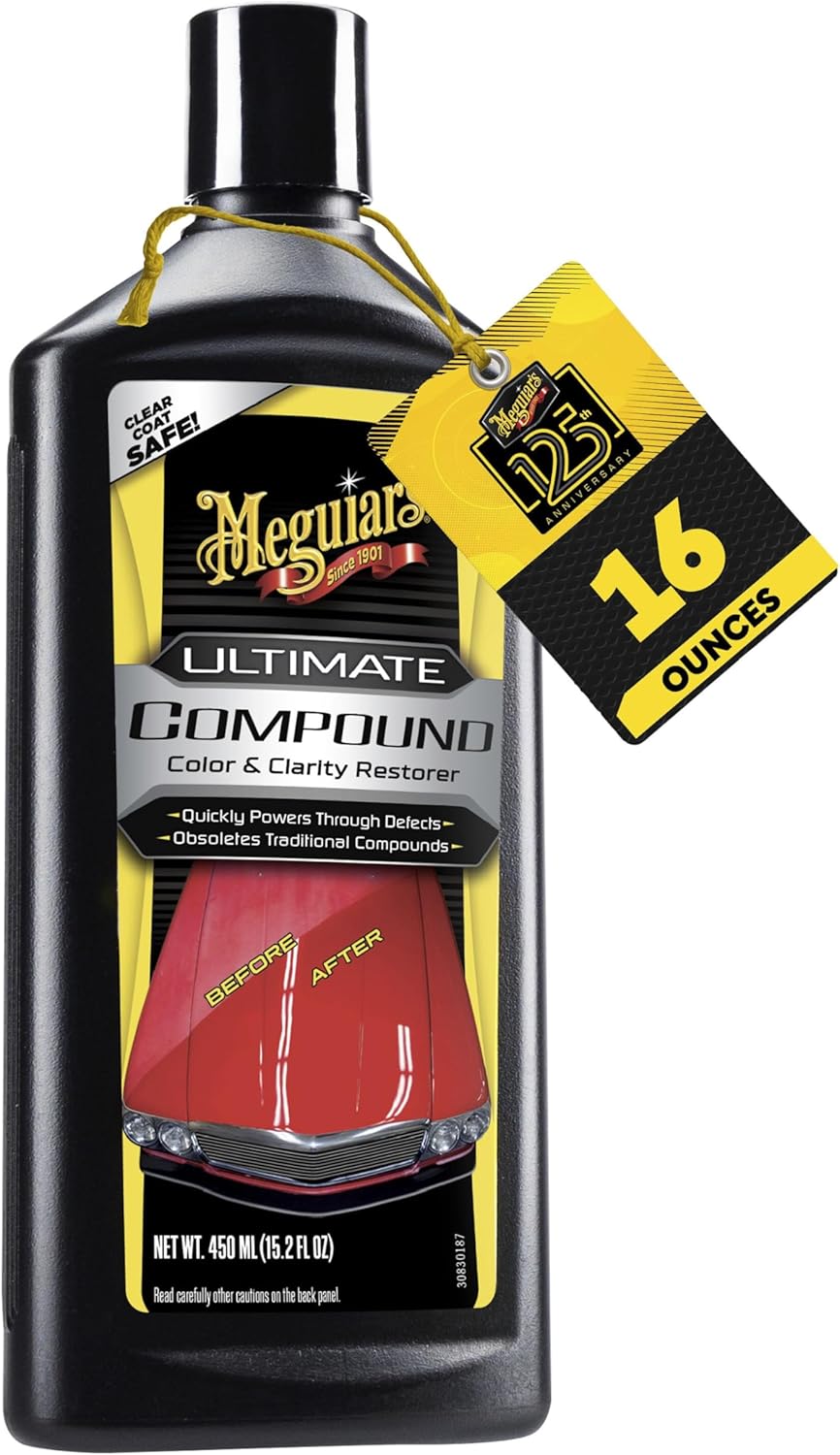 Meguiar's Ultimate CompoundProp 65
compound
 Mothers Mag & Aluminum Polish
chrome-polish
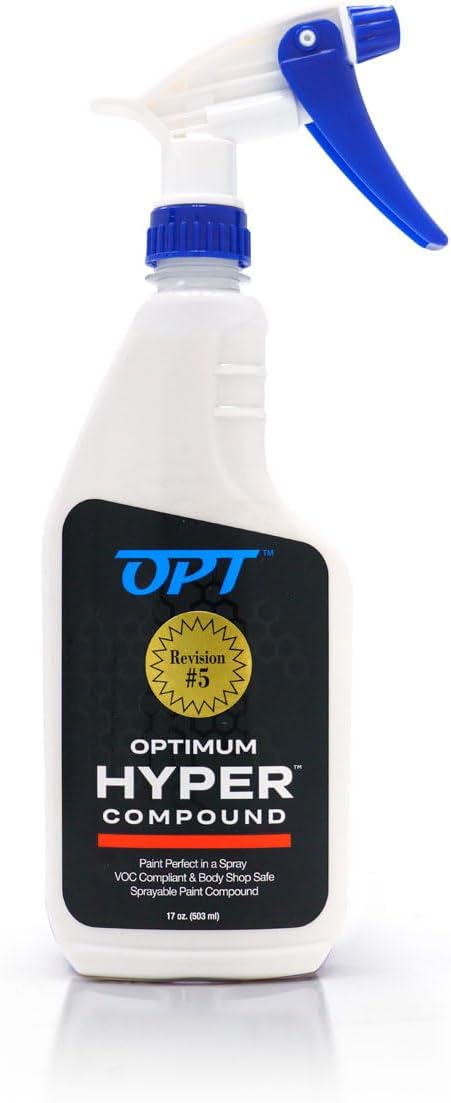 Optimum Hyper Compound
compound
 SONAX Hybrid NPT Paint Cleaner/Cleaner Wax
all-in-one-wax
 Turtle Wax Headlight Lens Restorer Kit (T-240KT)
headlight-restoration-kit
 Turtle Wax Speed Headlight Lens Restorer Kit (53435)
headlight-restoration-kit
Related
Health and environment notes translate the manufacturer Safety Data Sheet, the GHS classification, and authoritative regulatory listings (California Prop 65, EPA). Not medical advice. They describe the ingredient itself; whether a hazard applies to a finished product depends on its concentration and how it's used.