
d-Limonene
- Terpene solvents
- CAS 5989-27-5
- IUPAC: (R)-4-Isopropenyl-1-methylcyclohexene
d-Limonene (CAS 5989-27-5) appears in 27 of the 2,122 car-care products CarCareTruth tracks (as of August 2026), 6 of which carry a DANGER signal word on their published Safety Data Sheet. It is classified as a respiratory sensitizer (asthmagen) and classified as a VOC.
Skin sensitizer (contact dermatitis) with repeated exposure. Known asthmagen — can trigger asthma in sensitized individuals. Pleasant citrus odor masks the hazard.
What it is
d-Limonene is a cyclic monoterpene with the IUPAC name 4-isopropenyl-1-methylcyclohexene (CAS 5989-27-5). It is a clear, colorless to pale-yellow liquid with a strong orange-peel odor that is unmistakable even at low concentrations. The compound is extracted by steam distillation from the rinds of oranges, lemons, and other citrus fruits, typically as a byproduct of juice processing. It boils at 176 °C, has a density of about 0.84 g/mL at room temperature, is essentially insoluble in water, and mixes freely with most organic solvents and oils.
Where it appears in car care
In the CarCareTruth catalog, d-limonene shows up in citrus degreasers, "natural" or "plant-based" all-purpose cleaners, adhesive and decal removers, interior plastic cleaners marketed on a green-chemistry angle, and occasionally in tire dressings (rare, and usually as a secondary solvent rather than the primary carrier). The signature orange smell is part of the marketing, not an incidental feature. When a product label leads with "citrus," "orange," or "plant-based solvent," d-limonene or a related terpene is almost always the active ingredient doing the work.
Why formulators use it
Terpene chemistry sits at the boundary between polar and non-polar solvents, which makes d-limonene legitimately effective at dissolving greases, waxes, road tar, tree sap, and many adhesives. It performs in the same range as petroleum-distillate solvents on a lot of common car-care soils, with the added advantages that it is renewable (a juice-industry coproduct), biodegrades quickly under OECD 301 test conditions, and carries a "plant-derived" story that supports premium pricing. For a formulator trying to replace mineral spirits or naphtha in a green-positioned SKU, d-limonene is the default first choice.
The oxidation problem
The most important car-care insight about d-limonene is that it oxidizes. On contact with air, light, or heat, fresh d-limonene converts over weeks to months into limonene-1,2-oxide and limonene hydroperoxide. Those oxidation products are documented in the dermatology literature (Karlberg and colleagues at Gothenburg published the foundational work) as significantly stronger skin sensitizers than the parent compound. The practical consequence is counterintuitive: a half-used bottle of citrus cleaner that has been sitting on a garage shelf for a year is more allergenic than a freshly opened one. SDS sheets reflect this by carrying H317 (skin sensitization) on d-limonene-containing products even when the fresh ingredient itself is only weakly sensitizing.
Hazard codes typically carried
Products with meaningful d-limonene content commonly carry H226 (flammable liquid and vapor; the boiling point is high but the flash point is around 45 °C, which is below most working temperatures in a closed garage), H315 (skin irritation), H317 (skin sensitization, driven by the oxidation chemistry above), H304 (aspiration hazard if swallowed, because the viscosity is low enough that the liquid can be drawn into the lungs), and H400 with H410 (very toxic to aquatic life with long-lasting effects). The aquatic-toxicity codes appear despite the biodegradability claim because acute toxicity to fish is high during the window before degradation completes.
The "natural equals safe" marketing trap
d-Limonene is the textbook case for why "plant-derived" is a sourcing claim, not a safety claim. The compound is genuinely renewable and genuinely biodegradable. It is also a documented respiratory and skin allergen, a real volatile organic compound at room temperature, a flammable liquid by GHS criteria, and acutely toxic to aquatic life. The U.S. EPA Safer Choice program does not list d-limonene among its safer-substitutes ingredients, citing the skin-sensitization profile. Treating a citrus degreaser as fundamentally lower-risk than a mineral-spirits degreaser because of the source plant is not supported by the hazard data on either label.
Realistic use case
Cold-engine-bay degreasing is where d-limonene cleaners earn their place: dwell times of two to three minutes versus ten to fifteen minutes for an aqueous degreaser on the same soil. Insect and bug-residue removal is another scenario where the terpene chemistry is straightforwardly effective. The use cases that the hazard profile argues against are hot surfaces (vapor generation rises sharply, and the flash point comes into play), closed garages without ventilation (VOC accumulation), and users with known fragrance or terpene sensitivity (the H317 risk is cumulative, not a single-exposure event).
Where to look on the SDS
Section 2 carries the H315 and H317 codes that signal the skin-irritation and sensitization picture. Section 9 lists the flash point and VOC content; products with significant d-limonene loading commonly report 800 g/L or higher. Section 11 records the acute toxicity data, where the oral LD50 in rats sits around 4400 mg/kg, putting acute systemic toxicity in the low range. The sensitization and aquatic-toxicity entries are the lines that actually drive the hazard tier, not the LD50.
Related references
The chemicals hub tracks d-limonene alongside other terpene solvents. The H317 hazard-code page covers skin sensitization in more depth. Representative catalog products that lead with d-limonene chemistry include Chemical Guys Citrus Wash and other citrus-positioned degreasers in the engine-and-wheel category.
Health & environment profile
- VOC
- yes
- Prop 65 listed
- no
- Asthmagen
- yes
- EPA Safer Choice
- no
- Aquatic toxicity
- yes
- Biodegradable
- yes
- Bioaccumulative
- no
- Persistent
- no
- Ozone depleting
- no
- Microplastic
- no
- PFAS
- no
- Env. score
- 3/5
Common questions about d-Limonene
- What is d-Limonene used for in car care?
- Citrus-derived solvent for grease, adhesive, and sap
- Is d-Limonene a VOC?
- Yes. d-Limonene is classified as a volatile organic compound (VOC).
- Is d-Limonene on California's Proposition 65 list?
- No. d-Limonene is not on California's Proposition 65 list.
- Is d-Limonene a respiratory sensitizer?
- Yes. d-Limonene is classified as a respiratory sensitizer (asthmagen).
- Is d-Limonene biodegradable?
- Yes. d-Limonene has a confirmed biodegradable profile.
27 products contain this
 Adam's Polishes Carpet Extractor Shampoo
carpet-cleaner
 Adam's Polishes Extractor Shampoo
extractor-solution
 Prop 65
 Adam's Polishes Mega Foam
pre-wash
 Adam's Polishes One Step Polish
one-step-polish
 Adam's Polishes Water Spot Remover
glass-water-spot-remover
 Goo Gone Automotive Adhesive Remover
bug-tar-remover
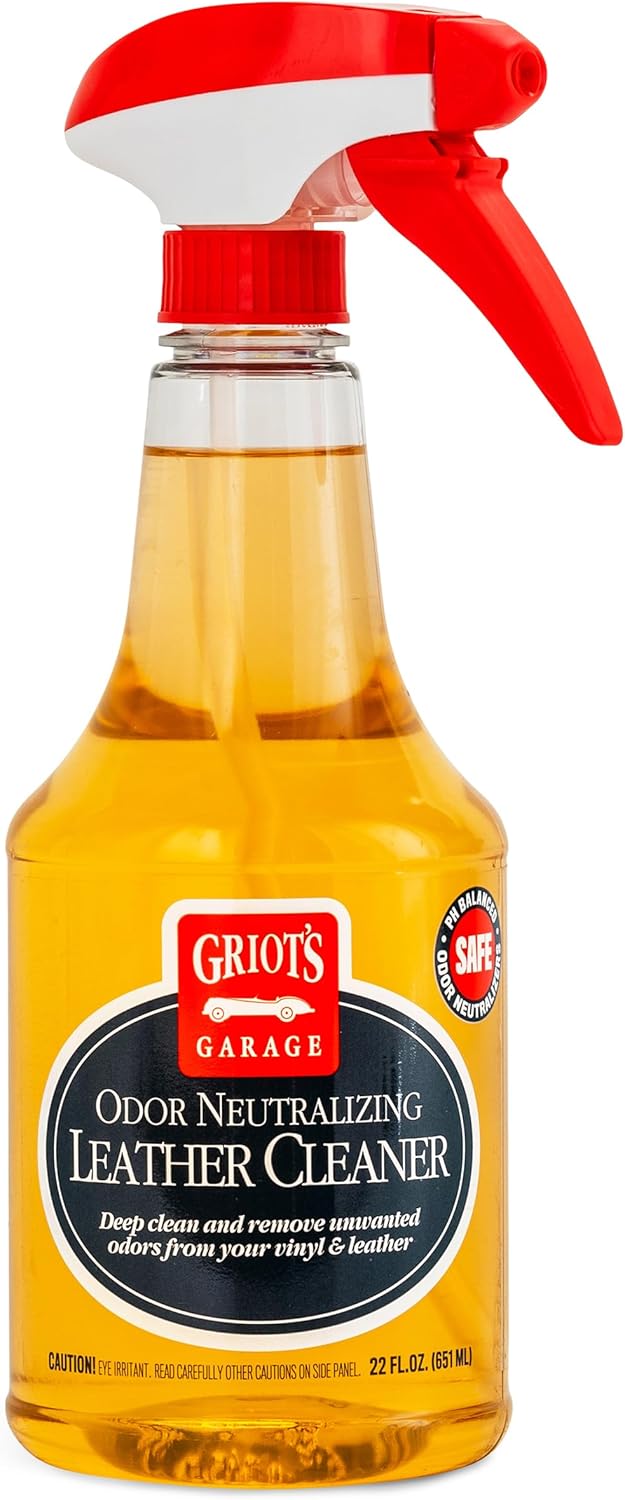 Griot's Garage Odor Neutralizing Leather CleanerProp 65
leather-cleaner
 Gyeon Q² Prep
panel-wipe
 Gyeon Q²M ClayLube Redefined
clay-lubricant
 Gyeon Q²M Foam
pre-wash
 Gyeon Q²M Glass
glass-cleaner
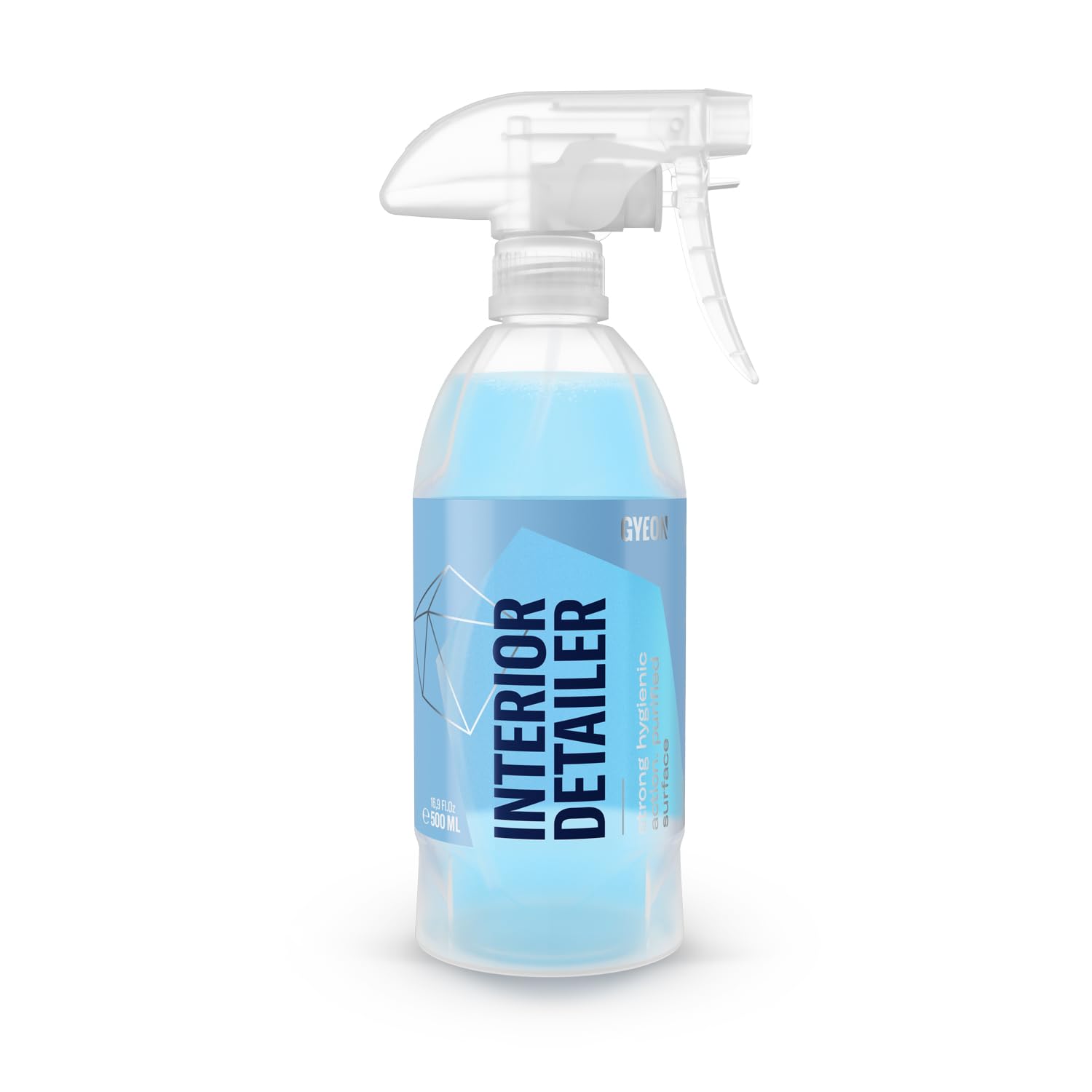 Gyeon Q²M Interior Detailer
interior-detailer
 Malco OXY Carpet & Upholstery Cleaner
fabric-upholstery-cleaner
 Mothers Leather CleanerProp 65
leather-cleaner
 nextzett Gummi Pflege Rubber Care Stick
weatherstrip-conditioner
 Optimum No Rinse Wash & Shine (ONR Version 5)
rinseless-wash
 Optimum No Rinse Wash & Shine (ONR Version 6)
rinseless-wash
 Slick Products Shine & Protectant SprayProp 65
exterior-dressing
 SONAX Multi-Purpose Interior Cleaner
headliner-cleaner
 SONAX Upholstery & Alcantara CleanerProp 65
fabric-upholstery-cleaner
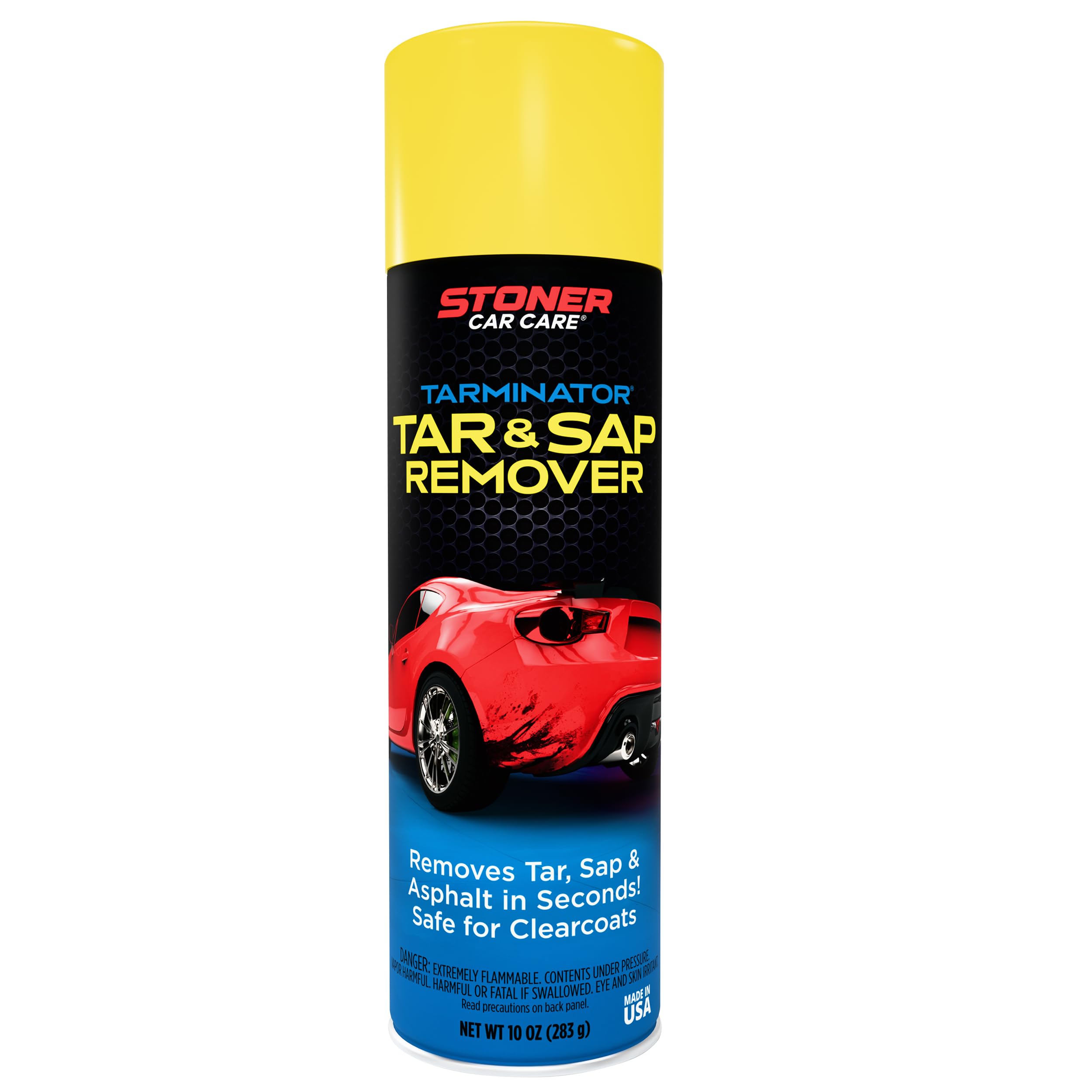 Stoner Tarminator Tar, Sap, and Asphalt RemoverProp 65
bug-tar-remover
 Torque Detail Mirror Shine
ceramic-spray-coating
 TriNova Faux Leather Cleaner & ConditionerProp 65
leather-care
 Turtle Wax Fresh Clean All-Surface CleanerProp 65
all-purpose-cleaner
 Turtle Wax Dash & Glass ProtectantProp 65
dashboard-protectant
 Zep Heavy-Duty Citrus Degreaser & CleanerProp 65
engine-degreaser
Related
Health and environment notes translate the manufacturer Safety Data Sheet, the GHS classification, and authoritative regulatory listings (California Prop 65, EPA). Not medical advice. They describe the ingredient itself; whether a hazard applies to a finished product depends on its concentration and how it's used.