
Are Car-Care Chemicals Toxic?
The short answer: most of what you spray on a car is a mild irritant, a smaller set carries real hazards, and the only honest way to tell them apart is the manufacturer's Safety Data Sheet. These articles translate that hazard data, the GHS codes, the recommended protective gear, and the ingredients, into a plain-English read for each product. We translate the SDS. We do not make the safety call for you.
Backed by 714 Safety Data Sheets and 678 indexed ingredients.
Fluids & under the hood
Is Antifreeze Toxic to Cats?
Antifreeze (Ethylene Glycol Coolant)
Antifreeze is toxic to cats. Most antifreeze is ethylene glycol, which the SDS classifies as harmful if swallowed (H302), and it tastes sweet, so a cat will lap up a spill. Cats are the most sensitive animal to it: roughly a teaspoon can be fatal, and the antidote only works if a vet gives it within a few hours. Any suspected exposure in a cat is an immediate emergency.
Use with cautionRead the verdict →
Is Antifreeze Toxic to Dogs? What the SDS Actually SaysAntifreeze / Coolant
Antifreeze is toxic to dogs. Most antifreeze is ethylene glycol, which the SDS classifies as harmful if swallowed (H302), and it tastes sweet, so a dog will drink a spill. Even a small amount can cause fatal kidney failure in dogs and cats, and the antidote only works if a vet treats it early, so any suspected ingestion is a same-hour emergency.
Use with cautionRead the verdict →
Is Battery Acid Toxic? What a Car Battery's SDS Actually SaysBattery Acid
Battery acid is sulfuric acid, and it causes severe skin burns and eye damage on contact. A lead-acid battery's SDS carries a DANGER signal word and classifies the electrolyte as severely corrosive (H314). The part most people miss is that a sealed, intact battery keeps that acid contained, so the real danger shows up when a battery is cracked, overfilled, or overcharged, which is also when it vents flammable hydrogen gas. Wear eye protection and gloves any time you handle a leaking or charging battery.
Check the PPERead the verdict →
Is Brake Cleaner Toxic? What the SDS Actually SaysBrake Cleaner
Brake cleaner is not one chemistry. Chlorinated formulas are built on perchloroethylene, which the SDS lists as suspected of causing cancer (H351) and which destroys upper-atmosphere ozone (H420). Non-chlorinated formulas swap that for acetone and heptane, which are highly flammable (H225) and carry an aspiration danger if swallowed (H304). Both give off vapor that can cause dizziness (H336) in a closed garage. The word chlorinated or non-chlorinated on the can tells you which risk you are holding.
Use with cautionRead the verdict →
Is Brake Fluid Toxic? What the SDS Actually SaysBrake Fluid
Brake fluid is harmful if swallowed and can cause serious eye damage. Most DOT 3 and DOT 4 brake fluid is a blend of glycol ethers, and a mainstream consumer SDS classifies it as harmful if swallowed (H302) and as causing serious eye damage (H318), with a DANGER signal word. It barely evaporates, so breathing it is not the concern. The hazards that matter are a splash in the eye while you bleed the brakes, swallowing it, and the fact that it strips automotive paint.
Check the PPERead the verdict →
Is WD-40 Toxic?WD-40 Multi-Use Product
WD-40 Multi-Use Product carries a DANGER signal word, but that warning comes from its physical hazards, not from being a systemic poison. The SDS classifies it as an extremely flammable aerosol (H222) and a gas under pressure, and as an aspiration hazard (H304) if swallowed. Its own toxicology section reports it is not classified as acutely toxic to swallow, absorb, or breathe at normal levels. The real risks are fire, breathing the mist in a closed space, and choking it into the lungs, which is why you never make someone throw up if they swallow it.
Use with cautionRead the verdict →
Is Windshield Washer Fluid Toxic?Windshield Washer Fluid
Most winter and de-icer windshield washer fluid contains methanol, which its Safety Data Sheet classifies as toxic if swallowed (H301) and able to cause optic-nerve damage (H370). The main risk is swallowing it, not topping off the reservoir. Methanol can cause permanent blindness, and the SDS notes as little as 10 ml may harm vision, with symptoms delayed for hours. Keep it away from children and pets, and if anyone swallows it, call Poison Control at 1-800-222-1222 immediately.
Use with cautionRead the verdict →
Wash & detailing
Is Engine Degreaser Toxic? What the SDS Actually Says
Engine Degreaser
Engine degreaser is not one chemistry, so there is no single answer. The water-based cleaners carry mild or no GHS hazard codes. The caustic concentrates carry a DANGER warning for severe skin burns (H314) and serious eye damage (H318). The solvent aerosols are the real concern: one carries a possible cancer flag (H350), and others list an aspiration hazard (H304) if swallowed. Read the signal word on the label to know which type you grabbed.
Use with cautionRead the verdict →
Is Simple Green Toxic? What the SDS Actually SaysSimple Green
Whether Simple Green is toxic depends on which one you grabbed. The original green all-purpose cleaner is about as tame as a cleaner gets: no hazard classification on its Safety Data Sheet, no signal word, EPA Safer Choice certified, zero measured VOC. It does carry a California Prop 65 warning. Its SDS names no listed chemical, so the warning is not tied to a disclosed hazard, though the ethoxylated surfactant can carry trace ethylene oxide or 1,4-dioxane, which is the likely reason. Either way it is a low-level precaution, not a poison. The heavy-duty Pro HD is a different animal: it earns a WARNING label for eye irritation (H320) and a Prop 65 warning for a real trace carcinogen, diethanolamine. Use the regular stuff for most jobs, save Pro HD for baked-on grease, and keep the concentrate out of your eyes.
Use with cautionRead the verdict →
Wheels & tires
Is Tire Shine Toxic? What the SDS Actually Says
Tire Shine
Tire shine is not one product, and its hazard depends entirely on what carries the gloss. Solvent wet-look gels like Black Magic carry a DANGER signal word because their petroleum-distillate base can be drawn into the lungs if swallowed and vomited (H304 aspiration hazard). Water-based silicone sprays like Chemical Guys Silk Shine carry no DANGER word, no petroleum, and almost no fumes. So the real toxicity answer depends entirely on which one you grabbed off the shelf.
Use with cautionRead the verdict →
Is Wheel Cleaner Toxic? What the SDS Actually SaysWheel Cleaner
Wheel cleaner is not one chemistry, so there is no single answer. The pH-balanced gels carry no GHS hazard classification at all. The strong caustic cleaners, at pH 12.5 to 13.56, carry a DANGER signal word and are classified as causing severe skin burns (H314) and serious eye damage (H318). The hazard that matters most is a face-level splash in the eye while you spray at wheel height. Check the label for a DANGER warning to know which type you have.
Use with cautionRead the verdict →
Interior
Is Car Air Freshener Toxic? What the SDS Actually Says
Car Air Freshener
Air freshener is not one product, and its hazard depends on the format. Hanging cards like Little Trees often carry no GHS hazard classification at all, and clips and gels list only mild fragrance skin and eye irritation (H317, H319). The high end is a one-shot whole-car aerosol fogger with a DANGER signal word, driven by the organ-toxicity code H370. If you use an aerosol fogger, clear the cabin and air it out before getting back in; for a card or clip the SDS lists no such concern.
Use with cautionRead the verdict →
Is Febreze Toxic?Febreze
Febreze is not a poison. Procter & Gamble's Safety Data Sheet lists the everyday Fabric Refresher pump spray as non-hazardous, with no signal word and a toxicology section that reports no known effect on every endpoint it covers, cancer included. The catches are small but real. The fragrance can bother scent-sensitive or asthmatic people, worse in a closed car. Do not spray it on a pet. Birds have delicate lungs, so move them out of the room while you spray and let things settle. And do not leave a pressurized aerosol can in a hot car. The old email claiming Febreze kills pets is a debunked hoax.
Use with cautionRead the verdict →
Is Glass Cleaner Toxic? What the SDS Says About AmmoniaGlass Cleaner
Glass cleaner sits at the mild end of car-care chemistry. Nine of the fifteen safety data sheets located for the sixteen products CarCareTruth scores carry no health hazard code at all, and Windex Original, the classic ammonia formula, is one of them: no signal word, no H-codes. Several ammonia-free products classify higher on their solvent content instead. The strongest reason to keep ammonia off car glass is not your health, it is aftermarket tint film and screen coatings.
Use with cautionRead the verdict →
Recently graded products
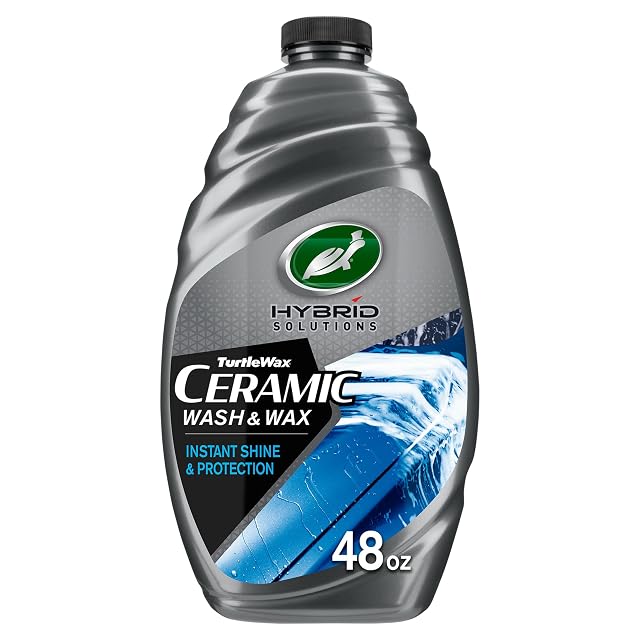
See the full SDS database →The latest car-care chemicals we scored, each with its SDS-translated health read.
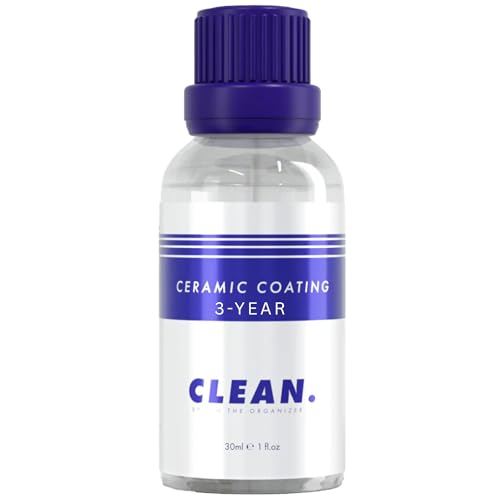
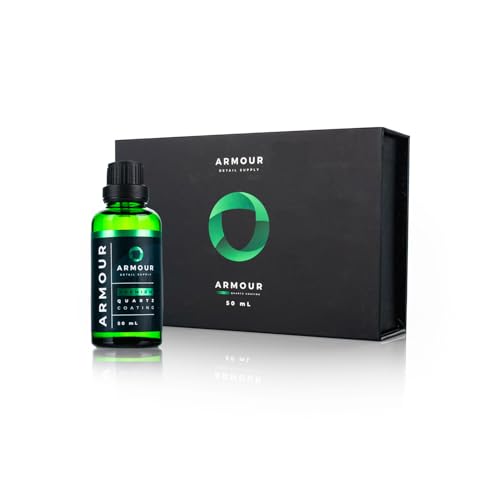
Ceramic Coating · CLEAN. by Pan The Organizer
Ceramic Coating 3-YearCCT Score5.3*
Health4.0Env5.0Price
How this works
We translate the SDS. We don't make the safety call.
Every toxicity read on this site is anchored to the manufacturer's published Safety Data Sheet, the GHS hazard classifications, and the underlying ingredient chemistry, not to generic SDS Section 8 boilerplate. These pages are for comparison and research, not a substitute for reading the actual label and SDS before you handle any product.
Read the methodology →Keep exploring safety
Frequently asked questions
- Are car-care chemicals toxic?
- It depends entirely on the product and how you use it. Most everyday car-care products (wash soaps, quick detailers, interior cleaners) are mild irritants at worst. A smaller set carries real hazards: strong acids and alkalis in some wheel cleaners, solvents in some dressings and coatings, and glycols in fluids that are dangerous if swallowed. The honest answer for any single product comes from its Safety Data Sheet, which is exactly what these articles translate.
- How does CarCareTruth decide whether something is toxic?
- We read the manufacturer's published Safety Data Sheet: the GHS hazard codes (Section 2), the recommended protective equipment (Section 8), the toxicology data (Section 11), and the ingredient list. We translate that data into plain English. We do not lab-test products, and we do not make the safety call for you. We report what the SDS and the underlying chemistry say.
- Is this medical or safety advice?
- No. These articles translate published manufacturer SDS data and ingredient chemistry into plain English. They are not medical advice and not a substitute for the product label, the full SDS, or a poison-control professional. For an acute exposure or ingestion, call Poison Control at 1-800-222-1222 (US) or 911.
- Which car-care chemicals are the most dangerous to use at home?
- The higher-hazard groups tend to be strong acid or alkaline wheel cleaners and iron removers, high-VOC solvent-based dressings and degreasers used in a closed garage, and the glycol-based fluids (coolant, brake fluid, washer fluid) that are dangerous if swallowed, especially around kids and pets. The everyday wash soaps and quick detailers are usually mild by comparison. The honest ranking for any specific product comes from its Safety Data Sheet, which is what each article here translates.
Hazard codes and PPE tiers are sourced from manufacturer Safety Data Sheets. These pages translate SDS data and ingredient chemistry; they are not medical advice and not a substitute for the label and full SDS.