CarCareTruth Score
Decent, but wear gloves and ventilate.
Opens Amazon in a new tab. No account needed to look.
Saved to your guest loadout. Sign up to also save to your Cabinet (consumables) or Kit (tools you own).
As an Amazon Associate I earn from qualifying purchases. Full disclosure
Prices may varyThe manufacturer's Safety Data Sheet classifies this product with one or more GHS Category 1 health hazards — the most severe tier. The hazard statements in quotes below are the verbatim GHS language from the SDS, as required by OSHA's Hazard Communication Standard. The line under each statement translates the GHS classification into plain language.
GHS Category 1 eye damage — classified as causing irreversible eye damage on contact.
If splashed in eyes:
Call Poison Control immediately at 1-800-222-1222 (US, 24/7, free) and have the product container with you. Poison Control's standing guidance is to not induce vomiting after chemical exposure; they will direct first-aid steps based on the specific product.
About this product's hazards. This product's Safety Data Sheet uses signal word DANGER.Read the manufacturer's SDS and follow all safety instructions before use. CarCareTruth ratings translate the manufacturer's safety sheet. They do not replace the SDS or substitute for a hazard assessment specific to your task.
Health score is for adult use as intended, per the manufacturer's SDS. It does not model child ingestion, accidental spill cleanup, or off-label use. See the safety panel below for full hazard classification, and /disclaimer for the full editorial scope.
GHS hazard codes are quoted from the manufacturer’s Safety Data Sheet. PPE tiers below translate those codes and the listed ingredient chemistry; they are not CarCareTruth recommendations.
Show details for all categories ▾Hide details ▴
Translated from the manufacturer’s Safety Data Sheet, Section 2
The undiluted concentrate is classified for serious eye damage (H318, Category 1) in SDS §2, carrying the GHS05 corrosion pictogram. The Category-1 'serious damage' classification eases to irritation at the 1:10-1:30 wash dilution, but you handle the concentrate when filling the cannon and a foam lance can throw suds toward the face, so eye protection is warranted whenever the product is handled.
U.S. regulatory standard
29 CFR 1910.133(a)(1); 1910.151(c)
“The employer shall ensure that each affected employee uses appropriate eye or face protection when exposed to eye or face hazards from… liquid chemicals, acids or caustic liquids…”
ANSI Z87.1 (chemical splash protection — incorporated via §1910.6)
OSHA standards apply to workplaces. Cited here as the U.S. reference threshold for the underlying hazard class.
CarCareTruth publishes the cited sources verbatim and does not advise what action a user should take. Consult the full SDS before use.
Translated from the manufacturer’s Safety Data Sheet, Section 2
H315 (skin irritation, Category 2) is classified for the undiluted concentrate in SDS §2. Gloves are worth using when handling or mixing the concentrate, and during prolonged contact with the working solution.
U.S. regulatory standard
29 CFR 1910.138(a)
“appropriate hand protection when employees' hands are exposed to hazards such as those from… chemicals which produce an adverse effect on the skin or eyes…”
OSHA standards apply to workplaces. Cited here as the U.S. reference threshold for the underlying hazard class.
CarCareTruth publishes the cited sources verbatim and does not advise what action a user should take. Consult the full SDS before use.
Only when: in enclosed space · misting overhead
Translated from the manufacturer’s Safety Data Sheet, Section 8
SDS Section 8 states that with correct, normal use breathing protection is not required, but it also calls for a particulate filter respirator if exposure limits are exceeded or ventilation is poor with aerosol/mist formation. Section 2 carries no inhalation-hazard H-code, so this is a boilerplate ventilation precaution rather than a mixture-level respiratory hazard. A foam lance throws a fine mist, so working in an unventilated garage is the one scenario worth a basic mask for.
CarCareTruth publishes the cited sources verbatim and does not advise what action a user should take. Consult the full SDS before use.
No PPE specified in published sources for ventilation. Absence does not imply “not needed” — consult the full Safety Data Sheet.
PPE tiers translate the manufacturer’s SDS and U.S. regulatory standards. Not professional safety advice. How we report safety.
Scope of these PPE tiers. The tiers on this page translate the product's Safety Data Sheet where one is published, plus its ingredient chemistry, into a comparable rating. They describe a formulation, not a situation: a tier is not a safety determination for any specific user, task, quantity, or environment. The manufacturer's label and use instructions govern how the product is handled. Where the product is used at work, the employer's PPE program and hazard assessment under 29 CFR 1910.132 decide what protection is selected, not this page.
No warranties. CarCareTruth makes no warranties, express or implied, and expressly disclaims the implied warranties of merchantability and fitness for a particular purpose.
This product ranks #18 of 20 in Car Shampoo.Three above it ↓
Last reviewed August 2, 2026
TL;DR This bottle is DANGER-labeled: the concentrate can cause serious, permanent eye damage, so wear safety glasses and gloves whenever you handle it undiluted, such as filling the foam cannon. That hazard eases substantially once diluted 1:10-1:30 for washing. It is otherwise a ceramic-infused foaming shampoo that cleans and adds light protection in one pass, pH neutral and safe over wax or an existing coating.
HydrO2 Foam is a pH-neutral car shampoo that cleans and leaves a thin water-repelling layer behind in the same wash. Dilute it 1:10 to 1:30 in a foam cannon, foam the car, wash with a mitt, then rinse · the rinse step is what activates the protection. It lifts ordinary road film and brake dust well on a regularly washed car, though it is a maintenance wash rather than a heavy strip cleaner. The SDS-confirmed neutral pH of 7 and the wash-and-seal design make it safe over wax and existing coatings, and owners report it adds noticeable slickness and water beading.
Best for owners with a foam cannon who want light protection built into the weekly wash with no extra steps, and for anyone maintaining an existing wax or ceramic coating. Skip it if you need a strip wash before applying new wax or a fresh coating: a dedicated pH-stripping shampoo is the right tool there. It is also more than you need if you just want the cheapest basic soap and do not care about the added protection.
The concentrate carries a DANGER signal word driven by a serious-eye-damage classification, plus skin irritation, on the undiluted product; both ease substantially at the 1:10-1:30 wash dilution. Eye protection is warranted whenever you handle the product, since you deal with the concentrate when filling the cannon and a foam lance can splash. Gloves are recommended too, given the SDS §2 skin-irritation classification, especially when filling the cannon or during prolonged contact with the working solution. Respiratory protection is not required for normal outdoor use, though the SDS calls for a particulate mask if the foam lance is used in an unventilated garage. The wash solution is drain-destined; the surfactant system is confirmed readily biodegradable, but one surfactant carries an ingredient-level aquatic-toxicity flag, so keep heavy runoff out of storm drains.
It does both. It is a pH-neutral foaming shampoo that lifts road film and brake dust during a normal wash, then leaves behind a thin water-repelling layer when you rinse. On a car washed regularly it cleans well, but it is a maintenance wash rather than a heavy strip cleaner: for a badly neglected or heavily contaminated vehicle, a dedicated cleaning shampoo or a decontamination step will do more of the lifting before this protects.
It is designed for foam cannon or foam gun use. Dilute it in the cannon reservoir (the manufacturer suggests 30-100 mL per 1 L of water; many owners run 1:10 to 1:30), foam the vehicle, wash with a mitt, then rinse · the rinse is what activates the protection. You can use it as a regular bucket shampoo, but the thick-foam, even-coverage benefit comes from the cannon.
Yes. The SDS confirms a neutral pH of 7, and the product is built to layer protection rather than strip it, so it will not remove wax or sealant at wash dilution. Owners report good results washing over existing ceramic coatings, where the aminosiloxane chemistry refreshes the water-beading. Independent compatibility testing against specific third-party coatings is not on file, but the pH-neutral, wash-and-seal chemistry makes stripping unlikely.
The DANGER label describes the undiluted concentrate, which the SDS classifies as causing serious eye damage. At the 1:10-1:30 dilution you actually wash with, that hazard eases to mild eye irritation, which is why eye protection is the sensible precaution when handling it, while a respirator or full gear is not. The label is rating the bottle on the shelf, not the suds on your paint.
The surfactant system is confirmed readily biodegradable in the SDS (OECD 301F, 95% in 28 days), and the formula contains no PFAS. One surfactant carries an ingredient-level aquatic-toxicity flag, and because a car wash rinses straight toward the storm drain, it is worth washing on grass or gravel where runoff can filter rather than straight down a driveway to a drain.
Marketing copy from CarPro, via Amazon. Not editorial.
Weekly pick
One product, one safety verdict, every week. No spam.

Chemical Guys
HydroSuds Ceramic Shine High Foaming Car Wash Soap
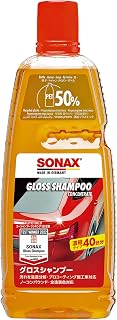
SONAX
Gloss Shampoo Concentrate
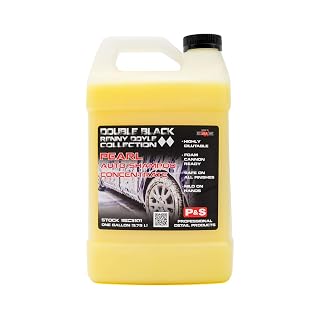
P&S Detail Products
Pearl Auto Shampoo
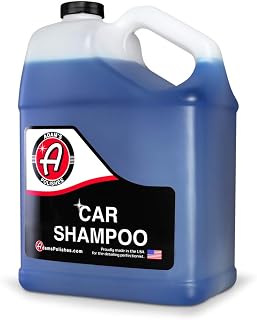
Adam's Polishes
Car Wash Shampoo
As an Amazon Associate I earn from qualifying purchases. Full disclosure

Community
0 postsShare how you use this product
Drop a quick comment or post a full review with photos and a star rating.
Sign in to postNew here? Create a free account.