
Aminosiloxane (Aminoethylaminoisobutyl Methyl Siloxane)
- Silicones
- CAS 831241-93-1
- IUPAC: Dimethyl, methyl aminoethylaminoisobutyl siloxane, methoxy and hydroxy terminated
Aminosiloxane (Aminoethylaminoisobutyl Methyl Siloxane) (CAS 831241-93-1) appears in 6 of the 2,122 car-care products CarCareTruth tracks (as of August 2026).
Skin irritant (H315) and eye irritant (H319) at formulation strength. No inhalation hazard codes; no respiratory sensitizer. Gloves and eye protection warranted during application.
Aminosiloxanes are the reactive ceramic actives in many hybrid ceramic sprays. This proprietary blend — "Dimethyl, Methyl Aminoethylaminoisobutyl siloxane, methoxy and hydroxy terminated" — appears in Optimum Polymer Technologies' formulations. The amine-functional side chains promote adhesion to paint, glass, and clear coat surfaces, while the siloxane backbone forms the hydrophobic film.
The chemistry is organosilicon, not fluoropolymer: there are no PFAS concerns. At the 1–5% use concentration in finished products, the primary hazards are skin irritation (GHS Cat 2, H315) and eye irritation (GHS Cat 2A, H319) — consistent with the mildly reactive amine groups in the molecule. No inhalation hazard codes are associated.
Aquatic biodegradability data is under review per the ECHA database and is not confirmed. The siloxane backbone is persistent in soil and water at high concentrations, though the use amounts in consumer spray products are minimal.
Health & environment profile
- VOC
- no
- Prop 65 listed
- no
- Asthmagen
- no
- EPA Safer Choice
- no
- Aquatic toxicity
- no
- Biodegradable
- no
- Bioaccumulative
- no
- Persistent
- no
- Ozone depleting
- no
- Microplastic
- no
- PFAS
- no
- Env. score
- 4/5
Common questions about Aminosiloxane (Aminoethylaminoisobutyl Methyl Siloxane)
- What is Aminosiloxane (Aminoethylaminoisobutyl Methyl Siloxane) used for in car care?
- Film-forming ceramic active; bonds to paint and glass surfaces via hydrolysis of methoxy/hydroxy terminal groups to create hydrophobic, scratch-resistant protection
- Is Aminosiloxane (Aminoethylaminoisobutyl Methyl Siloxane) a VOC?
- No. Aminosiloxane (Aminoethylaminoisobutyl Methyl Siloxane) is not classified as a volatile organic compound (VOC).
- Is Aminosiloxane (Aminoethylaminoisobutyl Methyl Siloxane) on California's Proposition 65 list?
- No. Aminosiloxane (Aminoethylaminoisobutyl Methyl Siloxane) is not on California's Proposition 65 list.
6 products contain this
 CarPro HydrO2 Foam
car-shampoo
 nextzett Gummi Pflege Rubber Care Stick
weatherstrip-conditioner
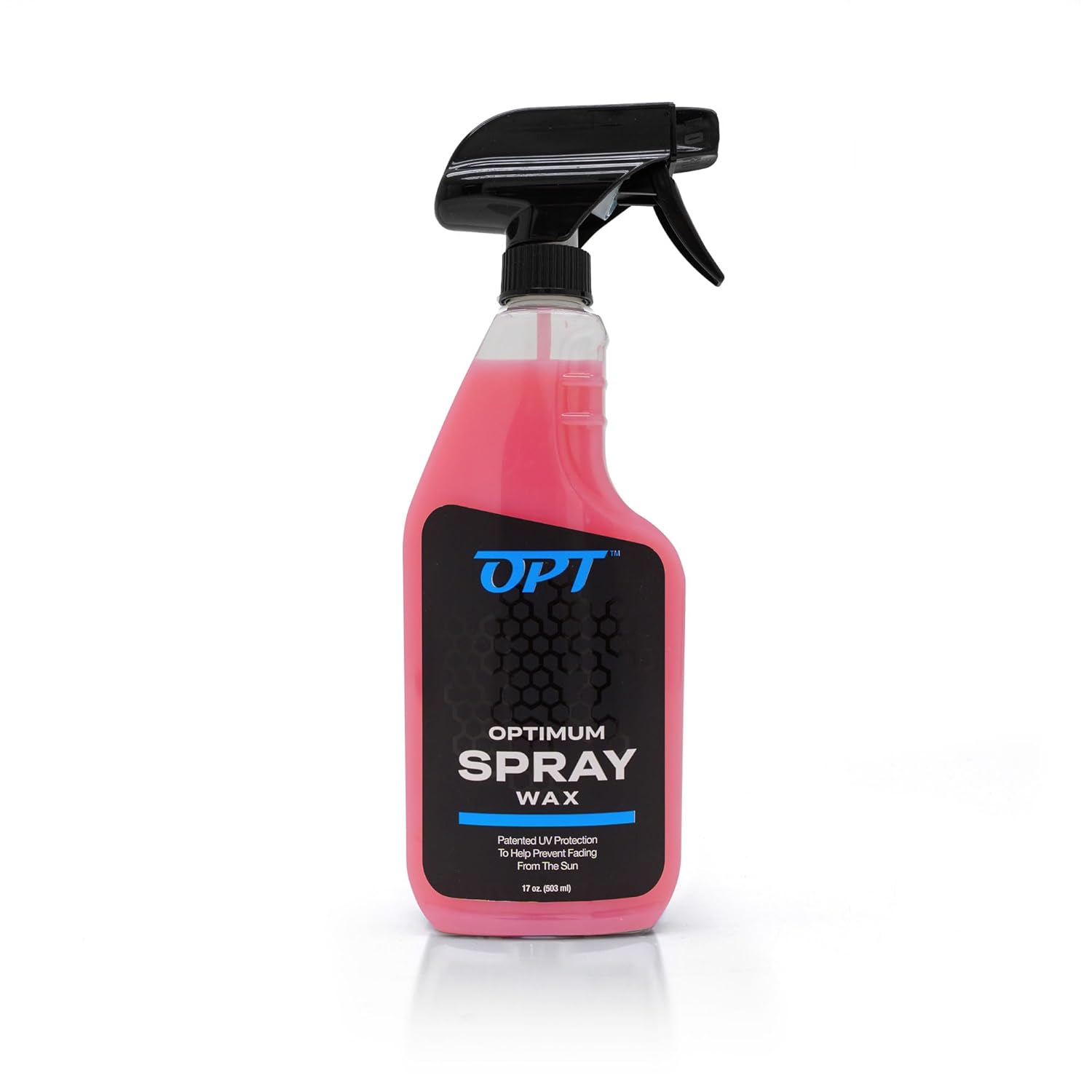 Optimum Car Wax
spray-wax
 Optimum Gloss-Coat
ceramic-coating
 Optimum Ultra Ceramic Seal
ceramic-spray-coating
 Prop 65
Related
Health and environment notes translate the manufacturer Safety Data Sheet, the GHS classification, and authoritative regulatory listings (California Prop 65, EPA). Not medical advice. They describe the ingredient itself; whether a hazard applies to a finished product depends on its concentration and how it's used.