
Zinc Oxide
- Mineral oils
- CAS 1314-13-2
- IUPAC: Oxozinc
Zinc Oxide (CAS 1314-13-2) appears in 8 of the 2,122 car-care products CarCareTruth tracks (as of August 2026).
Zinc oxide fume (from heating) is a known cause of metal fume fever — not relevant for cold-applied grease. At use concentrations in grease, dermal and inhalation risk is low. IARC not classifiable as a human carcinogen in non-respirable form.
Zinc oxide appears as a trace additive (0.1–1%) in some white lithium greases as a mild anti-corrosion and lubricant enhancement agent. In the finely dispersed solid form it imparts a slight white opacity to the grease. Zinc oxide is stable and insoluble in water at neutral pH, which limits aquatic mobility in leave-on lubricant applications.
Zinc is regulated as a CWA toxic pollutant and should not be allowed to enter storm drains in quantity. At the trace concentrations found in greases, the exposure pathway during normal hinge/track lubrication is minimal. The primary environmental concern is cumulative zinc loading in runoff from repeated outdoor applications on surfaces subject to rain washing.
Health & environment profile
- VOC
- no
- Prop 65 listed
- no
- Asthmagen
- no
- EPA Safer Choice
- no
- Aquatic toxicity
- no
- Biodegradable
- no
- Bioaccumulative
- no
- Persistent
- no
- Ozone depleting
- no
- Microplastic
- no
- PFAS
- no
- Env. score
- 3/5
Common questions about Zinc Oxide
- What is Zinc Oxide used for in car care?
- Anti-corrosion additive, mild lubricant enhancer, and white pigment in greases and lubricants
- Is Zinc Oxide a VOC?
- No. Zinc Oxide is not classified as a volatile organic compound (VOC).
- Is Zinc Oxide on California's Proposition 65 list?
- No. Zinc Oxide is not on California's Proposition 65 list.
8 products contain this
 AGS Lith-Ease White Lithium Grease 8 ozProp 65
white-lithium-grease
 B'laster 16-LG High-Performance White Lithium Grease
white-lithium-grease
 CRC 5037 White Lithium Grease (10 oz aerosol)Prop 65
white-lithium-grease
 Liquid Wrench L616 White Lithium GreaseProp 65
white-lithium-grease
 Prop 65
 Permatex 81981 White Lithium Grease, 11 oz. Aerosol CanProp 65
white-lithium-grease
 Rust-Oleum Rust Reformer Spray (10.25 oz)Prop 65
rust-converter
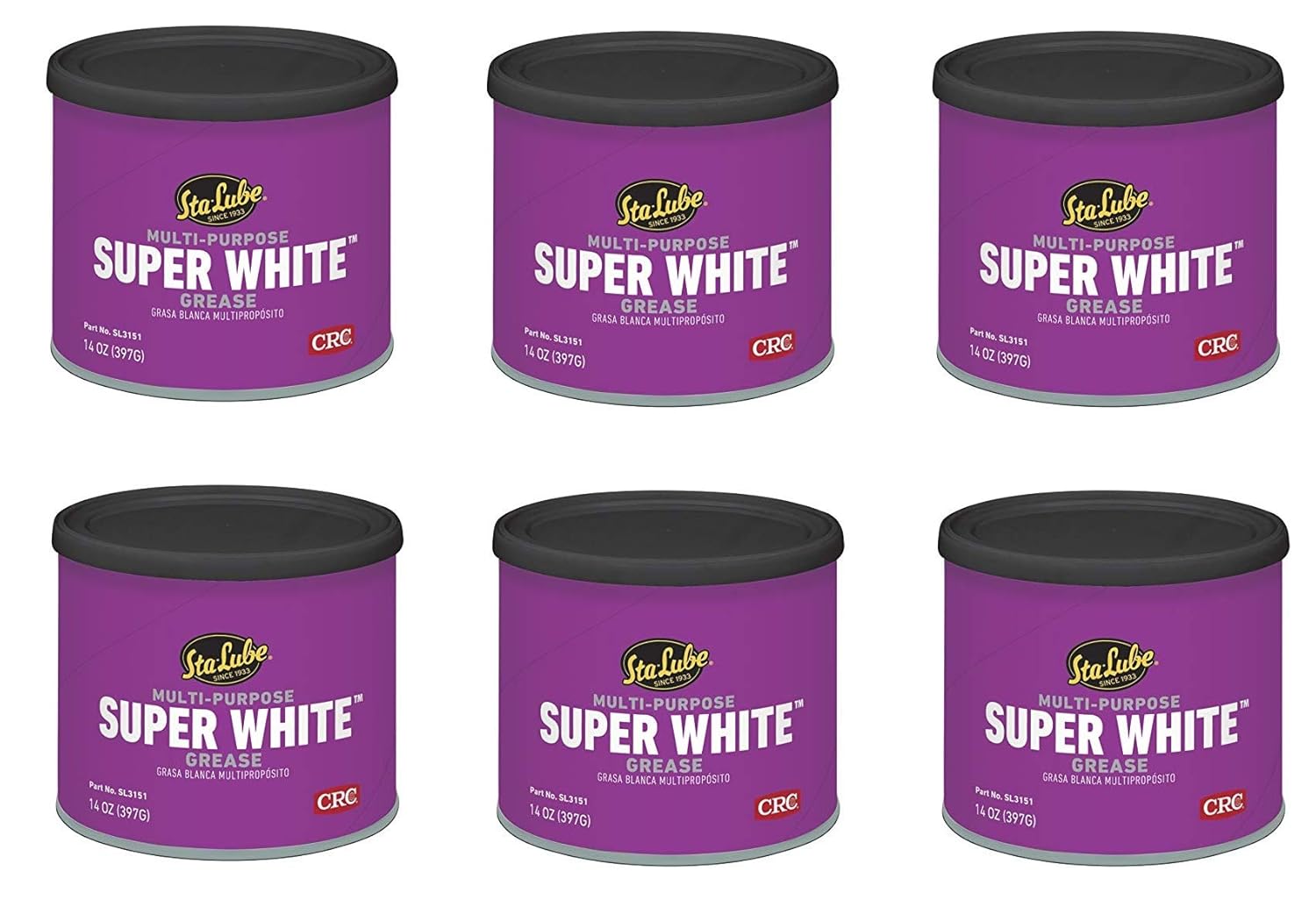 Sta-Lube Super White Multi-Purpose Lithium GreaseProp 65
white-lithium-grease
Related
Health and environment notes translate the manufacturer Safety Data Sheet, the GHS classification, and authoritative regulatory listings (California Prop 65, EPA). Not medical advice. They describe the ingredient itself; whether a hazard applies to a finished product depends on its concentration and how it's used.