
Stoddard Solvent
- Aliphatic solvents
- CAS 8052-41-3
- IUPAC: Stoddard solvent; Low boiling point naphtha - unspecified
Stoddard Solvent (CAS 8052-41-3) appears in 11 of the 2,122 car-care products CarCareTruth tracks (as of August 2026). It is classified as a VOC.
Substance-level classification (REACH/CLP harmonised): Flam. Liq. 3 (H226), STOT RE 1 (H372), Asp. Tox. 1 (H304), Aquatic Chronic 2 (H411). Note P applies — the carcinogen/mutagen classification need not apply if benzene content is below 0.1%. At sub-3% mixture concentrations the product-level US OSHA HCS classification typically reduces to STOT RE Cat 2 (H373, WARNING). The chronic-target-organ flag is the dominant health concern; aspiration hazard is relevant only if the concentrated liquid were swallowed.
Stoddard solvent (CAS 8052-41-3) is a petroleum-derived light naphtha fraction historically used as a dry-cleaning solvent and now common as a co-solvent or carrier in detailing chemistry — particularly spray sealants where a hydrocarbon medium helps disperse silicone/siloxane actives and dissolve residual paint contaminants. At the substance level it carries a harmonised STOT RE 1 (H372) classification with Note P (the carcinogen classification is voided when benzene content is below 0.1% w/w, which manufacturer-grade Stoddard solvent typically satisfies).
The chronic systemic-toxicity flag is the consumer-relevant concern. STOT RE classifications apply when repeated exposure over time can affect target organs (liver, kidneys, hematopoietic system) at concentrations that would not produce acute effects from a single use. In a wash-stage spray sealant used a few times per month, the lifetime exposure is low; in a professional detailer's daily workflow with multiple sealant applications per shift in an enclosed bay, the exposure scenario warrants ventilation and gloves. Aspiration toxicity (H304) is a packaging/swallowing hazard, not a routine-use hazard.
Environmentally, the constituent is moderately aquatic-toxic and not readily biodegradable. Rinse-off into storm drains is the realistic pathway when present in a spray sealant; soil persistence is on the order of weeks. The aromatic content of common Stoddard formulations is what drives the aquatic-chronic H411 ingredient classification, not the aliphatic backbone.
Health & environment profile
- VOC
- yes
- Prop 65 listed
- no
- Asthmagen
- no
- EPA Safer Choice
- no
- Aquatic toxicity
- yes
- Biodegradable
- no
- Bioaccumulative
- no
- Persistent
- yes
- Ozone depleting
- no
- Microplastic
- no
- PFAS
- no
- Env. score
- 3/5
Common questions about Stoddard Solvent
- What is Stoddard Solvent used for in car care?
- Low-boiling petroleum naphtha used as a co-solvent in spray sealants and detailing products to dissolve hydrocarbon residues and aid film formation of silicone/siloxane actives.
- Is Stoddard Solvent a VOC?
- Yes. Stoddard Solvent is classified as a volatile organic compound (VOC).
- Is Stoddard Solvent on California's Proposition 65 list?
- No. Stoddard Solvent is not on California's Proposition 65 list.
11 products contain this
 Adam's Polishes VRT Vinyl, Rubber & Trim ProtectantProp 65
exterior-dressing
 CarPro Cquartz UK 3.0Prop 65
ceramic-coating
 CarPro DLUX Wheel and Trim Coating 30mL
wheel-coating
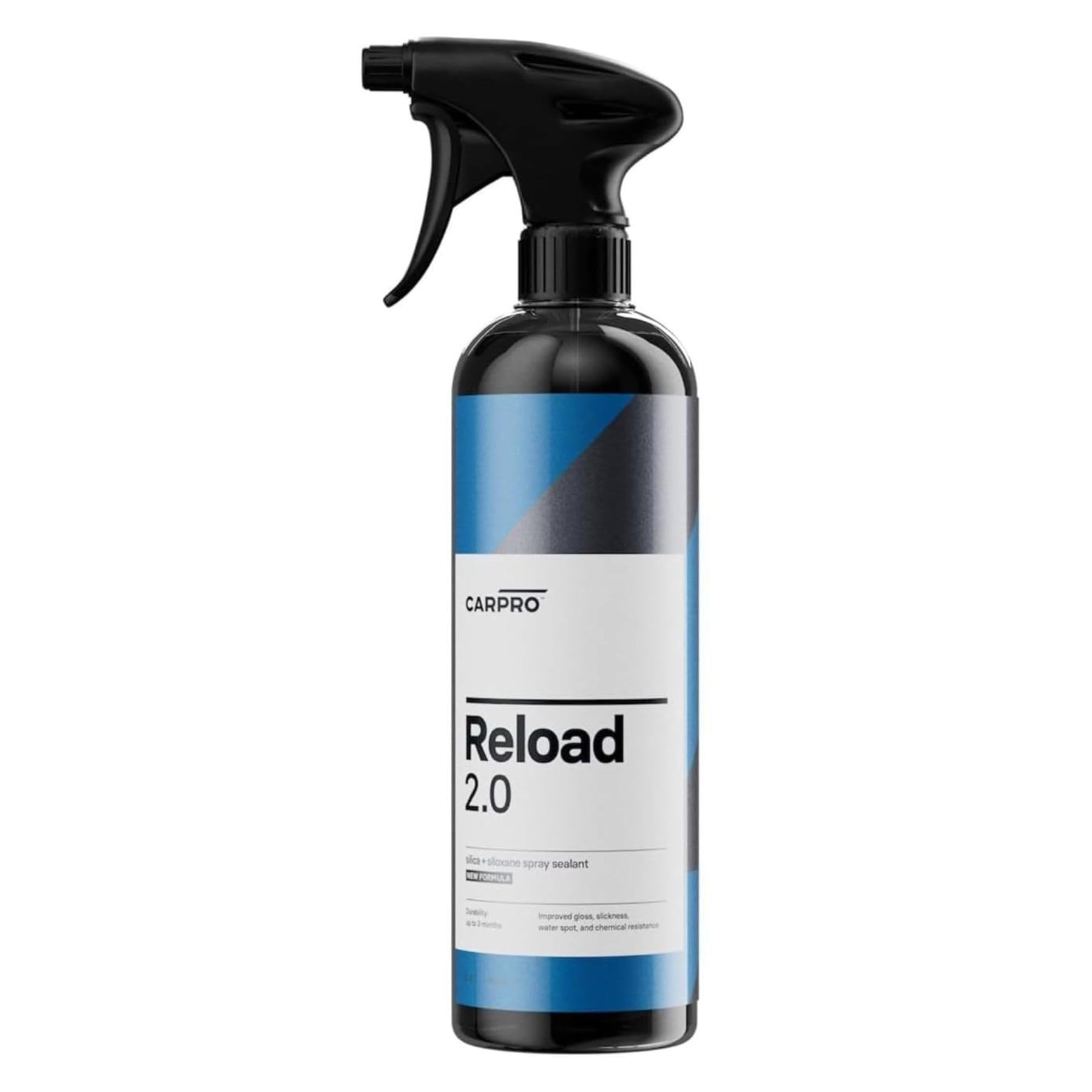 CarPro Reload 2.0 Spray Sealant
ceramic-booster
 CRC Motor TreatmentProp 65
fuel-system-cleaner
 Gyeon CanCoat EVOProp 65
ceramic-coating
 Gyeon Q² Fabric Coat (4.06 fl oz)
fabric-protectant
 Gyeon Q2 Rim EVOProp 65
wheel-coating
 Gyeon Q² Trim EVOProp 65
trim-coating
 Liquid Wrench Lubricating Oil L212 (11 oz aerosol)Prop 65
multi-purpose-lubricant
 Liquid Wrench Silicone Spray Lubricant (11 oz aerosol)Prop 65
silicone-spray
Related
Health and environment notes translate the manufacturer Safety Data Sheet, the GHS classification, and authoritative regulatory listings (California Prop 65, EPA). Not medical advice. They describe the ingredient itself; whether a hazard applies to a finished product depends on its concentration and how it's used.