
Polyethylene Glycol
- Polymers
- CAS 25322-68-3
- IUPAC: Poly(oxyethylene)
Polyethylene Glycol (CAS 25322-68-3) appears in 15 of the 2,122 car-care products CarCareTruth tracks (as of August 2026). It is readily biodegradable.
Low acute toxicity. Generally regarded as safe (GRAS) by FDA for food and pharmaceutical applications. OEL exposure limits may apply for occupational dust exposure to solid PEG forms.
Polyethylene glycol (PEG) is a water-soluble polymer used across consumer product, pharmaceutical, and industrial applications. In car care products, PEG serves as a humectant, viscosity modifier, or emulsion stabilizer. Low acute toxicity and confirmed biodegradability for lower molecular weight grades. The SDS may note exposure limits for occupational handling of solid forms, but at typical liquid-product concentrations the health concern is negligible.
Related: Is Brake Fluid Toxic? Read the full SDS breakdown of the glycol-ether brake fluids this polymer appears in.
Health & environment profile
- VOC
- no
- Prop 65 listed
- no
- Asthmagen
- no
- EPA Safer Choice
- no
- Aquatic toxicity
- no
- Biodegradable
- yes
- Bioaccumulative
- no
- Persistent
- no
- Ozone depleting
- no
- Microplastic
- no
- PFAS
- no
- Env. score
- 4/5
Common questions about Polyethylene Glycol
- What is Polyethylene Glycol used for in car care?
- Humectant / viscosity modifier / emulsion stabilizer
- Is Polyethylene Glycol a VOC?
- No. Polyethylene Glycol is not classified as a volatile organic compound (VOC).
- Is Polyethylene Glycol on California's Proposition 65 list?
- No. Polyethylene Glycol is not on California's Proposition 65 list.
- Is Polyethylene Glycol biodegradable?
- Yes. Polyethylene Glycol has a confirmed biodegradable profile.
15 products contain this
 303 Products 303 Aerospace Protectant (32 oz)Prop 65
dashboard-protectant
 303 Products 303 Automotive Protectant (16 oz)Prop 65
dashboard-protectant
 Adam's Polishes All Purpose Dressing
engine-bay-dressing
 Adam's Polishes Interior Detailer (Eucalyptus Mint)
interior-detailer
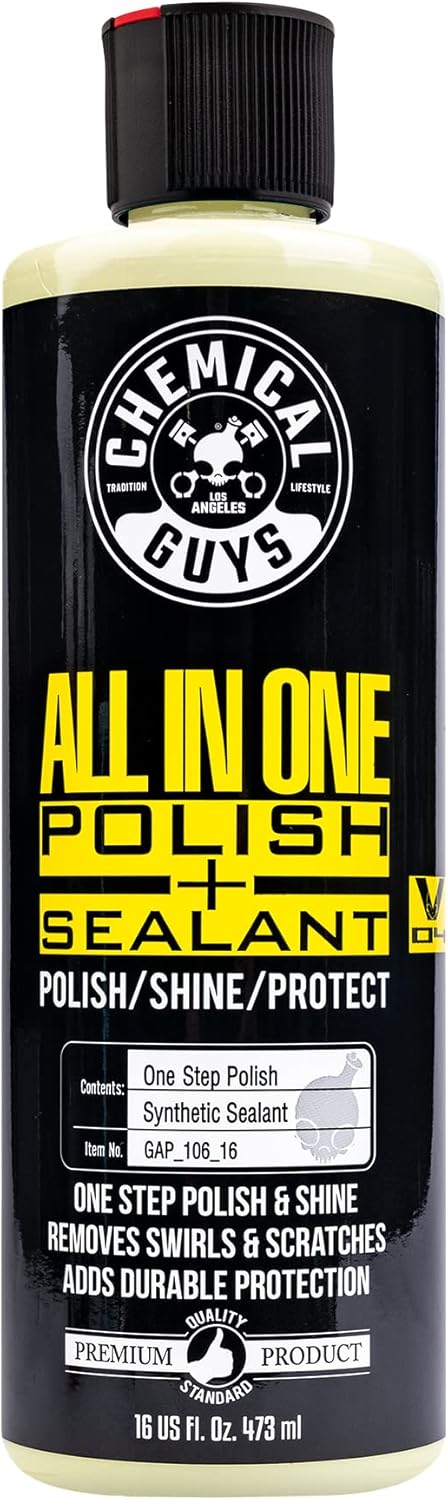 Chemical Guys V4 All-in-One Polish + Sealant
one-step-polish
 Chemical Guys Headlight Restore and Protect
headlight-restoration

 Chemical Guys Leather Quick DetailerProp 65
leather-conditioner
 Chemical Guys Silk Shine Tire and Trim Dressing
tire-dressing

 Chemical Guys V38 Optical Grade Final Polish
finishing-polish
 Chemical Guys Vintage Series Leather ConditionerProp 65
leather-conditioner

 Folex Professional Carpet Spot Remover
carpet-cleaner
 Griot's Garage Leather 3-in-1 SprayProp 65
leather-care
Related
Health and environment notes translate the manufacturer Safety Data Sheet, the GHS classification, and authoritative regulatory listings (California Prop 65, EPA). Not medical advice. They describe the ingredient itself; whether a hazard applies to a finished product depends on its concentration and how it's used.