
Carnauba Wax
- Waxes
- CAS 8015-86-9
- IUPAC: Copernicia cerifera wax
Carnauba Wax (CAS 8015-86-9) appears in 20 of the 2,122 car-care products CarCareTruth tracks (as of August 2026). It is readily biodegradable.
Not classified as hazardous under GHS. FDA-permitted as a food additive (used on candy coatings and fruit-wax glazes) and a common cosmetic ingredient. Not a known skin sensitizer or irritant at use concentrations.
Carnauba wax comes from the leaves of the Brazilian palm tree Copernicia prunifera. It's the hardest natural wax known — harder than beeswax or candelilla — which is why it produces that deep, warm gloss that synthetic polymers can't replicate.
In car care, it's been the gold standard since the 1900s. Pure carnauba melts at 82-86°C, which is why it survives on hot hoods and roofs. The tradeoff vs. synthetics is durability: pure carnauba lasts 3-8 weeks depending on conditions, while polymer sealants last months.
Completely safe — used in food-grade applications (M&M coatings, fruit wax) and cosmetics (lipstick, mascara). No environmental concerns whatsoever.
Health & environment profile
- VOC
- no
- Prop 65 listed
- no
- Asthmagen
- no
- EPA Safer Choice
- no
- Aquatic toxicity
- no
- Biodegradable
- yes
- Bioaccumulative
- no
- Persistent
- no
- Ozone depleting
- no
- Microplastic
- no
- PFAS
- no
- Env. score
- 5/5
Common questions about Carnauba Wax
- What is Carnauba Wax used for in car care?
- Natural protection wax — gloss, depth, water repellency
- Is Carnauba Wax a VOC?
- No. Carnauba Wax is not classified as a volatile organic compound (VOC).
- Is Carnauba Wax on California's Proposition 65 list?
- No. Carnauba Wax is not on California's Proposition 65 list.
- Is Carnauba Wax biodegradable?
- Yes. Carnauba Wax has a confirmed biodegradable profile.
20 products contain this

 Adam's Polishes Adam's Buttery WaxProp 65
liquid-wax
 Adam's Polishes Spray Wax
spray-wax
 Armor All Extreme Shield Protect & Shine Ceramic WaxProp 65
ceramic-spray-coating
 Autoglym Rapid Aqua Wax
spray-wax

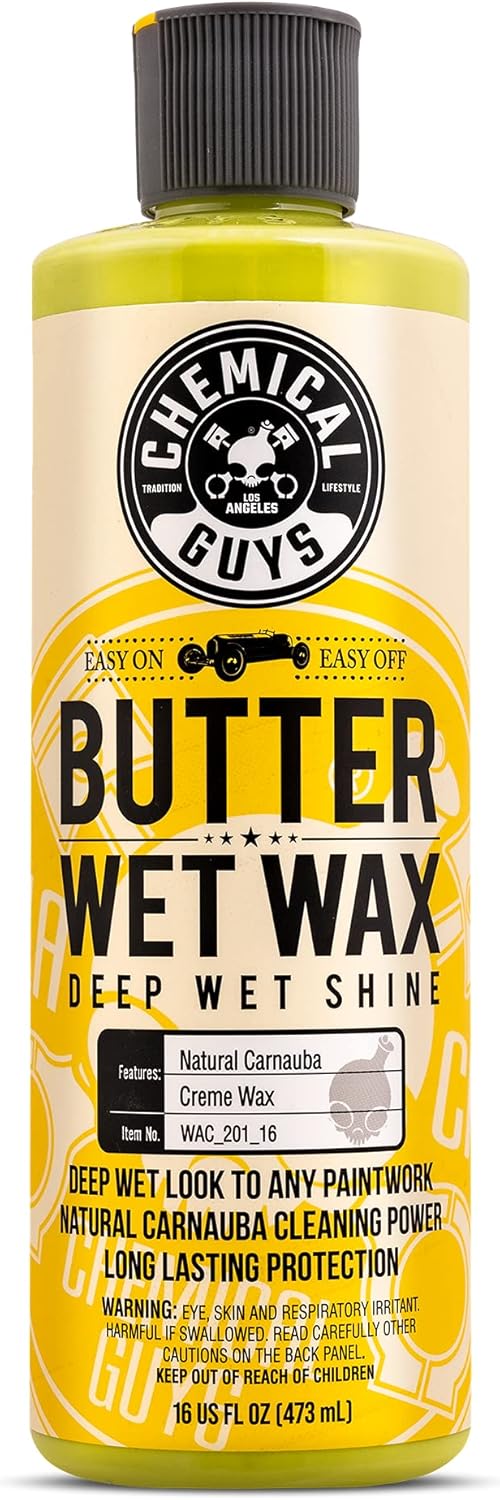 Chemical Guys Butter Wet Wax
liquid-wax
 Chemical Guys InnerClean Interior Quick Detailer
interior-detailer
 Griot's Garage Leather 3-in-1 SprayProp 65
leather-care
 Prop 65
 Prop 65
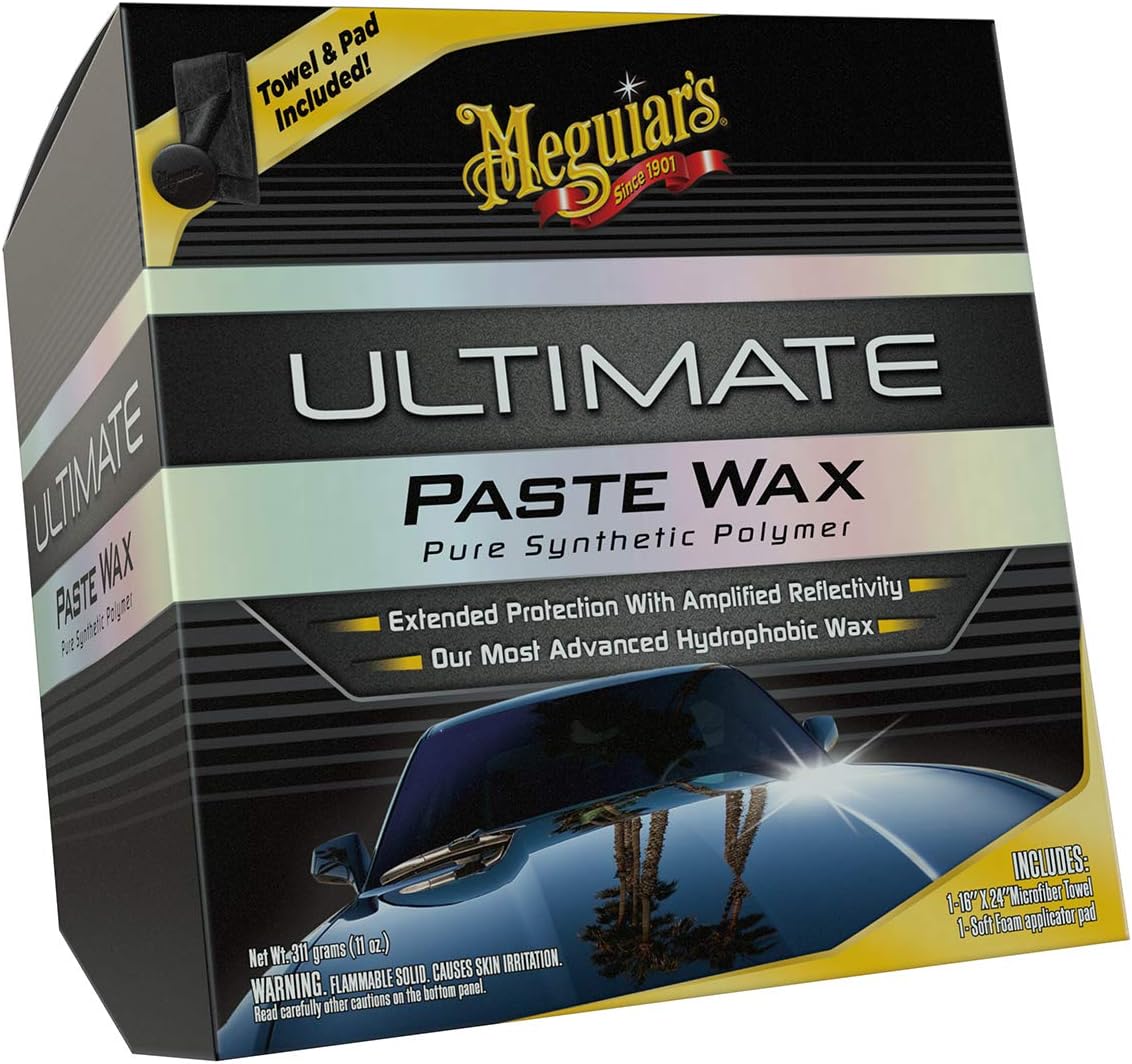 Meguiar's Ultimate Paste WaxProp 65
paste-wax
 Prop 65
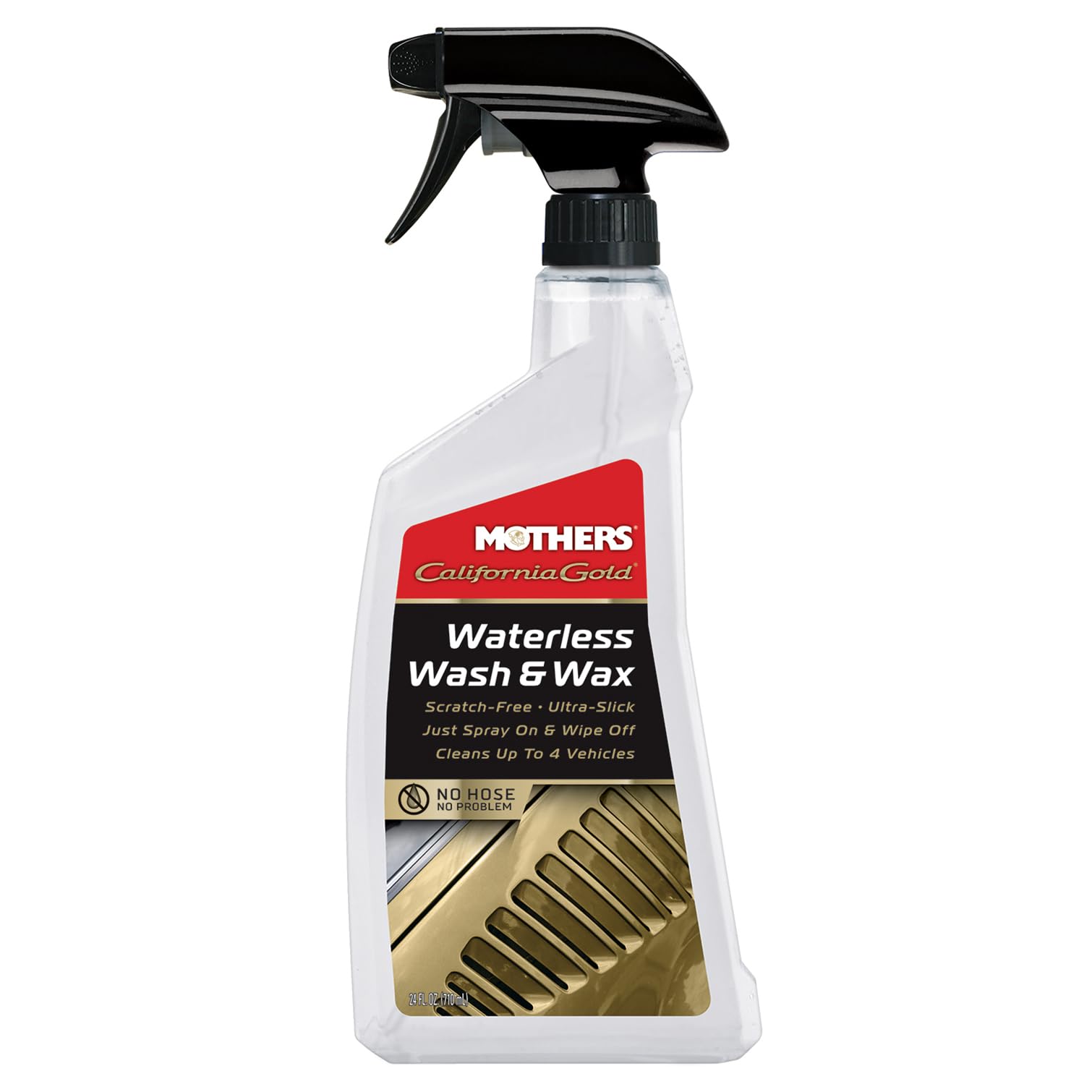 Mothers California Gold Waterless Wash & WaxProp 65
waterless-wash
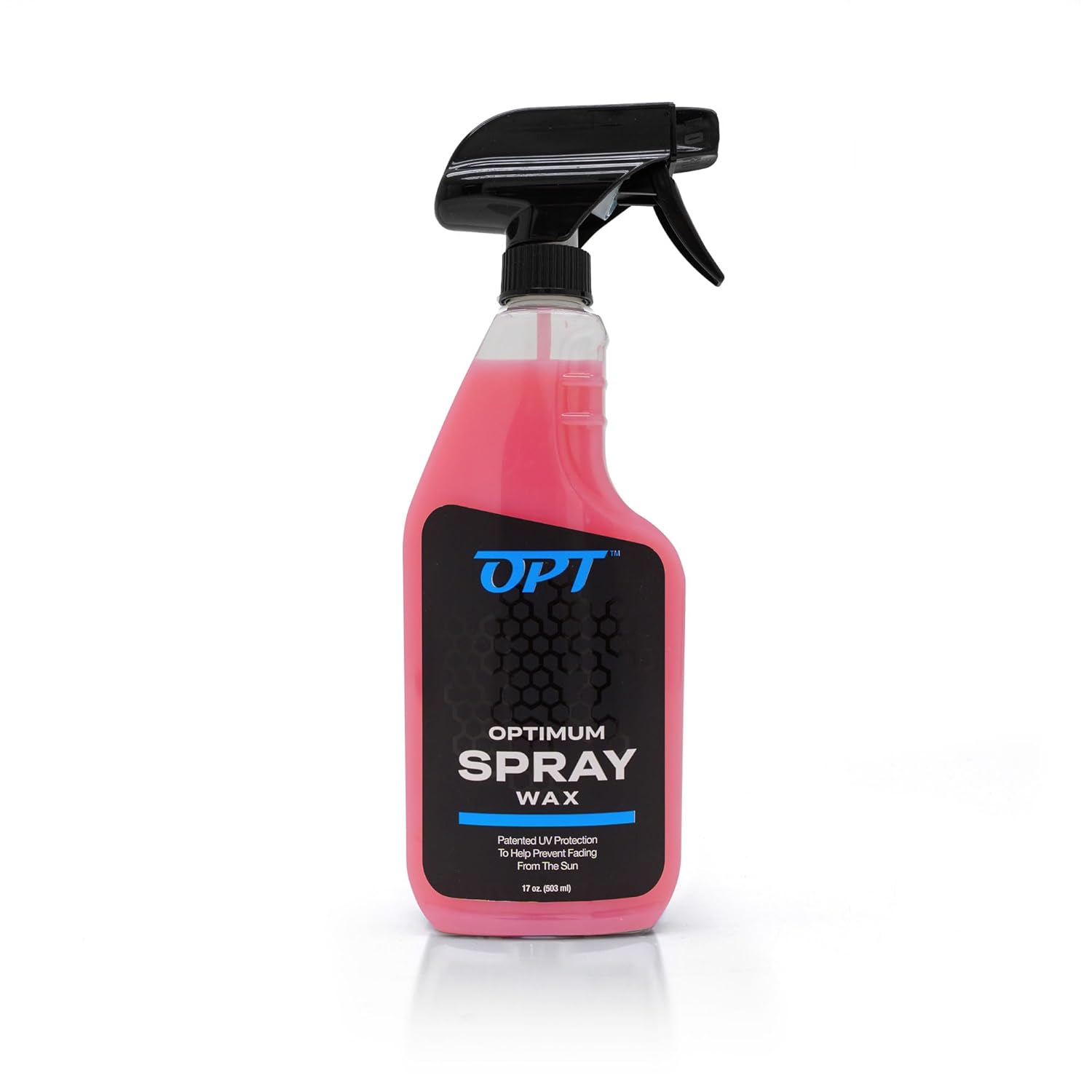 Optimum Car Wax
spray-wax
 Optimum No Rinse Wash & Shine (ONR Version 5)
rinseless-wash
 P21S 100% Carnauba Wax
paste-wax
 P21S Concours-look Carnauba WaxProp 65
paste-wax
 Torque Detail Mirror Shine
ceramic-spray-coating
 Turtle Wax ICE Spray WaxProp 65
spray-wax
Related
Health and environment notes translate the manufacturer Safety Data Sheet, the GHS classification, and authoritative regulatory listings (California Prop 65, EPA). Not medical advice. They describe the ingredient itself; whether a hazard applies to a finished product depends on its concentration and how it's used.