
Alcohols, C9-C11 Ethoxylated
- Nonionic surfactants
- CAS 68439-46-3
- IUPAC: Alcohols, C9-11, ethoxylated
Alcohols, C9-C11 Ethoxylated (CAS 68439-46-3) appears in 24 of the 2,122 car-care products CarCareTruth tracks (as of August 2026). It is readily biodegradable.
H302 (harmful if swallowed), H312 (harmful in skin contact), H318 (serious eye damage) at ingredient level. At product-level dilutions in detergent formulations, primary concern is eye contact. Skin sensitization not classified.
Ethoxylated C9–C11 alcohols are nonionic surfactants derived from petrochemical or oleochemical alcohols and ethylene oxide. They appear in a wide range of cleaning and detailing products as emulsifiers, wetting agents, and coupling agents. The ethoxylation degree (number of ethylene oxide units) governs HLB and foaming behavior.
At product concentrations (1–10%), the primary hazard is eye and skin irritation. At ingredient level, serious eye damage (H318) classification reflects undiluted ingredient testing.
Health & environment profile
- VOC
- no
- Prop 65 listed
- no
- Asthmagen
- no
- EPA Safer Choice
- no
- Aquatic toxicity
- yes
- Biodegradable
- yes
- Bioaccumulative
- no
- Persistent
- no
- Ozone depleting
- no
- Microplastic
- no
- PFAS
- no
- Env. score
- 3/5
Common questions about Alcohols, C9-C11 Ethoxylated
- What is Alcohols, C9-C11 Ethoxylated used for in car care?
- Nonionic wetting and emulsifying surfactant; broad surface compatibility, low-foaming
- Is Alcohols, C9-C11 Ethoxylated a VOC?
- No. Alcohols, C9-C11 Ethoxylated is not classified as a volatile organic compound (VOC).
- Is Alcohols, C9-C11 Ethoxylated on California's Proposition 65 list?
- No. Alcohols, C9-C11 Ethoxylated is not on California's Proposition 65 list.
- Is Alcohols, C9-C11 Ethoxylated biodegradable?
- Yes. Alcohols, C9-C11 Ethoxylated has a confirmed biodegradable profile.
24 products contain this
 3D Car Care All Purpose Cleaner
all-purpose-cleaner
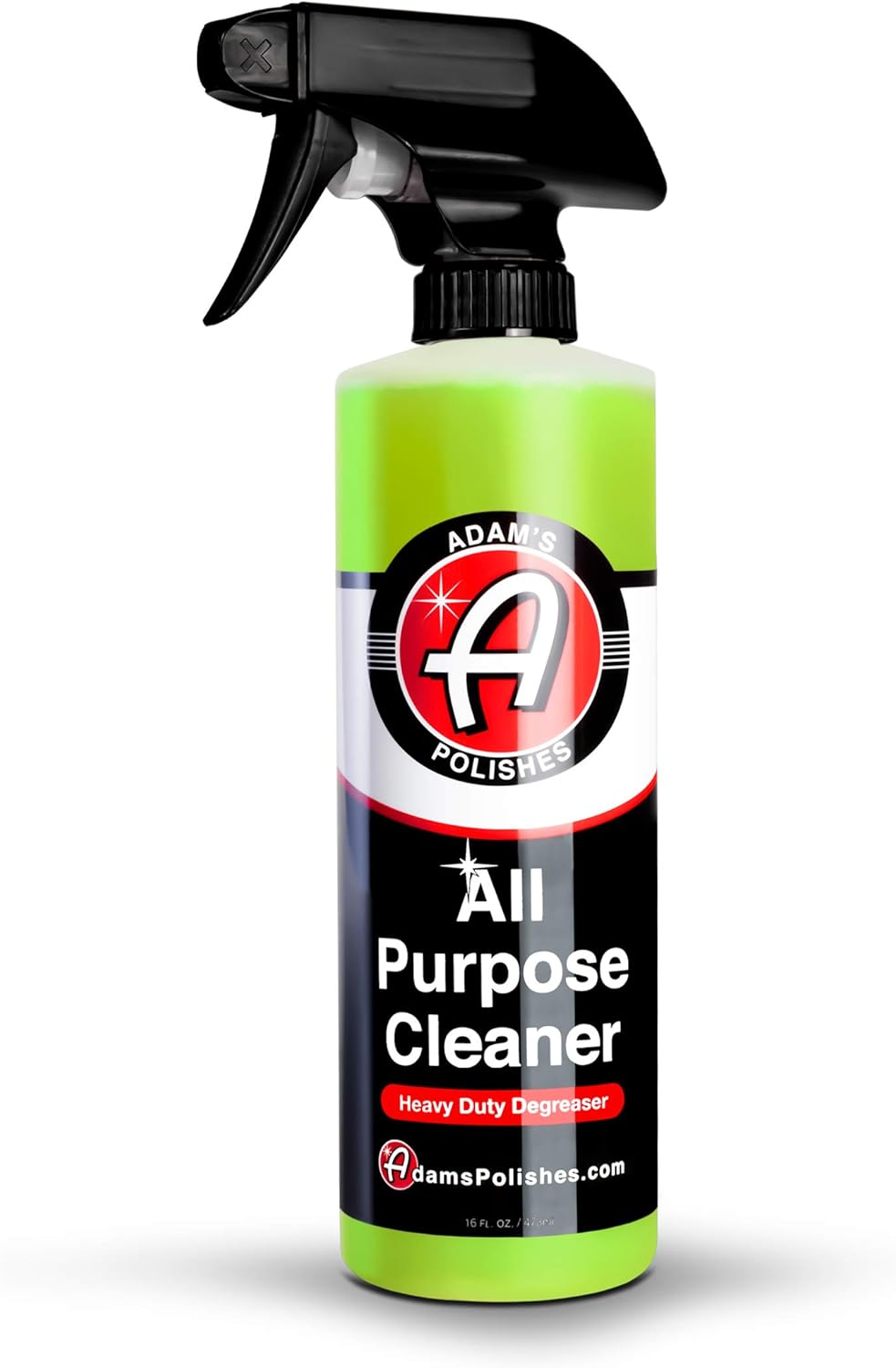 Adam's Polishes All Purpose CleanerProp 65
all-purpose-cleaner
 Adam's Polishes All Purpose Dressing
engine-bay-dressing
 Adam's Polishes Carpet Extractor Shampoo
carpet-cleaner
 Adam's Polishes Extractor Shampoo
extractor-solution
 Adam's Polishes Total Interior Cleaner & Protectant
dashboard-protectant
 Armor All Original ProtectantProp 65
exterior-dressing
 Armor All Ultra Shine ProtectantProp 65
dashboard-protectant
 Bilt Hamber Auto-Foam (5 L)
pre-wash
 BISSELL PRO OXY Spot & Stain Portable Machine Formula
extractor-solution

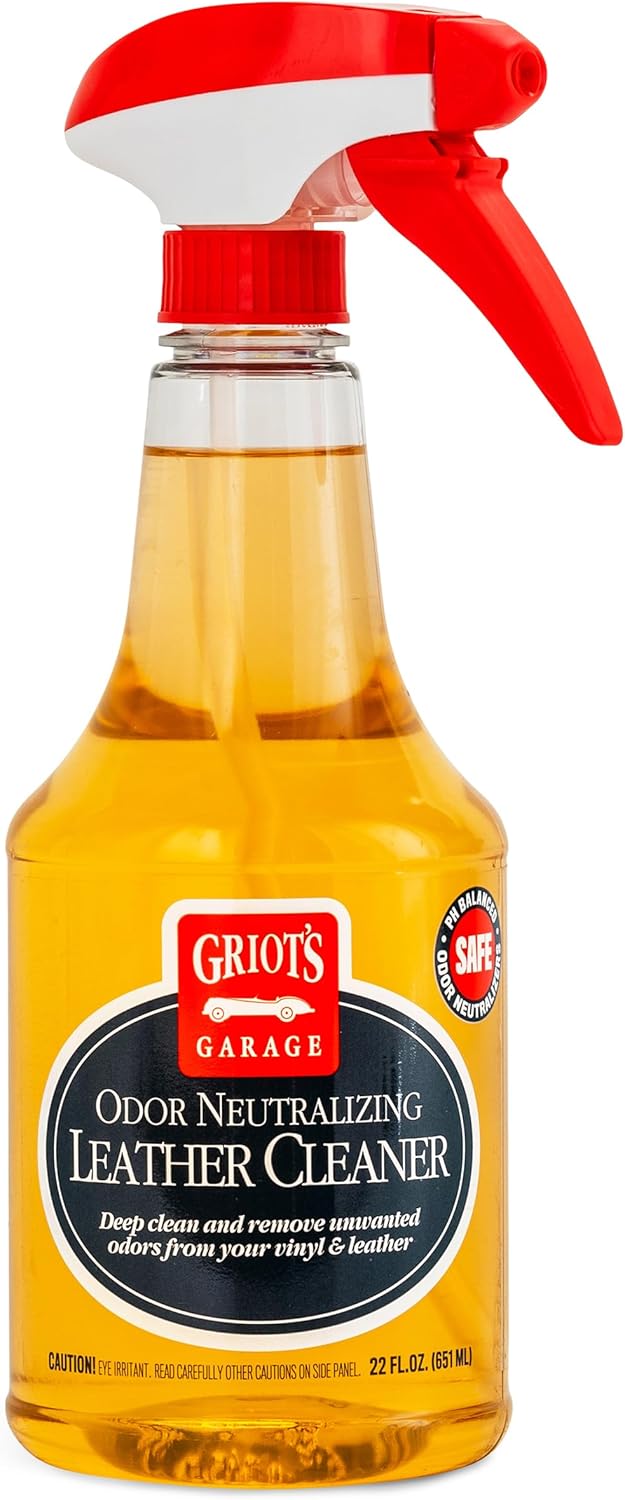 Griot's Garage Odor Neutralizing Leather CleanerProp 65
leather-cleaner
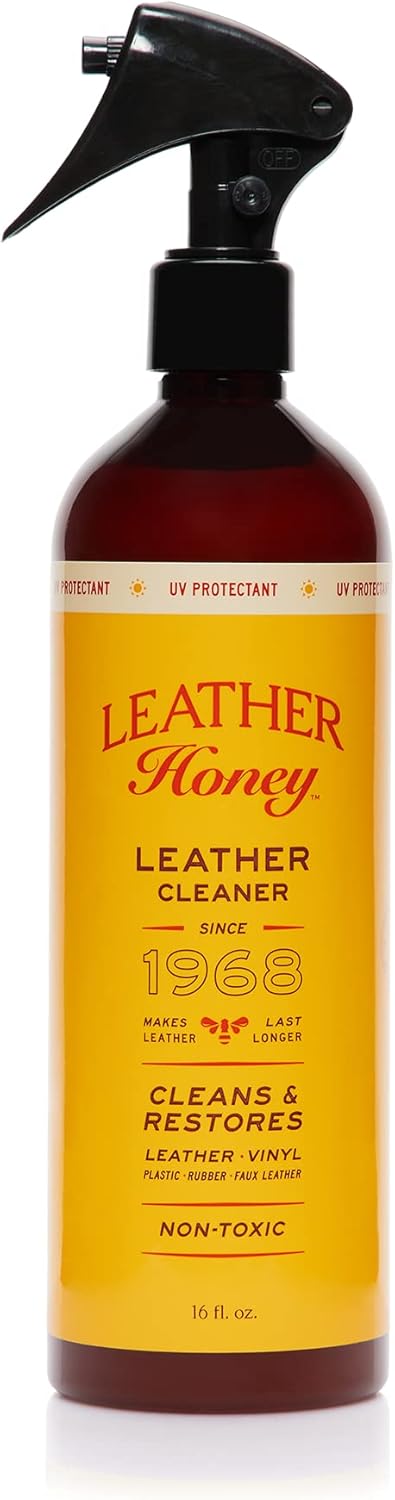 Leather Honey Leather Cleaner Spray with Protectant
leather-cleaner
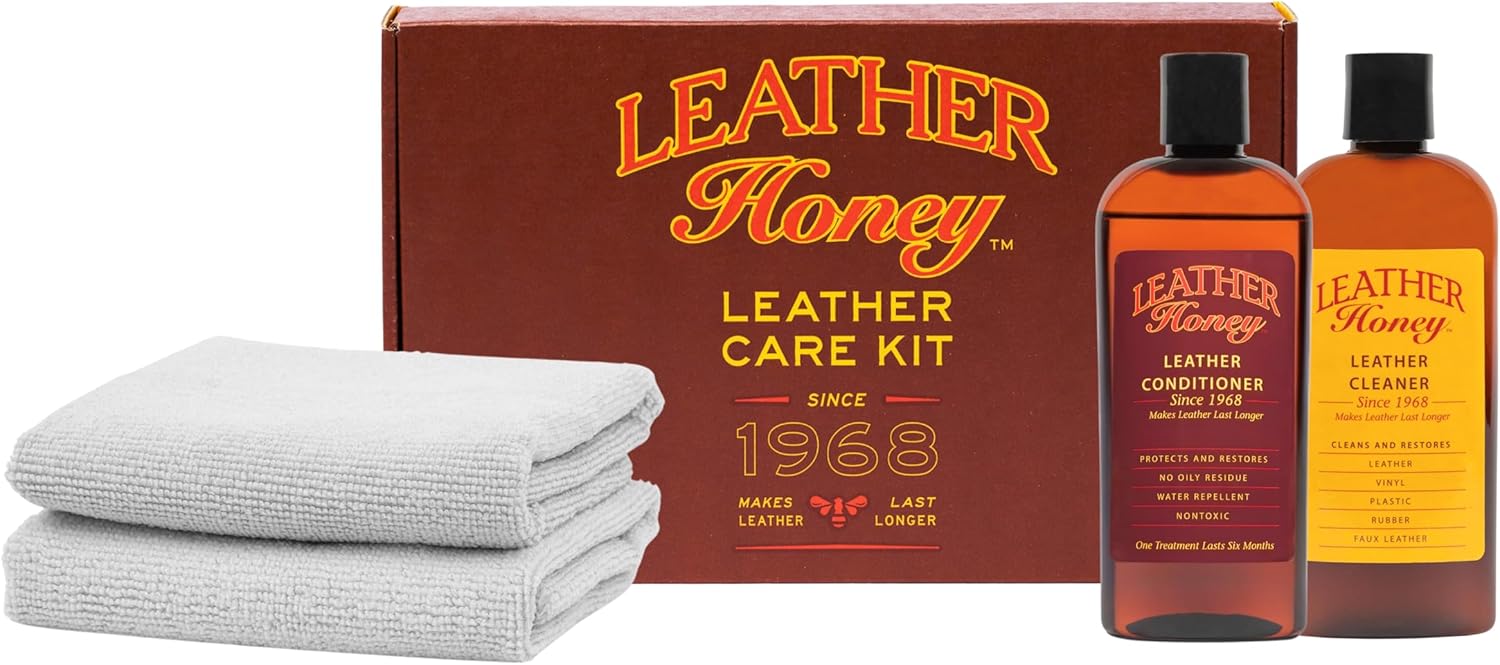 Leather Honey Complete Leather Care Kit
leather-care
 Meguiar's Carpet & Upholstery Cleaner G9719Prop 65
fabric-upholstery-cleaner
 Meguiar's Wheel BrightenerProp 65
wheel-cleaner
 Optimum Interior Cleaner
plastic-trim-cleaner
 Optimum Power Clean
all-purpose-cleaner
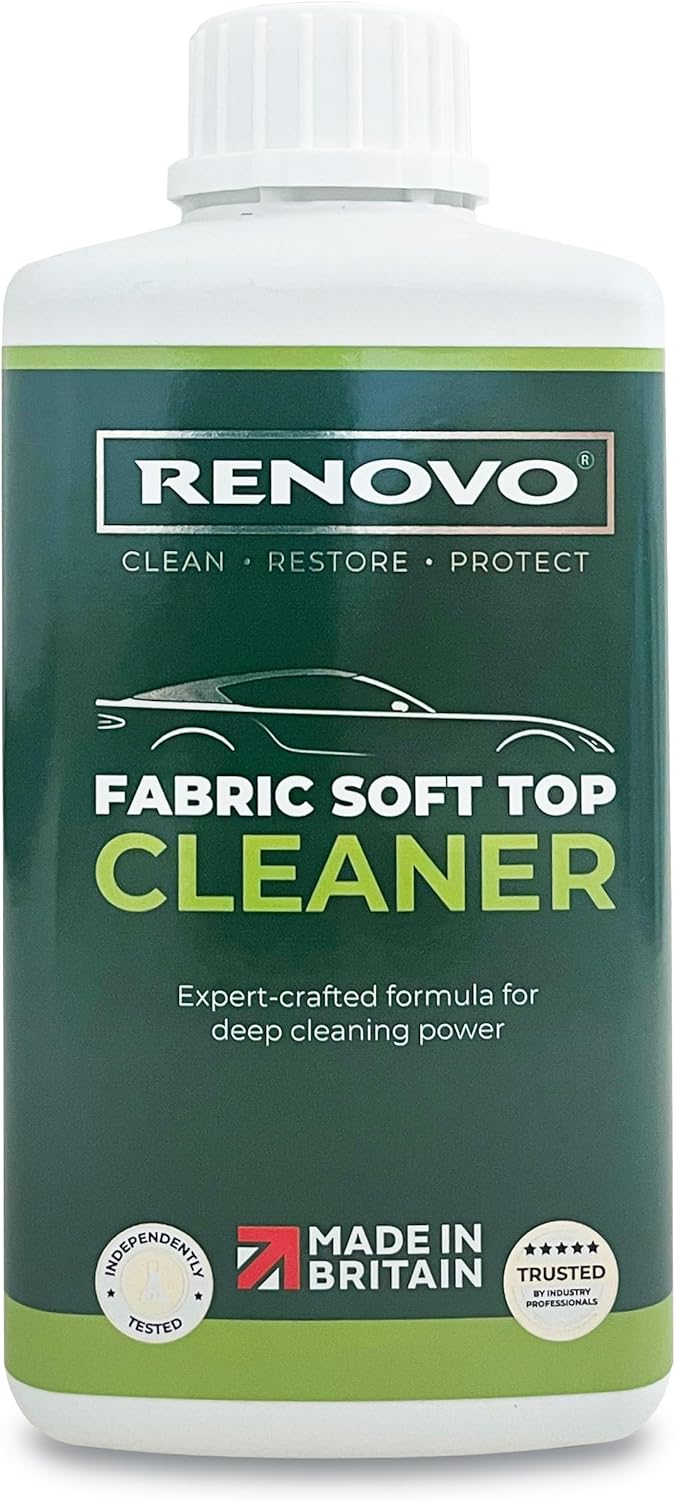 Renovo Fabric Soft Top Cleaner
convertible-top-cleaner
 Rocco & Roxie Carpet Cleaner Solution for Pets
extractor-solution
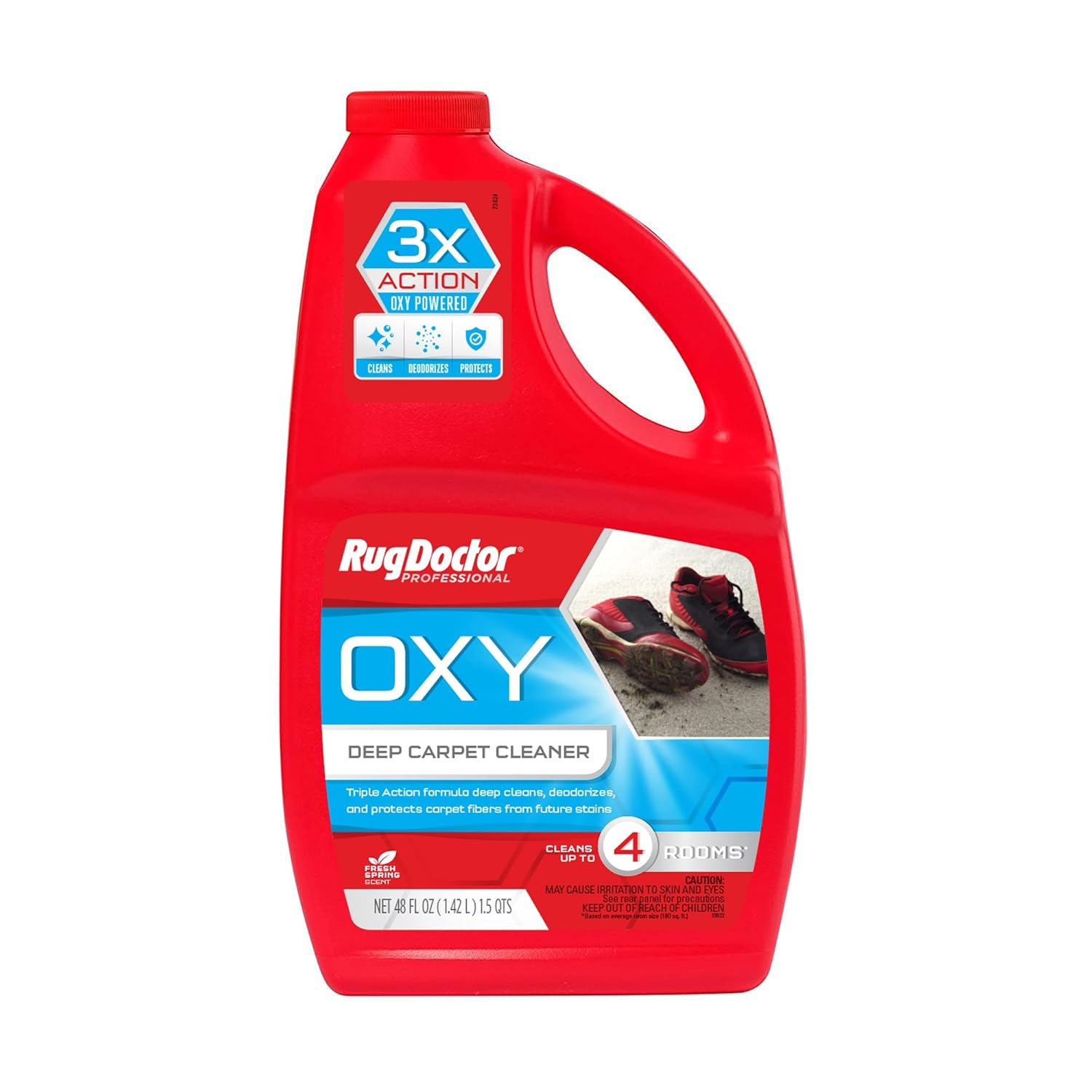 Rug Doctor Triple Action Oxy Deep Carpet Cleaner
extractor-solution
 TriNova Faux Leather Cleaner & ConditionerProp 65
leather-care
 Prop 65
Related
Health and environment notes translate the manufacturer Safety Data Sheet, the GHS classification, and authoritative regulatory listings (California Prop 65, EPA). Not medical advice. They describe the ingredient itself; whether a hazard applies to a finished product depends on its concentration and how it's used.