
Acrylic Polymer
- Polymers
Acrylic Polymer appears in 13 of the 2,122 car-care products CarCareTruth tracks (as of August 2026).
Low toxicity in polymerized form. Not classified as hazardous under GHS at typical product concentrations.
Acrylic polymers are synthetic film-forming agents used in automotive interior protectants to create a durable, transparent coating on plastic, vinyl, and rubber surfaces. They work alongside silicones to enhance gloss retention and surface protection. Proprietary blends are common — manufacturers rarely disclose specific acrylic copolymer compositions. CAS numbers vary by formulation and are typically listed as proprietary in SDS §15 regulatory disclosures.
Health & environment profile
- VOC
- no
- Prop 65 listed
- no
- Asthmagen
- no
- EPA Safer Choice
- no
- Aquatic toxicity
- no
- Biodegradable
- no
- Bioaccumulative
- no
- Persistent
- no
- Ozone depleting
- no
- Microplastic
- no
- PFAS
- no
- Env. score
- 4/5
Common questions about Acrylic Polymer
- What is Acrylic Polymer used for in car care?
- Film former and surface protectant in interior protectants and coatings
- Is Acrylic Polymer a VOC?
- No. Acrylic Polymer is not classified as a volatile organic compound (VOC).
- Is Acrylic Polymer on California's Proposition 65 list?
- No. Acrylic Polymer is not on California's Proposition 65 list.
13 products contain this
 3M Ultra Headlight Restoration Kit (39195)
headlight-restoration-kit
 Adam's Polishes All Purpose Dressing
engine-bay-dressing
 Armor All Extreme Shield Protect & Shine Ceramic WaxProp 65
ceramic-spray-coating
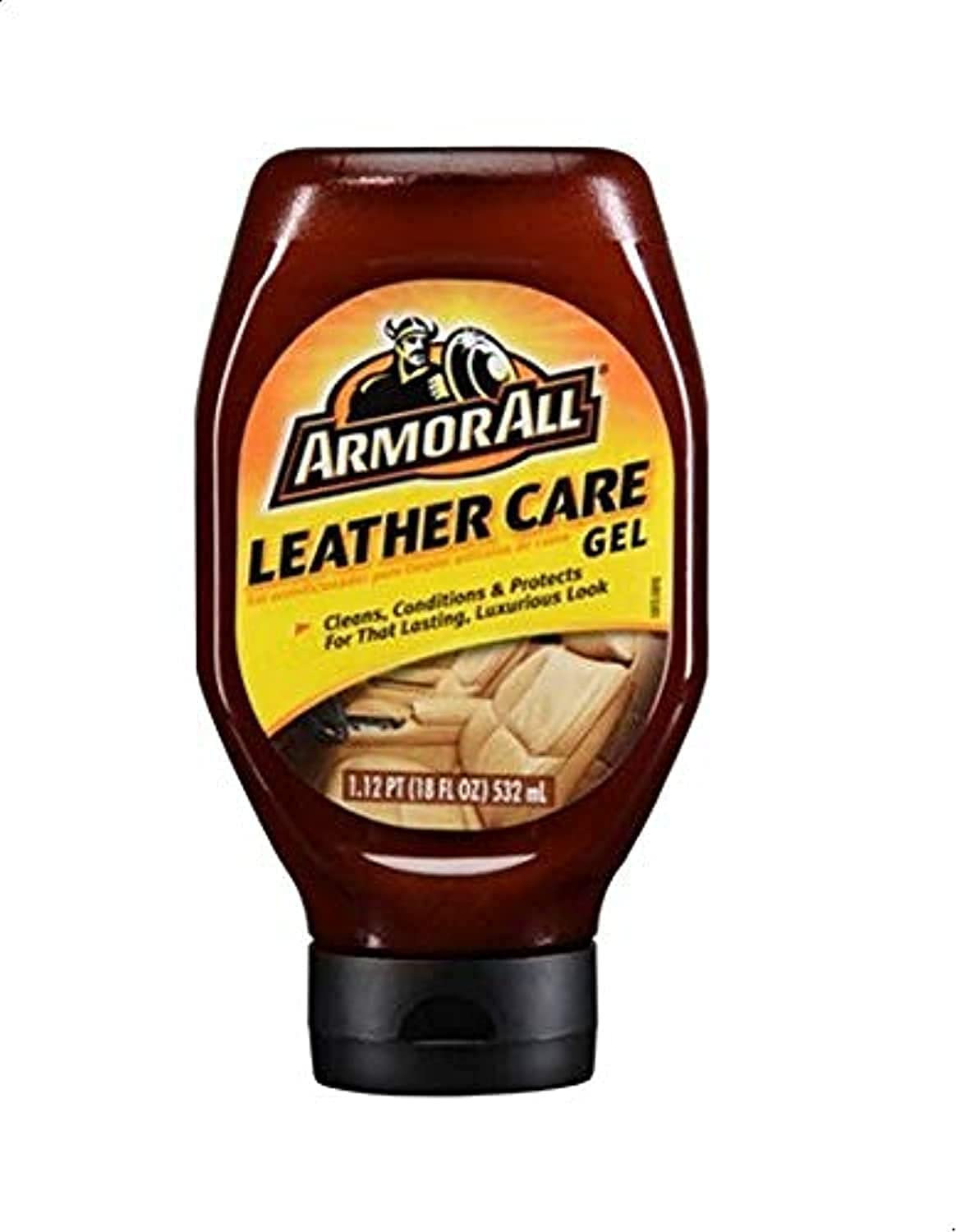 Armor All Leather Care GelProp 65
leather-care
 Armor All Original ProtectantProp 65
exterior-dressing
 Armor All Ultra Shine ProtectantProp 65
dashboard-protectant
 Griot's Garage Leather 3-in-1 SprayProp 65
leather-care
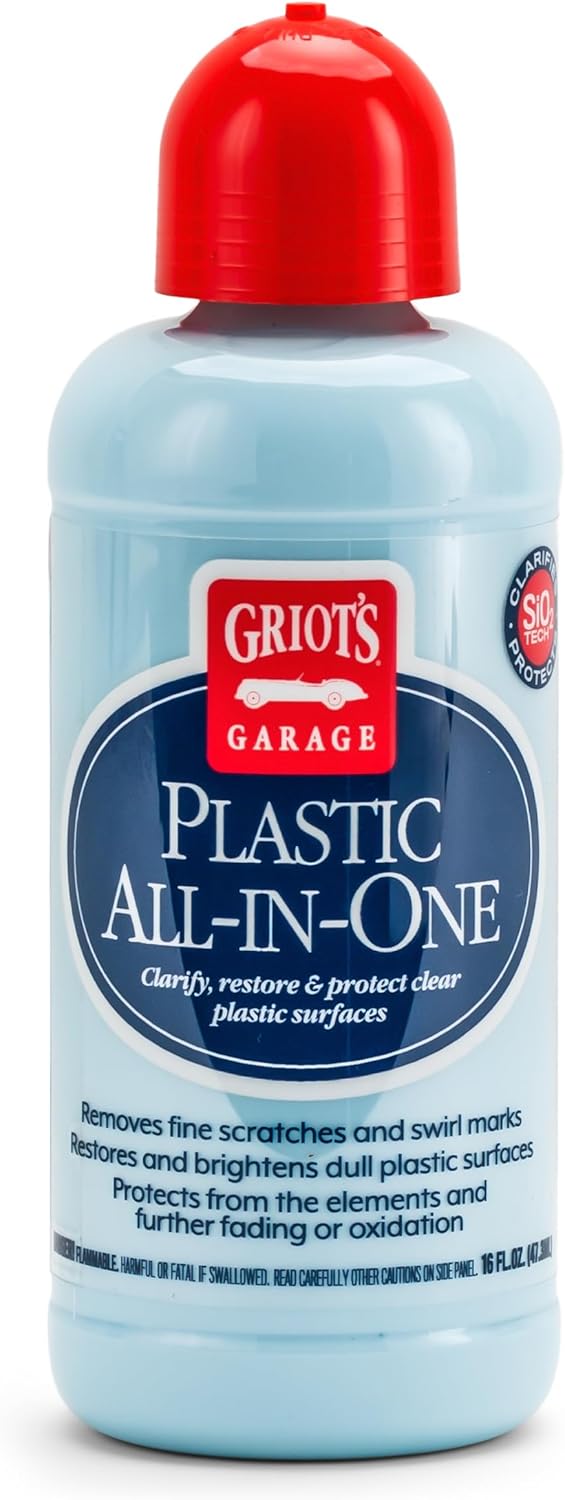 Griot's Garage Plastic All-in-One
headlight-restoration
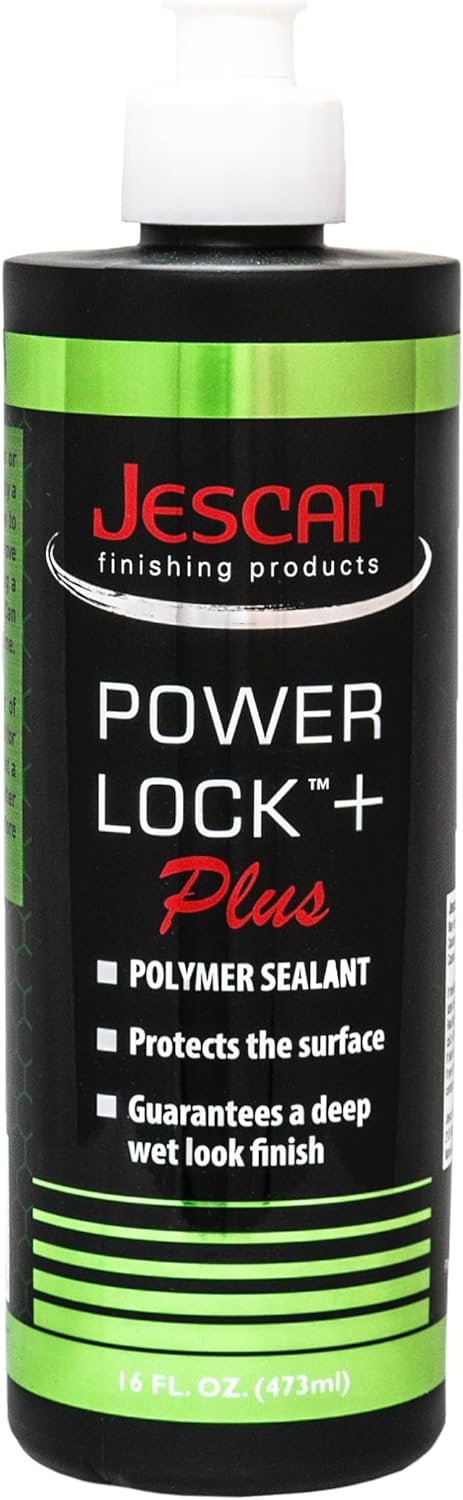 Prop 65
 Rocco & Roxie Carpet Cleaner Solution for Pets
extractor-solution
 SONAX BrilliantShine DetailerProp 65
ceramic-spray-coating
 Prop 65
 Weiman Leather Cleaner & Conditioner
leather-care
Related
Health and environment notes translate the manufacturer Safety Data Sheet, the GHS classification, and authoritative regulatory listings (California Prop 65, EPA). Not medical advice. They describe the ingredient itself; whether a hazard applies to a finished product depends on its concentration and how it's used.