CarCareTruth Score
Decent.
Opens Amazon in a new tab. No account needed to look.
Saved to your guest loadout. Sign up to also save to your Cabinet (consumables) or Kit (tools you own).
As an Amazon Associate I earn from qualifying purchases. Full disclosure
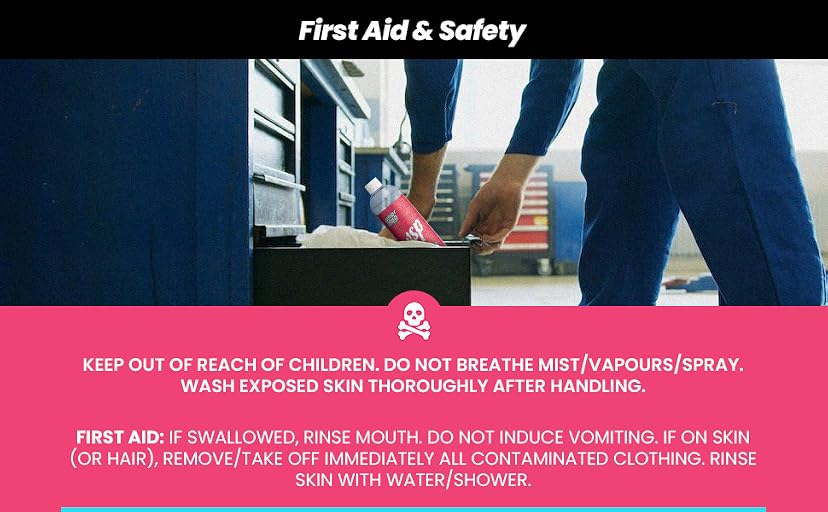
Prices may varyHealth score is for adult use as intended, per the manufacturer's SDS. It does not model child ingestion, accidental spill cleanup, or off-label use. See the safety panel below for full hazard classification, and /disclaimer for the full editorial scope.
GHS hazard codes are quoted from the manufacturer’s Safety Data Sheet. PPE tiers below translate those codes and the listed ingredient chemistry; they are not CarCareTruth recommendations.
Show details for all categories ▾Hide details ▴
Translated from the manufacturer’s Safety Data Sheet, Section 2
SDS §2 classifies Eye Irrit. 2B (H320). Brand and the product listing instruct 'use protective gear like gloves, eye gear.' Windshield-height wipe-on application makes eye contact a credible scenario, H320 supports recommendation.
U.S. regulatory standard
29 CFR 1910.133(a)(1)
“appropriate eye or face protection when exposed to eye or face hazards from… liquid chemicals…”
ANSI Z87.1 (incorporated via §1910.6)
OSHA standards apply to workplaces. Cited here as the U.S. reference threshold for the underlying hazard class.
CarCareTruth publishes the cited sources verbatim and does not advise what action a user should take. Consult the full SDS before use.
Only when: prolonged use
Translated from the manufacturer’s Safety Data Sheet, Section 2
SDS §2 classifies Skin Irrit. 3 (H316) and Acute Tox. 5 skin (H313, 'may be harmful'). Both are mild skin-hazard tiers; brief wipe-on contact at working dilution does not warrant recommendation. Prolonged or repeated bare-hand contact warrants gloves.
U.S. regulatory standard
29 CFR 1910.138(a)
“appropriate hand protection when employees' hands are exposed to hazards such as those from…”
OSHA standards apply to workplaces. Cited here as the U.S. reference threshold for the underlying hazard class.
CarCareTruth publishes the cited sources verbatim and does not advise what action a user should take. Consult the full SDS before use.
Only when: in enclosed space · prolonged use
Beyond SDS: translated from the ingredient chemistry
SDS §8 marks Respiratory protection as 'N/A' and §2 carries no inhalation hazard code, but §11 toxicology lists inhalation symptoms (coughing, shortness of breath) and §6 advises avoiding breathing vapours during handling. A closed garage or repeated all-day use is the realistic trigger; a normal ventilated wipe-on application does not call for a respirator.
CarCareTruth publishes the cited sources verbatim and does not advise what action a user should take. Consult the full SDS before use.
No PPE specified in published sources for ventilation. Absence does not imply “not needed” — consult the full Safety Data Sheet.
PPE tiers translate the manufacturer’s SDS and U.S. regulatory standards. Not professional safety advice. How we report safety.
Scope of these PPE tiers. The tiers on this page translate the product's Safety Data Sheet where one is published, plus its ingredient chemistry, into a comparable rating. They describe a formulation, not a situation: a tier is not a safety determination for any specific user, task, quantity, or environment. The manufacturer's label and use instructions govern how the product is handled. Where the product is used at work, the employer's PPE program and hazard assessment under 29 CFR 1910.132 decide what protection is selected, not this page.
No warranties. CarCareTruth makes no warranties, express or implied, and expressly disclaims the implied warranties of merchantability and fitness for a particular purpose.
This product ranks #1 of 8 in Glass Water Spot Remover.
Last reviewed August 3, 2026
TL;DR Clears moderate hard-water deposits from glass, chrome, and most exterior surfaces; owners report solid removal on typical mineral spotting with the glass optically clear after rinsing, though the review base is still modest so treat the verdict as provisional. Citric acid formula at pH 6, WARNING signal word per SDS; safety glasses and gloves match the SDS's confirmed skin and eye irritation codes.
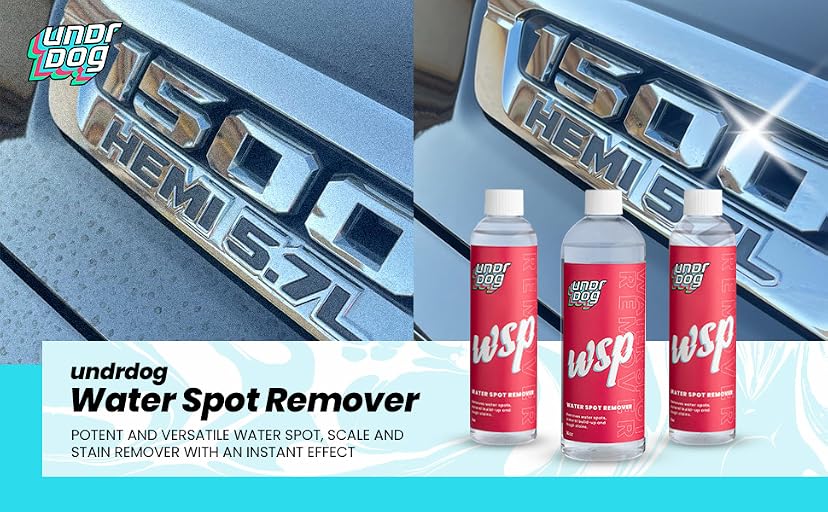
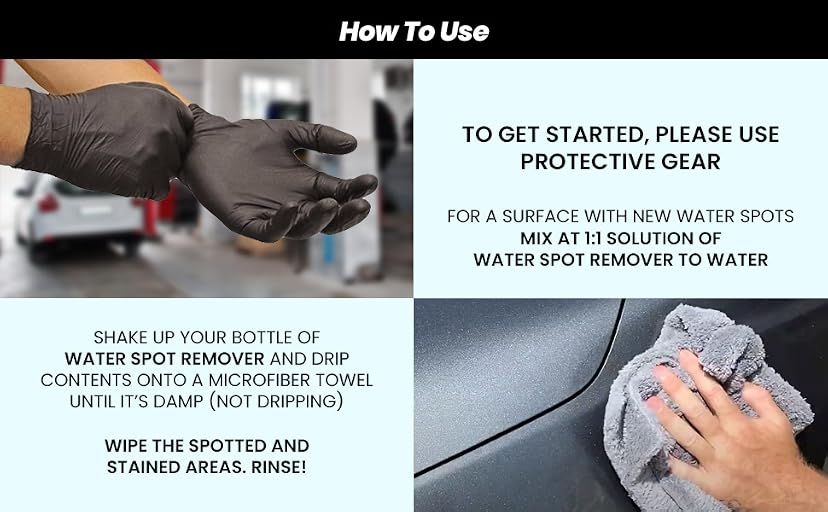
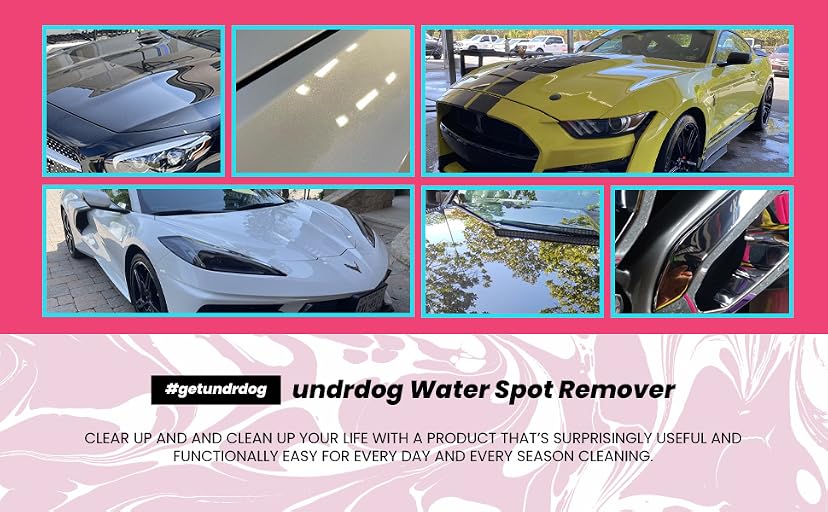
Undrdog WSP dissolves mineral deposits via a citric acid formula at near-neutral pH. Pour onto a microfiber cloth, buff over spotted areas, rinse thoroughly; dilute 1:1 for fresh light spots, use undiluted on stubborn deposits. Owners describe solid results on typical windshield spotting and the product goes a long way per bottle. Owners with severe multi-year etching found better results pairing WSP with 0000 steel wool; chemical action alone did not fully clear the heaviest deposits.
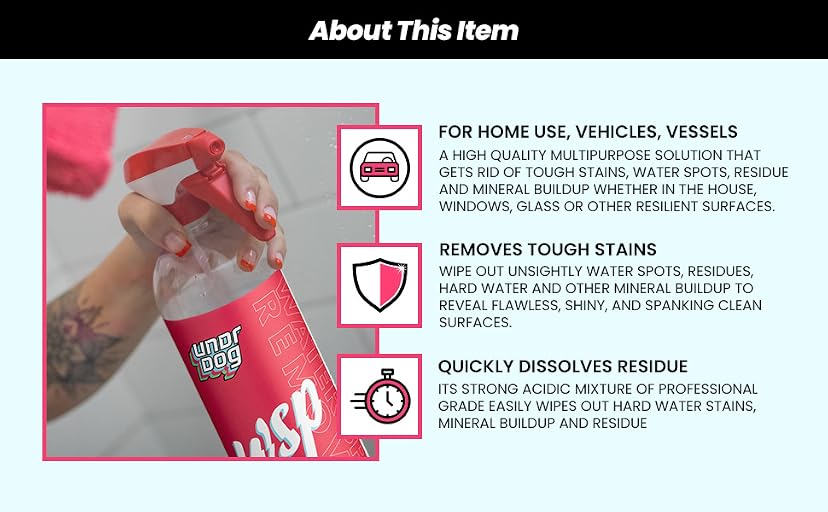
The right buy for anyone with hard-water scale on windshields, RV glass, or chrome trim that survives a normal car wash. The mild citric acid formula is a lower-risk starting point than HCl-based alternatives. Buyers with fresh light spots from a single rain event likely don't need a dedicated remover. Buyers with severe multi-year glass etching should expect to pair WSP with mechanical assistance on the worst deposits.
SDS: WARNING signal word. GHS classification: Skin Irritation Cat 3 (H316), Acute Toxicity Cat 5 skin contact (H313), Eye Irritation Cat 2B (H320), each a real mild-tier classification weighed individually in the CCT health score. Safety glasses and gloves match the SDS chemistry. SDS §8 lists respiratory protection as "N/A" and §2 carries no inhalation hazard code, but §11 reports inhalation-irritation symptoms and §6 cautions against breathing vapours, so ventilation is a situational precaution for enclosed-garage or repeated use, not a requirement for normal open-air use. SDS §12 reports no aquatic toxicity.
The brand markets WSP as safe on most surfaces. The citric acid formula at pH 6 is mild enough that it is unlikely to damage factory-applied or aftermarket window tint under normal use, but independent community confirmation is limited. Test in an inconspicuous area on aftermarket tint before full application.
The brand claims multi-surface compatibility. The SDS formula, citric acid at pH 6, is milder than most dedicated glass spot removers. That said, acidic products can affect clear coat on repeated use; spot-test on an inconspicuous panel area first.
For light or fresh water spots, the brand recommends diluting 1:1 with water. For stubborn or heavily bonded mineral deposits, use it undiluted. Apply to a microfiber cloth (not directly to the surface) and buff gently, then rinse thoroughly.
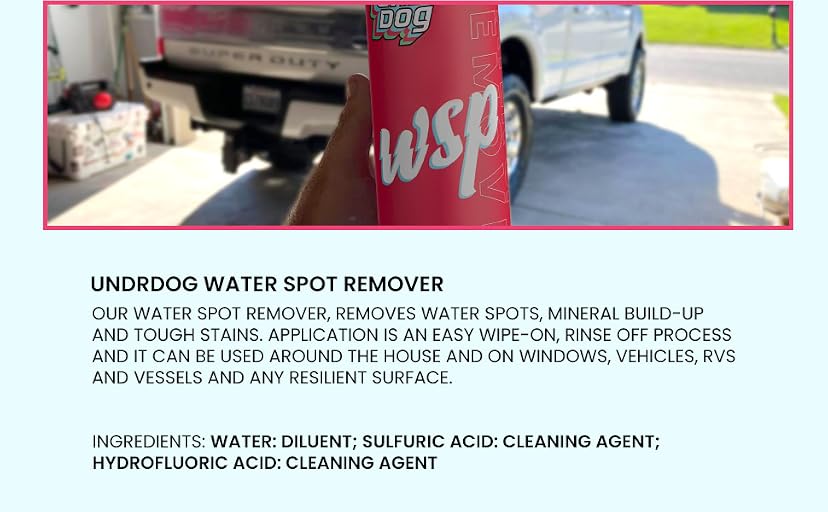
One older Amazon product image lists sulfuric acid and hydrofluoric acid as ingredients, that image reflects an earlier formula. The current formula (confirmed in the Oct 2024 SDS) uses citric acid, isopropyl alcohol, and polydimethylsiloxane. The current SDS is the authoritative reference.
Marketing copy from Undrdog, via Amazon. Not editorial.
Weekly pick
One product, one safety verdict, every week. No spam.
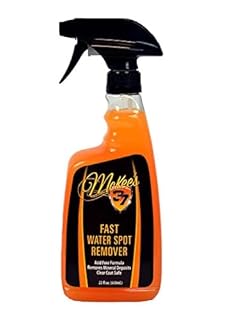
McKee's 37
FAST Water Spot Remover
Chemical Guys
Heavy Duty Water Spot Remover
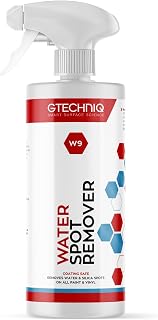
Gtechniq
W9 Water Spot Remover
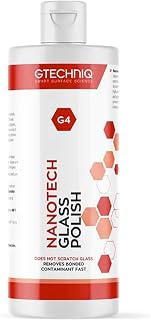
Gtechniq
G4 Nanotech Glass Polish
As an Amazon Associate I earn from qualifying purchases. Full disclosure

Community
0 postsShare how you use this product
Drop a quick comment or post a full review with photos and a star rating.
Sign in to postNew here? Create a free account.