
Isopropyl Alcohol
- Alcohol solvents
- CAS 67-63-0
- IUPAC: Propan-2-ol
Isopropyl Alcohol (CAS 67-63-0) appears in 56 of the 2,122 car-care products CarCareTruth tracks (as of August 2026). It is classified as a VOC.
Flammable, eye irritant. Defats skin on prolonged contact. Inhalation in confined spaces causes dizziness.
Isopropyl alcohol (IPA, propan-2-ol) is the most common solvent in detailing chemistry. It dissolves polar and nonpolar contaminants, evaporates cleanly without residue, and is cheap. You'll find it in panel preps, glass cleaners, ceramic coating prep solutions, and as a minor component in many spray sealants where it acts as a wetting agent.
Health risks are well-characterized: it's a flammable liquid (H225) at high concentrations, an eye irritant (H319), and inhaling concentrated vapors causes CNS depression — dizziness, headache, nausea (H336). At the low concentrations typical in finished detailing products (under 5%), the practical risks are mild eye and skin irritation with prolonged contact. Use ventilation and gloves when working with the concentrate; the diluted spray formulations are routine to use.
Health & environment profile
- VOC
- yes
- Prop 65 listed
- no
- Asthmagen
- no
- EPA Safer Choice
- no
- Aquatic toxicity
- no
- Biodegradable
- yes
- Bioaccumulative
- no
- Persistent
- no
- Ozone depleting
- no
- Microplastic
- no
- PFAS
- no
- Env. score
- 4/5
Common questions about Isopropyl Alcohol
- What is Isopropyl Alcohol used for in car care?
- Carrier solvent and surface degreaser; flash-evaporates to leave actives on the surface
- Is Isopropyl Alcohol a VOC?
- Yes. Isopropyl Alcohol is classified as a volatile organic compound (VOC).
- Is Isopropyl Alcohol on California's Proposition 65 list?
- No. Isopropyl Alcohol is not on California's Proposition 65 list.
- Is Isopropyl Alcohol biodegradable?
- Yes. Isopropyl Alcohol has a confirmed biodegradable profile.
56 products contain this
 303 Products 303 Leather 3-in-1 Complete CareProp 65
leather-care
 303 Products Speed DetailerProp 65
quick-detailer
 3D Car Care Waterless Car WashProp 65
waterless-wash
 3D Car Care 3D Speed All-In-One Polish & WaxProp 65
one-step-polish
 Adam's Polishes Glass Sealant 2.0
rain-repellent
 Adam's Polishes Graphene Glass CoatingProp 65
glass-coating
 Adam's Polishes Surface Prep
panel-wipe
 Adam's Polishes VRT Vinyl, Rubber & Trim ProtectantProp 65
exterior-dressing
 BlueDevil Products Complete Fuel System CleanerProp 65
fuel-system-cleaner
 Bondo Scratch & Rock Chip Repair KitProp 65
paint-touch-up
 Cataclean Fuel & Exhaust System CleanerProp 65
fuel-injector-cleaner
 Chemical Guys InnerClean Interior Quick Detailer
interior-detailer
 Prop 65
 Dr. Beasley's Glass Serum
glass-coating
 Dupli-Color Scratch Fix All-in-1 Universal BlackProp 65
paint-touch-up
 Griot's Garage Ceramic Glass Coating Kit (10867)
glass-coating
 Griot's Garage Interior DetailerProp 65
interior-detailer
 Gtechniq G1 ClearVision Smart Glass
glass-coating
 Hope's Perfect Glass Automotive Glass Cleaner
glass-cleaner
 Jimbo's Detailing Tough As Shell Ceramic Spray
ceramic-spray-coating
 Koch-Chemie Panel Prep Spray (Pps)
panel-wipe
 Magic Finish Car Glass CleanerProp 65
glass-cleaner
 Meguiar's Last Touch Spray Detailer (D155)Prop 65
clay-lubricant
 Meguiar's Perfect Clarity Glass Cleaner
glass-cleaner
 Meguiar's Ultimate Quik DetailerProp 65
quick-detailer
 Mothers California Gold Chrome PolishProp 65
chrome-polish
 Mothers California Gold Instant Detailer
quick-detailer
 Prop 65
 Mothers Foaming Wheel & Tire CleanerProp 65
wheel-cleaner
 Mothers re|Vision Glass + Surface CleanerProp 65
glass-cleaner
 Mouse Milk Penetrating OilProp 65
penetrating-oil
 nextzett Blitz All Purpose CleanerProp 65
all-purpose-cleaner
 Optimum MDR Mineral Deposit RemoverProp 65
glass-water-spot-remover
 Optimum No Rinse Wash & Shine (ONR Version 5)
rinseless-wash
 Optimum No Rinse Wash & Shine (ONR Version 6)
rinseless-wash
 Optimum Ultra Ceramic Seal
ceramic-spray-coating
 PROJE' Water Spot Remover
water-spot-remover
 Rain-X Automotive Glass CleanerProp 65
glass-cleaner
 Rain-X Interior Glass Anti-Fog
anti-fog
 Rain-X Original Glass Water RepellentProp 65
rain-repellent
 Rain-X Rain RepellentProp 65
rain-repellent
 Soft99 Glaco Roll On Large
rain-repellent

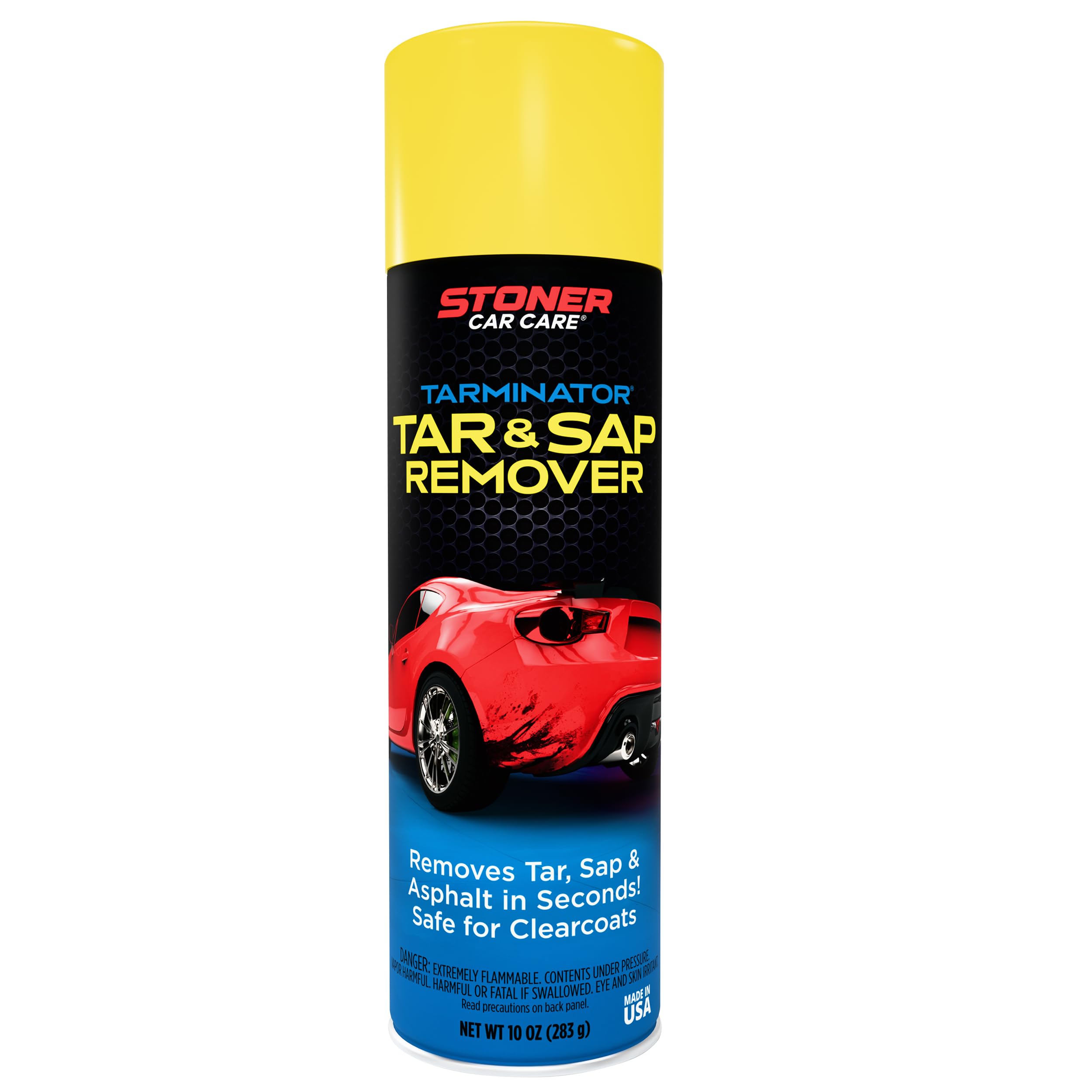 Stoner Tarminator Tar, Sap, and Asphalt RemoverProp 65
bug-tar-remover
 Technician's Choice TEC582 Ceramic Detail Spray
ceramic-booster
 Turtle Wax Bug & Tar Remover (T-520A Trigger Spray)Prop 65
bug-tar-remover
 Prop 65
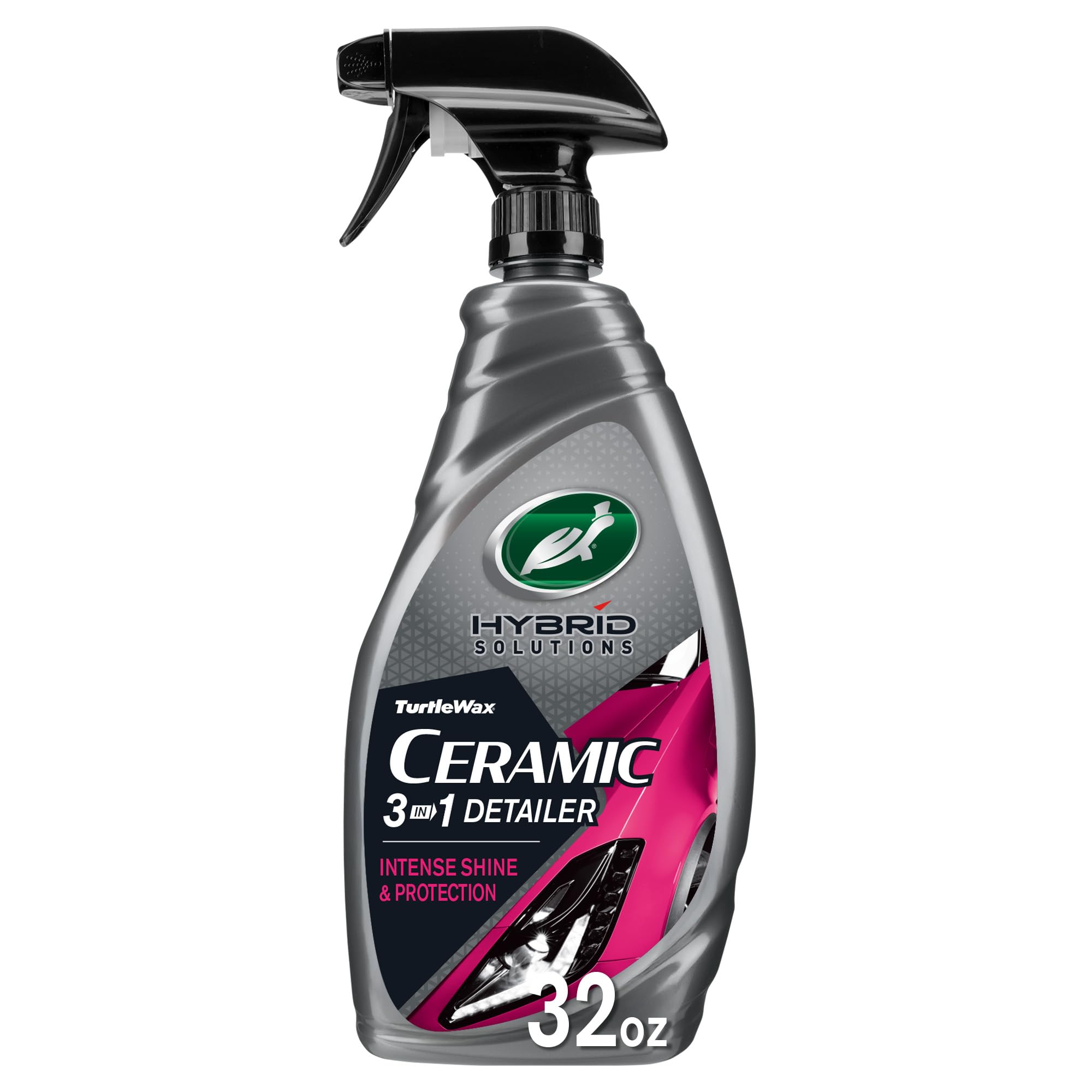 Turtle Wax Hybrid Solutions Ceramic 3-in-1 Car Detailer
quick-detailer
 Turtle Wax Hybrid Solutions Ceramic Spray Coating
ceramic-spray-coating
 Turtle Wax Hybrid Solutions Streak-Free Mist Interior DetailerProp 65
interior-detailer
 Turtle Wax ICE Spray WaxProp 65
spray-wax
 Turtle Wax Hybrid Solutions Pure Bead Advanced Car Coating SprayProp 65
ceramic-spray-coating
 Undrdog WSP Water Spot Remover
glass-water-spot-remover
 YumCars Yum Foam
pre-wash
Related
Health and environment notes translate the manufacturer Safety Data Sheet, the GHS classification, and authoritative regulatory listings (California Prop 65, EPA). Not medical advice. They describe the ingredient itself; whether a hazard applies to a finished product depends on its concentration and how it's used.