CarCareTruth Score
Decent.
Opens Amazon in a new tab. No account needed to look.
Saved to your guest loadout. Sign up to also save to your Cabinet (consumables) or Kit (tools you own).
As an Amazon Associate I earn from qualifying purchases. Full disclosure
Prices may varyHealth score is for adult use as intended, per the manufacturer's SDS. It does not model child ingestion, accidental spill cleanup, or off-label use. See the safety panel below for full hazard classification, and /disclaimer for the full editorial scope.
GHS hazard codes are quoted from the manufacturer’s Safety Data Sheet. PPE tiers below translate those codes and the listed ingredient chemistry; they are not CarCareTruth recommendations.
Show details for all categories ▾Hide details ▴
Only when: splash risk
Translated from the manufacturer’s Safety Data Sheet, Section 2
SDS §2 H319 (eye irritation Cat 2A) confirmed; SDS §8 specifies 'chemically resistant safety glasses with side shields.' The silazane active reacts with eye moisture to release ammonia · direct contact is a genuine concern, not boilerplate. WARNING signal word (not DANGER) → situational tier per rubric; trigger: splash risk on application or transfer.
U.S. regulatory standard
29 CFR 1910.133(a)(1)
“The employer shall ensure that each affected employee uses appropriate eye or face protection when exposed to eye or face hazards from… liquid chemicals…”
ANSI Z87.1 (incorporated via §1910.6)
OSHA standards apply to workplaces. Cited here as the U.S. reference threshold for the underlying hazard class.
CarCareTruth publishes the cited sources verbatim and does not advise what action a user should take. Consult the full SDS before use.
Translated from the manufacturer’s Safety Data Sheet, Section 2
SDS §2 H315 (skin irritation Cat 2) confirmed; SDS §8 recommends 'chemically resistant gloves' for prolonged or repeated contact. The active reacts with skin moisture (sweat) to release ammonia. Nitrile gloves are warranted for the saturator-pad use pattern.
U.S. regulatory standard
29 CFR 1910.138(a)
“appropriate hand protection when employees' hands are exposed to hazards such as those from… chemicals which produce an adverse effect on the skin or eyes…”
OSHA standards apply to workplaces. Cited here as the U.S. reference threshold for the underlying hazard class.
CarCareTruth publishes the cited sources verbatim and does not advise what action a user should take. Consult the full SDS before use.
Only when: in enclosed space · prolonged use
Translated from the manufacturer’s Safety Data Sheet, Section 2
No H334 / H335 in SDS §2. The active's hydrolysis releases ammonia (NH₃) · small quantities at consumer application volume are minimal in ventilated space. In a closed garage during prolonged or repeat application, accumulating ammonia vapor can drive eye and respiratory irritation. Outdoors or with garage door open, the concern is minimal.
CarCareTruth publishes the cited sources verbatim and does not advise what action a user should take. Consult the full SDS before use.
No PPE specified in published sources for ventilation. Absence does not imply “not needed” — consult the full Safety Data Sheet.
PPE tiers translate the manufacturer’s SDS and U.S. regulatory standards. Not professional safety advice. How we report safety.
This product ranks #3 of 9 in Glass Coating.
Last reviewed June 14, 2026
TL;DR Confirmed durability is 6-9 months on a daily driver · meaningful protection beyond topical repellents, but short of the 'over a year' label claim. Rain beads well above 60 mph. Forgiving 5-minute cure window; included kit makes it accessible for first-time applications.
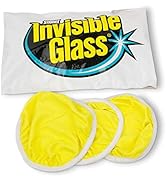
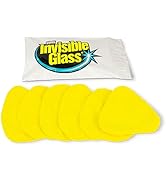
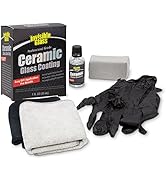
Wipe the windshield with an IPA prep, dry thoroughly (humidity below 70%), apply a small amount of the coating to the included applicator pad, wipe evenly, wait briefly for the slight haze, then buff with a clean microfiber · about 15-25 minutes total. The cured film is essentially silicon dioxide. Real durability runs 6-9 months on daily drivers per forum members tracking applications over multiple seasons, below the label's 'over 1 year' claim. Highway sheeting is solid above 65 mph with no persistent wiper chatter reported across community reviews.
Best for buyers who want a cleaner chemistry profile · no PFAS, no carcinogen flags · and a forgiving cure window. Skip it if you need maximum durability: Gtechniq G1 (12-18 months) and Gyeon Q² View EVO (9-12 months) outlast this product. The carrier solvent is trade-secret-locked, so independent VOC verification is incomplete.
The 2022 SDS carries signal word WARNING from H315 (skin irritation), H319 (eye irritation), H302 (harmful if swallowed), and H227 (combustible liquid). Both H315 and H319 trace to ammonia released when the active hydrolyzes on contact with moisture; the cured film is inert and non-irritating. Apply outdoors or with garage door open; reseal the bottle immediately after use. No PFAS · silazane chemistry is silicon-nitrogen, not fluorinated. Carrier solvent is trade-secret-locked; VOC estimated at the hydrocarbon-class bracket, reflected in the environment score.
The silazane active is a silicon-nitrogen polymer that reacts with atmospheric moisture and surface silanol groups on glass to crosslink into a silica (SiO₂) ceramic network · the cured film is essentially silicon dioxide. The same chemistry is used in industrial coatings on architectural glass and semiconductor substrates because the cured silica is chemically inert and very hard. The hydrolysis releases ammonia as a byproduct, which is the source of the eye and skin irritation classifications during application; once cured (24-48 hours) the film is non-irritating.
Community data on Amazon and r/AutoDetailing shows 6-9 months of effective beading on daily-driven vehicles, less than the 'over a year' label claim. Reports past 12 months are uncommon outside garaged or lightly-driven cars. The single-step kit application is straightforward · apply a small amount to the saturated applicator, wipe across the glass, wait briefly, then buff.
The silazane active hydrolyzes to silica (SiO₂) and ammonia on cure · both are environmentally and biologically benign endpoints. Silica is sand; ammonia at the volumes released is rapidly diluted. There is no PFAS chemistry, no PBT/vPvB-substance disclosure, no carcinogen flag (H351), no reproductive toxin flag (H361), and no aquatic toxicity classification. The trade-off is a lighter ingredient disclosure (only the active is named; the carrier is trade secret) and a high-VOC hydrocarbon-class carrier given the moisture-sensitivity of the chemistry.
No. The silazane active is silicon-nitrogen chemistry · no carbon-fluorine bonds. No PFAS-classified ingredients are disclosed in SDS Section 3. The carrier solvent (trade-secret) is almost certainly hydrocarbon-class given the active's moisture sensitivity, not fluorinated.
The active reacts with water to start the silica-forming reaction. The bottle must be tightly sealed when not in use · exposure to humid air will cause the product to start curing inside the bottle, producing a gel that no longer applies cleanly. Apply on dry days (humidity below 70%) and reseal the bottle immediately after each application for the next-use shelf life.
Marketing copy from Stoner, via Amazon. Not editorial.
Weekly pick
One product, one safety verdict, every week. No spam.


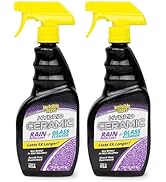
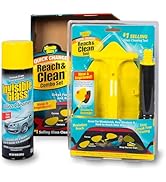
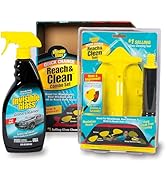
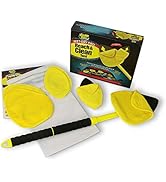
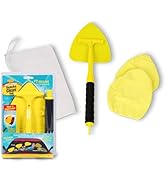
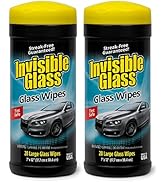
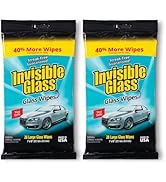
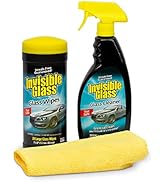
Soft99
Ultra Glaco
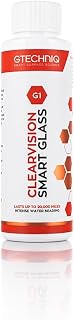
Gtechniq
G1 ClearVision Smart Glass
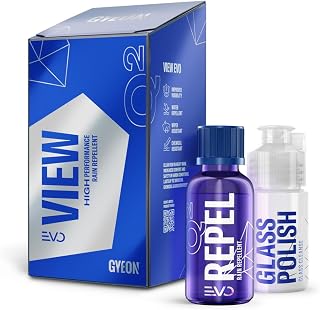
Gyeon
Q² View EVO
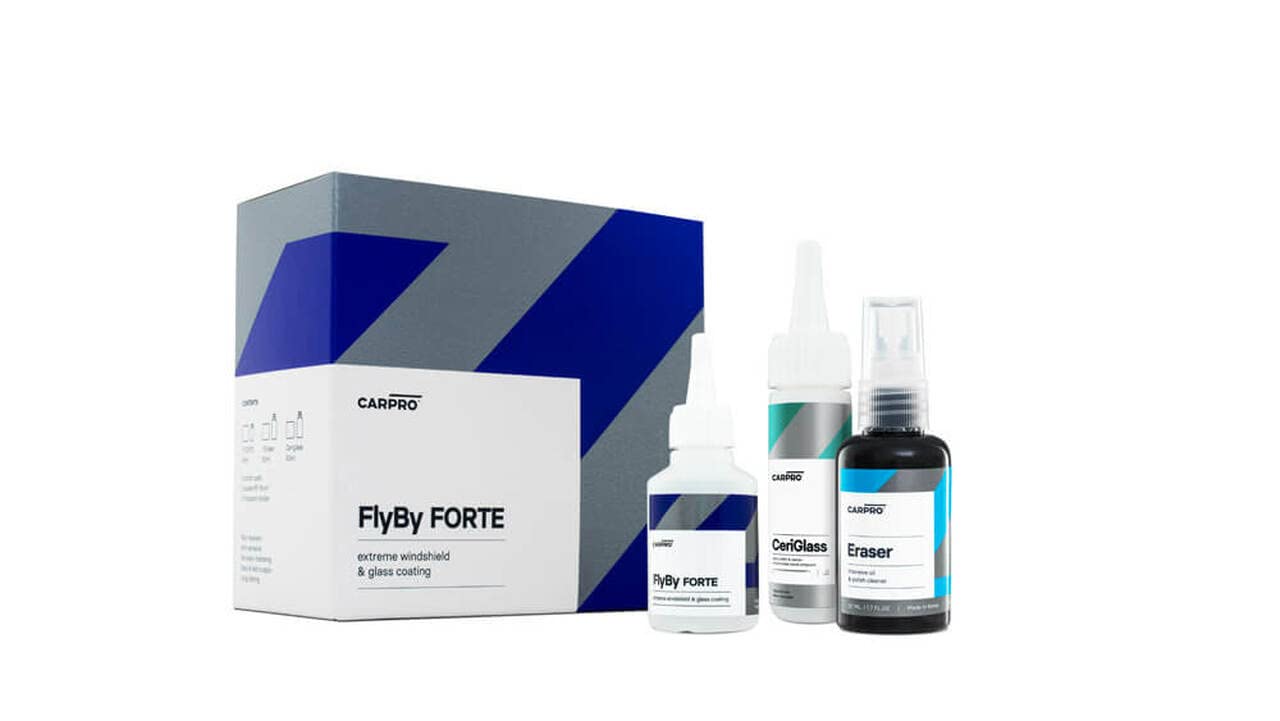
CarPro
FlyBy Forte V4 Glass Coating
As an Amazon Associate I earn from qualifying purchases. Full disclosure

Community
0 postsShare how you use this product
Drop a quick comment or post a full review with photos and a star rating.
Sign in to postNew here? Create a free account.