
Polysilazane (Perhydropolysilazane)
- Ceramic (SiO₂)
- CAS 475645-84-2
- IUPAC: Perhydropolysilazane
Polysilazane (Perhydropolysilazane) (CAS 475645-84-2) appears in 3 of the 2,179 car-care products CarCareTruth tracks (as of August 2026).
H315 (skin irritation Cat 2), H319 (eye irritation Cat 2A), H302 (harmful if swallowed Cat 4), and H227 (combustible liquid Cat 4) at the ingredient level. The hydrolysis on cure releases ammonia (NH₃), which is the source of the irritant classification — fully cured film is inert silica with no residual ammonia.
Perhydropolysilazane (PHPS, CAS 475645-84-2) is a silicon-nitrogen backbone polymer used as a ceramic glass-coating active. It belongs to the broader polysilazane family — the simplest member of the family, with the structure [SiH₂-NH]ₙ. On contact with atmospheric moisture and surface silanol groups (Si-OH on the glass), the Si-N bonds hydrolyze to form Si-O-Si bonds, releasing ammonia (NH₃) and producing a silica-like (SiO₂) ceramic film.
Application chemistry: The hydrolysis-to-silica mechanism is shared with industrial PHPS coatings used on architectural glass, semiconductor substrates, and even archeological conservation. The cured film is essentially silicon dioxide — chemically inert, transparent, and very hard. Hardness claims of "9H" for cured polysilazane films are consistent with cured silica chemistry, though performance in real-world abrasion exposure depends on film thickness and substrate adhesion quality.
Hazard profile: H315 (skin irritation), H319 (eye irritation), H302 (harmful if swallowed), and H227 (combustible liquid) appear at the ingredient level. The eye and skin irritation classifications trace to the ammonia released on contact with moisture (skin sweat, eye fluid). Once cured, the film is silica — inert and non-irritating. PPE during application is genuinely warranted because the active is reactive with moisture; once cured (24-48 hours) there is no residual hazard.
Environmental: PHPS hydrolyzes to silica plus ammonia. Silica is environmentally inert (it is sand). Ammonia at the small quantities released from a thin glass coating is rapidly diluted and biodegraded. No PBT/vPvB classification. Not PFAS — silicon-nitrogen chemistry, no carbon-fluorine bonds.
Health & environment profile
- VOC
- no
- Prop 65 listed
- no
- Asthmagen
- no
- EPA Safer Choice
- no
- Aquatic toxicity
- no
- Biodegradable
- no
- Bioaccumulative
- no
- Persistent
- no
- Ozone depleting
- no
- Microplastic
- no
- PFAS
- no
- Env. score
- 5/5
Common questions about Polysilazane (Perhydropolysilazane)
- What is Polysilazane (Perhydropolysilazane) used for in car care?
- Ceramic glass-coating active. Reacts with atmospheric moisture and surface silanol groups on glass to crosslink into a Si-O-Si (silica-like) ceramic network — produces a transparent hard hydrophobic film with claimed 9H pencil hardness
- Is Polysilazane (Perhydropolysilazane) a VOC?
- No. Polysilazane (Perhydropolysilazane) is not classified as a volatile organic compound (VOC).
- Is Polysilazane (Perhydropolysilazane) on California's Proposition 65 list?
- No. Polysilazane (Perhydropolysilazane) is not on California's Proposition 65 list.
3 products contain this
 Gyeon PPF EVO Flexible Ceramic Coating
ppf-coating
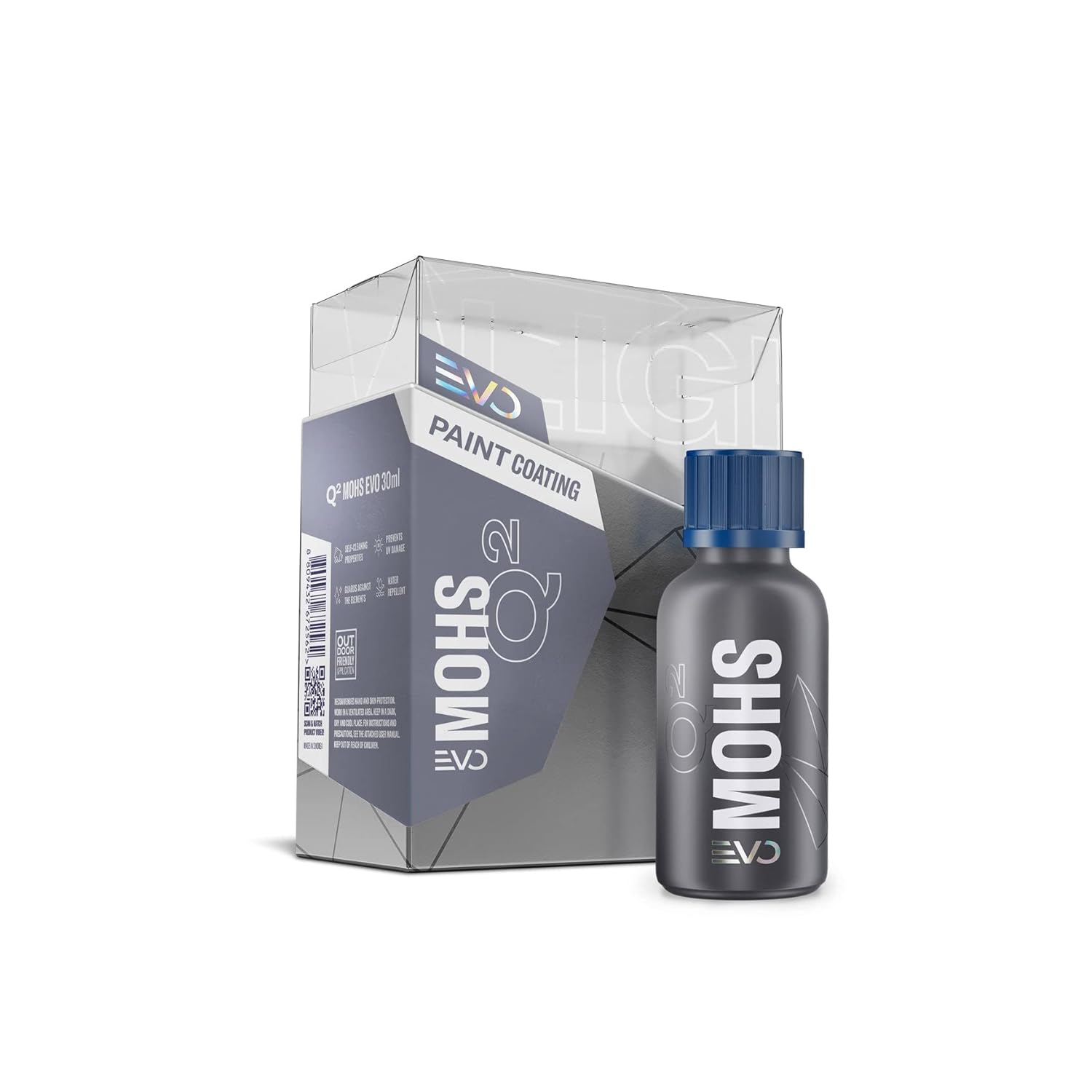 Gyeon Q2 Mohs EVO
ceramic-coating
 Stoner Pro Ceramic Glass Coating Kit (95151)
glass-coating
Related
Health and environment notes translate the manufacturer Safety Data Sheet, the GHS classification, and authoritative regulatory listings (California Prop 65, EPA). Not medical advice. They describe the ingredient itself; whether a hazard applies to a finished product depends on its concentration and how it's used.